
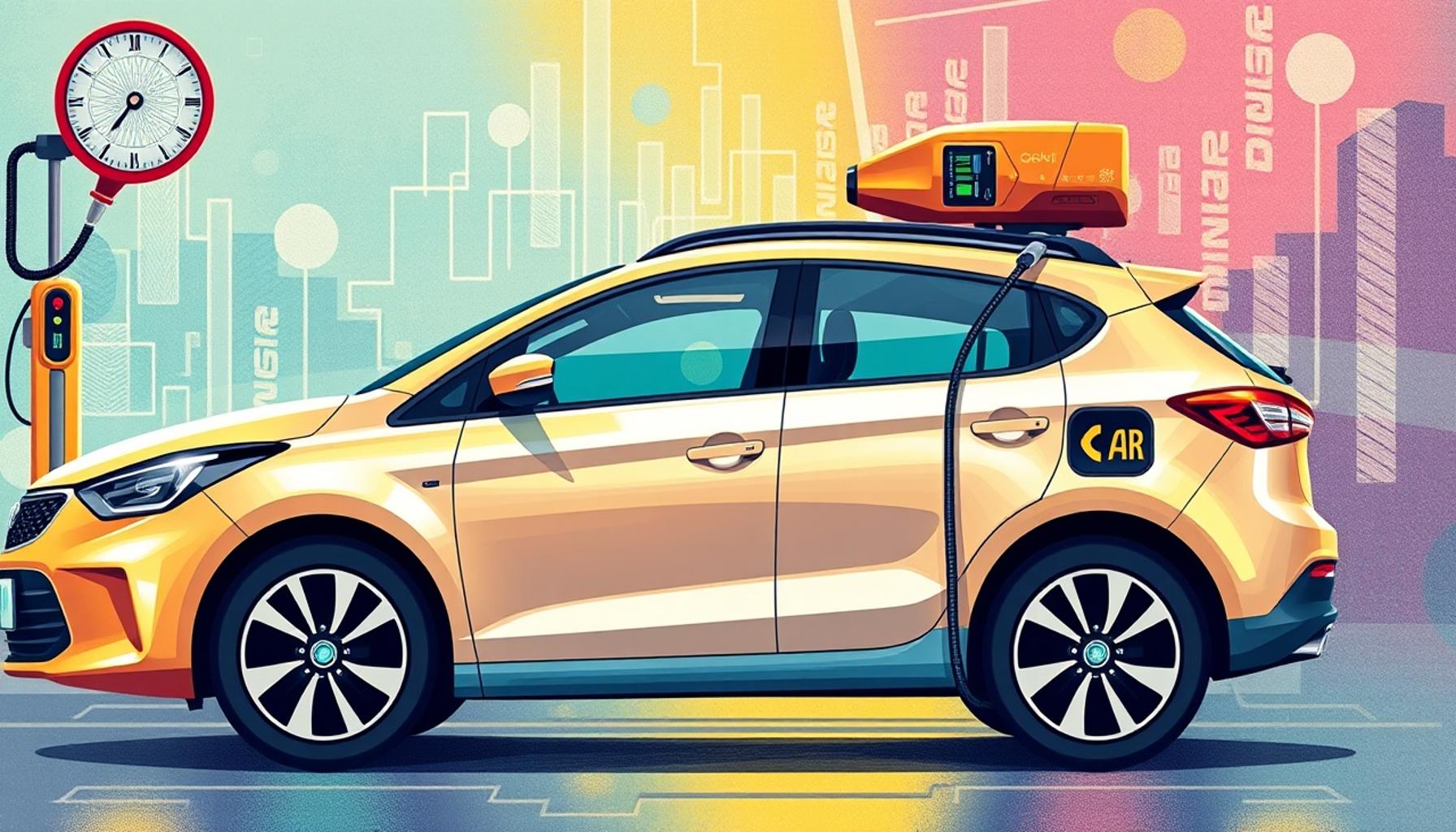
Transforming Mobility with Hybrid Technologies
The ongoing transition in the automotive sector is not just a fleeting trend; it reflects a broader commitment to sustainability and innovation. Hybrid car technologies are reshaping how we think about driving, offering a unique blend of electric and gasoline power that meets the needs of the modern consumer. This approach not only addresses the practical elements of performance and convenience but also resonates with the increasing demand for environmentally friendly solutions.
One of the standout features of hybrid cars is their remarkable ability to optimize fuel efficiency. Many models are capable of achieving over 50 miles per gallon, a significant improvement compared to traditional gasoline vehicles. For example, the Toyota Prius, often heralded as the pioneer of hybrid technology, is known for its stellar fuel economy, providing drivers with substantial savings at the pump. This efficiency is particularly beneficial in urban environments, where traffic congestion can lead to increased fuel consumption.
Another critical benefit that hybrid systems offer is their contribution to reduced emissions. By utilizing electric motors, hybrids can significantly lower CO2 emissions, which is essential for improving air quality in many urban areas across the United States. With initiatives pushed by both federal regulations and state-level actions, the public is more aware than ever of the need to reduce their carbon footprint. Vehicle emissions are a key contributor to pollution, and hybrids present a viable solution to mitigate this issue.
- Regenerative braking: This innovative technology is a game-changer, as it captures kinetic energy that would typically be lost during braking. For instance, when a driver applies the brakes in a hybrid vehicle, the electric motor runs in reverse, converting the car’s kinetic energy back into stored energy in the battery. This process enhances energy efficiency and extends the overall lifespan of the vehicle’s battery system, making it a win-win for both the environment and the owner.
In the U.S. market, the demand for hybrid vehicles is experiencing exponential growth, backed by leading manufacturers such as Toyota, Honda, and Ford. Models like the Honda Insight and Ford Escape Hybrid not only appeal to eco-conscious drivers but also offer a diverse array of choices that accommodate various lifestyles and budgets. For example, while the Prius is often associated with compactness and fuel efficiency, the Ford Escape Hybrid provides the utility of an SUV with the added benefit of reduced emissions.
As hybrid technologies continue to evolve, understanding their intricacies becomes essential for both consumers and industry stakeholders. It sheds light on how these vehicles are influencing the future of transportation and reveals the immense potential they hold in achieving a sustainable automotive landscape. The automotive industry is on the brink of a significant evolution, and hybrids are leading the charge towards a future where driving is not only a necessity but also a responsible choice.
DIVE DEEPER: Click here to learn how to check your car at home
Driving Towards Innovation: How Hybrid Cars are Redefining Performance
As the automotive industry adapts to the demand for cleaner and more efficient vehicles, hybrid cars are emerging as one of the most innovative solutions on the market. These vehicles blend traditional internal combustion engines with electric powertrains, forging a new pathway for automakers and consumers alike. This integration of technology is not only transforming how we drive but also reshaping our expectations of what a modern vehicle can accomplish.
The fundamental premise of hybrid technology is rooted in its ability to deliver optimal performance while minimizing environmental impact. By employing both an electric motor and a gasoline engine, hybrids can provide substantial torque and acceleration while drawing less power from the fuel tank. This characteristic is particularly evident in models like the Hyundai Ioniq Hybrid, which illustrates how a well-engineered hybrid system can seamlessly transition between electric and combustion power to deliver an exhilarating driving experience without compromising on efficiency.
Another significant aspect of hybrids is their versatility. They cater to a wide range of drivers, from the environmentally conscious to those simply seeking a reliable mode of transportation. As a testament to this versatility, hybrid vehicles are now available in numerous segments, including sedans, SUVs, and even pickup trucks. This wide variety ensures that consumers can find a hybrid that suits their specific needs while still contributing to a greener future.
- Customizable driving modes: Many hybrid cars come equipped with customizable driving modes that let the driver choose between all-electric, hybrid, or gasoline-only options. This flexibility allows users to optimize their driving experience based on their commuting needs, be it short city trips or long highway drives.
- Advanced technology integrations: Modern hybrid vehicles are laden with cutting-edge technology, including connectivity features and advanced driver-assistance systems (ADAS). This not only enhances their safety but also provides drivers with useful tools to maximize efficiency and performance.
- Access to incentives: In many regions across the U.S., hybrid vehicles qualify for federal and state incentives, making them financially appealing. Discounts on registration fees, tax credits, and access to carpool lanes are just a few examples of the benefits that can enhance the ownership experience.
The introduction of hybrid technology has also spurred intense competition among manufacturers, prompting continuous improvement in performance, design, and technology. As new advancements emerge, such as plug-in hybrid options, which allow for greater electric-only range and reduced reliance on gasoline, the landscape is expanding rapidly. This transformational speed indicates more than just a passing phase; it marks a pivotal shift in how we approach personal transportation and environmental responsibility.
As consumers become increasingly aware of their choices’ impact on the planet, hybrids stand out as a compelling option. They encapsulate the essence of innovation, efficiency, and sustainability, making them a cornerstone of modern automotive evolution. With hybrid vehicles leading the charge, the future of driving is not only brighter but also greener.
| Advantage | Explanation |
|---|---|
| Improved Fuel Efficiency | Hybrid cars combine electric and combustion technology to enhance fuel efficiency, reducing overall fuel consumption significantly. |
| Reduced Emissions | Leveraging electric power reduces harmful CO2 emissions, contributing to a cleaner environment and compliance with stricter regulations. |
The growing interest in hybrid cars is driven by their capacity to merge the strengths of both electric and combustion engines. One of the most appealing advantages is their improved fuel efficiency. By utilizing an electric motor alongside a traditional gasoline engine, these vehicles optimize energy use, especially in urban driving conditions. As gasoline prices continue to fluctuate, consumers are increasingly leaning towards hybrids as an economically savvy choice.Additionally, reduced emissions have become a pressing concern globally. With numerous countries implementing stricter emission regulations, hybrid cars stand out by contributing to a significant decrease in CO2 emissions compared to conventional cars. The integration of electric technology allows hybrids to be a sustainable choice for environmentally conscious consumers, marking a pivotal shift towards a more eco-friendly automotive future.In summary, hybrid technology not only enhances vehicle performance but also aligns with a dedicated effort towards promoting sustainable transportation solutions in today’s rapidly evolving automotive industry. Understanding these multifaceted benefits fuels interest in the hybrid revolution, inviting more inquiries into their design and application in our everyday lives.
DISCOVER MORE: Click here to learn about eco-friendly car options
Enhancing Sustainability: The Environmental Impact of Hybrid Technology
As hybrid vehicles continue to penetrate the auto market, their contributions toward environmental sustainability are making headlines. The collision of electric propulsion with traditional fuel engines means hybrid cars are stepping up as often-underestimated heroes in the fight against climate change. One of the most impressive statistics is how hybrids can reduce carbon dioxide emissions by a significant margin. According to the U.S. Environmental Protection Agency (EPA), hybrids often emit approximately 20% to 35% less than their solely gasoline-powered counterparts. This shift is pivotal as the automotive sector grapples with its share of environmental ramifications.
Moreover, hybrid cars positively impact urban air quality, where vehicle emissions contribute to smog and respiratory issues. As cities grow increasingly congested and polluted, the ability of hybrids to operate efficiently in stop-and-go traffic—often relying on electric power only—proves to be an eye-opening transformation for urban mobility. For instance, models like the Toyota Prius have redefined commuting, providing an option that largely minimizes exhaust emissions during short trips, which is when many traditional gasoline engines are at their least efficient. This efficiency is crucial, particularly in metropolitan areas where air pollution poses immediate health risks.
The financial incentives tied to hybrid vehicles also enhance their appeal. With adoption rates surging in the U.S., many consumers wonder how hybrids impact their wallets. Potential buyers may be pleased to learn that hybrid cars often come with lower overall fuel costs due to their exceptional fuel economy. Statistics published by the Department of Energy indicate that hybrids can achieve an average of 50 miles per gallon, often double that of traditional vehicles. This translates not only to savings at the pump but also aligns with broader economic efficiencies and sustainability practices.
- Resale value: As the market recognizes the hybrid’s long-term advantages, many models retain their resale value significantly better than standard combustion vehicles. This factor hinges on their perceived reliability and growing consumer inclination towards eco-friendly options.
- Battery longevity: Advances in battery technology have led to improved durability, offering warranties that often exceed eight years, making hybrids more attractive as long-term investments.
- Availability of charging infrastructure: The ongoing development of charging stations and improvements in electric grids make hybrids, especially plug-in models, increasingly practical. Many U.S. states are ramping up efforts to enhance infrastructure, providing the ease of charging at home or work.
A noteworthy concern surrounding hybrid vehicles remains the production and disposal of their batteries, particularly regarding resource extraction and recycling. Automakers, in recognition of this challenge, are investing heavily in research to develop sustainable battery technologies. Innovations such as solid-state batteries are showing promise, aiming to use less harmful materials and enhance recyclability, thus alleviating some environmental burden.
Additionally, data from managing battery lifecycle indicates efforts are being made to ensure recyclable processes are in place. Many manufacturers are developing programs that guarantee battery packs are carefully managed at the end of their usage to minimize waste. This thorough lifecycle approach places hybrid technology at the forefront not only in terms of promoting reduced emissions but also in managing its footprint sustainably.
Consequently, it is clear that hybrid vehicles are more than just a transitional solution. They represent a comprehensive strategy towards reducing our reliance on fossil fuels while embracing innovative technologies. As automakers push the boundaries of efficiency, the hybrid car revolution offers an exciting glimpse into a more sustainable and eco-conscious future.
DISCOVER MORE: Click here for essential maintenance tips
Conclusion: A New Era of Driving
In summary, the revolution of hybrid cars represents a transformative leap in automotive technology that marries the benefits of electric and combustion engines to drive efficiency, sustainability, and enhanced performance. As we delve deeper into their potential, it becomes increasingly clear that hybrid vehicles are more than just a transitional phase toward fully electric models; they are vital agents of change for a more sustainable transportation ecosystem.
The significant reductions in carbon emissions of up to 35% compared to traditional vehicles and improvements in urban air quality illustrate how hybrids are addressing pressing environmental challenges. Moreover, the economic advantages of hybrids—with their remarkable fuel economy and growing resale values—underscore their appeal to consumers seeking both cost-effectiveness and eco-friendliness in their driving experiences.
As production and technology surrounding hybrid vehicles advance, it is crucial for stakeholders, including automakers and policymakers, to continue investing in sustainable battery solutions and infrastructure to support this burgeoning market. By prioritizing research in battery recycling and developing robust charging networks, the automotive industry can better align with the growing demand for responsible consumer practices.
Ultimately, the hybrid car revolution is not just about the vehicles we drive; it is about embracing a holistic approach to reducing our carbon footprint and cultivating a future where innovation thrives in harmony with environmental stewardship. As more consumers acknowledge the benefits of this integration of electric and combustion technology, the journey toward a comprehensive and sustainable transportation future accelerates, promising a brighter outlook for generations to come.