The Shift in Luxury Vehicle Design
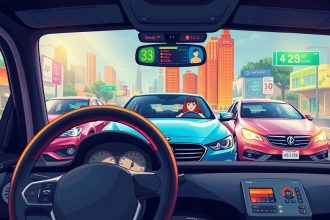
Across American cities, the evolution of urban spaces is directly influencing the expectations for luxury vehicles. As densely populated areas adapt to accommodate growing populations, the definition of what constitutes luxury is under review. No longer is it solely about opulent materials and powerful engines; the modern luxury vehicle must now respond to pressing societal needs.
Emerging Influences on Design
Several compelling factors are shaping the direction of luxury vehicle design in the automotive industry:
- Environmental Concerns: With climate change taking center stage, there’s a notable shift towards sustainability. Luxury brands are increasingly investing in electric and hybrid models, pushing the envelope on eco-friendly technology. Brands like Tesla and the luxury arm of brands such as BMW and Mercedes-Benz are leading this change, showcasing vehicles that combine opulence with zero-emission driving capabilities.
- Space Limitations: Urban living often comes with the challenge of limited parking space. As a result, manufacturers are emphasizing compact designs that prioritize efficiency without sacrificing luxury. The Mini Cooper and Audi Q2 are excellent examples of compact vehicles that pack impressive features into a smaller footprint, making them ideal for city-dwelling consumers.
- Technological Innovation: The integration of cutting-edge technology into luxury vehicles is no longer optional; it’s expected. Smart features, such as 360-degree cameras, advanced infotainment systems, and connected cars that communicate with smart city infrastructure, enhance the user experience and connectivity. Companies like Volvo and Lexus are pioneering in this area, making driving not just a mode of transportation but an immersive and connected experience.
The Functionality Revolution
In today’s evolving automotive landscape, functionality has gained equal footing with elegance in the realm of luxury vehicles. Key trends have emerged that reflect this paradigm shift:
- Autonomous Driving: As self-driving technology advances, luxury cars are increasingly transforming from mere transportation means to sophisticated mobile lounges. Companies such as Waymo and traditional automakers like Ford and General Motors are actively exploring how to integrate autonomous systems into their luxury offerings.
- Mobility as a Service: The traditional car ownership model is being disrupted by the rise of subscription services. Luxury brands are now offering flexible ownership options, allowing consumers to subscribe to vehicles for a specified period. Brands like Porsche and BMW are at the forefront of this trend, providing luxury experiences without the long-term commitment.
- Customization Options: Today’s consumers are looking for a personal touch to their luxury vehicles. Customization options are rapidly expanding, allowing buyers to tailor features and finishes to suit their individual lifestyles. Luxury manufacturers are leveraging this trend by offering bespoke services that range from special interior upholstery to personalized technology packages.
As the automotive industry embraces these changes, the convergence of urban mobility and design innovation presents a landscape rich with potential. This shift reveals not only an adaptation to current realities but also invites automotive enthusiasts and industry professionals to envision a future filled with exciting possibilities and groundbreaking advancements.
DON’T MISS: Click here to learn seasonal maintenance tips
Redefining Luxury in the Urban Context
The luxury vehicle market is undergoing a significant transformation as urban mobility trends reshape consumer expectations. The traditional markers of luxury, such as high horsepower, lavish interiors, and exclusive craftsmanship, are being redefined. Today’s affluent consumers demand more than just aesthetic appeal; they seek vehicles that enhance their urban lifestyles while also reflecting a commitment to sustainability and innovation.
Key Trends Shaping Luxury Vehicle Features
The future of luxury vehicles will be heavily influenced by several key trends that prioritize adaptability and sophistication, ensuring they meet the needs of urban dwellers:
- Multimodal Integration: Modern luxury vehicles are becoming part of a broader ecosystem of urban mobility options. More than ever, consumers expect their cars to integrate seamlessly with public transit and other transportation modes. Brands like Mercedes-Benz are already pioneering features that allow drivers to plan routes in conjunction with ridesharing and public transportation apps, enhancing overall efficiency in urban travel.
- Enhanced Safety Features: In bustling city environments, safety is of utmost importance. Luxury vehicles are now being designed with advanced safety technologies, such as adaptive cruise control, automated emergency braking, and pedestrian detection systems. For instance, Volvo has integrated its renowned safety features into luxurious models, guaranteeing a superior driving experience without compromising on security.
- Luxury and Sustainability Duality: The fusion of luxury with eco-consciousness is a powerful trend in the automotive industry. The future of luxury vehicles is leaning towards the use of sustainable materials and manufacturing processes, without sacrificing premium quality. Brands like Audi are utilizing recycled materials in their interiors while still providing a high-end aesthetic that today’s buyers expect.
- Connected Vehicles: Connectivity is becoming a cornerstone of the luxury vehicle experience. Infotainment systems equipped with Wi-Fi, real-time traffic updates, and over-the-air software updates ensure that luxury vehicles remain at the cutting edge of technology. Companies like Tesla continue to lead, offering features like autonomous driving capabilities and a unique user interface that keeps drivers and passengers engaged with their vehicle.
These trends are indicative of a broader shift in consumer behavior—one that prioritizes functionality alongside comfort and style. As luxury vehicle manufacturers respond to the demands of urban environments, they are innovating and evolving to create cars that not only reflect personal wealth but also resonate with the values of modern consumers.
The intersection of urban mobility and luxury vehicle design is creating a new paradigm that challenges automotive definitions. As we delve deeper into this evolution, it is clear that the future is one where luxury is no longer just an ornament, but a comprehensive experience that addresses both individual desires and collective responsibility.
| Category | Key Features |
|---|---|
| Sustainability | Luxury vehicles now incorporate eco-friendly materials and electric drivetrains, reducing their carbon footprint. |
| Technology Integration | Advanced connectivity features enable seamless integration with urban infrastructures, enhancing user experience. |
| Urban Adaptability | Designs are being tailored for urban environments, focusing on compactness and maneuverability. |
| Personalization | Consumers expect bespoke designs that reflect their individuality and lifestyle choices. |
The evolving landscape of urban mobility is not just reshaping luxury vehicle design but is also compelling manufacturers to adapt functionality to meet new city demands. For instance, the emphasis on sustainability is driving brands to incorporate more eco-friendly materials and advanced electric drivetrains. This shift not only lowers environmental impact but also appeals to a growing consumer base that prioritizes green technology in their luxury purchases.Moreover, technology integration is becoming a hallmark of contemporary luxury vehicles. As users seek convenience, the ability to connect seamlessly with smart city infrastructures is enhancing the driving experience, making urban travel more efficient. This brings forth the concept of urban adaptability, where designs focus on compactness and the ability to navigate dense metropolitan areas effortlessly. Lastly, personalization has emerged as a vibrant trend in the luxury market. Consumers are looking for vehicles that reflect their unique identities and lifestyles, leading manufacturers to offer a wide range of customization options. As luxury vehicles evolve, the intersection of urban mobility and design appears to be a fertile ground for innovation and consumer engagement, prompting a closer examination of what the future holds for this segment.
DISCOVER MORE: Click here to learn about the electric vehicle revolution
Transformative Technologies and Urban Mobility
As urban living continues to evolve, so do the technologies that support it. Luxury vehicle manufacturers are increasingly investing in advanced technologies to ensure that their cars are equipped to handle the unique challenges posed by city environments. Integration of these technologies not only increases the vehicles’ functionality but also enhances the overall driving experience.
Electrification: The New Standard for Urban Luxury
Electrification is at the forefront of the luxury automotive revolution. With cities worldwide implementing stricter emissions regulations, luxury brands are pivoting toward electric and hybrid vehicles. Notable examples include Porsche’s Taycan and BMW’s i4, which offer both performance and sustainability without compromising the luxurious feel consumers expect. Current projections indicate that by 2030, at least 50% of luxury vehicle sales in the United States could be comprised of electric models, reflecting the profound shift towards respecting environmental responsibilities while catering to high-end preferences.
Smart City Connectivity
The rise of smart cities is transforming how luxury vehicles interface with urban infrastructure. This integration of technology includes features that allow vehicles to communicate with traffic signals, road sensors, and smart parking solutions. For example, Ford’s Sync 4 system enables real-time integration with navigation data to identify the most efficient routes that consider traffic patterns, which is particularly valuable in dense urban areas. This symbiotic relationship not only improves the driver’s experience but also contributes to an overall more fluid urban mobility ecosystem.
Personalization and User-Centric Design
Luxury is increasingly being redefined by personalization, allowing consumers to curate their driving experiences based on individual preferences. This trend is facilitated by technology that allows users to customize not only the vehicle’s aesthetics but also its features. For instance, companies like Genesis are innovating with in-car AI systems that learn from drivers’ habits to optimize settings for comfort and utility. Additionally, features such as adjustable ambient lighting, climate control, and bespoke sound systems empower drivers to create their own luxurious environments reflective of their lifestyles.
The Shared Economy and Luxury Car Ownership
The emergence of the shared economy has not bypassed the luxury segment. As millennials and Gen Z consumers rethink traditional ownership models, luxury brands are exploring options for subscription services or car-sharing platforms. Brands like Audi and Porsche have already made strides in this space, offering tailored subscriptions that provide access to a rotating roster of luxury vehicles. This model not only makes luxury more accessible but also diversifies the consumer experience, aligning well with the urbanization trends that favor flexibility and sustainability.
In this transformative landscape, the evolution of luxury vehicles reflects an acute awareness of the changing dynamics of urban life. As consumers seek vehicles that mirror both their aspirations and their collective societal responsibilities, luxury manufacturers are compelled to transcend traditional definitions. The ongoing innovations promise a future where luxury vehicles are as much about the ethical consideration as they are about unparalleled performance and aesthetics, adapting beautifully to the urban mobility challenge.
DISCOVER MORE: Click here to learn how to check your car at home
Conclusion
The landscape of luxury vehicles is undergoing a fascinating transformation, shaped by the imperatives of urban mobility and technological advancements. As cities grow more congested and environmental concerns become increasingly critical, luxury automotive brands are redefining what it means to be both prestigious and responsible. The shift towards electrification signifies not just compliance with regulations but also an embrace of sustainable luxury, inviting affluent consumers to experience the thrill of high-performance while treading lightly on the planet.
Moreover, the integration of smart city connectivity is set to revolutionize how luxury vehicles operate, blurring the line between car and mobile device. These vehicles are not merely modes of transport; they are becoming integral components of a broader urban ecosystem, streamlining commutes and enhancing city life. Personalization and user-centric design are also essential trends, equipping drivers with the tools to curate their driving experiences and meet their unique lifestyles.
In a world where the shared economy is reshaping traditional notions of ownership, luxury brands are adapting to meet new consumer preferences. Subscription models and car-sharing options reflect a modern take on accessibility, allowing younger generations to enjoy luxury without the burden of ownership. This ongoing dialogue between luxury and utility will continue to guide manufacturers as they innovate.
In summary, as luxury vehicles evolve in response to urban mobility challenges, they will be marked not only by superior aesthetics and performance but also by a commitment to sustainability, personalization, and connectivity. The future of luxury is bright, diverse, and deeply intertwined with the cities we inhabit, promising an exciting new era for automotive enthusiasts and urban dwellers alike.