
Transformative Technology on the Horizon
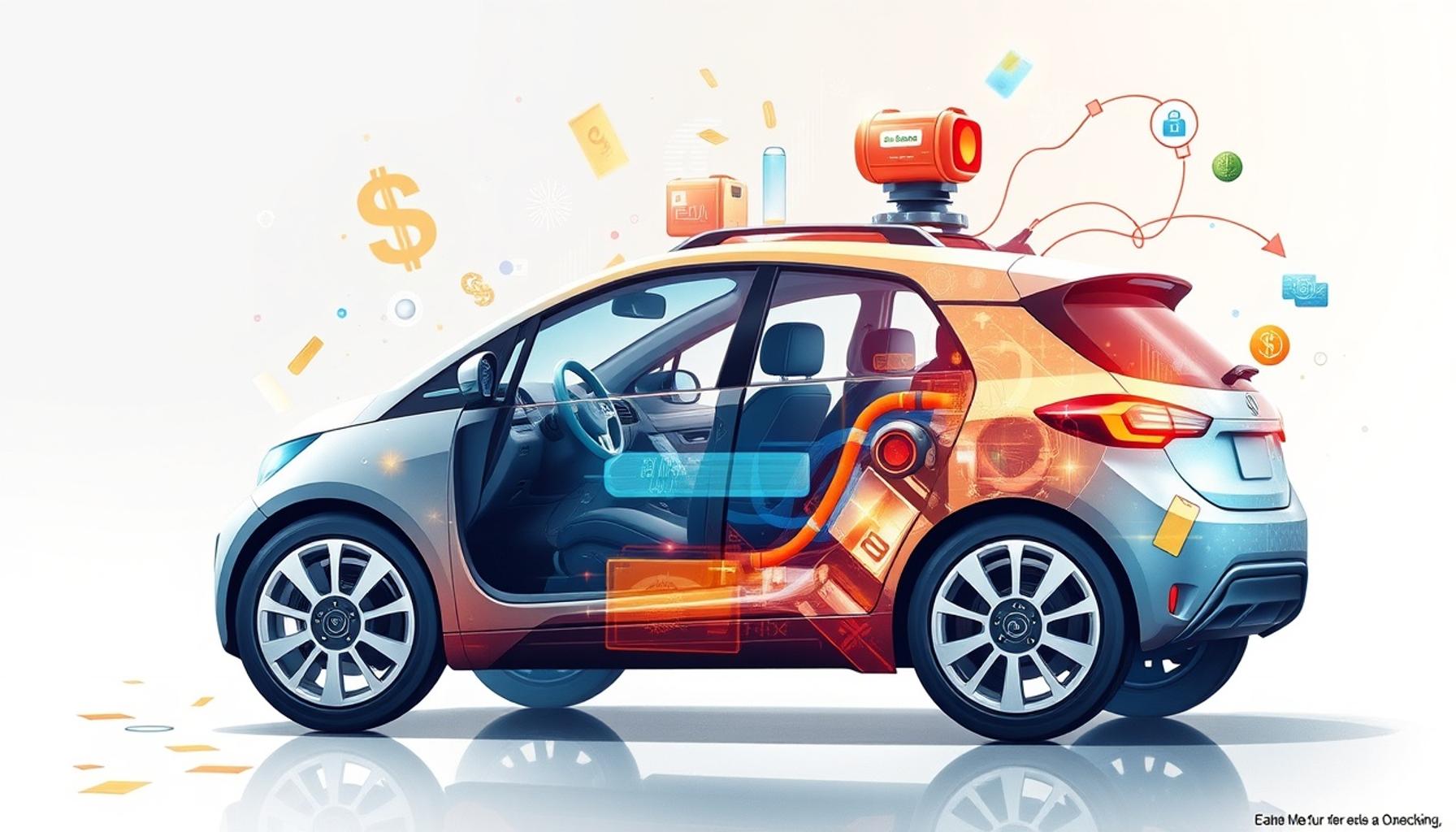
The automotive industry is currently experiencing unprecedented upheaval, primarily influenced by the rising demand for more efficient and sustainable energy solutions. A key innovation emerging from this landscape is solid-state battery technology, a new frontier that stands to revolutionize how electric vehicles (EVs) operate. Unlike traditional lithium-ion batteries, solid-state batteries utilize a solid electrolyte, leading to significant advancements in performance and longevity, ultimately addressing many of the challenges associated with current battery technologies.
One of the most remarkable benefits of solid-state batteries is their higher energy density. This feature allows electric vehicles to travel greater distances on a single charge, which is crucial for enhancing the appeal and operability of EVs. For example, while most conventional EVs offer ranges between 200 to 300 miles, solid-state batteries could potentially enable ranges exceeding 500 miles, significantly reducing “range anxiety” for consumers.
Safety is another critical advantage of solid-state batteries. They have been shown to have enhanced safety profiles, which drastically reduce the chances of fires and hazardous leaks—a concern that has been highlighted by several past incidents linked to lithium-ion batteries. With solid-state technology, the solid electrolyte is less likely to combust compared to the flammable liquid electrolytes used in traditional batteries, creating a safer environment for users and manufacturers alike.
Additionally, solid-state batteries come with an improved lifespan, showing potential to last significantly longer than their lithium-ion counterparts. This longevity can lead to lower costs over time for consumers and less frequent battery replacements, ultimately presenting a more sustainable option for both individuals and the automotive industry. Some experts predict that solid-state batteries could last up to twice as long, making them an attractive alternative for those who prioritize sustainability and longevity.
In the United States, a competitive race is taking place among automakers to adopt these cutting-edge solutions. Companies like Tesla, Toyota, and BMW are not just passively observing this shift; they are actively investing substantial resources into the research and development of solid-state technologies. This commitment signals a strong belief in the transformative potential of these batteries and reflects the industry’s broader goal of reducing carbon emissions while increasing efficiency.
However, while the benefits of solid-state battery technology are substantial, challenges also loom. These include high production costs and the complexities of scaling manufacturing processes efficiently. Overcoming these hurdles will be vital for making solid-state batteries a mainstream option in the automotive market. The journey towards cleaner, safer, and more efficient electric vehicles could redefine transportation as we know it, positioning solid-state batteries as a critical focal point for consumers, automakers, and policymakers.
As this exciting technology develops, stakeholders must remain vigilant about both its potential and its pitfalls, ensuring that the shift towards more sustainable transportation is not only achievable but practical for all. The narrative surrounding solid-state battery technology is one of opportunity and challenge—a complex interplay that will undoubtedly shape the future of automotive innovation.
DIVE DEEPER: Click here to learn more
Unlocking New Potential: The Impacts of Solid-State Batteries on Electric Vehicles
The shift towards solid-state battery technology is not just a minor tweak in the existing framework of electric vehicles; it’s a potential game-changer that could redefine the entire landscape. As automakers, policymakers, and consumers increasingly invest in sustainable alternatives, the urgency to adopt efficient energy storage solutions has never been more pressing. This transformation is driven by the need for more sustainable, practical, and efficient electric vehicles, making the development and mass adoption of solid-state batteries a priority.
One pivotal aspect fueling interest in solid-state batteries is their energy density. Typically, these batteries can store significantly more energy in the same amount of physical space, enabling manufacturers to design EVs with longer ranges without increasing the size of the battery pack. This increase in energy density not only provides added convenience to drivers but also allows automakers to reduce the overall weight of vehicles, enhancing efficiency and performance. The potential to push ranges beyond 500 miles could bring electric vehicles closer in range to traditional gasoline-powered cars, bridging a gap that has historically deterred consumers from making the switch.
Aside from range improvement, another cornerstone of solid-state battery technology is its rapid charging capabilities. With the ability to charge significantly faster than traditional batteries, consumers could recharge their vehicles in mere minutes rather than hours. This revolutionary change could mitigate one of the most pressing concerns for consumers, making electric vehicles more viable for long-distance travel and daily commuting alike. The prospect of rapid refueling aligns perfectly with the pace of modern life, where time is of the essence.
Furthermore, solid-state batteries also promise significant cost reductions over their lifespan, particularly as manufacturing processes mature. Experts believe that while the initial investment in solid-state technology may be high, the overall cost-effectiveness will improve dramatically in the long term. As production scales up and materials become more readily available, these batteries could provide a lower total cost of ownership compared to conventional lithium-ion batteries. This financial advantage could enhance market adoption, making electric vehicles accessible to a broader audience.
Considering the ongoing challenges surrounding battery recycling and sustainability, solid-state batteries also offer remarkable environmental benefits. By utilizing non-flammable materials as electrolytes, the lifecycle impact of these batteries tends to be lower than traditional lithium-ion batteries, which often pose disposal and recycling challenges. The innovation in solid-state technology could lead to a more sustainable solution to the battery waste crisis, aligning perfectly with the principles of a circular economy.
- Enhanced Energy Density: Allows for greater range and reduced weight.
- Rapid Charging: Speeds up the refueling process, making EVs more convenient.
- Cost Reductions: Potential for lower total ownership costs.
- Environmental Benefits: Fewer recycling challenges and sustainability concerns.
The automotive industry is at a pivotal juncture; as solid-state batteries continue to evolve, they represent not just an incremental improvement but a significant leap forward in automotive innovation. By addressing existing limitations while presenting new possibilities, solid-state battery technology could reshape the future of electric vehicles, providing a roadmap towards more efficient and sustainable transportation solutions. With such promising attributes, solid-state batteries are set to alter the consumer narrative around electric vehicles, encouraging widespread adoption and ultimately contributing to a cleaner future.
Solid-state batteries are revolutionizing the automotive industry, promising enhanced performance and reliability for electric vehicles (EVs). These batteries utilize a solid electrolyte, which offers several key advantages over traditional lithium-ion batteries. One notable aspect is their improved energy density. Solid-state batteries can achieve a higher energy capacity in a smaller and lighter form, which translates to longer driving ranges for EVs. This is crucial as range anxiety is a significant barrier for consumers considering electric vehicles. By enhancing the energy density, manufacturers can offer vehicles that travel farther on a single charge, making them more competitive with internal combustion engine vehicles.Moreover, solid-state batteries exhibit superior safety characteristics. The use of solid electrolytes significantly reduces the risk of flammability that is often associated with liquid electrolyte batteries. This is vital for manufacturers aiming to enhance consumer confidence in EV technology and for meeting stringent safety regulations. Furthermore, the solid design minimizes the potential for dendrite formation—a common issue with lithium-ion batteries that can lead to short circuits.Another compelling feature is the battery’s lifecycle longevity. Solid-state batteries have the potential to last significantly longer than their liquid counterparts, which often degrade after several hundred charge cycles. This longevity not only provides economic benefits for consumers but also supports sustainability efforts by reducing battery waste in the environment.As automotive companies race to develop and implement solid-state battery technology, they are embarking on various research initiatives and partnerships to overcome current manufacturing challenges. This shift towards solid-state technology can be seen as an essential step toward accelerating the transition to green transportation and fulfilling global climate goals. The integration of solid-state batteries into EVs not only positions these vehicles as safer, more efficient, and longer-lasting, but also paves the way for innovative applications beyond the automotive sector, such as in renewable energy storage systems. The evolution of this technology heralds a promising future for electric mobility, aligning with the broader demands of sustainable development and energy efficiency.
DIVE DEEPER: Click here to learn about the future of sustainable driving
Driving Forward: The Technological Advancements and Challenges of Solid-State Batteries
While the potential of solid-state batteries in electric vehicles (EVs) is invigorating, it is equally important to acknowledge the technological advancements that come with these innovations as well as the challenges that lie ahead. As researchers and manufacturers push the boundaries of what is possible, several important aspects merit deeper exploration to fully understand the landscape of solid-state technology.
One significant advancement in solid-state batteries is the development of solid electrolytes. Unlike conventional lithium-ion batteries that rely on liquid electrolytes, solid electrolytes enhance ion conductivity and overall safety profiles. These solid materials, which can include oxides and sulfides, not only reduce the risk of leaks but also allow for a higher voltage operation. This translates to better efficiency, as solid-state batteries can deliver more power with less heat generation. A notable example is the collaboration between major automotive companies and startups like QuantumScape, which reported breakthroughs in their solid-state battery prototype that achieved an energy density exceeding 400 Wh/kg — a feat not attainable with traditional battery designs.
Moreover, the integration of solid-state technology supports the scalability of sustainable manufacturing practices. With innovations such as the use of less toxic materials and simpler recycling processes, solid-state batteries are paving the way toward a more sustainable automotive supply chain. Projects spearheaded by companies such as Toyota and BMW are exploring how to produce batteries with diminished environmental impact, further promoting the adoption of electric vehicles as environmentally friendly options. The focus is on building a battery lifecycle that not only conserves resources but also prioritizes reducing carbon footprints in every phase, from production to end-of-life recycling.
However, as the potential of solid-state batteries expands, so do the challenges associated with their widespread adoption. One of the major hurdles is the high manufacturing cost of solid-state batteries compared to traditional lithium-ion systems. The materials and processes currently required to produce solid batteries at scale can be prohibitively expensive. Although prices are anticipated to decline as technology matures, manufacturers face the ongoing task of balancing cost and performance without compromising quality. The journey from prototype to mass production will demand significant investment and innovation, leaving room for extensive research and development efforts.
Furthermore, while solid-state batteries offer improved safety properties, challenges related to their thermal management and mechanical stability are still being investigated. Solid materials can face different mechanical stresses compared to liquids, potentially leading to issues like cracking or delamination within the battery structure. Ensuring durability over a battery’s lifecycle remains critical, especially in the automotive sector where reliability is paramount.
Despite these challenges, the implications of solid-state batteries extend beyond just enhancements in performance and cost. Their introduction heralds a new era of smart mobility solutions, enabling the development of complementary technologies such as vehicle-to-grid systems and advanced charging infrastructure. In conjunction with solid-state batteries, innovations like wireless charging and energy-sharing networks may provide both convenience and efficiency, addressing fundamental needs of contemporary city-dwellers.
- Innovative Solid Electrolytes: Enhances safety and efficiency with higher voltage operations.
- Sustainable Manufacturing Practices: Focus on reduced toxic materials and easier recycling processes.
- Cost Challenges: Ongoing efforts required to reduce production costs for mass adoption.
- Thermal Management: Addressing mechanical stability and durability for reliability in automotive applications.
The unveiling of solid-state batteries holds immense possibilities for the automotive industry, driving both technological advancements and sustainability efforts. Through continued research and innovation, these batteries may very well propel the future of electric vehicles into an era marked by unprecedented efficiency, safety, and environmental harmony. As we delve deeper into this transformative technology, the potential for solid-state batteries to reshape our automotive landscape becomes even more pronounced.
LEARN MORE: Click here for essential insights
Conclusion: Paving the Road Ahead with Solid-State Batteries
As we stand on the verge of a new era in the automotive industry, solid-state batteries represent not just an innovation but a foundational shift that could redefine electric vehicles. The promise of higher energy density, improved safety, and sustainable manufacturing practices heralds a future where EVs are not only more efficient but also more accessible and environmentally responsible. Collaborations among tech startups and traditional automotive giants illustrate the growing consensus that solid-state technology could address the long-standing limitations plaguing current battery systems, particularly regarding range anxiety and charging times.
While the journey to mass adoption is fraught with challenges—including high manufacturing costs, thermal management issues, and material stability—it is essential to recognize the rapid advancements being made in research and development. With the automotive sector’s increasing commitment to zero-emission vehicles and smart mobility solutions, solid-state batteries might be the catalyst needed to propel widespread acceptance and integration of electric vehicles into everyday life.
As consumers and manufacturers alike embrace this transformative technology, we are likely to witness a vibrant ecosystem of electric vehicles enhance our cities and transportation infrastructures. Innovations such as vehicle-to-grid systems, wireless charging, and energy-sharing initiatives will flourish in conjunction with solid-state batteries, reshaping the way we think about mobility. Ultimately, the roles that solid-state batteries will play in automotive innovation promise not only to revolutionize the driving experience but also to pave the way for a sustainable and energy-efficient future.