Revolutionizing the Road
In recent years, the automotive industry has witnessed a remarkable shift towards connectivity technology. Driven by the Internet of Things (IoT), cars are becoming smarter and increasingly integrated into our digital lives. This evolution is not just about convenience; it is fundamentally transforming the entire driver experience.
The Main Features of IoT in Cars
- Real-time navigation: Modern GPS systems are equipped with live traffic data, enabling them to adapt routes based on conditions such as congestion or accidents. For example, Google Maps can reroute drivers instantaneously, significantly reducing travel time and frustration.
- Vehicle-to-everything communication: This technology allows vehicles to interact with traffic signals, nearby infrastructure, and even other vehicles on the road. Such interactions can enhance safety by alerting drivers about potential hazards or upcoming roadwork, mitigating the risk of accidents.
- Remote diagnostics: Cars today can proactively monitor their systems and alert drivers about issues before they escalate into serious problems. With features like tire pressure sensors and engine health monitors, drivers can receive notifications on their smartphones, ensuring timely maintenance and reducing the likelihood of breakdowns.
- Smart infotainment systems: Entertainment and connectivity have never been more seamless. Wired or wireless Apple CarPlay and Android Auto allow drivers to access their favorite apps, music, and messages without taking their eyes off the road, keeping them engaged yet safe during their journeys.
Statistics reveal that by 2025, nearly 75% of all cars sold will feature some form of connectivity. This growth underscores the increasing demand for enhanced safety features, improved fuel efficiency, and more personalized driving experiences. Companies like Tesla are leading the charge, implementing over-the-air software updates that continuously enhance vehicle capabilities without the need for mechanical service visits.
Future Implications
The impact of IoT in cars extends beyond individual benefits; it presents a suite of challenges and opportunities for manufacturers, policymakers, and tech developers alike. For instance, as cars become more connected, cybersecurity becomes a pressing concern, necessitating robust measures to protect vehicles from potential cyber threats.
As we explore the transformation of the driver experience, we uncover that these technologies are not just about convenience. They are redefining the entire landscape of transportation. Autonomous vehicles, powered by IoT, could reshape urban planning and reduce traffic congestion, presenting an exciting paradigm shift for cities. With smart city initiatives gaining traction in locations like San Francisco and Los Angeles, the interplay between connected vehicles and smart infrastructure may hold the key to a more efficient future.
In summary, the future of connectivity technology in automobiles is bright and filled with potential. As innovations continue to emerge, they promise to not only enhance daily commutes but also revolutionize the way we conceive mobility in the broader context of our digital age.
DISCOVER MORE: Click here to learn about the impact of weather on driving safety
Driving into the Digital Age
The integration of connectivity technology in automobiles marks a pivotal transformation in how we navigate our world. This change, largely driven by the Internet of Things (IoT), opens up a wealth of opportunities and functionalities that redefine the driver experience. Gone are the days of passive driving—today’s vehicles are equipped with intelligent systems that adapt to our needs, streamline our journeys, and prioritize safety in unprecedented ways.
Enhanced Navigation and Safety Features
At the forefront of this transformation is the evolution of navigation. Modern vehicles boast sophisticated real-time navigation systems that utilize live traffic information to optimize routes dynamically. These systems not only save time but also significantly enhance safety by reducing the chances of drivers getting stuck in traffic jams or on accident-prone roads. With platforms like Waze and Google Maps continuously updating traffic conditions, drivers can receive suggestions on alternative routes in an instant, reflecting a dramatic leap forward from traditional, static maps.
Additionally, vehicles are now capable of vehicle-to-everything (V2X) communication. This groundbreaking technology allows cars to interact with traffic lights, other vehicles, and even public infrastructure. For instance, if a car detects that a nearby intersection’s light is about to turn red, it can warn the driver ahead of time, potentially preventing accidents. According to a report by the National Highway Traffic Safety Administration, V2X technology could reduce crashes by up to 80%, making our roads significantly safer.
Predictive Maintenance and Diagnostics
Another vital aspect of IoT-enabled cars is their capacity for remote diagnostics. These vehicles gather data from various sensors to monitor engine performance, tire health, and battery status, sending real-time updates to drivers’ smartphones. This proactive approach ensures that potential problems are identified early, allowing drivers to address issues before they escalate. In a country where reliability on the road is paramount, such features can substantially reduce the risk of unexpected breakdowns.
Smart Infotainment and Connectivity
The connectivity revolution extends to the in-car experience as well, where smart infotainment systems have become a staple in modern vehicles. With the advent of technologies like Apple CarPlay and Android Auto, drivers can seamlessly connect their smartphones to the car’s interface, providing access to navigation, messaging, streaming music, and countless other applications. This integration not only enhances entertainment options but also helps maintain focus on the road, minimizing distractions that could lead to accidents.
As this connectivity landscape evolves, statistics indicate that by 2025, around 75% of all vehicles sold are expected to incorporate some form of connectivity. This surge is driven by consumer demands for enhanced safety features and personalized experiences, reflecting a broader trend in the automotive sector toward technological advancement.
The future of driving is steering toward a realm where vehicles are not just modes of transport but are integrated companions in our daily lives, transforming the way we think about travel, safety, and efficiency on the road.
Connectivity Technology and Its Impact on Driver Safety
Connectivity technology in cars is not only revolutionizing the way drivers interact with their vehicles but is also significantly enhancing safety features. With the integration of IoT, vehicles can now communicate with one another and with infrastructure elements on the road. This capability is known as Vehicle-to-Everything (V2X) communication, which aims to reduce accidents and improve traffic conditions.For example, IoT-enabled vehicles can share real-time information about road hazards, traffic congestion, and weather conditions. This data is invaluable for drivers, as it allows them to make informed decisions, helping to avoid potentially dangerous situations. Additionally, advanced driver-assistance systems (ADAS), such as automatic emergency braking and lane-keeping assistance, leverage this connectivity to provide a smarter, safer driving experience.Moreover, the ability for cars to receive over-the-air (OTA) updates ensures that safety protocols and software are always up-to-date. This means new safety features can be implemented without the need for a physical visit to a service center, keeping drivers safer on the road as technology evolves.
Enhancing Convenience through Connectivity
The driver experience has also been enriched through various conveniences brought forth by connectivity technology. One significant aspect is the integration of smart personal assistants. Drivers can now use voice commands to control navigation, music, and even vehicle settings without taking their hands off the wheel. This interaction not only provides a seamless driving experience but also reduces distractions significantly.Moreover, smartphone integration has taken a new leap with connectivity. Features like remote start, location tracking, and diagnostic checks are now available right from a smartphone application. Imagine being able to start your car on a chilly morning or check tire pressure through your mobile device. Such features not only add to the convenience but also enhance the overall ownership experience.In summary, connectivity technology is reshaping the automotive landscape, contributing to improved safety and convenience for drivers. As these innovations continue to develop, they pave the way for a future where driving is not only more enjoyable but also safer and more efficient.
DISCOVER MORE: Click here to learn about the future of driving safety
Driving Personalization and Convenience
As connectivity technology continues to advance, the potential for personalized experiences in cars grows exponentially. Today’s intelligent vehicles are not just enhancing safety and navigation; they are also catering to individual driver preferences, creating a unique and tailored driving environment. Through advanced algorithms, these cars can learn a driver’s habits, preferences, and routines, ensuring an optimized experience for each journey.
Customizable User Interfaces
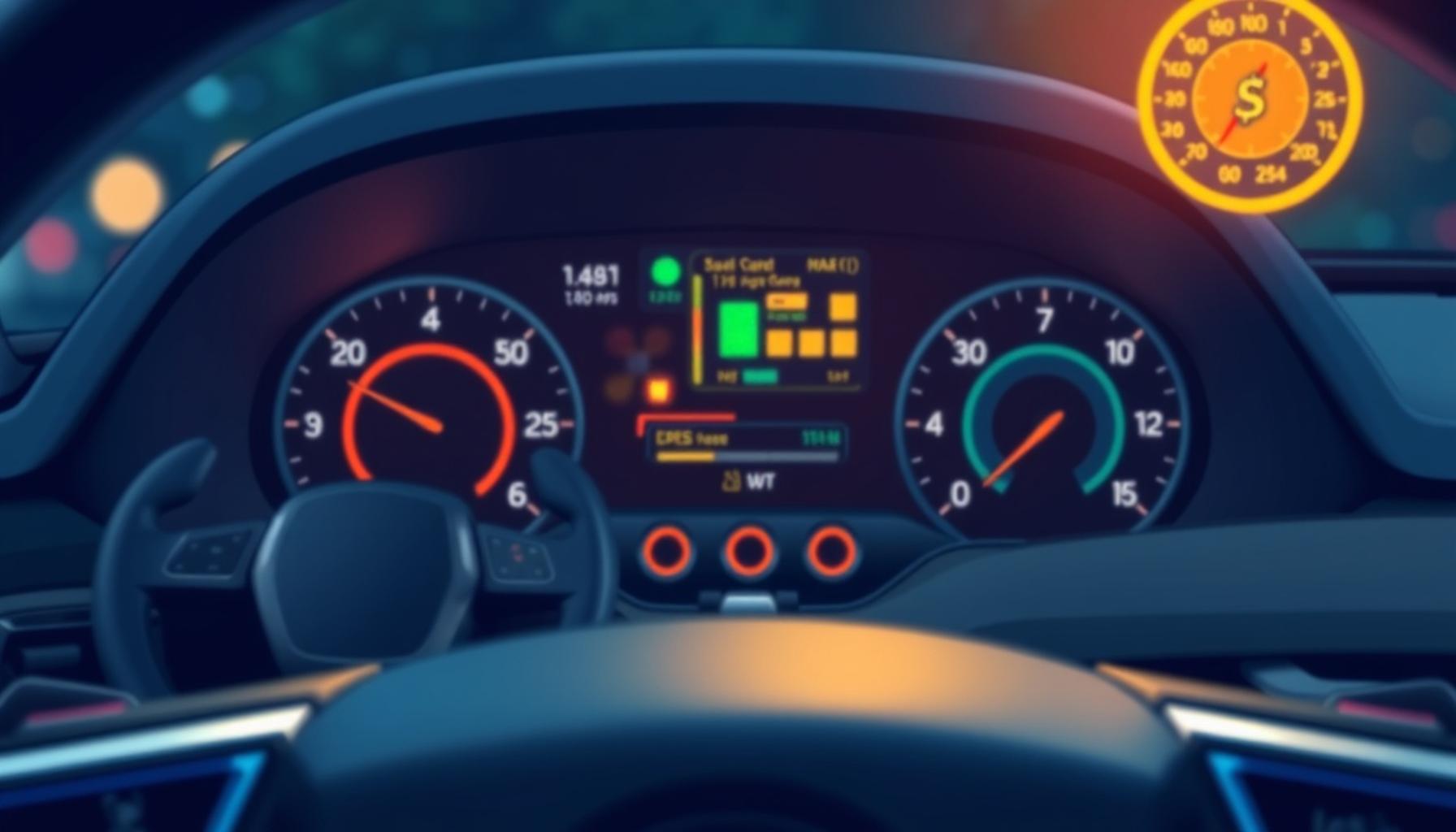
Modern vehicles often feature customizable dashboards equipped with touchscreens that can change based on user preferences. Drivers can personalize their interface, choosing favorite apps and widgets to appear prominently, enabling quick access to music, navigation, or even social media. Some systems go a step further, utilizing voice recognition technology to allow drivers to make commands hands-free, letting them focus on the road ahead. According to a report from J.D. Power, more than 40% of consumers expressed interest in cars that could adapt to their personal preferences, indicating a strong demand for tailored technology.
Smart Climate Control Systems
Another breakthrough in the realm of connectivity is the advent of smart climate control systems. Utilizing data from external weather conditions and internal cabin feedback, these systems can automatically adjust the temperature and air quality in the vehicle. This feature not only enhances comfort but also optimizes energy consumption, an essential asset for electric vehicle owners. For instance, if a driver usually sets the temperature to 72°F on warm days, the vehicle can learn this pattern and adjust automatically, providing a consistently pleasant environment from the moment they enter.
Remote Access and Control
The integration of connectivity technology also grants users the ability to access and control their vehicles remotely. Through dedicated mobile applications, drivers can perform various functions such as locking/unlocking doors, monitoring the vehicle’s location, and even starting the engine from afar. This capability is particularly useful in urban settings, where parking may be challenging or when drivers need to precondition their vehicle in extreme weather conditions. Additionally, many manufacturers now offer features that allow drivers to send destinations directly to their vehicle’s navigation system via a smartphone, reducing the need for input while driving.
Over-the-Air Updates
Connectivity technology in cars is paving the way for over-the-air (OTA) updates. Similar to how smartphones receive updates, vehicles can now undergo software enhancements without needing a trip to the dealership. This process ensures that drivers benefit from the latest features and bug fixes, improving functionality over time. Recent studies indicate that nearly 90% of automobile manufacturers are investing in OTA technology, showcasing its growing importance as a vehicle feature. By ensuring that cars can continuously evolve, manufacturers are not merely selling a product but instead offering a service that enhances longevity and reliability.
The continuous integration of connectivity technology ensures that the automotive landscape remains vibrant and innovative. As we embrace this digital age, the driver experience will only become more enriched and connected, moving towards a future where vehicles embody a fusion of personal and technological sophistication.
DIVE DEEPER: Click here to learn more about electric vehicle innovations
Conclusion
The transformation brought about by connectivity technology in vehicles is nothing short of revolutionary, ushering in a new era that leverages the Internet of Things to redefine the driver experience. The integration of advanced features—ranging from customizable user interfaces to smart climate control systems—highlights a shift in focus from merely transportation to personalized mobility solutions that cater to the individual user.
With the ability to control vehicles remotely and receive over-the-air updates, drivers are not just passive passengers; they actively engage with ever-evolving technology that enhances both performance and enjoyment of their driving experience. The data-driven insights gathered from connectivity technologies allow vehicles to adapt dynamically to the preferences and habits of their drivers, ensuring a seamless and enjoyable ride every time.
As the automotive industry continues to innovate, investments in connectivity technology promise not just enhanced comfort but also improved safety and efficiency. A 2023 report indicates that nearly 70% of vehicles sold in the U.S. will likely feature some level of connectivity by 2025. This trend emphasizes the growing importance of an interconnected ecosystem where cars can communicate with each other and their surroundings, contributing to smarter urban infrastructures.
Looking ahead, the potential for the symbiosis between human needs and technological advancement in the automotive sphere suggests that the future of driving is more than a means to an end; it is set to become a rich tapestry of experiences, where connectivity and personalization take center stage. For avid car enthusiasts and everyday drivers alike, this digital revolution stands to make each journey not only more efficient but also profoundly more engaging.