
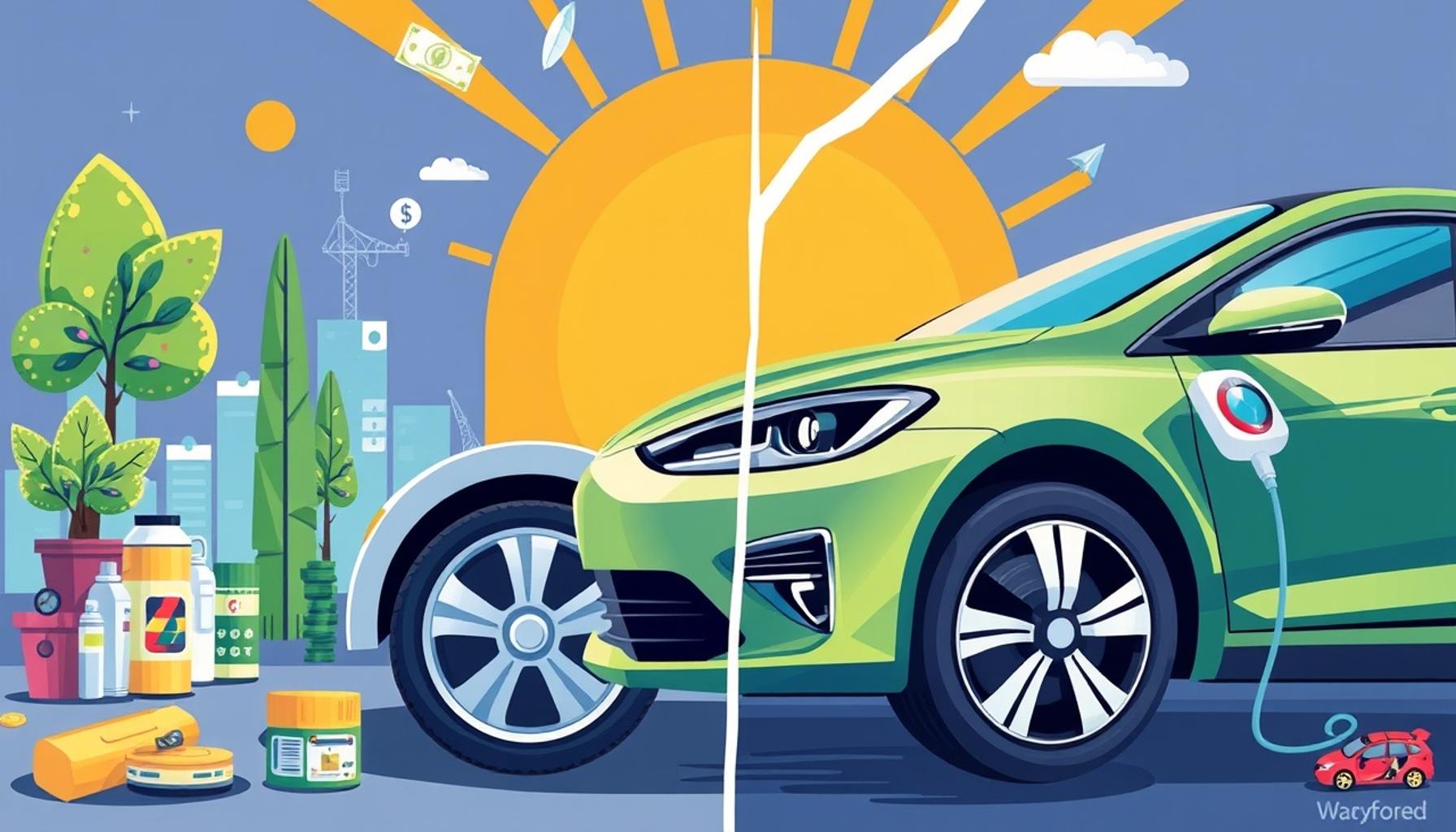
Exploring Eco-Friendly Vehicle Options
Selecting a vehicle today involves much more than mere transportation; it calls for a thoughtful approach that considers the vehicle’s impact on the ecosystem. As awareness of environmental issues rises, consumers are increasingly turning to eco-friendly cars such as hybrids and electric vehicles (EVs). These options provide not only innovative technology but also a practical means of reducing one’s carbon footprint.
Hybrid cars harness the power of both a traditional gasoline engine and an electric motor. This combination allows for enhanced fuel efficiency, making them an attractive choice for a variety of driving conditions. For instance, hybrid vehicles can switch between their gas engine and electric motor, depending on driving speed and conditions, which optimizes fuel consumption. Brands such as Toyota and Honda offer well-regarded hybrid models that have proven reliability and impressive gas mileage, appealing to those who enjoy longer journeys without constantly worrying about refueling.
On the other hand, electric vehicles (EVs) operate solely on electricity, leading to no tailpipe emissions. This is particularly beneficial in urban areas where air quality suffers due to pollution. Popular models, like the Tesla Model 3 and the Nissan Leaf, have made electric driving more accessible for everyday users. Moreover, as technology advances, EVs are becoming increasingly affordable and efficient, with ranges expanding significantly. Many new models can travel over 300 miles on a single charge, making them suitable for both city commuting and longer road trips.
Key Considerations When Choosing Your Eco-Friendly Vehicle
As you weigh the advantages of hybrids and EVs, it’s essential to consider several critical factors:
- Driving Range: How far do you typically travel on a daily basis? Hybrids may be more beneficial for long-distance trips where gas stations are frequent, while EVs shine in urban settings, where charging can be readily accessed.
- Charging Infrastructure: The availability of charging stations can greatly influence your decision. In urban areas, charging stations are becoming abundantly available with networks like ChargePoint and Electrify America expanding rapidly. However, in rural areas, potential EV owners may find charging options limited, affecting convenience.
- Environmental Impact: Both vehicle types contribute to tailpipe emission reductions, but the level of environmental benefit can vary. For example, an individual who drives a lot may benefit more from a hybrid, while someone with short daily commutes may find an EV to be more advantageous.
In the United States, selecting between hybrids and electrics is primarily a personal choice that aligns with your lifestyle and values. As the automotive market continues to evolve, further innovations promise to enhance both types of vehicles, making them even more appealing. Are you prepared to further explore the unique benefits and challenges associated with these eco-friendly options? With the increasing availability of resources and technologies, now is an ideal time to consider a greener choice for your next vehicle.
DISCOVER MORE: Click here to learn about the evolution of luxury vehicles
Understanding the Advantages of Hybrid and Electric Vehicles
As you delve deeper into the world of eco-friendly vehicles, understanding the distinct advantages each option offers will help you make an informed decision aligned with your lifestyle and driving habits. Both hybrids and electric vehicles (EVs) come with their unique features that cater to varying needs, ultimately driving you toward a greener alternative.
Hybrid vehicles, with their dual power sources, offer a compelling blend of efficiency and convenience. They typically emit fewer greenhouse gases than their conventional counterparts while allowing you to rely on gasoline when electric range runs out. Moreover, hybrids come equipped with regenerative braking technology that converts kinetic energy into electric power, which is stored for later use, further enhancing fuel efficiency. This makes hybrids particularly appealing for those who frequently tackle long-distance drives or live in areas with limited charging stations. Key hybrid models, such as the Toyota Prius and Honda Insight, showcase outstanding fuel economy ratings, often exceeding 50 miles per gallon, giving you more mileage between fuel stops.
Conversely, electric vehicles represent a significant leap in terms of sustainability. Operating entirely on electricity, they produce no tailpipe emissions, which makes them especially beneficial for urban environments plagued by poor air quality. The ongoing advancements in battery technology have led to impressive charging capabilities, allowing many modern EVs to be charged in a matter of hours. For example, models like the Ford Mustang Mach-E and Chevrolet Bolt EV not only offer robust ranges upwards of 250 miles but also boast a reduction in overall maintenance costs, as they have fewer moving parts compared to hybrids or gasoline vehicles. Furthermore, EV owners may find financial incentives available, such as federal tax credits and state rebates, which can significantly mitigate initial purchase costs.
Key Factors to Inform Your Decision
When choosing between hybrids and EVs, there are essential elements to contemplate that could impact your decision:
- Cost of Ownership: Evaluating the initial purchase price versus long-term savings is crucial. While EVs may have higher upfront costs, federal incentives might balance that out. Additionally, consider the savings on fuel and maintenance.
- Charging Time: How often you need to charge can greatly affect your daily routine. EVs can take longer to charge at home or a public station compared to the fuel efficiency of hybrids, offering convenience for those always on the go.
- Performance and Comfort: Driving style can influence your choice; hybrids often offer a smoother drive by switching seamlessly between gas and electric modes, while EVs deliver powerful torque and acceleration.
Choosing between a hybrid and an electric vehicle translates into finding the right match for your driving habits, lifestyle, and environmental aspirations. Understanding the nuances of each option will guide you as you make a choice that not only enhances your daily life but also contributes positively to the planet. As the market continues to innovate and expand, staying informed empowers you to select the most eco-friendly option that aligns with your values.
When considering the choice between hybrid and electric vehicles, it’s essential to delve deeper into the unique qualities that define each. Hybrid cars combine a traditional gasoline engine with an electric motor, allowing for greater flexibility in terms of fuel sources. This means they can run on gasoline when the battery is depleted, providing peace of mind for long drives without the need to recharge frequently. Moreover, hybrids typically offer better fuel efficiency compared to conventional gasoline vehicles, which can lead to considerable savings at the pump over time. The integration of regenerative braking systems further enhances energy efficiency, allowing hybrids to recharge their batteries through the energy generated during braking.
On the other hand, fully electric vehicles (EVs) operate solely on electric power, harnessing the energy stored in batteries. This zero-emission characteristic is a significant draw for environmentally-conscious consumers. Electric cars often feature lower maintenance costs since they have fewer moving parts compared to hybrids or traditional vehicles. Additionally, as charging infrastructure continues to improve, many areas now offer convenient options for EV owners to recharge their vehicles at home or at public charging stations. The rapid advancements in battery technology are also leading to increased driving ranges, making electric cars more practical for everyday use.
| Category | Key Features |
|---|---|
| Hybrid Cars | Combines gasoline engine and electric motor for flexibility. |
| Fuel Efficiency | Regenerative braking and improved fuel economy lead to cost savings. |
| Electric Cars | Operate on electric power only, resulting in zero emissions. |
| Maintenance Costs | Fewer moving parts lead to lower upkeep compared to hybrids. |
In portraying the advantages of both vehicle types, it becomes evident that each option caters to different needs and preferences. Factors such as driving habits, local infrastructure, and environmental considerations play crucial roles in determining which eco-friendly vehicle is the perfect fit for you.
DIVE DEEPER: Click here to discover more about sustainable luxury cars
Charging Infrastructure and Availability
One of the most crucial aspects to consider when choosing between a hybrid and an electric vehicle is the availability of charging infrastructure, especially in the United States. While hybrids can be refueled at traditional gas stations anywhere across the country, the charging landscape for electric vehicles varies significantly by region. Urban areas often have a robust network of charging stations, including fast chargers that can replenish battery power in a matter of minutes. However, rural areas may still struggle with accessibility, making it essential to evaluate whether local charging options align with your daily driving routines.
For many, home charging is a vital consideration. Installing a Level 2 home charger can expedite the charging process, allowing EV owners to fully recharge their vehicles overnight. In contrast, hybrid owners do not face the same need for dedicated home charging because their vehicles remain fuel-efficient even without being plugged in. For those who prioritize convenience and intend to charge at home, it’s worth considering additional costs associated with installing a charging station, which can range from $500 to $2,000, depending on the existing electrical setup.
Environmental Impact: Emissions and Sustainability
When debating hybrid versus electric, it’s essential to assess not just fuel efficiency but also the broader implications for the environment. Electric vehicles stand out for their zero tailpipe emissions, tackling air pollution head-on. However, emissions from electricity generation vary based on the energy mix used in different states. For instance, states that rely heavily on coal for electricity may negate some of the environmental benefits of EV ownership. In contrast, regions tapping into renewable energy sources, such as solar and wind, amplify the sustainability quotient of EVs.
Hybrids, while more efficient than traditional gasoline vehicles, still emit greenhouse gases during operation. The degree of this impact can vary based on driving habits—aggressive driving can significantly lower fuel efficiency. Additionally, new hybrid technologies are evolving, with manufacturers producing plug-in hybrids that offer a larger battery capacity for electric-only driving, further edging toward sustainability.
Resale Value and Market Trends
The resale value of hybrids and electric vehicles can also influence your decision. Historically, electric vehicles have faced greater depreciation rates due to concerns over battery longevity and technology obsolescence. However, as consumers increasingly shift their focus toward sustainability, many industry analysts predict that EV resale values may stabilize and rise, particularly for popular models that maintain strong market demand. On the other hand, hybrids generally have better-known resale value due to their established presence in the market and widespread familiarity among consumers.
Understanding the evolving landscape of vehicle ownership is paramount. Sales of electric vehicles have surged over the last few years, significantly impacting the automotive industry’s direction. Reports show that EV sales grew by over 65% in 2021 compared to the previous year, highlighting a growing consumer demand for environmentally-friendly options. As automakers continue to innovate, offering new models with improved features, performance, and affordability, the options available will only enhance your decision-making process as you contemplate the right eco-friendly car for your lifestyle.
DISCOVER MORE: Click here to learn about sustainable luxury cars
Conclusion: Making the Right Choice for Your Eco-Friendly Journey
In the quest for an eco-friendly vehicle, the decision between a hybrid and an electric vehicle (EV) is multifaceted, demanding careful examination of your specific lifestyle, driving habits, and environmental goals. Hybrids offer ease and convenience, blending traditional fueling with electricity, making them a practical choice for those who frequently travel long distances or reside in regions with limited charging infrastructure. Their widespread acceptance in the market also means that resale values may remain relatively stable.
Conversely, electric vehicles appeal to the environmentally conscious, with zero tailpipe emissions and advancements in sustainability as the energy mix improves across various states. As electric charging networks grow and home charging systems become more accessible, opting for an EV represents a commitment to reducing your carbon footprint. However, considerations such as charging setup and battery longevity are pivotal, particularly in regions where renewable energy sources are not yet dominant.
Ultimately, there is no one-size-fits-all solution to this debate. Assessing personal priorities—be it convenience, sustainability, or budget—will lead you to the ideal choice. With a significant rise in the electric vehicle market and continuous innovation from automakers, both hybrids and EVs are becoming increasingly viable options. As you navigate your decision, consider not just the present but also the future impact of your choice on the planet. The journey towards a greener future starts with informed decisions—explore, evaluate, and choose wisely.