
The Importance of Regular Car Maintenance
Owning a car is a significant responsibility, and understanding how to maintain it can lead to a smoother and safer driving experience. Regular car maintenance not only prolongs the life of your vehicle but also ensures its optimum performance on the road. Conducting a complete car check-up at home can be an empowering endeavor that saves you both time and money, while also demystifying the mechanics of your vehicle.
Key Components of a Car Check-Up
To effectively assess your vehicle’s condition, there are several key components that every car owner should familiarize themselves with:
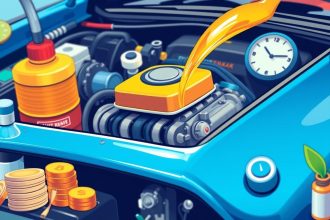
- Engine oil – Begin by checking the oil level using the dipstick, which indicates whether you need to add oil. Pay attention to its color and consistency; if it appears too dark or gritty, consider getting an oil change.
- Brakes – Inspecting the brake pads for wear is essential. You can do this by looking at the thickness of the pads. Also, check the brake fluid level in the reservoir; insufficient fluid could indicate a potential leak.
- Tires – Evaluating tire pressure using a pressure gauge ensures that your tires are neither over nor under-inflated, which can impact both safety and fuel efficiency. Checking the tread depth with a penny test can help you determine if your tires need replacing.
- Lights – A quick walk around your vehicle to make sure all the headlights, tail lights, and indicator lights are functioning can prevent accidents and ensure you comply with road safety regulations.
- Battery – Inspect for any corrosion on the battery terminals; a clean connection is critical for efficient operation. Testing the battery’s charge with a multimeter can help you gauge its health and expected lifespan.
The Benefits of Routine Check-Ups
Being proactive about these aspects can help you spot potential issues early, preventing them from developing into more serious—and costly—problems. Additionally, routine maintenance can significantly enhance fuel efficiency. For example, according to the U.S. Department of Energy, properly inflated tires can improve gas mileage by 3.3%. This is especially pertinent for American drivers, where fuel expenses add up quickly.
Moreover, understanding your vehicle’s components enables you to have informed conversations with mechanics, saving you from potential overcharges or unnecessary repairs. Car maintenance is not only about keeping your vehicle in good shape but also about fostering a relationship of trust with your car.
Empower Yourself with Knowledge
In this guide, we delve into the steps you need to take to conduct a thorough car check-up from the comfort of your home. Discover practical tips and tricks that will empower you to take charge of your car maintenance journey. By doing so, you can ensure your vehicle remains in optimal condition for years to come, making your driving experience as efficient and enjoyable as possible.
DISCOVER MORE: Click here to find out which eco-friendly car suits you
Getting Started with Your Car Check-Up
Performing a complete check-up of your car at home can seem like a daunting task, especially if you are unfamiliar with your vehicle’s inner workings. However, with a little guidance and the right tools, it can be a straightforward process that not only enhances your understanding of your car but also helps in identifying minor issues before they escalate into costly repairs. To set yourself up for success, start by gathering some essential tools you may need, including a tire pressure gauge, an oil filter wrench, a funnel, rags, and a car jack if you plan to inspect the undercarriage.
Step-by-Step Guide to a Complete Check-Up
Here’s a structured approach to conducting your car check-up:
- 1. Start with a Visual Inspection – Walk around your vehicle to ensure everything looks in order. Check for any external damage, leaks under the car, or visible signs of wear such as frayed belts or hoses.
- 2. Inspect Fluids – Aside from engine oil, it’s crucial to check other fluid levels, including brake fluid, transmission fluid, coolant, and windshield washer fluid. Each fluid serves a distinct purpose and maintaining them can prevent significant damage. Use the dipsticks or reservoirs to gauge their levels, and refill as necessary.
- 3. Cabin Air Filter – Don’t overlook the cabin air filter, which plays a vital role in keeping the air inside your vehicle clean. A clogged filter can hinder airflow and affect the air conditioning system’s efficiency. Check it monthly and replace it if it’s filthy or obstructed.
- 4. Wipers and Windshield – Inspect the windshield wipers for any cracks or tears in the rubber, as worn-out wipers can significantly impair visibility during rain or snow. Clean your windshield and ensure there are no chips or cracks that could worsen over time.
- 5. Suspension and Steering – While these components are more complicated to inspect, a basic evaluation can still be performed. Push down on each corner of the car; it should bounce back once. If it continues to bounce, this may indicate issues with your suspension system.
Once you’ve gone through these steps, you will have a comprehensive understanding of your vehicle’s current condition. Understanding where your car stands can save you significant time and money in the long run. It enables you to act decisively whether that means scheduling a professional service or carrying out minor repairs on your own.
Conclusion of the Check-Up Routine
Your vehicle is a complex machine made up of various systems that all work in unison to keep you safe on the road. Armed with this knowledge and regular maintenance practices, you can ensure that your car remains reliable and performs at its best. Regular comprehensive check-ups not only safeguard you but also foster a sense of independence as you build confidence in taking care of your vehicle.
How to Perform a Complete Check-Up of Your Car at Home
Performing a complete check-up of your car at home not only ensures that your vehicle remains in optimal condition but also saves you time and money on garage visits. Below are key steps to guide you through the process, highlighted by essential checks and maintenance tips.
1. Check Fluid Levels
Start by inspecting all vital fluid levels, including oil, coolant, brake fluid, transmission fluid, and windshield washer fluid. Proper fluid levels are crucial for engine function and safety. Ensure that you replenish any low fluids either by adding them yourself or taking your car to a workshop if you find any serious leaks.
2. Inspect Tire Condition
Regularly check your tire pressure and tread depth. Properly inflated tires can enhance fuel efficiency and improve handling. Use a tire pressure gauge to ensure they match the recommended PSI and use the penny test to check tread depth: insert a penny into the tread; if you can see Lincoln’s head, it’s time for new tires.
3. Evaluate Battery Health
Examine the battery by checking for any corrosion on the terminals. A healthy battery is vital for starting your car and powering electrical systems. If the battery is older than three years, consider having it tested to avoid unexpected failures.
4. Replace Worn-Out Wipers
Clear visibility is essential for safe driving. If your windshield wipers are leaving streaks or making noise, it’s time to replace them. New wipers not only enhance visibility in foul weather but also contribute to your overall driving comfort.
5. Check the Lights
Ensure all lights, including headlights, brake lights, and turn signals, are functioning correctly. Properly working lights not only enhance visibility but also keep you safe and compliant on the road. Replace any burnt-out bulbs immediately to avoid safety concerns.
6. Inspect Brakes
The braking system is critical to your safety. Listen for any unusual noises when braking, and check for any warning lights on your dashboard. Regularly maintaining your brakes can help prevent costly repairs and ensure your safety during drives.
Following these steps will equip you with a better understanding of your vehicle’s health while preventing potential issues down the line. By taking initiative in your vehicle maintenance, you are fostering a safer driving experience for yourself and others. Should you seek a more comprehensive understanding or engage with specific repairs, consulting a mechanic is always a wise option.
| Check-Up Category | Advantages |
|---|---|
| Fluid Checks | Ensures optimal operation and engine longevity. |
| Tire Inspections | Enhances safety and improves fuel efficiency. |
| Battery Health | Prevents unexpected breakdowns, ensuring reliable starts. |
| Brake Maintenance | Essential for personal safety and vehicle reliability. |
DIVE DEEPER: Click here to learn more about the IoT’s impact on
Delving Deeper into Your Car’s Mechanisms
While the visual inspection and basic maintenance tasks are essential, there are additional elements that require attention during your comprehensive check-up. Taking a closer look at these components can further improve your car’s performance, enhance safety, and extend its lifespan. Here’s what you should consider next:
Battery and Electrical System
A reliable battery is the heart of your vehicle’s electrical system. Always start your check-up by examining the condition of your battery. Look for any signs of corrosion around the terminals, which can hinder performance. Clean the terminals with a mixture of baking soda and water if you notice any buildup. Additionally, test the battery voltage using a multimeter; a healthy battery typically reads around 12.6 volts when fully charged. Replace the battery if the voltage falls below 12.4 volts to ensure your car starts easily and runs efficiently.
Tire Maintenance
Ensuring your tires are in optimal condition is critical not just for performance but also for safety. Along with checking the tire pressure, which should generally be around 30-35 PSI for most passenger vehicles, inspect the tread depth. Use a tread depth gauge or the penny test: insert a penny into the tread upside down; if you can see all of Lincoln’s head, it’s time for new tires. Additionally, confirm that there aren’t any cuts, bulges, or uneven wear, which could suggest alignment issues or the need for rotation.
Brakes Inspection
A crucial component of car safety, the brakes, should never be overlooked. Start by checking the brake pads, rotors, and fluid. Inspect the pads by looking through the wheel spokes; if they look thin or are less than 1/4 inch thick, they need replacing. When examining the brake fluid, it should be clear and not darker than the factory color. If it appears murky, replace it as dirty fluid can compromise braking effectiveness. If you hear any grinding noises when applying the brakes or feel vibrations, this may indicate further issues that require professional attention.
Exhaust System Check
The exhaust system is another vital aspect that plays a significant role in your car’s performance and efficiency. Visually inspect the exhaust pipes and muffler for rust, holes, or cracks, as these can lead to leaks that reduce fuel efficiency and increase vehicle emissions. If you smell exhaust fumes inside the car or notice decreased performance, you might want to have your exhaust system professionally inspected.
Lights and Indicators
Finally, don’t forget your lights. Test all exterior lights—headlights, brake lights, turn signals, and hazard lights—to ensure they’re functioning correctly. Over time, bulbs can burn out, which not only compromises safety but may also lead to getting pulled over. Check the interior lights to ensure your dashboard is also illuminated properly, indicating that warning lights will properly alert you when necessary.
With this extended check-up routine, you’re not just tackling immediate concerns but are also taking a proactive approach in maintaining your car, ultimately leading to a safer and more enjoyable driving experience. Knowledge and vigilance serve as your best allies when it comes to keeping your vehicle running smoothly. Stay invested in your vehicle’s health, and it will serve you well for years to come.
DIVE DEEPER: Click here to learn more about driving safety in different weather conditions
Conclusion: Empowering Yourself to Maintain Your Vehicle
Conducting a complete check-up of your car at home is not just a smart choice; it’s an empowering way to take control of your vehicle’s health. By inspecting critical components such as the battery, tires, brakes, exhaust system, and lights, you ensure that your car remains safe, efficient, and reliable. Regular maintenance helps ward off costly repairs while enhancing the longevity and performance of your vehicle. Remember that even the most minor issue can escalate if left unattended, so vigilance is crucial.
Moreover, familiarizing yourself with your car’s mechanics can deepen your understanding of its workings. The DIY approach fosters confidence and allows you to recognize when professional help is necessary. As you embark on this journey of self-sufficiency, consider documenting your inspections and repairs to track performance improvements and maintenance cycles.
In addition, stay informed about the latest advancements in automotive technology and maintenance practices. The automotive landscape is continuously evolving, and being well-informed can help you make better decisions regarding your vehicle. Whether through online videos, forums, or car maintenance courses, there is a wealth of resources available to support your efforts.
Ultimately, a complete car check-up at home cultivates a sense of responsibility and pride in vehicle ownership. Embrace the opportunity to safeguard your investment, and you’ll find that a little effort can lead to a vastly enhanced driving experience. Start inspecting today and discover how easy it is to keep your vehicle in top shape.