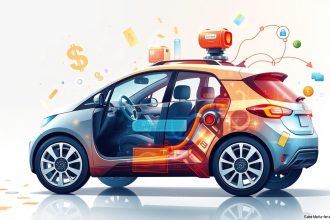

The Shift Toward Electric Vehicles
At the crux of the automotive industry’s transformation is a collective response to the pressing issue of sustainability. As air pollution and climate change escalate, the shift towards electric vehicles (EVs) emerges not merely as a trend but as a significant movement aiming to establish a more sustainable transportation ecosystem. The development and adoption of electric vehicles contribute to decreased reliance on fossil fuels and a meaningful reduction in harmful emissions.
One pivotal area of advancement is battery technology. The latest iterations of lithium-ion batteries are not only boasting enhanced lifespan but also exhibiting significantly improved charging speeds. For instance, some modern EVs can be charged to 80% within 30 minutes at rapid charging stations, making them more practical for daily use and long-distance travel. Furthermore, research is being conducted on solid-state batteries which promise even greater energy densities and safer performance compared to their liquid counterparts.
Another critical aspect pertains to recyclability. As the demand for electric vehicles grows, so too does the scrutiny of the entire lifecycle of the vehicle, particularly the batteries. Innovative recycling processes are being developed to recover valuable materials from used batteries. For example, companies like Redwood Materials are pioneering methods to recycle lithium-ion batteries efficiently, reducing the need for new mining and mitigating environmental harm. This not only aligns with sustainability goals but also promotes an economy that values resource recovery.
The integration of renewable energy sources into the charging infrastructure is also crucial. Charging stations equipped with solar panels or wind turbines significantly reduce the carbon footprint associated with EV charging. Cities such as San Diego and San Francisco are already piloting programs where solar-powered charging stations are accessible in public spaces, encouraging the use of clean energy. These initiatives appear to be slowly remapping urban landscapes into greener zones.
Moreover, government initiatives are playing an indispensable role in this transition. Incentives such as tax rebates and grants have encouraged consumers to choose electric vehicles over traditional combustion engine cars. In the United States, federal tax credits of up to $7,500 are available for eligible EV purchases, while states like California offer additional incentives, such as rebates and access to carpool lanes. These measures not only stimulate the market but also foster a culture of environmentally conscious consumerism.
In summary, the electric vehicle revolution is not merely a change in mechanics but a holistic advancement towards a sustainable future. From innovations in battery technology to the adoption of cleaner energy sources and enhanced recycling practices, every aspect plays a role in redefining transportation for the betterment of our planet. The road ahead is filled with potential, as we stand on the brink of a green revolution poised to reshape the automotive landscape.
DISCOVER: Click here to learn more about sustainable luxury cars
Breakthroughs in Electric Vehicle Technology
As the electric vehicle (EV) market accelerates, a wave of innovative technologies is transforming the automotive landscape. These advancements are setting new benchmarks for sustainability and energizing the commitment to reducing environmental impacts. Among the most influential of these breakthroughs is the engineering of increasingly efficient electric drivetrains.
Modern electric drivetrains are designed to maximize energy conversion, which significantly boosts driving range while minimizing energy consumption. For instance, manufacturers like Tesla and Lucid Motors are developing vehicles that can travel over 370 miles on a single charge, with efficiencies that challenge traditional gasoline engines. This progress not only enhances consumer confidence in electric vehicles but also demonstrates that sustainability can go hand-in-hand with performance.
In addition to drivetrain innovations, the evolution of vehicle design plays a critical role in the sustainability of electric vehicles. Lightweight materials, such as aluminum and carbon fiber, are increasingly utilized to reduce the overall weight of vehicles. A lighter car is not only more efficient, resulting in lower energy use, but also supports quicker acceleration and improved handling. The combination of aerodynamic profiles and these modern materials leads to further decreased energy consumption.
Smart Technologies and Infrastructure
The integration of smart technologies into electric vehicles is another pillar of their growth. Automakers are embracing connected car technologies, allowing vehicles to communicate with each other and their environment to optimize energy usage and enhance safety. Features such as adaptive cruise control, regenerative braking, and predictive route planning contribute to maximizing efficiency and minimizing waste.
Furthermore, the development of a robust charging infrastructure is critical. Consumers are more likely to invest in electric vehicles when they have confidence in readily available charging options. The implementation of fast-charging networks across major highways and urban areas is rapidly expanding. For example, Electrify America and ChargePoint are leading efforts to install thousands of charging stations nationwide, ensuring that EV users can recharge their vehicles conveniently and swiftly.
- Fast-charging stations: Capable of recharging vehicles up to 80% in under 30 minutes.
- Home charging solutions: Providing consumers with the opportunity to charge overnight.
- Public charging networks: Offering widespread access in urban environments and along major travel routes.
As these technologies come into play, they not only support sustainability but also align with the expectations of the modern driver, turning the once daunted notion of ‘range anxiety’ into an easily navigable aspect of electric vehicle ownership. With every innovation, the future of transportation appears more sustainable, practical, and within reach, setting the stage for an eco-friendly shift that benefits both consumers and the planet.
Sustainability on the Rise: Innovations in Electric Vehicles and Their Environmental Impact
The surge in interest around electric vehicles (EVs) is not just a fad but a reflection of the growing awareness of environmental issues. As pollution levels increase and climate change becomes more urgent, the demand for sustainable transportation solutions has never been greater. Electric vehicles represent a significant innovation in the automotive industry, promising to reduce greenhouse gas emissions and combat air pollution.
One of the strongest benefits of EVs is their efficiency. Unlike traditional gasoline-powered cars, electric vehicles convert over 80% of electrical energy from the grid to power at the wheels. This is significantly higher than the energy efficiency of gas-powered vehicles, which often waste a large portion of their energy through heat loss. Furthermore, many EVs can be charged using renewable energy sources like solar or wind, making them even more eco-friendly.
In addition to efficiency, technological advancements in EV batteries are revolutionizing the industry. Modern EV batteries are designed to last longer, charge faster, and be more environmentally friendly. Innovations such as solid-state batteries are set to enhance performance while reducing the environmental impact associated with lithium-ion battery production. These developments are paving the way for a more sustainable future in transportation, making it an opportune time for consumers to consider transitioning to electric vehicles.
| Category | Advantages |
|---|---|
| Efficiency | Electric vehicles convert over 80% of energy to power at the wheels. |
| Battery Innovations | New solid-state technology enhances performance, battery life, and environmental impact. |
As the world continues to seek solutions for a more sustainable future, electric vehicles stand out at the forefront of this transformation. Adopting EV technology not only benefits the individual consumer but also the planet, as these vehicles can dramatically reduce reliance on fossil fuels. In light of these advancements, it’s crucial for society to embrace the shift towards electric mobility.
DIVE DEEPER: Click here to discover sustainable luxury vehicles
The Role of Renewable Energy in Electric Vehicle Sustainability
While technological advancements in electric vehicles are crucial for reducing emissions, the energy sources that power these vehicles also play an integral role in their overall environmental impact. The shift towards renewable energy sources, such as solar, wind, and hydropower, is fundamentally changing the dynamics of electric vehicle sustainability. When charged using clean energy, electric vehicles can effectively contribute to minimizing overall carbon footprints.
According to the U.S. Department of Energy (DOE), approximately 40% of electricity generated in the United States now comes from renewable sources. This percentage is expected to grow, leading to a proportional reduction in greenhouse gas emissions attributed to electric vehicle usage. Drivers who opt for clean energy plans from their electricity providers are essentially fueling their vehicles with minimal or no carbon emissions, further amplifying the sustainability impact of electric driving.
Battery Technology Innovations
The continuous evolution of battery technology is pivotal in enhancing the sustainability of electric vehicles. Traditionally, lithium-ion batteries dominated the market; however, innovations are paving the way for alternatives that promise increased efficiency and lower environmental impacts. For example, new developments in sodium-ion batteries are gaining traction, as sodium is abundant and less harmful to extract compared to lithium.
Moreover, manufacturers are focusing on enhancing battery lifespan and recyclability. The need for sustainable supply chains is driving research into closed-loop recycling systems, where spent batteries are processed to recover valuable materials for reuse in new batteries. Notable companies, like Redwood Materials, are spearheading efforts toward battery recycling, ensuring that environmental risks are managed effectively.
- Research from the National Renewable Energy Laboratory suggests that advancing battery recycling methods could reduce demand for raw materials by 30% within the next decade.
- Report by the International Council on Clean Transportation indicates that future battery advancements might improve energy density by 50%, leading to less frequent replacements and less waste.
Mainstream automakers are also participating in these advancements. Ford and General Motors have pledged to invest billions in research and development aimed at improving battery performance and fostering sustainable practices within their manufacturing processes.
Consumer Awareness and Adoption Trends
In addition to technological advances, consumer attitudes towards electric vehicles are evolving. The rise of sustainability awareness among consumers has led to increased demand for electric vehicles. Research by the Edison Electric Institute indicates that a significant portion of consumers is now inclined to choose electric options, driven by the desire to mitigate climate change and embrace cleaner forms of transportation.
Moreover, many states offer incentives to encourage electric vehicle use. These include tax credits and rebates, which make purchasing an electric vehicle more financially appealing. Programs in states like California and New York are proving effective at boosting electric vehicle adoption, with sales numbers reflecting an upward trend in these regions.
As public interest in sustainability grows, coupled with supportive policies and technological breakthroughs, electric vehicles are poised to play a central role in the transition toward environmentally friendly transportation solutions. With each step, the ecosystem surrounding electric vehicles is evolving, thereby fostering a sustainable future that benefits individuals and the planet alike.
DISCOVER MORE: Click here for insights on luxury vehicle customization
Conclusion: Driving Toward a Sustainable Future
As we navigate the ever-evolving landscape of transportation, the rise of electric vehicles marks a pivotal shift toward a more sustainable future. Innovations in electric vehicle technology and the integration of renewable energy sources are not merely trends; they signify a profound commitment to environmental stewardship. As highlighted throughout this discussion, advancements in battery technology, like the emergence of sodium-ion batteries, are enhancing the efficiency and sustainability of vehicles while reducing the environmental footprint traditionally associated with energy extraction and usage.
Moreover, consumer demand is increasingly aligning with sustainability goals. With incentives from local governments boosting electric vehicle adoption, the transition toward these eco-friendly options is not just favorable but also attainable. The $7,500 federal tax credit and various state programs underscore the public’s growing awareness and enthusiasm for cleaner transportation solutions, reflecting a broader societal shift toward environmental responsibility.
Ultimately, the path to sustainability is paved with collaboration between consumers, policymakers, and manufacturers. By embracing innovations and making conscious choices, individuals can play an integral role in this green revolution. The interplay of technology, energy policy, and consumer behavior creates a promising framework for reducing greenhouse gas emissions and facilitating a cleaner planet. As electric vehicles continue to evolve, they stand as a testament to what is possible when sustainability becomes a priority in the quest for a brighter, greener future.