Personalization in the Age of Luxury Vehicles
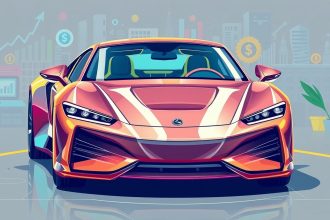
The modern luxury automobile market is undergoing a profound transformation, moving away from a one-size-fits-all approach to one that celebrates the uniqueness of individual consumers. Today, automobile manufacturers no longer simply offer a vehicle draped in opulence; they are articulating a vision where every car serves as a canvas for personal identity. This shift is rooted in the concept of customization, which empowers buyers to express their lifestyles and preferences through their vehicles.
As buyers demand more than merely a status symbol, manufacturers are responding with a plethora of innovative options that extend far beyond conventional offerings. This evolution reflects the changing landscape of consumer expectations and the desire for vehicles that resonate on a personal level.
Key Areas of Customization
Customization options are wide-ranging, with various elements offering clients a chance to tailor their vehicles to their specific tastes.
- Color Choices: The traditional color palette is giving way to more dynamic options. Luxury brands now offer bespoke color matching services, allowing clients to create custom shades. For instance, brands like Rolls-Royce have made headlines for their “Paintshop” where owners can select from a spectrum of colors that may not even be available in standard catalogues.
- Interior Trims: The choice of interior materials has also become more expansive. Luxury manufacturers provide customers with the opportunity to choose from premium leathers, exotic woods, and even innovative materials like recycled plastics and fabrics crafted from sustainably sourced materials. For instance, Tesla allows buyers to select vegan upholstery options that still maintain a sense of luxury.
- Technological Integration: In today’s high-tech world, personalization also extends to technology. Manufacturers like Mercedes-Benz offer fully customizable infotainment systems, allowing buyers to choose features that best fit their driving habits. From tailored navigation systems to specialized sound environments, the tech can be adapted to enhance each individual’s driving experience.
This growing trend underscores a significant evolution in the luxury vehicle sector, where clients are increasingly invested in the narrative their cars tell about them. Luxury brands have recognized this fundamental shift, putting customer input at the forefront of their design and manufacturing processes. Brands such as Bentley and Aston Martin are particularly noted for their craftsmanship, allowing clients to intricately detail their vehicles according to personal desires—from monograms and personalized stitching to custom wood inlays.
As the luxury automobile market continues to expand, so does the opportunity for manufacturers to invest in customization technologies that further enhance customer experience. The resulting vehicles not only cater to individual aesthetics but also contribute to an engaging relationship between driver and machine, reinforcing the notion that a luxury vehicle is no longer just a means of transportation, but a distinctive statement of personal style.
Exploring Trends in Vehicle Customization
As the demand for bespoke luxury vehicles escalates, manufacturers are stepping up their game by incorporating novel customization options that are thoughtfully designed to cater to individual preferences. In an era where personal identity is heavily intertwined with the vehicles people own, the possibilities are endless for consumers looking to make a distinctive statement. Luxury automobile brands, recognizing this trend, are reshaping their strategies to ensure they meet the growing desire for personalization among their clientele.
The customization movement in luxury vehicles isn’t just about aesthetics; it encompasses an array of features and options that enhance the driving experience while reflecting personal style. Here are several key trends emerging in the realm of vehicle customization:
- Exterior Features: The external design of a luxury vehicle is often the first aspect that captures attention. Many brands now offer comprehensive customization packages for elements like bumpers, grilles, and even headlights. For example, Maserati’s “Fuoriserie” program allows customers to select unique styling elements that distinguish their vehicles from the standard models on the road.
- Performance Options: Enthusiasts increasingly seek vehicles that reflect not only their style but also their driving ambitions. Brands such as Porsche and Ferrari provide clients with options to modify the performance specifications of their cars, which include enhancements to the engine, exhaust system, and suspension. These performance upgrades cater to the desires of a clientele that views their vehicles as more than just a mode of transport.
- Sound Systems: In the luxury segment, having a superior audio experience is paramount. Many manufacturers now provide bespoke audio system customizations to ensure that the car’s acoustics match the owner’s preferences. For instance, Lexus is known for partnering with high-end audio brands to design systems that offer immersive sound tailored to the vehicle’s interior dimensions.
Additionally, innovation plays a significant role in how manufacturers develop these personalized features. The use of augmented reality and digital configurators is becoming increasingly prevalent. Customers can now visualize the vehicle options in real-time, manipulating various elements such as color, materials, and features right from the comfort of their homes. This interaction not only empowers consumers but also fosters a deeper connection between the buyer and the brand.
This shift toward customization in luxury vehicles is evident in marketing strategies as well. Companies are utilizing rich storytelling techniques to attract customers, emphasizing not just the mechanical aspects of vehicles but also the lifestyle and values they embody. As luxury car buyers become more discerning, manufacturers are tasked with the challenge of marrying exceptional craftsmanship with tailor-made solutions that reflect the multifaceted lives of their customers.
In essence, the customization landscape within luxury automobiles highlights an industry that is evolving rapidly to keep pace with consumer demands. Every decision a buyer makes—whether it relates to color, performance, or technology—reflects a profound need for individuality. As a result, luxury vehicle manufacturers are committed to offering a uniquely personalized experience that goes far beyond traditional vehicle ownership.
| Customization Options | Benefits |
|---|---|
| Interior Design Choices | Enhances comfort and reflects personal style. |
| Advanced Technology Integration | Improves driving experience with personalized connectivity. |
| Performance Modifications | Tailors vehicle dynamics to individual driving preferences. |
| Exterior Finishes | Allows for a unique vehicle appearance that stands out. |
In today’s luxury vehicle market, customization is not merely a trend; it is a fundamental aspect of how manufacturers address the diverse and distinct desires of their customers. From exquisite interior design choices that allow buyers to express individual aesthetics, to advanced technology integration that offers tailored connectivity solutions, the landscape of luxury customization has evolved significantly. For instance, performance modifications enable aficionados to fine-tune their vehicles according to specific driving styles, enhancing both pleasure and control on the road. Additionally, unique exterior finishes not only highlight a vehicle’s sophistication but also its owner’s persona, creating a distinct statement in a competitive market. Luxury manufacturers, aware of these preferences, continually innovate their offerings, ensuring that each customizable element is a reflection of quality and personal touch. This ongoing evolution offers customers not just a mode of transportation, but an experience that resonates with their individual identities.
The Role of Technology in Vehicle Customization
In the contemporary automotive landscape, the integration of advanced technology has transformed the way luxury vehicle manufacturers engage with customers during the customization process. Cutting-edge systems not only personalize the vehicle experience but also elevate the level of craftsmanship to unprecedented heights. As manufacturers leverage innovations such as artificial intelligence (AI), big data, and 3D printing, a new era of bespoke design is emerging that caters to the exacting demands of affluent consumers.
One notable advancement is the rise of virtual reality (VR) and augmented reality (AR)</strong) tools that allow customers to experience their vehicle configurations in a virtual space. By using VR headsets or mobile applications, clients can explore their chosen specifications in remarkable detail, manipulating elements like upholstery, trims, and finishes. For instance, brands like BMW and Mercedes-Benz have introduced sophisticated configurators that give potential buyers an immersive experience, allowing them to walk around their dream car and examine all the custom features. This technology not only enhances buyer engagement but also helps in making more informed decisions, thereby increasing customer satisfaction.
Moreover, the incorporation of big data analytics allows manufacturers to gather insights on customer preferences and trends. By analyzing data from social media, customer feedback, and purchase history, brands can anticipate the needs of their clientele and innovate new offerings accordingly. For instance, Rolls-Royce has been known to track the popularity of specific color combinations and materials among their customers to guide their bespoke options. This proactive approach ensures that luxury vehicle brands remain at the forefront of consumer expectations while providing an exclusive touch to each vehicle.
In addition to technology-driven customizations, the option for sustainable materials is gaining traction among environmentally conscious consumers. Luxury manufacturers are increasingly offering eco-friendly substitutions for traditional materials, such as ethically sourced wood, recycled metals, and high-performance, sustainable fabrics. Brands like Tesla and Audi are leading the way in implementing sustainability into their custom features without sacrificing luxury, providing options that resonate with a growing demographic that prioritizes environmental stewardship.
Furthermore, personalization extends to the realm of connectivity and infotainment systems. As luxury vehicles become smarter, customizable technology features like adaptive navigation systems, voice-activated controls, and tailored app integrations are emerging as essential components of the customization process. Consumers can now select specific applications, display preferences, and even personalized ambient lighting options that align with their lifestyle. Luxury car manufacturers are investing heavily in connectivity partnerships, enabling owners to integrate their vehicles into broader smart ecosystems seamlessly.
Lastly, the potential for enhanced after-sales personalization cannot be overlooked. Luxury brands are now providing ongoing customization options even after the vehicle has been delivered. This includes software updates that offer new features or improved functionality, as well as exclusive memberships to clubs that provide access to driving experiences and events catered to owners of customized vehicles. Such initiatives solidify the relationship between the manufacturer and the customer, creating a sense of community that enriches the ownership experience.
As the luxury vehicle market continues to evolve, the impact of technology on customization will undoubtedly shape the industry’s future. With the blending of artistry and innovation, luxury brands are more equipped than ever to meet the unique needs and desires of their customers.
Conclusion
As we move further into the age of personalization, the customization of luxury vehicles stands at the intersection of technology and artistry, shaping a new paradigm in the automotive industry. Manufacturers are no longer content with merely offering a select range of models; they are now proactively engaging consumers in an innovative journey of personalization that emphasizes individual taste and preferences. The advent of advanced technologies, such as virtual reality, big data, and sustainable materials, has sinfully empowered the industry to cater to the unique demands of each buyer.
From custom upholstery to high-tech features, the luxury vehicle experience is now tailor-made, reflecting not only personal aesthetics but also addressing modern consumer values such as sustainability and connectivity. As brands like Rolls-Royce and Tesla demonstrate, there is a growing appreciation for materials and processes that prioritize environmental responsibility without compromising on elegance or performance.
The capability of manufacturers to provide after-sales personalization, along with the rise of exclusive memberships and experiences for luxury vehicle owners, underscores a commitment to creating a lasting relationship between the brand and the consumer. This evolving landscape exemplifies how luxury manufacturers are paving the way for a future that is not only about driving but living an exquisite lifestyle.
Ultimately, the shift toward customization in luxury vehicles symbolizes a broader consumer trend: the desire for individuality in every aspect of life. As buyers increasingly seek to express their identities through the vehicles they drive, manufacturers are rising to the challenge, ensuring that no detail is too small to be personalized. This fusion of technology, sustainability, and bespoke craftsmanship is setting new standards, inviting enthusiasts and potential buyers alike to delve deeper into a world where every luxury vehicle is a singular work of art.