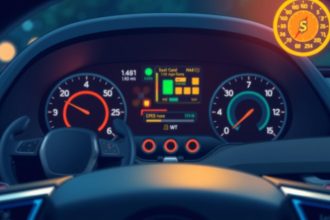

Revolutionary Impact of AI on Automotive Maintenance
As vehicles evolve and become more sophisticated, the integration of artificial intelligence (AI) marks a pivotal shift in how we approach preventive maintenance. By employing advanced algorithms and machine learning, automotive manufacturers and service providers are not just enhancing vehicle performance but are also setting new safety standards on roads across the United States.
This transformative technology has numerous applications, fundamentally changing the landscape of automotive care. A significant aspect of this evolution is predictive analysis, where AI-driven algorithms analyze historical and real-time data from vehicle sensors to forecast potential failures. For instance, a vehicle’s onboard diagnostic system can examine patterns related to engine temperature, brake wear, and oil pressure. By identifying anomalies in this data, AI can notify drivers about probable issues, such as a failing alternator, well before they escalate into serious problems.
Benefits of AI in Automotive Maintenance
- Predictive Analysis: As previously mentioned, predictive analysis plays a vital role in forecasting maintenance needs. For example, companies like Ford and General Motors are using AI tools that pull data from millions of miles driven to refine their understanding of component longevity and failure rates, ultimately increasing reliability.
- Real-Time Monitoring: AI systems can continuously track vehicle performance through connected technology. This capability allows for immediate feedback on vehicle status. Tesla exemplifies this with its over-the-air updates, which not only enhance performance but also ensure safety by correcting potential software-related issues in real time.
- Cost Efficiency: Early detection through AI significantly slashes repair costs and minimizes downtime. A study by the Automotive Research Center revealed that using AI-driven maintenance strategies could lower vehicle operating costs by as much as 20%, providing substantial savings to vehicle owners while ensuring safer driving conditions.
The contribution of AI to automotive maintenance extends beyond mere safety improvements; it fosters confidence in vehicle technology. Consumers are likely to trust vehicles equipped with smart technology that proactively safeguards against mechanical failures. As automotive companies continue to embrace these innovations, it becomes increasingly vital to understand how these AI systems are built and operate, enhancing the overall driving experience.
With the U.S. automotive industry racing to implement such advanced technologies, now is an exciting time to explore the profound effects AI will have not just on vehicle maintenance, but on the future of driving itself. The potential for innovation is boundless, leading the way for more reliable, efficient, and safer vehicles on the road.
DISCOVER MORE: Click here to learn about AI’s influence on luxury driving
Transforming Maintenance Protocols with AI Algorithms
In the pursuit of enhanced automotive safety, the role of artificial intelligence in preventive maintenance is proving to be a game-changer. Algorithms capable of sophisticated data analysis are spearheading a more proactive approach to vehicle care, ultimately reducing the likelihood of accidents and failures on the road. With vehicles becoming more interconnected through smart technology, the data generated from various sensors offers a wealth of information that can be harnessed effectively.
Mileage-driven Insights: One striking example of AI’s effectiveness in preventive maintenance lies in the use of mileage data. Major automotive manufacturers are leveraging huge datasets to develop deeper insights into how different components behave over time. By analyzing this data, AI algorithms can determine optimal maintenance schedules tailored to individual driving habits and conditions, which varies widely across the United States due to climate and road infrastructure differences. This personalized approach can lead to significant enhancements in vehicle longevity and reliability.
Moreover, the advancements in sensor technologies have ensured that vehicles are equipped with a range of monitoring systems that continuously assess critical aspects such as tire pressure, fluid levels, and engine performance. When AI algorithms process this real-time data, they can create a comprehensive picture of the vehicle’s health. This capability not only alerts drivers to impending issues but also allows service centers to prepare for maintenance well in advance.
Key Contributions of AI to Automotive Safety
- Enhanced Diagnostic Accuracy: Traditional diagnostic methods can often result in misinterpretations or oversight of underlying problems. AI reduces human error by providing data-driven insights, offering a more precise diagnosis of vehicle issues. Companies like Volkswagen have begun utilizing machine learning to enhance diagnostic tools, ensuring that technicians receive actionable insights based on real-time data analysis.
- Tailored Maintenance Recommendations: With an AI-driven approach, service intervals can be customized based on driving behavior, weather conditions, and geographical factors. For example, a vehicle frequently driven in icy conditions may require more frequent checks on its braking system compared to one driven in milder climates. This tailored strategy ensures safety features maintain their effectiveness amidst varying driving conditions.
- Reduced Environmental Impact: AI not only improves safety but also contributes to sustainability efforts. Predictive maintenance leads to reduced emissions and waste, as vehicles are serviced only when necessary. This efficiency minimizes environmental strain, aligning with the growing emphasis on sustainability within the automotive industry.
As the automotive landscape evolves, integrating AI in preventive maintenance systems is no longer a luxury but a necessity for ensuring safety and efficiency. By harnessing algorithms that provide insightful data analysis, both manufacturers and drivers can maintain higher safety standards. These advancements promise to reshape not only how maintenance is conducted but also how vehicles are perceived in terms of reliability and trustworthiness.
| Advantage | Description |
|---|---|
| Predictive Analytics | Utilizes data-driven insights to forecast maintenance needs, reducing unplanned downtime. |
| Cost Efficiency | Minimizes repair costs by addressing issues before they escalate into major problems. |
The integration of artificial intelligence within automotive safety not only revolutionizes how we approach maintenance tasks but also significantly enhances vehicular safety measures. With algorithms driving predictive analytics, vehicles can now alert drivers and technicians about potential failures before they occur. This proactive approach ensures that critical components are regularly monitored, leading to timely interventions.Moreover, the use of AI in preventative maintenance fosters remarkable cost efficiency. By analyzing a wealth of operational data, these algorithms identify patterns and abnormal behavior, enabling vehicles to undergo necessary inspections and repairs only when needed rather than following a rigid schedule. This shift not only saves money by preventing unnecessary expenses but also extends the lifespan of automotive assets.As automakers continue to tap into the vast potential of AI, the future of automotive safety and maintenance appears not only promising but essential for modern travel. Thus, the role of algorithms in this domain invites deeper exploration into its benefits and transformative capabilities.
DISCOVER MORE: Click here
The Future of Automotive Maintenance through Intelligent Algorithms
As we delve deeper into the integration of artificial intelligence in automotive preventive maintenance, it becomes evident that its potential extends far beyond traditional approaches. Advanced predictive analytics are now redefining the way we approach vehicle safety, ultimately aiming to decrease road-related incidents. The combination of machine learning and large-scale data processing opens new avenues for maintenance practices that were previously unimaginable.
Predictive Maintenance Models: At the forefront of this revolution are predictive maintenance models that utilize AI algorithms to forecast potential system failures before they occur. According to a recent industry report, predictive maintenance can reduce breakdowns by over 30% and enhance the overall lifespan of vehicle components. By identifying patterns and anomalies in data collected from in-vehicle sensors, algorithms can proactively suggest maintenance actions to mitigate risks, essentially creating a safety net for drivers. Companies like Ford and Tesla are already reaping the benefits of these models, integrating them into their vehicle management systems for enhanced safety protocols.
Real-time Monitoring and Feedback: Furthermore, the era of real-time monitoring is transforming driver experiences. With AI algorithms processing data continuously, vehicles can now send instant alerts when they detect malfunctions. For example, if a vehicle’s engine temperature rises above the normal range, it can alert the driver immediately and even automatically adjust performance to prevent damage. This proactive communication between the vehicle and the driver empowers individuals to take immediate action, greatly enhancing safety on the roads. The collaboration between AI and connectivity ensures that drivers are not just passive participants but active stakeholders in vehicle care.
Impact of AI on Repair Costs and Efficiency
- Lower Repair Costs: One of the remarkable outcomes of AI in preventive maintenance is the potential to significantly lower repair costs. By leveraging predictive analytics, both consumers and service providers can avoid costly repairs stemming from unexpected breakdowns. An AI-driven maintenance schedule indicates issues before they escalate, allowing for timely corrective measures that ultimately save money.
- Increased Workshop Efficiency: Mechanic shops are also experiencing a boon from intelligent algorithms. AI technology streamlines processes by automating routine tasks such as initial diagnostics and inventory tracking, allowing automotive technicians to focus more on complex repairs. This efficiency not only reduces wait times for customers but also optimizes resource allocation within service centers, creating a more productive environment.
- Enhanced Vehicle Performance: By using algorithms that consider historical performance data, vehicles can be fine-tuned to adapt to the specific needs of their operators. This means that sports cars can receive performance optimizations based on driving style, while SUVs dealing with rough terrains can have their suspension settings adjusted accordingly. Such fine-tuning enhances not only the performance of the vehicle but also bolsters safety features tailored to individual driving conditions.
As we embrace the potential of AI in preventive maintenance, it is clear that the long-standing relationship between human intuition and technology is evolving. With algorithms leading the charge, automotive safety standards are reaching new heights, ensuring a safer driving environment. The road ahead promises further advancements, with AI playing an integral role in shaping the future of intelligent vehicle maintenance.
DISCOVER MORE: Click here to learn about customization in luxury vehicles
Conclusion: The Transformative Impact of AI on Automotive Safety
In summary, the integration of artificial intelligence into preventive maintenance heralds a new era for automotive safety, redefining the landscape of vehicle care and performance. With the deployment of predictive maintenance models, we witness a significant shift towards proactive management of vehicle health, enabling drivers and service providers to anticipate failures before they become critical. This forward-thinking approach can reduce breakdowns by over 30%, offering a tangible benefit in safety and reliability.
The emphasis on real-time monitoring further empowers vehicle users, creating a dynamic feedback loop that enhances user engagement and immediate responsiveness. Through AI-driven alerts and performance adjustments, drivers are not merely passive recipients of information but active participants in ensuring their safety on the road. Such advancements not only contribute to personal security but also foster greater trust in automotive technology as a whole.
Moreover, the financial implications are striking; lower repair costs and increased workshop efficiency indicate that AI does not just enhance safety—it also streamlines operations, ultimately benefiting consumers and service providers alike. As automotive algorithms become more sophisticated, we can expect vehicles to be even more attuned to driver needs, further personalizing automotive experiences while putting safety at the forefront.
As we continue to explore the potential of AI in automotive maintenance, one thing is certain: the marriage of technology and tradition will lead the way toward safer roads. For those keen on diving deeper into this transformative journey, the ongoing development and research in AI applications within the automotive sphere undoubtedly promise exciting revelations in the years to come.