The Evolution of Driving
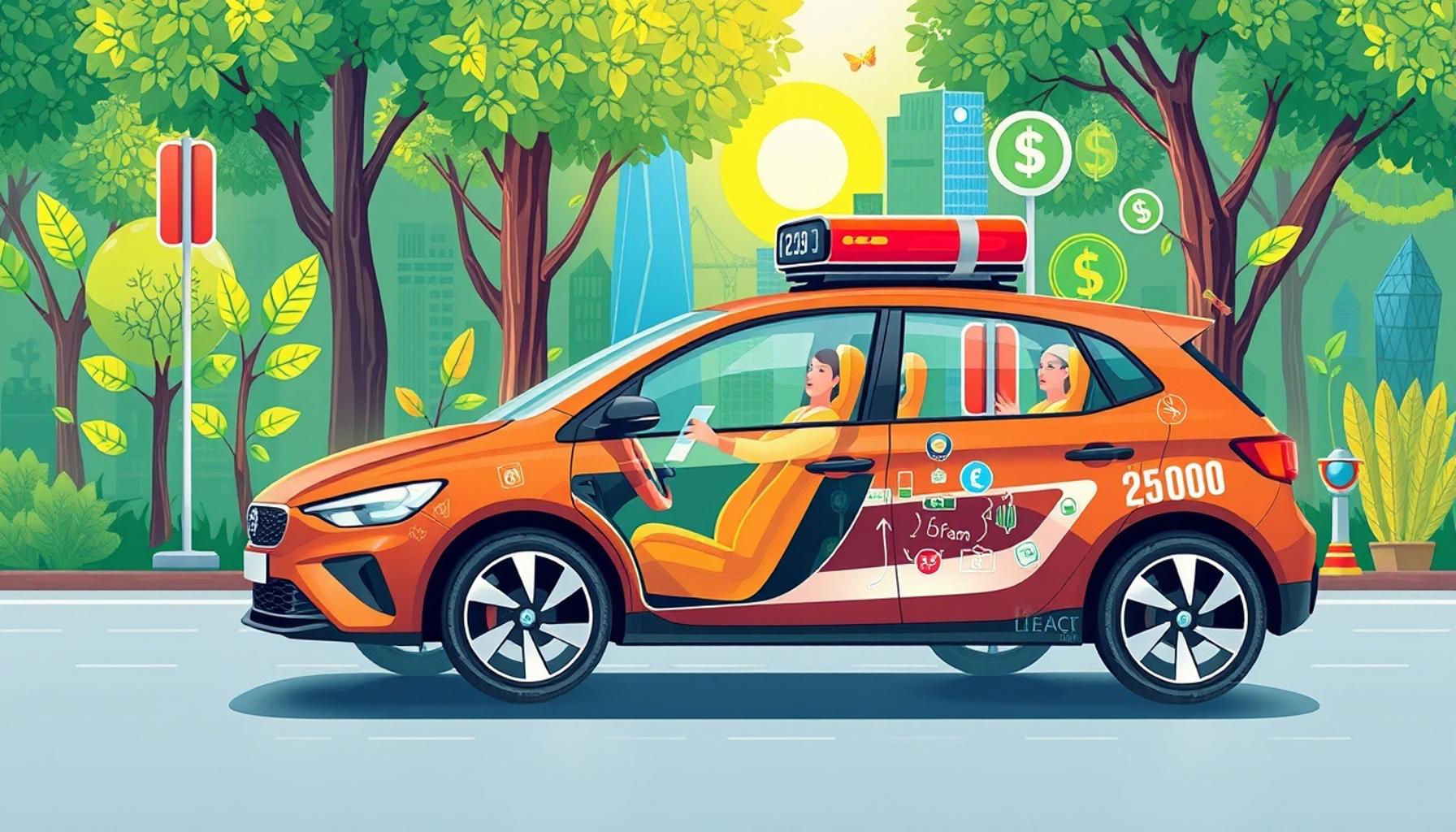
As the automotive industry takes bold strides toward ecological sustainability, a remarkable transformation unfolds on our roads. This shift is not merely about new car models; it embodies a profound change in how we envision personal and public transportation. With the growing urgency of climate change, the focus on sustainable driving solutions has moved from theoretical discussions to actionable innovations. Both consumers and manufacturers are increasingly aligned in their willingness to embrace greener options, leading to a new era in vehicular technology.
Key Innovations to Watch
- Electric Vehicles (EVs): Modern EVs represent a burgeoning category, boasting impressive efficiency with no tailpipe emissions. Leading manufacturers, such as Tesla, Ford, and Chevrolet, have launched models that not only provide an eco-conscious alternative but also bring performance and technology into the limelight. For instance, the Ford Mustang Mach-E blends an iconic brand with electric efficiency, enhancing public perception and acceptance of EVs.
- Hydrogen Fuel Cells: These vehicles leverage the power of chemical reactions to produce electricity on-the-go, positioning themselves as promising contenders in the clean energy race. Vehicles like the Toyota Mirai exemplify this technology, which provides quick refueling times comparable to traditional gasoline cars. Hydrogen fuel cells could potentially revolutionize the trucking industry, where long-range and fast refueling are essential for logistics.
- Advanced Materials: The development and application of lightweight materials, such as carbon fiber and aluminum, are pivotal in reducing vehicle weight. This reduction not only leads to enhanced fuel efficiency but also improves acceleration and handling. Additionally, manufacturers are exploring sustainable materials like bio-composites, which further contribute to a reduced environmental footprint.
- Autonomous Driving: The rise of self-driving technology holds the promise of optimizing traffic flow and reducing emissions through smarter route management. Companies such as Waymo and Uber are pioneering research in this field, exploring the potential for reduced congestion and, consequently, lower carbon emissions. As regulations evolve and public acceptance grows, we may soon see more autonomous vehicles on city streets, potentially transforming daily commutes and long-haul travel.
The intersection of cutting-edge technology and ecological responsibility is a beacon of hope for a sustainable future in transportation. By fostering awareness and investing in these innovations, we can contribute to combating climate change while enhancing user experience and safety on our roads.
Why It Matters
Transitioning to sustainable driving solutions is critical for minimizing carbon footprints and promoting energy independence. As the United States implements more stringent emissions regulations, these innovations will play a pivotal role in shaping a cleaner, greener future. The impending challenges posed by climate change necessitate urgent action—understanding and adopting these advancements can lead to significant benefits for individuals, communities, and the planet alike.
Join us as we dive deeper into the advancements driving this remarkable change. Discover how these innovations not only impact our transportation systems, but also our daily lives, urging us all to rethink our relationship with modern mobility.
DISCOVER MORE: Click here to learn about the future of luxury driving
Technological Disruptions in Eco-Friendly Transportation
At the heart of the sustainable driving revolution lies an array of technological innovations that are redefining what it means to travel responsibly. As public concern over climate change continues to intensify, the automotive industry is racing to develop solutions that not only meet environmental standards but also satisfy consumer demand for efficiency and performance. Among the pioneering advancements, several key trends are shaping the future landscape of driving.
Battery Technology Breakthroughs
One of the most significant areas of focus is battery technology, which is critical to the success of electric vehicles (EVs). Recent advancements have led to the emergence of solid-state batteries, which promise increased energy density and reduced charging times while enhancing safety. For instance, companies like QuantumScape are making strides in this field, potentially allowing EV owners to recharge their vehicles in minutes rather than hours. This advancement could help tackle one of the significant hurdles to widespread EV adoption: range anxiety.
Smart Charging Infrastructure
As the number of electric vehicles on the roads increases, the demand for robust and efficient charging infrastructure is more pressing than ever. The development of smart charging stations, equipped with real-time data that allows users to find available chargers quickly, is gaining momentum. These stations can also operate on renewable energy sources such as solar or wind, further reducing their carbon footprint. In cities across the United States, municipalities are collaborating with private companies to expand charging networks, making eco-friendly driving more accessible than ever before.
Shared Mobility Solutions
The concept of shared mobility is another innovative approach that holds the potential to reshape urban transportation. By providing access to vehicles on a temporary basis rather than ownership, car-sharing services reduce the number of cars on the road, leading to lower emissions and less congestion. Programs like Zipcar and car2go promote the use of electric vehicles, allowing users to keep their carbon footprints minimal while maintaining the flexibility of individual transportation. Studies suggest that every shared vehicle can replace up to 9 to 13 privately owned cars, significantly reducing the strain on urban environments.
Vehicle-to-Grid (V2G) Technology
Emerging technologies like Vehicle-to-Grid (V2G) are set to revolutionize energy consumption. By enabling EVs to return energy to the grid, this system can help balance energy loads and reduce reliance on fossil fuels. This innovation allows electric vehicle owners not only to charge their cars but also to leverage their vehicles as energy storage units. With car owners able to sell excess electricity back to the grid, V2G technology may soon provide an economic incentive for more consumers to participate in the shift towards sustainable driving.
As these innovations gain traction, it is evident that the future of sustainable driving is not just about reducing emissions; it represents a comprehensive transformation in the way we conceive of mobility. Emphasizing energy efficiency, shared resources, and advanced technologies, these advancements are paving the way for a cleaner, greener road ahead. The continuous evolution of these technologies invites us all to explore new possibilities and rethink our choices in personal transportation.
The transition to eco-friendly car technology is not just a trend; it represents a paradigm shift in the automotive industry. As manufacturers and consumers alike gravitate towards sustainability, innovations are emerging that redefine how we think about driving. From advanced battery systems to lightweight materials, each innovation plays a crucial role in reducing our carbon footprint.
One significant advancement is in the realm of electric vehicles (EVs). Leading car manufacturers are investing heavily in research to develop batteries with higher energy density and faster charging capabilities. Solid-state batteries, for instance, promise to enhance safety and longevity while providing longer driving ranges. This technology could potentially make EVs a mainstream choice for consumers who previously hesitated due to concerns about range anxiety.
Another key innovation is the integration of renewable energy sources into the vehicle charging infrastructure. Solar panels are now being incorporated into car designs and charging stations, allowing drivers to harness clean energy directly. This means that a vehicle can have a smaller environmental impact right from the get-go, making sustainable driving accessible to a broader audience.
The use of recycled and sustainable materials in car production is also gaining traction. Interior designs featuring biodegradable plastics and eco-friendly fabrics not only benefit the environment but also enhance the aesthetic appeal of vehicles. This shift is prompting consumers to reconsider their purchasing choices and prioritize sustainability over traditional options.
Moreover, we are witnessing the rise of smart technology within vehicles that promotes efficient driving behaviors. Advanced driver-assistance systems can optimize fuel efficiency and reduce emissions by providing real-time feedback on driving habits. These features encourage eco-conscious driving, further integrating sustainability into the driving experience.
As these innovations continue to evolve, the automotive landscape is set for a transformative change. Understanding the mechanisms behind these advancements will not only inform consumers but also inspire them to take an active role in driving the future of sustainable transport.
| Innovation | Impact on Sustainability |
|---|---|
| Electric Vehicle Technology | Reduces dependency on fossil fuels and lowers emissions. |
| Renewable Energy Integration | Enables charging from clean energy sources, minimizing environmental impact. |
| Sustainable Materials | Utilizes recycled materials, promoting circular economy practices. |
| Smart Driving Systems | Encourages eco-friendly driving behavior to enhance vehicle efficiency. |
DIVE DEEPER: Click here to uncover the evolution of luxury vehicles
Revolutionizing Transportation with Intelligent Systems
As we look towards the horizon of sustainable driving, the integration of intelligent systems into vehicle design and infrastructure emerges as a game-changer. These advancements not only enhance performance but also promote energy efficiency, ensuring that eco-friendly driving is more than just a trend—it’s an evolving necessity.
Autonomous Vehicles and Their Impact on Sustainability
The rise of autonomous driving technology is reshaping perceptions of vehicle ownership. Self-driving cars, such as those being developed by companies like Waymo and Tesla, hold potential benefits for sustainability. By optimizing routes, maintaining consistent speeds, and reducing unnecessary acceleration, these vehicles can lead to lower energy consumption and emissions. Studies have estimated that fully autonomous vehicles could reduce fuel consumption by as much as 20% to 30% due to their ability to eliminate human error and optimize driving patterns. As these technologies reach maturity, car manufacturers may find that equipping EVs with autonomous features amplifies their eco-friendly appeal.
Integration of Artificial Intelligence (AI) in Vehicle Design
Artificial Intelligence (AI) is playing a crucial role in enhancing vehicle performance while simultaneously promoting environmental sustainability. AI systems are being employed to analyze driving patterns, predict maintenance needs, and recommend driving behaviors that improve both energy efficiency and safety. For example, AI can dynamically adjust power usage based on real-time traffic data and driver habits, significantly optimizing energy consumption. Automotive companies, such as Ford and BMW, are already embedding AI within their vehicles to enhance navigation systems and improve the overall driving experience.
Smart Roads and Connected Infrastructure
The convergence of smart roads and connected cars represents another vital advancement in the quest for sustainable driving. Smart infrastructure is designed to communicate with vehicles in real-time, providing critical information that can improve traffic flow and reduce congestion. In cities like Los Angeles, traffic signals are being integrated with IoT (Internet of Things) technology to adjust timing based on current vehicular traffic. This system not only reduces travel times but can also contribute to lower emissions by minimizing stop-and-go scenarios. Furthermore, smart charging stations equipped with renewable energy sources can be synchronized with grid demand, reducing strain on the overall energy system.
Biodegradable Materials and Green Manufacturing Processes
Beyond the vehicle itself, innovations in materials and manufacturing processes are vital for enhancing the sustainability of car production. Automotive manufacturers are increasingly exploring the use of biodegradable materials that reduce environmental impact throughout a vehicle’s lifecycle. For instance, companies like Mercedes-Benz have begun utilizing sustainable materials, such as recycled plastics and organic fibers, in their vehicle interiors. This trend isn’t just helpful for the planet; it also aligns with consumer preferences for environmentally responsible products. Additionally, green manufacturing processes are being adopted to minimize waste and energy use during production, striving to create a circular economy within the automotive industry.
The rapid pace of innovation in eco-friendly car technology indicates a transformative shift in mobility. As the market adapts to these advancements, consumers will benefit from better performance, efficiency, and above all, a commitment to sustainable driving practices. With ongoing research and development, the future appears bright for environmentally conscious drivers and the planet they navigate.
DISCOVER MORE: Click here to learn about the battery revolution
Embracing a Greener Future in Driving
The journey towards sustainable driving is undeniably marked by groundbreaking innovations in eco-friendly car technology. As we embrace advancements such as autonomous vehicles, artificial intelligence, and smart infrastructure, we not only redefine the driving experience but also take significant strides in addressing pressing environmental challenges. The potential to reduce fuel consumption by 20% to 30% with autonomous systems highlights a transformative opportunity for consumers and manufacturers alike, paving the way for a cleaner transportation landscape.
Moreover, the integration of biodegradable materials and green manufacturing processes underlines a critical shift towards sustainability right from production to the end of a vehicle’s lifecycle. This trend resonates with a growing consumer consciousness about environmental responsibility, demonstrating that sustainability can be both innovative and desirable. As new technologies evolve, including renewable energy-powered charging solutions, we stand on the brink of an era where eco-friendly driving becomes not just a choice, but a standard expectation.
Ultimately, the future of sustainable driving is not just about individual consumer choices but also about a collective movement toward a greener planet. As stakeholders from automakers to regulators work in unison, we can anticipate a resurgence in cleaner, more efficient transportation options that promise to change the way we commute. The evolution of eco-friendly car technology signifies our commitment to sustainability and holds the potential to protect our environment for generations to come. Embrace this exciting journey, as it leads to a cleaner, smarter, and more sustainable future on the road.