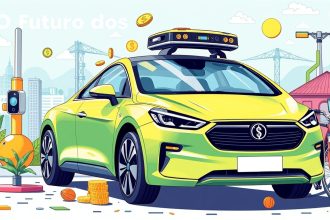

Current Trends in Eco-Friendly Automotive Innovation
As consumer preferences shift towards sustainability, the automotive sector is undergoing a significant transformation. In recent years, the demand for eco-friendly cars has increased dramatically, fueled by a growing awareness of environmental issues such as climate change, air pollution, and resource scarcity. Manufacturers are not only responding to this demand but are also seizing it as an opportunity to innovate while simultaneously reducing their carbon footprint.
Key Initiatives in Eco-Friendly Vehicles
Several pivotal initiatives are being embraced by automakers to foster this green shift:
- Electric Vehicles (EVs): Many traditional automotive giants are investing heavily in transitioning from gasoline engines to electric alternatives. For instance, brands like Tesla have revolutionized the market with models such as the Model 3 and Model S, showcasing extended range, impressive performance, and a commitment to sustainability.
- Hybrid Models: Automakers are also introducing hybrid vehicles that seamlessly combine internal combustion engines with electric power. The Toyota Prius, a pioneer in this category, exemplifies how hybrid technology can enhance fuel efficiency and reduce emissions without sacrificing convenience.
- Sustainable Materials: In a bid to minimize environmental impact, manufacturers are increasingly using recycled and bio-based materials in vehicle construction. For example, Ford has been incorporating recycled plastics into the interiors of its vehicles, demonstrating a commitment to sustainability in both production and design.
- Research and Development: The race for eco-friendly solutions is prompting automakers to focus on cutting-edge technologies like hydrogen fuel cells. Companies such as Honda and Toyota are leading the charge in developing vehicles powered by hydrogen, which emits only water vapor when in use.
Challenges Ahead
Despite these advancements, the automotive industry is confronted with significant challenges:
- Infrastructure: One of the most pressing issues is the need for extensive charging networks. While cities like San Francisco and New York are expanding their charging stations, many regions across the U.S. still lack adequate infrastructure to support the widespread adoption of electric vehicles.
- Consumer Acceptance: Many potential buyers remain unconvinced about new technologies. Concerns regarding the higher upfront costs and the perceived inconvenience of owning an electric vehicle are prevalent. Educating consumers about long-term savings and environmental benefits can play a crucial role in overcoming this resistance.
- Regulatory Compliance: The shifting landscape of government regulations and emissions standards poses another hurdle. Automakers must navigate complex state and federal policies, such as California’s strict emission targets, while striving to maintain compliance without compromising profitability.
As the auto industry navigates these complexities, understanding the balance between innovation, regulation, and consumer preferences becomes essential. The future of vehicle manufacturing is not just about creating environmentally friendly alternatives but also about sustaining a profitable business model in a world increasingly focused on sustainability. With ongoing developments and challenges, the automotive landscape promises to be a fascinating field for years to come, inviting observers to engage with its evolution.
DISCOVER MORE: Click here to learn about the best eco-friendly car for you!
Driving Forces Behind Eco-Friendly Innovations
The automotive industry’s pivot towards eco-friendly cars is not merely a response to consumer demand; it is also a reflection of evolving global standards and technological advancements. Automakers are now at the forefront of a green revolution, where sustainability is becoming an integral part of their business strategy. With the dual emphasis on reducing carbon emissions and creating energy-efficient vehicles, major players in the industry are pushing the envelope of automotive design and engineering.
Electric Vehicle Adoption: The New Frontier
As electric vehicles (EVs) gain momentum, a remarkable transformation is evident within traditional automotive manufacturers. Companies like General Motors have committed to an all-electric future, pledging to offer a range of EV models in the upcoming years, while simultaneously phasing out gas-powered vehicles altogether. This strategic shift includes significant investment in battery technology and charging infrastructure, highlighting a broader commitment to sustainability.
Innovative Manufacturing Practices
To support the development of eco-friendly cars, automakers are innovating not just in the vehicles themselves but also in the manufacturing processes. For instance, companies are increasingly adopting practices aimed at reducing waste and energy consumption throughout their supply chains. An exemplary model is Toyota’s approach, which integrates the principles of Lean Manufacturing and sustainability to minimize environmental impact.
Embracing Alternative Fuels
Beyond electric and hybrid vehicles, automakers are exploring various alternative fuels as viable options for eco-friendly transportation. Some of the most notable initiatives include:
- Hydrogen Fuel Cells: Brands like Hyundai and Toyota have been pioneering hydrogen fuel cell technology. These vehicles emit only water vapor, appealing to environmentally conscious consumers looking for emissions-free options.
- Biofuels: Automakers are researching and utilizing biofuels derived from renewable resources to power traditional combustion engines. This approach can significantly reduce greenhouse gas emissions compared to fossil fuels.
- Compressed Natural Gas (CNG): Some manufacturers offer CNG models that emit fewer pollutants than gasoline or diesel vehicles, providing an alternative for consumers who prefer conventional engine characteristics.
As automakers innovate in the field of environmentally friendly vehicles, the impact extends beyond just consumer options. Depending on the pace of technological advancements and regulatory support, the automotive industry could redefine how people perceive transportation. However, it is crucial to evaluate these initiatives against the backdrop of the challenges the industry faces. While the shift to eco-friendly cars is promising, understanding the intricacies involved will determine the success of this transition and the future of sustainable driving in America.
The Role of Automakers in Creating Eco-Friendly Cars: Initiatives and Challenges
As the global emphasis on sustainability intensifies, automakers are increasingly viewed as pivotal players in the transition towards more eco-friendly transport solutions. Major manufacturers are not simply adopting greener technologies; they are innovating and reshaping their corporate strategies to align with the demands of an eco-conscious market. There are several initiatives currently underway that highlight this shift.
One significant area of focus for automakers is the development of electric vehicles (EVs). Leading companies, such as Tesla, Ford, and General Motors, have recognized the potential of EVs to reduce greenhouse gas emissions and have committed substantial resources to expand their electric lineups. These initiatives are not merely exploratory; rather, they are backed by substantial investments in battery technology and infrastructure to support EV adoption, such as charging stations across urban areas.
In addition to producing electric vehicles, many automakers are also integrating sustainable materials into their manufacturing processes. By utilizing recycled plastics, organic textiles, and other renewable resources, companies like BMW and Audi are minimizing the environmental footprint of their production chains. This shift not only addresses ecological concerns but also enhances the market appeal of their vehicles among eco-friendly consumers.
Moreover, automakers are exploring innovative technologies such as hydrogen fuel cells and biofuels, which promise to contribute to sustainability in the automotive industry further. However, these innovations are met with challenges, including regulatory hurdles, infrastructure limitations, and the need for public acceptance. The path to a sustainable automotive future requires a collaborative approach, with automakers, governments, and consumers working together to overcome these barriers and foster a greener transportation landscape.
| Category | Advantages |
|---|---|
| Electric Vehicles (EVs) | Reduced greenhouse gas emissions and lower running costs compared to traditional vehicles. |
| Sustainable Materials | Minimizes environmental impact, promotes recycling, and appeals to eco-conscious consumers. |
This landscape of eco-friendly innovations indicates that automakers are at the forefront of addressing climate change challenges while also advancing technological solutions. The balance between consumer demands and environmental responsibility will shape the future trajectory of the automotive industry, making it an exciting time for developments in sustainable transportation.
DISCOVER MORE: Click here to learn about the future of sustainable driving
Challenges in the Quest for Sustainability
While the automotive industry is embracing innovations aimed at creating eco-friendly cars, numerous challenges stand in the way of achieving comprehensive sustainability. Automakers are not only grappling with technical and logistical hurdles but also navigating regulatory landscapes that significantly impact their initiatives.
Supply Chain Complexities
One of the major challenges is managing the supply chain for materials necessary for producing electric vehicles, particularly batteries. The lithium-ion batteries that power most electric cars depend on critical minerals such as lithium, cobalt, and nickel. Obtaining these materials involves complex global supply chains, which can be susceptible to geopolitical tensions and market volatility. For instance, over 70% of the world’s cobalt supply comes from the Democratic Republic of the Congo, posing risks related to ethical sourcing and environmental impacts of mining practices. As a result, automakers are under pressure to adopt sustainable sourcing initiatives and develop circular economy practices, which dissolve single-use models and cater to recycling efforts.
Cost Implications and Consumer Acceptance
In addition to supply chain issues, the transition to eco-friendly cars carries significant cost implications. Although prices for electric vehicles are gradually decreasing, the initial costs remain a barrier for many potential buyers. High production costs associated with advanced technologies, regulatory compliance, and sourcing sustainable materials can lead to higher retail prices. For example, while incentives at the federal and state levels aim to offset these costs, they still do not fully bridge the gap for consumers.
To compound the issue, consumer adoption can be slow if there is a lack of familiarity with electric vehicles and their benefits. Educating potential buyers on the advantages of eco-friendly cars—like operational savings, tax benefits, and environmental impact—becomes an essential part of marketing strategies. Automakers are increasingly investing in outreach campaigns, aiming to debunk myths about range anxiety and charging infrastructure.
Regulatory Hurdles and Competition
Furthermore, navigating the regulatory landscape can be an arduous process for automakers. Each state has varying regulations related to emissions and vehicle standards, making compliance a complex endeavor for manufacturers with a national footprint. Quick shifts in regulations around emissions standards can impact existing production lines and necessitate expensive retooling processes.
The challenge is compounded by fierce competition, not only among established auto manufacturers but also from new entrants and tech companies disrupting the traditional market landscape. Companies like Tesla have accelerated consumer expectations for performance and sustainability, forcing traditional automakers to adapt at an unprecedented pace.
Public Infrastructure Development
The growth of the electric vehicle market also heavily relies on the development of public charging infrastructure. Although automakers are investing in extensive charging networks, the pace at which these installations are occurring does not always match the rising demand for EVs. Safe and accessible charging stations need to become the norm rather than the exception, particularly in rural areas or regions that currently lack adequate infrastructure. This creates a critical intersection where automakers must collaborate with governments, local businesses, and utility companies to pave the way for a sustainable future.
As automakers embark on this transformative journey, overcoming these obstacles is vital for success. The intricate balance between innovation, consumer readiness, regulatory compliance, and infrastructure development will ultimately dictate the ability of the automotive industry to redefine the future of transportation through eco-friendly cars.
DISCOVER MORE: Click here to learn how safety systems are changing the road
Conclusion: Steering Towards a Sustainable Future
The journey of automakers towards creating eco-friendly cars is marked by both significant strides in innovation and formidable challenges that demand astute navigational skills. As manufacturers invest heavily in electric and hybrid technologies, the imperative for sustainable practices transcends mere compliance; it has become a cornerstone of business strategy. Fostering a cleaner environment is not just about producing vehicles with zero emissions, but also ensuring that the lifecycles of these vehicles, from production to disposal, prioritize sustainability.
However, the road ahead is fraught with complexities—ranging from the ethical implications of sourcing critical materials for electric vehicle batteries to the hurdles posed by consumer resistance and disparate regulatory frameworks across states. In a landscape where speeding competition is complemented by an increasing demand for eco-friendliness, collaboration between automakers, governments, and communities will be vital in developing a robust public charging infrastructure and addressing consumer concerns.
Ultimately, the role of automakers is pivotal in shaping a greener automotive industry, and their initiatives should evolve in tandem with public expectations and regulatory requirements. The push for eco-friendly cars is not just a trend but a necessary paradigm shift that can redefine the future of transportation, ensuring it aligns with broader environmental goals. As consumers, policymakers, and manufacturers unite towards a sustainable vision, there is a palpable opportunity to reimagine mobility that is both innovative and environmentally responsible.