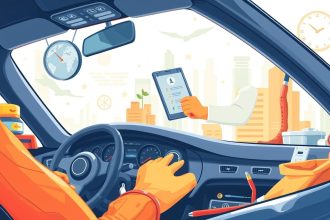

The Impact of Smartphone Distractions on Driving Safety
Every day, millions of Americans hit the road while juggling their busy lives, often with smartphones in hand. The convenience of remaining connected can come at a devastating cost—driving safety. As technology evolves, so do the distractions it presents, which raises significant concerns. The integration of smartphones into our daily routines has created a paradox: the very devices that enhance our quality of life can also contribute to perilous situations while driving.
Consider these startling statistics:
- According to the National Highway Traffic Safety Administration, in 2020, distracted driving claimed over 3,000 lives.
- Studies show that texting while driving increases the risk of crashing by 23 times.
- More than 50% of drivers admit to using their smartphones while behind the wheel.
The smartphone has transformed how we communicate, but its impact on driving safety cannot be overlooked. The temptations to:
- Answer calls
- Send text messages
- Scroll through social media
can divert attention and create dangerous situations on the road. Surveys reveal that many drivers believe they can multitask effectively, yet the cognitive demands of texting or browsing can significantly impair reaction times, much like alcohol consumption. For instance, a 2018 study from the AAA Foundation for Traffic Safety found that more than 30% of young drivers reported being involved in a near-crash because they were distracted by their phones.
State governments have recognized the severity of this issue and have begun implementing stricter laws against mobile phone use while driving. As of now, 26 states and the District of Columbia have enacted full bans on handheld cellphone use, reflecting a growing consensus on the need to mitigate risks. Some states have added educational programs targeting younger drivers—one of the most susceptible groups to smartphone distractions. Yet, despite these measures, the habit persists, and many drivers continue to prioritize immediate responses over safety.
As the vehicle industry evolves with the rise of infotainment systems, it raises questions about how in-car technology interacts with smartphone use. Engineers are tasked with creating interfaces that minimize distractions yet still provide drivers with convenient access to information. This technology can serve as both a solution and a potential distraction, creating a challenging landscape for manufacturers, regulators, and drivers alike.
As we delve deeper into this topic, we will explore the various facets of technological distractions and their implications for driving safety. Through analysis and discussion, we aim to shed light on the growing trend of smartphone use and its profound effects on American road safety, encouraging readers to consider their own habits and the broader societal implications of these modern distractions.
DIVE DEEPER: Click here to learn more about electric vehicles and sustainability
The Hidden Dangers of Multitasking Behind the Wheel
As smartphones have become an indispensable part of our daily lives, the debate over their role in driving safety intensifies. The challenge lies in understanding how the allure of constant connectivity leads many drivers to underestimate the risks associated with mobile phone use while driving. Recent studies shed light on the cognitive overload that comes with multitasking, revealing just how perilous it can be to engage with a smartphone behind the wheel.
One particularly revealing finding came from a study conducted by the Virginia Tech Transportation Institute, which reported that drivers who text while driving take their eyes off the road for up to five seconds at a time. At 55 mph, that is the equivalent of driving the length of a football field without looking. These statistics emphasize a grim reality: the momentary distractions caused by smartphones can have catastrophic consequences.
Furthermore, the implications of smartphone use extend beyond texting and calling. Drivers may also be tempted to:
- Check emails
- Use navigation apps
- Engage in social media interactions
Each of these activities demands a significant amount of mental focus and can lead to divided attention—an especially dangerous state for drivers. The National Safety Council reports that activities such as checking a text or scrolling through social media can cause drivers to miss critical visual or auditory cues that signal dangers. It’s no wonder that the same council attributes about 27% of all crashes to some form of distraction.
In a world where instant gratification and quick responses dominate our social interactions, many drivers have adopted a dismissive attitude towards the idea of distracted driving. Surveys show that a staggering proportion of drivers, including teenagers to middle-aged adults, believe they possess the ability to multitask effectively. However, neuroscience tells a different story. Research indicates that performing multiple tasks simultaneously—especially visual and manual tasks like texting—can severely impair performance, akin to driving under the influence of alcohol.
This cognitive impairment has become a focal point for law enforcement and public safety advocates. Campaigns aimed at raising awareness of the dangers posed by smartphone use while driving highlight the need for behavioral change. Yet, the challenge remains: how do we combat the societal norm that favors immediate responses over safety? As technology continues to evolve and in-car systems become more integrated with our devices, it is crucial for drivers to recognize their responsibility behind the wheel.
In the following sections, we will further dissect the nuances of technological distractions on driving safety, tracking the trends in smartphone usage, and exploring potential solutions to curb this growing issue. Understanding the psychological mechanisms at play will be vital in developing strategies that prioritize safety over convenience, aiming to reduce the toll of smartphone-related driving incidents on our roads.
As smartphone usage continues to rise, the implications for driving safety are becoming increasingly critical. A recent study revealed that distracted driving accounts for approximately 30% of all traffic fatalities in the United States. This alarming statistic underscores the urgent need to delve deeper into the specific ways smartphones contribute to risky behaviors on the road.One significant area of concern is the use of texting and social media apps while driving. When drivers engage with their devices, they divert their attention from the road, leading to slower reaction times and decreased awareness of surrounding environments. For instance, studies indicate that texting while driving can increase crash risk by up to 23 times compared to undistracted driving. Additionally, the cognitive load associated with multitasking between driving and smartphone use further hampers a driver’s ability to process information quickly and accurately.Moreover, the allure of constant connectivity lures drivers into checking notifications or answering calls, even when they should be focused on the task at hand. This not only affects their driving performance but also creates a dangerous precedent where critical alerts or emergency situations may not be recognized promptly. Understanding how these digital distractions affect driving behavior is imperative for developing effective public safety campaigns.Several jurisdictions have begun to implement strict laws targeting the use of smartphones while driving, equipping law enforcement with the tools necessary to combat this growing threat. By addressing the issue head-on, communities can work towards reducing the number of accidents attributable to distracted driving.Equally important is the role of education in mitigating risks associated with smartphone usage. Initiatives that promote awareness about the dangers of texting and driving can effectively shift public perception and behavior. When individuals understand the severe consequences of distracted driving, including legal repercussions and the potential loss of life, they are more likely to prioritize road safety.Ultimately, fostering a culture that emphasizes responsibility while driving and the dangers of technological distractions can lead to safer roads for all. As technology continues to evolve, so must our strategies for ensuring that innovation does not come at the expense of safety.
DIVE DEEPER: Click here to learn more about the future of mobility
The Psychological Mechanics of Distraction
To better grasp the impact of smartphone distractions on driving safety, it is essential to delve into the psychological mechanisms at play. The brain’s ability to process information is inherently limited, making it ill-equipped to handle the dual demands of driving and engaging with a smartphone simultaneously. A study published by the American Psychological Association emphasizes that even brief distractions can result in a lapse in attention, potentially leading to life-altering accidents.
One crucial factor contributing to this phenomenon is inattentional blindness. This cognitive illusion occurs when a person fails to notice an unexpected stimulus in their field of vision while focusing on another task. For instance, drivers engrossed in texting might completely overlook vital road signs, pedestrians, or other vehicles, thereby increasing the risk of collisions. The National Highway Traffic Safety Administration (NHTSA) reported that distracted driving, mostly fueled by smartphone activities, is responsible for approximately 391,000 injuries each year. This staggering statistic reinforces the need for heightened awareness and understanding of how distractions can overwhelm our cognitive function.
The Role of Social Media in Driving Distractions
Furthermore, the rise of social media platforms has injected a new dimension of distraction among drivers. Engaging with apps like Facebook, Instagram, and Twitter requires not only visual attention but also cognitive engagement as users interpret messages, emojis, and images. A survey conducted by AAA Foundation for Traffic Safety found that nearly 40% of drivers between the ages of 18 and 24 have admitted to using social media while driving. The combination of visual and cognitive demands creates a recipe for disaster, reducing reaction times and compromising overall situational awareness.
A major component of the smartphone experience is the compulsion to respond promptly, driven by an underlying fear of missing out (FOMO) on social interactions. This urgency is particularly pronounced among younger drivers who, in many cases, regard smartphone interaction as a social currency. This perception contributes to the normalization of distracted driving behaviors, suggesting a strong need for intervention strategies that address societal attitudes toward mobile phone use.
Legislative Responses to Distracted Driving
In response to the growing concern over smartphone-related distractions, several states across the U.S. have enacted legislation aimed at curbing this dangerous behavior. Many jurisdictions have implemented hands-free laws that prohibit the use of handheld devices while driving. While these measures have shown some efficacy, they have not completely eliminated the risks associated with smartphone use on the road. Research by the Insurance Institute for Highway Safety points out that the mere presence of legislation does not guarantee compliance. Instead, there is a pressing need for ongoing educational campaigns that emphasize the serious consequences of distracted driving.
Moreover, technology has also begun to play a dual role, both as a contributor to distractions and a potential solution. Many smartphone manufacturers are now including features designed to deter use while driving, such as Do Not Disturb While Driving modes. While these tools represent a step in the right direction, their effectiveness largely depends on user adherence and societal acceptance.
Looking Ahead: The Future of Driving and Technology
As society continues to integrate technology into everyday life, understanding its implications for driving safety must remain a priority. Continuous research, complemented by public policy and community engagement, will be essential in addressing the complex relationship between smartphones and safe driving practices. The looming question remains: how can we foster a culture that prioritizes safety without sacrificing connectivity? Exploring this balance is crucial as we navigate the increasingly complex landscape of modern driving.
DIVE DEEPER: Click here for insights on luxury vehicle customization
Conclusion: Navigating the Intersection of Technology and Safety
The statistics surrounding smartphone-related distractions paint a sobering picture of the dangers faced by drivers on the road. With 391,000 injuries attributed to distracted driving each year in the U.S., understanding the significant role technology plays in these incidents is crucial for developing effective safety measures. As examined, the interplay between cognitive overload and devices designed to keep us connected leads to severe lapses in attention, ultimately threatening lives.
Moreover, the increasing prevalence of social media among younger drivers amplifies the compulsion to use smartphones behind the wheel. This cultural phenomenon, manifesting as a desire to stay constantly connected, urgently calls for a re-evaluation of societal norms and the types of behaviors that are deemed acceptable on the road. Legislative efforts addressing distracted driving are essential, yet they require a synergistic approach with education and continuous public awareness campaigns to shift attitudes effectively.
Looking ahead, the duality of technology as both a distractor and a potential ally in enhancing driving safety cannot be overlooked. Features like Do Not Disturb While Driving represent promising steps toward minimizing distractions but depend heavily on the users’ willingness to engage with them responsibly. As we navigate this evolving terrain of driving dynamics, fostering a culture that prioritizes safety while maintaining our connectivity presents a daunting yet vital challenge that demands our collective attention.
Only through ongoing dialogue, research, and community engagement can we hope to strike a balance that ensures safer roads for all. The future of driving safety lies not just in the hands of the law, but in our shared commitment to responsible smartphone use during one of life’s most critical tasks—driving.