The Evolution of Luxury Vehicles
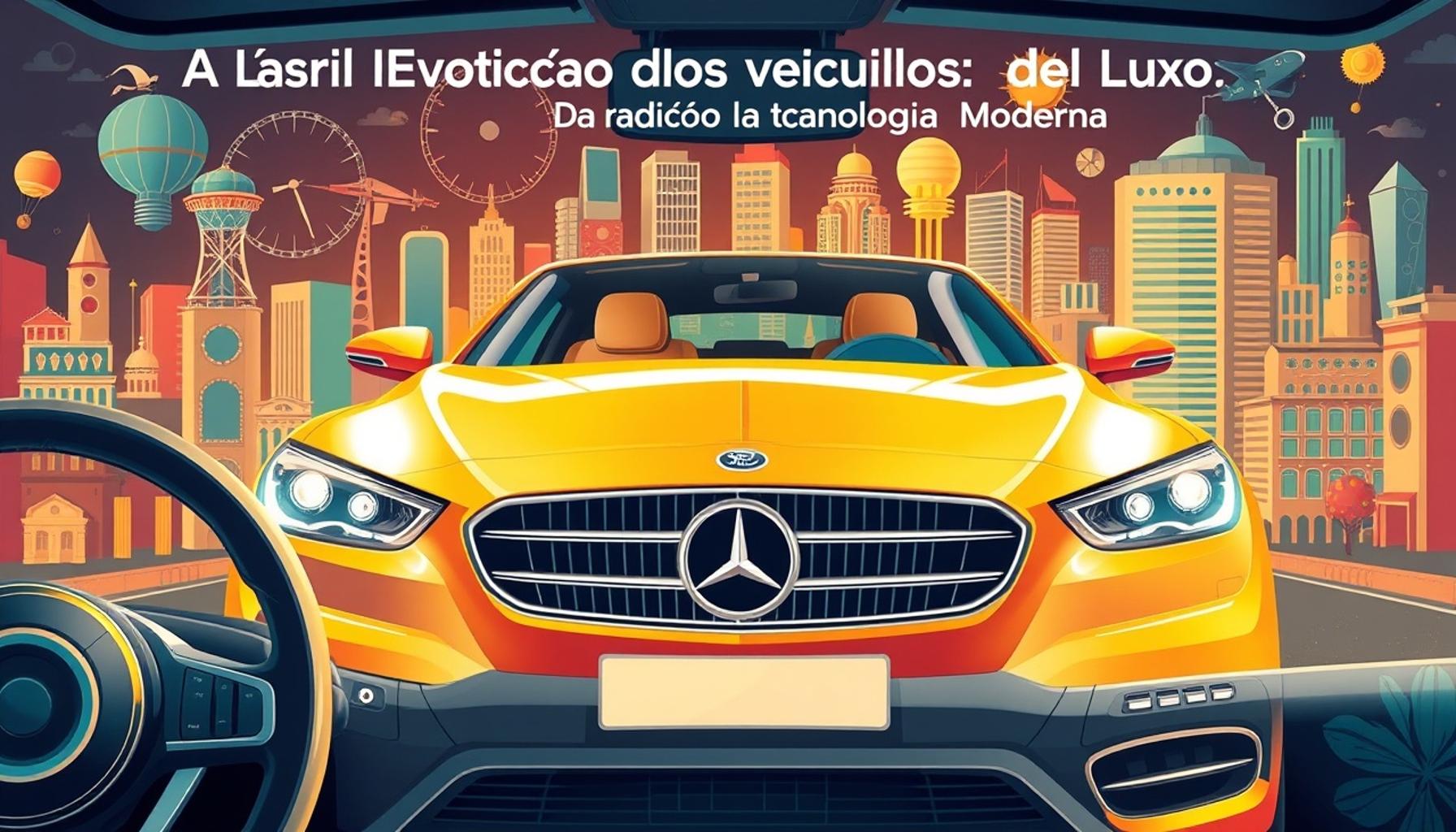
Over the years, the landscape of luxury vehicles has seen a rapid transformation, straddling the line between tradition and modernity. Unlike the opulent cars of the early 20th century that were primarily valued for their intricate craftsmanship and lavish details, today’s luxury automobiles represent a sophisticated blend of cutting-edge technology and premium comfort. This paradigm shift not only reflects advancements in automotive design but also caters to the evolving preferences of discerning drivers.
One of the most notable changes in luxury vehicles is the integration of technological advancements. Features like autonomous driving have moved from the realm of science fiction to reality, with manufacturers such as Tesla leading the charge. Models like the Tesla Model S and the Mercedes-Benz EQS offer capabilities that allow the vehicle to navigate and drive itself in specific conditions. Additionally, the inclusion of virtual cockpits, which replace traditional analog dashboards with customizable digital displays, and real-time navigation options enhance the user experience further. This technology not only improves driver awareness but also helps minimize distractions, promoting safer driving experiences.
Another key area of focus for luxury brands is sustainability. The environmental impact of gas-powered vehicles has prompted a significant shift towards electric and hybrid models. Brands like Jaguar and Porsche have introduced electric versions of their iconic vehicles, such as the Jaguar I-PACE and the Porsche Taycan, which offer impressive performance while significantly reducing carbon footprints. This push not only addresses the concerns of environmentally conscious consumers but also sets a new standard for luxury, where sustainability and elegance coexist harmoniously.
Customization has also emerged as a hallmark of modern luxury. High-end manufacturers now allow buyers a remarkable degree of personalization, from bespoke exterior colors to custom interior materials and unique finishes. Brands like Rolls-Royce even offer a “Bespoke Program,” enabling customers to craft vehicles that reflect their individual tastes and lifestyles. This level of customization transforms the automobile from a mere means of transportation into a personal statement.
In summary, the shift from traditional luxury to a more technology-driven paradigm showcases not just a change in aesthetics but also a significant response to the demands of contemporary society. As the automotive industry continues to innovate, understanding this evolution helps illuminate future trends in luxury vehicles. From technological breakthroughs to a commitment to sustainability and personalization, the future of luxury driving is not just about traveling in style; it is about a holistic experience that prioritizes performance, safety, and the environment. This journey into the world of luxury vehicles invites us to explore the intersection of history, innovation, and the expectations of modern drivers, leaving many eager to see what lies ahead.
DISCOVER MORE: Click here to learn about customization options
Tradition Meets Innovation: The Transition of Luxury Automobiles
The concept of luxury vehicles has undergone a remarkable metamorphosis, evolving from the grand and ostentatious designs of early automobiles to the sleek, tech-savvy models we see on the roads today. In the early 20th century, luxury was defined by exclusivity and intricate craftsmanship. Brands such as Rolls-Royce and Bentley set benchmarks for high-quality materials, impeccable engineering, and detailed craftsmanship. Each vehicle was a symbol of status, often handmade and customizable to the owner’s specifications. These early luxury cars were as much a testament to the opulence of their owners as they were to the skills of the artisans crafting them.
As society progressed through the decades, so did the definition of luxury. The mid-to-late 20th century saw the rise of innovation alongside traditional standards. Automakers began incorporating features that enhanced comfort and convenience, such as air conditioning, high-fidelity sound systems, and advanced safety measures. Brands like Mercedes-Benz and BMW pioneered these changes, giving birth to the modern luxury sedan, which balanced performance with passenger comfort. Yet, as consumers became more discerning, the demand for technological advancements within luxury vehicles grew exponentially.
The Rise of Technology in Luxury Vehicles
Today, the modern luxury vehicle is not just a status symbol; it serves as a testament to the integration of advanced technology in the automotive sector. Features that were once novelties are now standard inclusions, transforming driver experiences and expectations. Some of the most impactful technological advancements include:
- Driver Assistance Systems: Adaptive cruise control, lane-keeping assist, and blind-spot monitoring have reshaped how drivers interact with their vehicles.
- Infotainment Systems: The fusion of connectivity and entertainment allows passengers to access music, navigation, and communication with ease, often via intuitive touch screens or voice commands.
- Performance Enhancements: The introduction of hybrid and electric powertrains not only enhances performance but also meets consumer demand for sustainability.
This leap towards technological sophistication means that today’s luxury pontiff cars do more than just look good. They enhance driver safety, increase efficiency, and promote connectivity, allowing luxury brands to stand out in a competitive market. Moreover, with the increasing onset of autonomous technology, the very idea of driving is being redefined, potentially transforming the automobile from a personal driver into a mobile living space.
As consumers continue to embrace these technological innovations, automotive manufacturers find themselves in a race not just to produce beautiful vehicles, but to create a seamless blend of technology, safety, and comfort. This transformation emphasizes how the definition of luxury is shifting from mere aesthetics to a comprehensive experience that encompasses lifestyle, efficiency, and ecological responsibility.
In conclusion, the evolution of luxury vehicles serves as a reflection of societal progress, aspirations, and technological advancements. As we delve deeper into the effects of sustainability and customization in the next section, we can better appreciate the intricate dance between tradition and modern technology in shaping the luxury automotive landscape.
| Category | Key Features |
|---|---|
| Advancement in Technology | The integration of AI, autonomous driving, and advanced infotainment systems enhancing user experience. |
| Eco-Friendly Innovations | Introduction of hybrid and electric vehicles reduces carbon footprint, appealing to environmentally conscious consumers. |
The evolution of luxury vehicles has been shaped significantly by the emergence of new technologies. Not only has this evolution enhanced performance, but it has also transformed the driving experience into a highly sophisticated interaction between the driver and the car. Innovations such as artificial intelligence assist in offering personalized driving settings, adaptive cruise control, and smart navigation systems that adjust routes based on real-time traffic. Integrated infotainment systems provide seamless connectivity to smartphones and entertainment sources, making every journey enjoyable.Furthermore, as climate change takes center stage, luxury brands are notably investing in eco-friendly innovations. The market for hybrid and electric vehicles is expanding rapidly, with manufacturers offering luxurious options that don’t compromise on performance. This shift not only caters to the growing demographic of environmentally aware consumers but also establishes luxury brands as leaders in sustainable technology. The blend of tradition and innovation continues to reshape the landscape of luxury automobiles, intriguing potential buyers and challenging the status quo.
DISCOVER MORE: Click here to learn about the role of AI in luxury driving
The Impact of Sustainability on Luxury Automotive Design
As the narrative of luxury vehicles unfolds, a significant chapter now focuses on the integration of sustainability into automotive design. The environmental consciousness that has become prevalent across American society is reshaping how luxury brands innovate their offerings. Consumers are looking for a sense of responsibility and ethical production in the vehicles they choose, leading high-end brands to consider their carbon footprint seriously.
Many luxury automobile manufacturers are redefining their approach through investments in eco-friendly materials and manufacturing processes. For example, brands like Tesla and BMW are at the forefront of utilizing materials such as recycled plastics and sustainable leather alternatives in their interiors. This shift not only signifies a commitment to sustainability but also enhances the aesthetic appeal of the vehicles, promoting a modern luxuriousness that resonates with eco-conscious consumers.
Electric vehicles (EVs) are also becoming synonymous with luxury. The Tesla Model S, for instance, combines cutting-edge technology and performance with zero emissions, appealing to a demographic keen on embracing sustainable innovation without compromising on luxury. Traditional luxury players are not left behind; brands like Audi, Porsche, and Mercedes-Benz are rolling out electric models that embody both style and functionality, demonstrating a blend of sustainability and the high-performance aspects that luxury buyers expect.
The Role of Customization in Modern Luxury Vehicles
As the market evolves, the reliance on customization has increased, allowing luxury automakers to offer bespoke experiences tailored specifically to their clients’ desires. This aspect of personalization not only reflects the individuality of luxury consumers but is becoming an expectation within the segment. From tailored interiors featuring unique stitching and color palettes to personalized audio systems and driver profiles, brands are focusing on creating vehicles that align with the personal tastes of their clientele.
Companies like Rolls-Royce take the concept of customization to an unparalleled level, where clients often engage directly in their vehicle’s creation process through the “Bespoke” program. This dedication to personalization guarantees that each vehicle is not just a mode of transport but a reflection of the owner’s personal identity. The phenomenon is also evident in brands such as Bentley, where customers can choose from a variety of woods, leathers, and finishes to create a unique driving experience, showcasing the fine line between tradition and modern luxury standards.
Luxury and Connectivity: A New Age Experience
In today’s digital age, connectivity is more than just an amenity; it has become a vital component in luxury vehicles. The integration of advanced technologies such as the Internet of Things (IoT) and mobile applications allows consumers to connect their devices with their vehicles, creating a cohesive ecosystem that enhances their driving experience. Features such as vehicle health reporting, remote start, and navigation updates provide convenience while promoting user engagement.
In response to these trends, luxury brands are incorporating AI systems that learn the preferences of the driver and adapt automatically to improve comfort and performance. The integration of voice-activated controls, such as those found in the latest versions of Mercedes-Benz’s MBUX system, exemplifies this trend, allowing for a hands-free, intuitive interaction between the driver and the vehicle. Through these technological advancements, luxury vehicles are re-defined to offer not only aesthetics and performance but also a connected lifestyle.
This shift in luxury vehicle innovation reflects a larger societal movement towards a future where sustainability, customization, and connectivity converge, making the next wave of luxury cars fundamentally different from their predecessors. Understanding these developments invites deeper contemplation about what the luxury automobile will become as technology and consumer expectations continue to advance.
DISCOVER MORE: Click here to find out how AI is revolutionizing luxury driving
Conclusion: The Future of Luxury Vehicles
The evolution of luxury vehicles is a compelling narrative that mirrors the changing desires and values of consumers. From their traditional artistry rooted in craftsmanship to the modern incorporation of technology and sustainability, luxury cars are undergoing a transformative journey that reflects broader societal trends.
As we look to the future, it is evident that the fusion of technology with the luxury experience is becoming the hallmark of contemporary automotive design. Features that once seemed futuristic—such as deep customization options and intelligent connectivity—are now expected standards among discerning buyers. The push towards eco-friendly materials and electric vehicles not only brings ethical considerations into play but also enhances the perception of luxury, making it incompatible with outdated notions of excess.
The ability for consumers to personalize their vehicle experience, as exemplified by brands like Rolls-Royce and Bentley, further emphasizes a shift towards a more individualized product, turning each car into a statement of personal identity. Combining this with cutting-edge technology ensures that luxury vehicles not only cater to aesthetics but also adapt dynamically to enhance the overall driving experience.
As manufacturers evolve, embracing these innovations will be essential for maintaining relevance within the luxury segment. The intersection of tradition, modernity, and sustainability will define the next generation of luxury vehicles, inviting consumers to reconsider how they engage with the automotive world. As we stand on the threshold of this exciting new era, the exploration of luxury vehicles—once purely a status symbol—now invites us to ponder our future relationship with automotive luxury in a more conscientious, connected, and personalized world.