Urban Pressure and the Need for Change
The exponential growth of urban populations worldwide brings with it a host of challenges, particularly in the United States where cities are grappling with the dual crises of pollution and traffic congestion. According to the U.S. Census Bureau, urban areas are expected to account for nearly 90% of the population by 2050, exacerbating issues related to air quality and mobility. As the impacts of climate change become increasingly pronounced, transitioning towards eco-friendly cars and embracing innovative urban mobility solutions is not just a progressive ideal; it is an urgent necessity.
Innovative Strategies for Sustainable Transportation
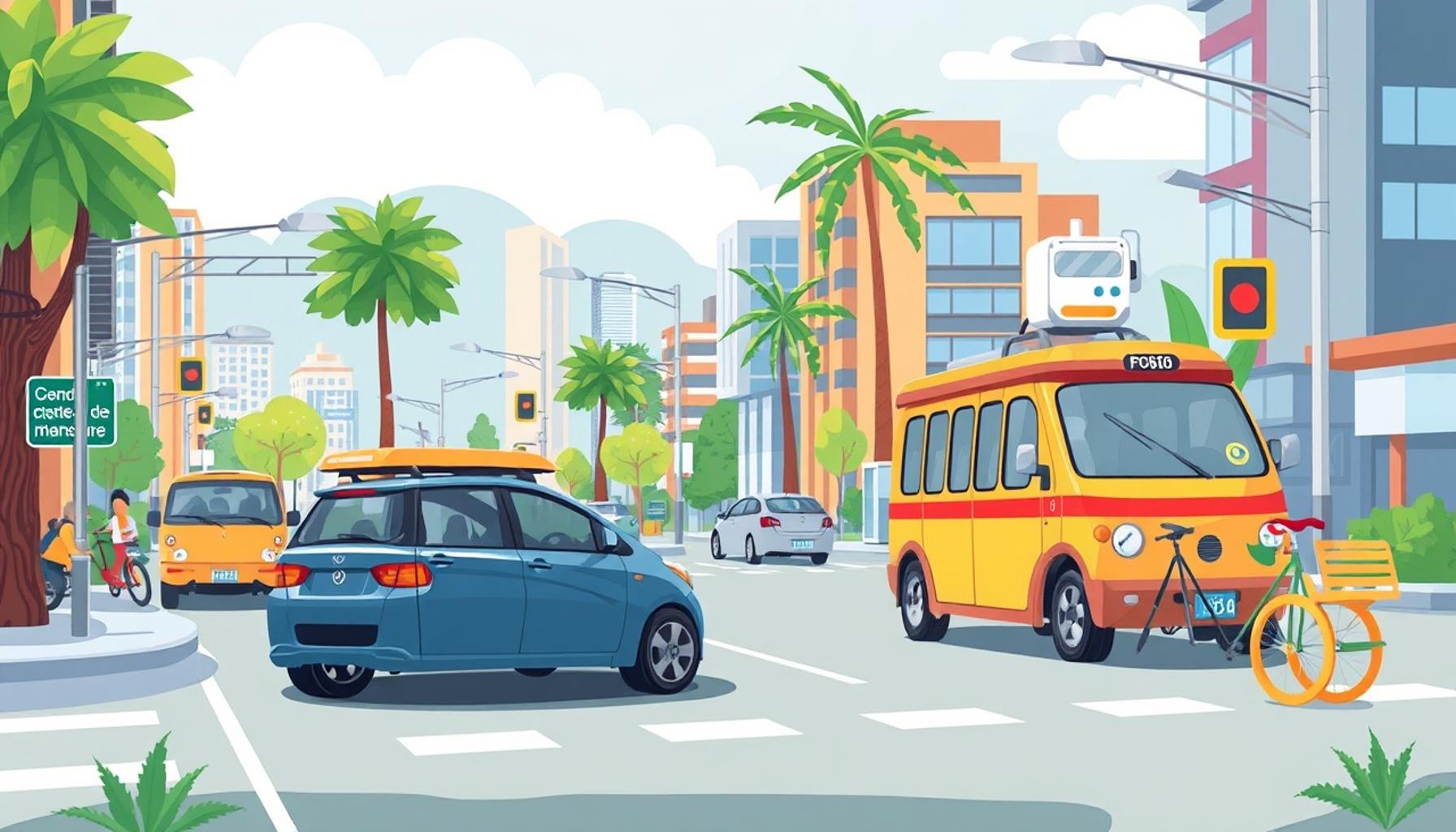
In response to these mounting pressures, future-ready cities are deploying a range of strategies aimed at integrating sustainable transportation options. Key initiatives include:
- Electric and Hybrid Vehicles: The shift towards electric and hybrid cars, such as Tesla’s Model 3 or the Toyota Prius, is crucial for reducing greenhouse gas emissions. Cities are also incentivizing consumers through tax credits and rebates, making these vehicles more accessible to the general public.
- Bike-Sharing Programs: Numerous U.S. cities, including New York and Washington D.C., have successfully implemented bike-sharing programs that offer an eco-friendly alternative to traditional commuting. These systems not only provide an exercise option but also help alleviate congested roadways.
- Smart Public Transportation Systems: Cities like Los Angeles are leveraging technology to enhance the efficiency and accessibility of public transit. Smart card systems, real-time tracking apps, and integrated networks are making it easier for residents to navigate their journeys while minimizing their environmental footprint.
Case Studies: Leading by Example
Pioneering cities such as San Francisco and Seattle are at the forefront of these green transportation initiatives, demonstrating a commitment to sustainable urban mobility. For instance, San Francisco has implemented an extensive network of electric buses and has ambitious plans to convert its entire fleet to zero-emission vehicles by 2035. Similarly, Seattle has introduced measures like bus rapid transit and light rail expansions, aiming to provide affordable and efficient public transit options for all residents.
The Importance of Collaboration
As we analyze the landscape of sustainable cities, it becomes evident that collaboration among government entities, private industries, and local communities is essential for fostering lasting change. Partnerships with tech companies can support advancements in transportation apps and infrastructure, while community engagement ensures that the solutions implemented address the unique needs of each neighborhood.
In conclusion, the push towards a more sustainable urban future hinges on the successful integration of eco-friendly cars and innovative transportation solutions. By examining successful initiatives and fostering collaboration, cities across the U.S. have the potential to set a blueprint for environmentally responsible urban living. It is imperative for stakeholders at all levels to continue exploring these transformative possibilities, ensuring that future generations inherit vibrant, sustainable urban environments.
DON’T MISS: Click here to discover essential seasonal maintenance tips
Innovative Strategies for Sustainable Transportation
As urban centers become more crowded, cities across the United States are facing the pressing need to modernize their transportation systems. This shift is not simply about upgrading infrastructure; it involves a profound transformation towards eco-friendly cars and adopting innovative solutions that prioritize sustainability and efficiency. To respond to these demands, urban planners and policymakers are implementing a range of strategies designed to reshape urban mobility.
One of the most significant advancements in sustainable transportation is the increasing prevalence of electric and hybrid vehicles. Automakers such as Tesla, Nissan, and Chevrolet are leading the charge with models that boast zero emissions and reduced reliance on fossil fuels. Government incentives, such as tax credits and rebates, are encouraging consumers to make the switch, thus supporting a broader shift in emission reduction goals. According to a recent report from the International Energy Agency, electric vehicle sales in the United States jumped by over 40% in just one year, highlighting a growing consumer acceptance of these vehicles.
In parallel with the rise of electric cars, many cities are embracing bike-sharing programs as an effective means of promoting environmentally friendly transportation. Programs like Citi Bike in New York City and the Capital Bikeshare in Washington D.C. have gained popularity, offering residents and visitors an easily accessible way to navigate urban environments. Not only do these bike-sharing systems help decrease the number of vehicles on the road, but they also promote healthier lifestyles by encouraging physical activity. A study conducted by the National Institute for Transportation and Communities found that bike-sharing participants reported a significant increase in their daily exercise habits.
Moreover, the integration of smart public transportation systems is revolutionizing how urban dwellers access transit. Cities such as Los Angeles and Chicago are leveraging cutting-edge technology to enhance efficiency and user experience. Innovations such as real-time tracking apps and smart card systems streamline the commuter experience while improving service reliability. This technological support is crucial, as studies indicate that improved public transit services can reduce the number of personal vehicles on the road by up to 10%, significantly alleviating congestion and cutting emissions.
As urban mobility evolves, sustainable practices are becoming embedded in the fabric of city planning. The drive towards eco-friendly transportation solutions shows promise, but it also presents challenges that require cohesive efforts among various stakeholders. Collaboration between public and private sectors, alongside community input, ensures that transportation initiatives are tailored to meet the unique needs of each locale.
While the transition to sustainable urban mobility is underway, continued focus on innovation, infrastructure development, and community engagement will be essential for creating lasting change. As cities strategize to reclaim their streets for cleaner air and less congestion, the blend of eco-friendly cars and smart urban transport solutions emerges as a beacon of hope for a sustainable future.
| Advantages | Key Features |
|---|---|
| Reduced Carbon Emissions | Eco-friendly cars, especially electric vehicles, drastically decrease harmful emissions, paving the way for cleaner urban air. |
| Enhanced Urban Mobility | Innovative solutions, such as shared mobility services, enable seamless transportation options and reduce traffic congestion. |
In addition to the visible benefits discussed in the table, it’s essential to emphasize the role of sustainable infrastructure in promoting eco-friendly cars. Cities are beginning to install charging stations for electric vehicles, making them more accessible. Furthermore, urban planners are integrating bike lanes and pedestrian pathways into city designs, showcasing a commitment to minimizing the reliance on gas-powered vehicles.Moreover, the proliferation of smart technology is revolutionizing urban mobility. Data analytics and mobile applications provide real-time information on public transport and available shared vehicles, optimizing travel routes. This results in enhanced convenience and user satisfaction, promoting higher rates of public transport use and shared mobility.Additionally, adopting eco-friendly cars boosts economic growth through innovation in the automotive market. This sector is witnessing increased investment in research and development, which leads to job creation and technological advancements. In essence, the transition to cleaner modes of transport is not just an environmental issue but a comprehensive strategy for urban development and sustainability.
DISCOVER MORE: Click here to delve deeper
Transforming Urban Landscapes with Eco-Friendly Mobility
The integration of eco-friendly cars into urban environments necessitates not only the vehicles themselves but also the accompanying infrastructure that supports their use. As cities adapt to accommodate electric and hybrid vehicles, a well-developed network of charging stations becomes essential. Currently, there are over 100,000 public charging stations across the United States, and this number is projected to grow significantly as more models hit the market and consumer demand rises. Cities like San Francisco and Seattle are at the forefront of this evolution, having implemented city-wide initiatives to ensure that residents have easy access to charging options, thereby encouraging widespread adoption of electric vehicles.
Another innovative component in the urban mobility landscape is the introduction of autonomous vehicles, which promise to enhance safety while reducing emissions. Companies such as Waymo and Cruise are actively testing self-driving cars in urban settings, eyeing significant reductions in traffic congestion and accident rates. Research indicates that autonomous vehicles could decrease road fatalities by up to 90% due to their ability to eliminate human error. Furthermore, these vehicles can be paired with car-sharing services, allowing multiple users to benefit from a single vehicle, thus reducing the overall number of cars needed in congested city areas.
The rise of micro-mobility solutions is also transforming urban transport dynamics. Electric scooters and e-bikes are gaining traction as viable alternatives for short-distance travel. Cities like Austin and Portland have witnessed a boom in these services, with companies like Lime and Bird making them readily available through user-friendly apps. A study from the University of Kentucky reported that 40% of micro-mobility users reported out of the necessity of abandoning their cars for short trips. This shift not only eases the burden on public transport but also contributes to reduced emissions and improved air quality.
Furthermore, urban green spaces play a pivotal role in creating sustainable urban mobility. Parks, pedestrian walkways, and green corridors promote walking and cycling, enabling residents to maintain an active lifestyle while decreasing dependence on motor vehicles. The concept of 15-minute cities, where essential services are within a quarter-hour’s reach by foot or bike, is gaining traction in cities like Paris and Melbourne, demonstrating how urban design can elevate sustainable transportation practices and foster communities.
Moreover, innovative policies such as congestion pricing are being introduced in major cities to deter unnecessary car travel and fund public transport improvements. New York City’s proposed congestion pricing plan aims to charge drivers entering the most congested parts of Manhattan, using the revenue generated to enhance public transit services and promote cleaner travel alternatives. Similar models have proven successful in cities like London and Stockholm, which have reported reduced traffic and improved air quality as a result of such initiatives.
As cities navigate the complexities of integrating eco-friendly cars and exploring innovative urban mobility solutions, collaboration with community stakeholders becomes vital. Involving local populations in the planning process ensures the development of solutions that are not only technologically advanced but also socially inclusive and tailored to the unique characteristics of diverse neighborhoods. Continuous dialogue between citizens, businesses, and government agencies will be essential for fostering a sustainable, smart urban future.
DIVE DEEPER: Click here to discover more about driver assistance technology
Conclusion: Paving the Way for Sustainable Urban Futures
The future of urban mobility lies in the harmonious integration of eco-friendly cars and innovative transport solutions that prioritize sustainability. As cities across the United States evolve to embrace electric vehicles, autonomous technology, and micro-mobility options, the transformation of urban landscapes signifies a shift towards a greener, more efficient travel ecosystem. The expansion of vital infrastructures such as charging stations and safe pathways for walkers and cyclists is essential for this transition, fostering an environment that encourages the choice of cleaner forms of transportation.
Moreover, innovative policies—from congestion pricing to the implementation of 15-minute cities—reinforce the commitment to reducing emissions and enhancing public transport systems. Such measures not only aim to alleviate traffic congestion but also to improve air quality and promote healthier lifestyles within urban settings. Cities like New York and Paris are leading by example, showcasing how well-planned strategies can contribute to sustainable urban life.
However, the successful realization of these initiatives requires active participation from citizens, businesses, and policymakers alike. By fostering open dialogues and community engagement, cities can develop tailored solutions that cater to the unique needs of diverse populations. As we move forward, the synergy between technology and urban planning will be crucial in shaping sustainable cities that are environmentally friendly, socially inclusive, and economically viable. Ultimately, the embrace of eco-friendly cars and innovative mobility solutions marks not just a trend, but a vital step towards creating resilient urban futures for generations to come.