
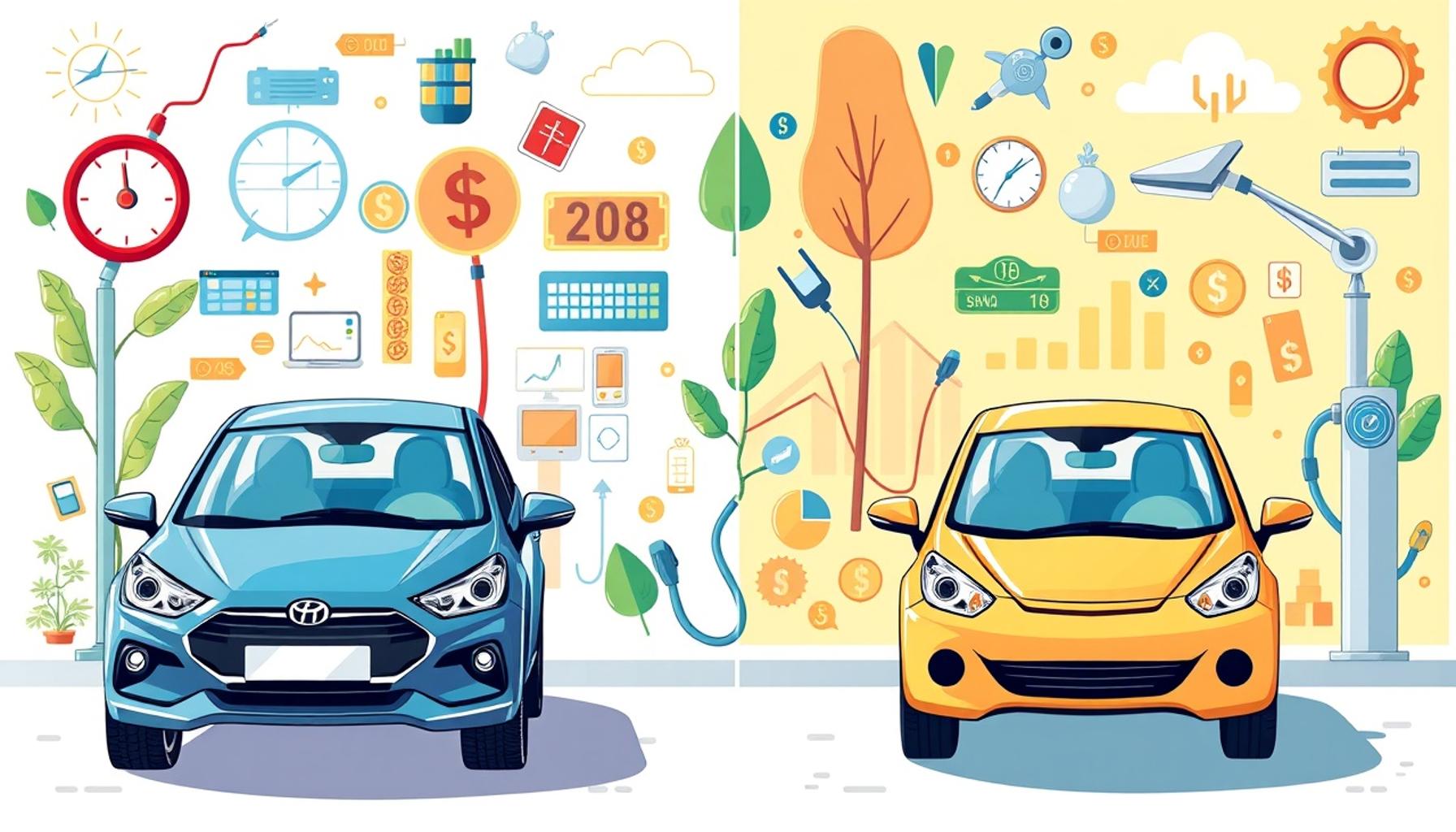
Comprehensive Comparison of Hybrid and Electric Vehicles
In our rapidly evolving world, the call for sustainable practices is reshaping various industries, notably the automotive sector. As consumers become increasingly aware of their environmental footprints, the spotlight shines brightly on hybrid and electric vehicles. These innovative options offer distinct paths toward reducing carbon emissions, but a closer look is essential to discern which one truly excels in eco-friendliness.
Hybrid Cars: A Blend of Power Sources
Hybrid vehicles represent a fusion of traditional gasoline engines and electric power, designed to enhance fuel efficiency and reduce emissions. One of the standout features of hybrids is their battery assist, which momentarily takes over during acceleration, allowing for a decrease in gasoline consumption. Additionally, the regenerative braking system captures energy typically lost during braking, converting it into electricity to recharge the battery, further optimizing efficiency.
Hybrids are particularly appealing for those who worry about running out of battery since they offer range flexibility. In everyday scenarios where charging stations may not be readily available, hybrid owners can seamlessly transition to gasoline power, providing convenience while still supporting eco-friendliness.
Electric Cars: The Future of Clean Driving
Conversely, electric vehicles (EVs) operate solely on electric power, which positions them as a frontrunner for sustainable transportation. One of their most significant advantages is the absence of tailpipe emissions, dramatically reducing air pollution and contributing to cleaner urban environments. Furthermore, they are known for their lower operating costs; without the need for gasoline, EVs allow owners to save significantly on fuel expenses. Maintenance costs can also be lower, as electric motors have fewer moving parts compared to traditional engines.
Another compelling aspect of electric cars is the array of government incentives available to U.S. buyers, including tax credits and rebates that make purchasing them more appealing. For example, in many states, EV buyers can benefit from rebates of several thousand dollars, significantly offsetting the initial price of these vehicles.
Factors Influencing Your Choice
When deciding between a hybrid and an electric car, various factors come into play. Driving habits are crucial; those with long daily commutes may prefer the flexibility of hybrids, especially where charging infrastructure is limited. It’s also essential to consider the availability of charging stations, which can greatly affect the practicality of owning an electric vehicle. Finally, budget constraints can influence this decision as the purchase price of electric vehicles tends to be higher, although savings in fuel and maintenance costs can balance the initial investment over time.
As the automotive landscape continues to evolve, it becomes increasingly important to weigh the benefits and drawbacks of hybrids and electric vehicles. Understanding these options in-depth enables consumers to make well-informed decisions that align with their values and lifestyle needs while contributing to a greener future.
DISCOVER MORE: Click here to learn how to check your car at home
Understanding the Eco-Friendliness of Hybrid and Electric Cars
To truly grasp the eco-friendly credentials of hybrid and electric vehicles, it’s essential to dissect the technology that powers them. While both options aim to minimize environmental impact, their operational mechanisms and implications for sustainability differ significantly. Knowing these could help consumers make an informed decision that not only aligns with their lifestyle but also contributes positively to the planet.
Hybrid Cars: The Pros and Cons
Hybrid vehicles are often regarded as a stepping stone toward more sustainable transportation. Their dual power sources create a unique dynamic, allowing for effective energy consumption. Some of the notable advantages of hybrid cars include:
- Better Fuel Economy: Hybrids typically consume less gasoline due to their electric assist, which can lead to a significant reduction in fuel costs.
- Reduced Emissions: While still reliant on gasoline, hybrids emit fewer pollutants than conventional vehicles, making them a more eco-conscious choice.
- Convenience: With the ability to operate on gasoline, hybrid vehicles eliminate the range anxiety associated with electric cars, appealing to those who take long trips or live in areas where charging infrastructure is limited.
However, there are some downsides to consider. The production of hybrid vehicles often involves complex systems that can lead to higher carbon footprints during manufacturing. Moreover, the dependency on fossil fuels continues to pose a challenge when it comes to reducing overall emissions.
Electric Cars: Advantages and Challenges
On the other hand, electric vehicles are heralded as the future of eco-friendly driving. Operating solely on electricity, they eliminate tailpipe emissions altogether and are generally viewed as more sustainable long-term solutions. Key advantages include:
- No Tailpipe Emissions: EVs produce zero emissions at the point of use, significantly contributing to cleaner air quality in urban areas.
- Lower Operating Costs: Charging an electric vehicle is typically less expensive than fueling a gasoline car, resulting in lower costs over the vehicle’s lifetime.
- Innovations and Izadas: Electric vehicles benefit from advances in battery technology, leading to improvements in performance, range, and charging times.
Despite these advantages, potential EV buyers should be aware of challenges. Range limitations on a single charge can be daunting, particularly in areas where charging stations are sparse. Furthermore, the production of electric car batteries often involves environmentally taxing processes, raising questions about the total lifecycle impact of these vehicles.
Which Option is Truly Eco-Friendly?
As consumers navigate the choice between hybrid and electric vehicles, understanding the broader implications of each option is critical. The debate isn’t merely about which is better for the environment; it’s about the specific context in which these vehicles are used. An informed decision hinges on personal circumstances such as daily commute, access to charging stations, and overall lifestyle. By weighing the outlined advantages and challenges, consumers can align their choice with their values, contributing to a sustainable future.
Understanding the Eco-Friendly Benefits
The ongoing shift towards eco-friendly transportation has brought hybrid and electric cars to the forefront of automobile technology. While both options aim to reduce emissions and promote sustainability, they do so in distinct ways that appeal to different consumer needs. This section delves into the specifics of each type, highlighting their advantages and helping consumers make informed choices.
Hybrid Cars: Bridging the Gap
Hybrid vehicles combine a conventional internal combustion engine with an electric propulsion system, allowing for greater fuel efficiency. One of their primary advantages is their ability to switch between the two power sources, which can lead to significantly lower fuel costs and enhanced driving range. For those who frequently cover long distances and worry about the availability of charging stations, hybrids provide an essential middle ground. They also contribute to reduced emissions compared to traditional petrol or diesel cars, actively promoting cleaner air quality.
Electric Cars: The All-Electric Revolution
On the other hand, electric vehicles (EVs) run entirely on electric power, offering zero tailpipe emissions. This translates to a reduced carbon footprint, especially if charged using renewable energy sources like solar or wind. Furthermore, electric cars can benefit from government incentives, such as tax credits and rebates, making them more appealing from a financial standpoint. Additionally, the technology in EVs is rapidly advancing, with improvements in battery life and charging infrastructure making them increasingly practical for everyday use.
Cost Considerations
Both hybrid and electric vehicles come with their respective upfront costs, but potential savings emerge over time through lower fuel expenses and maintenance. Hybrids generally require more maintenance than their all-electric counterparts, as they still rely on gasoline engines. Electric vehicles, while they may be pricier initially, provide significant savings in fuel and maintenance due to fewer moving parts in their electric motors.
| Category | Advantages |
|---|---|
| Hybrid Cars | Switch between fuel sources for efficiency; reduced emissions. |
| Electric Cars | Zero emissions; potential savings through incentives; simpler maintenance. |
By weighing the benefits of each vehicle type against personal driving habits and environmental goals, consumers can determine which vehicle suits their lifestyle best. As the automotive industry continues to evolve, both hybrid and electric vehicles are key players in reducing our carbon footprint.
DISCOVER MORE: Click here for insights on vehicle maintenance
Factors Influencing Eco-Friendliness in Hybrid and Electric Cars
When determining the eco-friendliness of hybrid and electric vehicles, various factors must be taken into account beyond just the drivetrain technology. The full cycle—from manufacturing to usage and disposal—plays a significant role in assessing the environmental impact of each vehicle type.
Life Cycle Analysis: Manufacturing to Disposal
The manufacturing process for both hybrid and electric vehicles is energy-intensive and has its own environmental repercussions. For electric cars, the production of lithium-ion batteries, essential for their operation, often involves mining for rare materials such as lithium, cobalt, and nickel. This extraction process can lead to environmental degradation and significant carbon emissions. Studies have shown that the manufacturing of electric vehicles can initially contribute more to global warming than traditional gasoline cars, primarily due to battery production.
In contrast, hybrid cars have their own manufacturing concerns, including the complexity of their systems. However, they usually require smaller batteries than electric vehicles, potentially leading to a lower environmental cost in terms of raw material extraction. Moreover, the overall carbon footprint during the entire manufacturing process is often less than that of fully electric cars due to the lesser amount of battery material needed.
Energy Sources: The Power Behind the Wheels
Another critical aspect of eco-friendliness is the source of the electricity used to charge electric vehicles. In the United States, the energy mix varies dramatically across regions. In states where coal is still a prominent energy source, such as West Virginia, charging an electric vehicle might not be as environmentally friendly as initially perceived. However, states like California and Washington utilize a higher proportion of renewable energy, enhancing the sustainability of electric cars significantly. Therefore, the true eco-friendliness of an electric vehicle can depend heavily on local energy policies and the predominant sources of electricity.
- Renewable Energy Integration: Increasing investments in renewable energy, such as solar and wind, coupled with advancements in energy storage, could significantly improve the environmental viability of electric vehicles over time.
- Smart Grid Implementation: The effectiveness of electric car charging can also depend on how well integrated the grid is, as smarter charging options can make EV adoption more efficient and sustainable.
End-of-Life Implications: Recycling and Reuse
The end-of-life phase of vehicles is often overlooked in sustainability discussions. Hybrid and electric vehicles can be equipped with rechargeable batteries, which, if not properly recycled, could contribute to significant waste. Salvaging materials from batteries through effective recycling processes can mitigate some environmental negatives associated with both vehicle types.
Regulations and innovations in battery recycling are increasingly crucial. For instance, companies are exploring ways to repurpose electric vehicle batteries in energy storage systems, thus extending their life and usability beyond automotive applications. As the demand for sustainable solutions grows, the automotive industry is expected to pivot towards more innovative recycling practices that can enhance the sustainability profile of both hybrids and EVs.
In summary, while hybrid and electric cars offer compelling pathways toward reducing our reliance on fossil fuels, the intricacies of their environmental impact spotlight the necessity for consumers to consider multiple facets—including how the vehicles are produced, powered, and eventually retired—when determining which option might be the best eco-friendly choice for their individual circumstances.
DISCOVER MORE: Click here to learn about IoT’s impact on automobiles</a
Conclusion: Which Eco-Friendly Option Reigns Supreme?
In the quest for eco-friendly transportation solutions, both hybrid and electric cars present unique advantages and challenges that must be carefully considered. While electric vehicles (EVs) offer the promise of zero tailpipe emissions, their environmental impact is significantly influenced by battery production and the sources of electricity used for charging. In regions where clean energy prevails, the sustainability of EVs is greatly enhanced, making them a compelling choice for environmentally conscious consumers.
On the other hand, hybrid vehicles strike a balance by utilizing a combination of gasoline and electric power, potentially reducing emissions during operation. Their smaller batteries result in less environmentally taxing manufacturing, making them a more accessible transition toward greener alternatives for many drivers. However, their dependence on fossil fuels means that the shift towards a fully sustainable future remains incomplete.
Ultimately, the determination of which vehicle is the “best” eco-friendly option is not a straightforward decision. Factors such as local energy policies, driving habits, and future innovations in battery recycling and renewable energy integration play a pivotal role. As consumers become more savvy about these aspects, they can make informed decisions that align with their values and environmental goals.
As we advance towards a more sustainable transportation landscape, both hybrid and electric cars will remain key players. It is essential to stay informed about developments in technology and energy sources to evaluate their eco-friendliness continually. The path to reducing our carbon footprint involves understanding and embracing the unique contributions both vehicles can make in the broader context of environmental sustainability.