Revolutionizing the Road Ahead
As the automotive industry evolves, augmented reality (AR) emerges as a transformative technology reshaping the way drivers interact with their vehicles. Gone are the days of simple dashboards and static information displays. Today, drivers can experience real-time data integration, providing a significantly enhanced driving experience. With the potential to connect drivers more intuitively to their vehicles, AR technology is gearing up to redefine traditional practices in the automotive landscape.
Why Augmented Reality Matters
The integration of AR into vehicles offers numerous benefits, leading to safer and more efficient driving experiences:
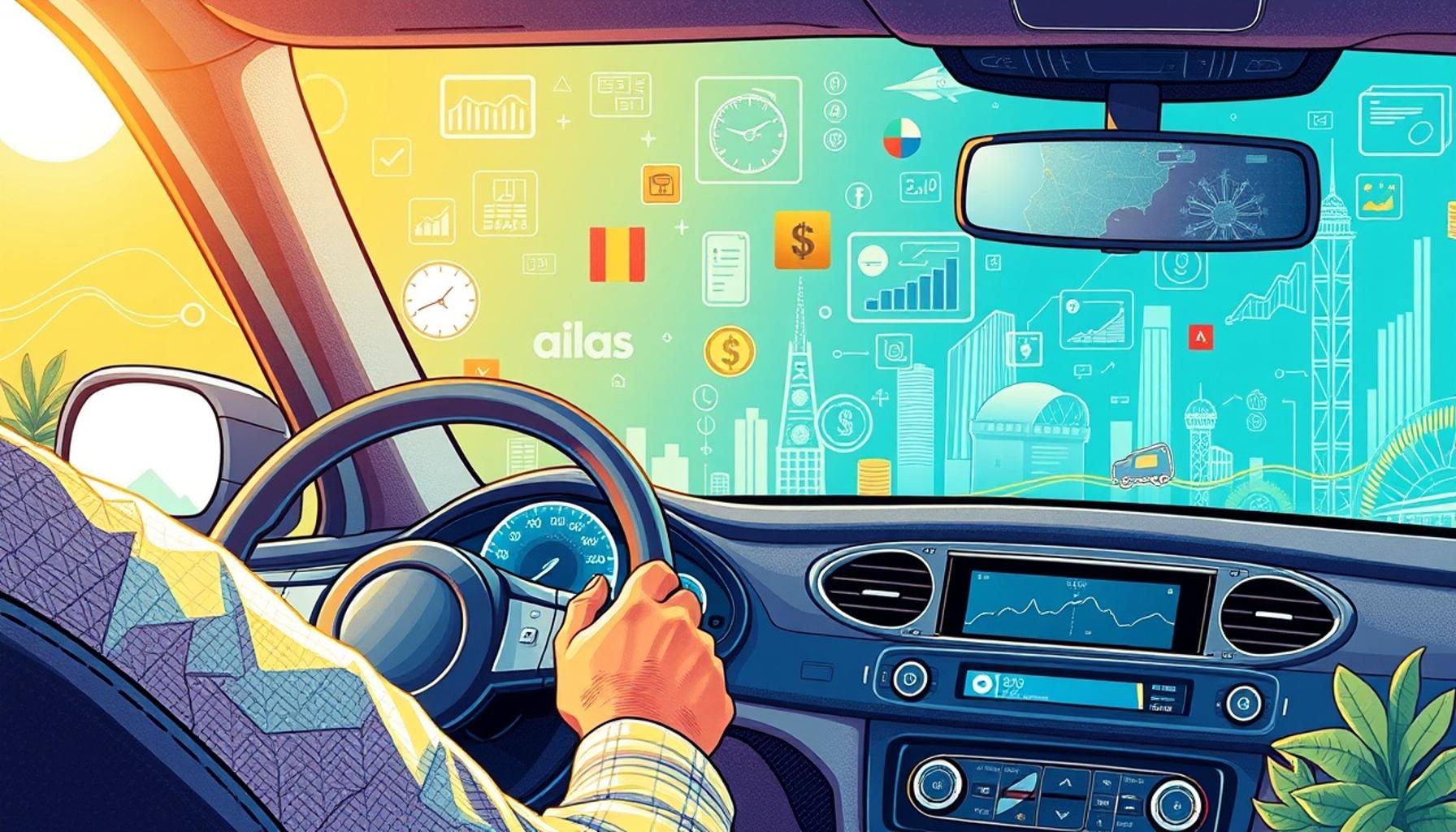
- Enhanced Navigation: Imagine driving through bustling city streets or unmarked rural roads while receiving navigation instructions that appear directly on your windshield. AR overlays turn-by-turn directions onto the actual road, enabling drivers to keep their eyes on the surroundings and minimize distractions that come from checking a smartphone or traditional GPS unit.
- Informed Driving: With AR, the integration of vehicle diagnostics becomes seamless. Alerts regarding engine performance, tire pressure, and safety notifications can be displayed right in the driver’s direct line of sight. This immediate access to important metrics enhances driver awareness, allowing for informed decisions while on the road.
- Entertainment Value: Beyond functional applications, AR can also engage drivers and passengers with entertainment options. Imagine playing AR games that interact with your car’s environment or live-streaming your current location on social media while safely navigating your route. This blend of entertainment and transportation can make long trips feel much shorter and more enjoyable.
Examples of AR in Action
Leading automotive manufacturers are embracing AR technologies to enhance competitiveness and drive innovation. Notable implementations include:
- Heads-Up Displays: Prominent brands like BMW and Mercedes-Benz have adopted AR-driven heads-up displays. These systems project essential information—such as speed, navigation cues, and safety alerts—onto the windshield, ensuring vital data is visible without obstructing the driver’s view. This system not only looks sleek but also prioritizes driver safety by allowing them to absorb important information at a glance.
- Safety Systems: Ford has developed AR technology that highlights potential hazards in real-time, aiding drivers in identifying pedestrians, cyclists, or obstacles in their vicinity. This enhancement could significantly reduce accident rates, making the roads safer for everyone.
- Customization Options: Tesla has harnessed AR as part of its design update process, allowing drivers to visualize potential modifications—such as new paint colors or interior layouts—before making a purchase. This level of interactivity helps consumers make informed decisions that best suit their needs and preferences.
As augmented reality continues to advance, it promises to redefine the driver experience, making it safer and more engaging than ever. With an increasing number of car models equipped with AR capabilities, the future of driving is rapidly becoming more intelligent, interactive, and intuitive. The ongoing evolution of this technology could open up new possibilities, forever changing how we think about and interact with our vehicles.
DISCOVER MORE: Click here to learn about the battery revolution
Driving Towards a Smarter Future
The advent of augmented reality (AR) within the realm of automotive technology signifies a revolutionary change in the way we approach driving and vehicle interaction. Traditionally, drivers relied on static interfaces, often aimed at providing basic information, which left much to be desired in terms of engagement and usability. As AR technology advances, it not only enhances the driving experience but also addresses key challenges faced on the road, from navigation confusion to safety concerns.
Transforming Driver Interaction
At its core, AR seeks to create a richer interaction between drivers and their vehicles. By providing contextually layered information, AR empowers drivers to make real-time decisions while minimizing distractions. Consider the following aspects that mark this transformation:
- Information Accessibility: With AR, the way drivers receive data is reimagined. For instance, important information such as speed limits and ongoing traffic conditions can be displayed in an easily digestible format, allowing drivers to absorb crucial insights without diverting their gaze from the road.
- Predictive Analytics: Leveraging machine learning algorithms, AR systems can analyze driving patterns and road conditions to anticipate potential hazards. This preemptive ability not only enhances safety but also adds a layer of personalization, tailoring the driving experience to fit individual needs.
- Interactive Learning: As drivers engage with AR interfaces, they can learn more about their vehicle’s capabilities and maintenance needs. For instance, a driver might see virtual icons indicating when to service critical components, fostering a proactive approach to vehicle care.
The Future of In-Car Entertainment
Another facet of AR technology is its impact on entertainment during travel. With in-car AR applications, passengers can engage in interactive experiences that turn the vehicle into a hub of entertainment. For example, families can play virtual scavenger hunts where they identify landmarks or objects outside the car, enriching their journey with creativity. This innovative approach to entertainment is particularly appealing in a country like the United States, where long road trips are a tradition.
Such engaging experiences serve dual purposes: they enhance the passenger’s enjoyment while helping the driver maintain focus on the road. By providing captivating content that doesn’t distract from driving, AR can help make journeys smoother and more enjoyable.
Promising Innovations on the Horizon
Innovations in AR technology for vehicles are still in their infancy, and the potential to revolutionize the driver experience is immense. As companies like Toyota and Google delve deeper into AR-enhanced vehicle systems, we can expect a wealth of features—from adaptive displays that change based on driving conditions to gamified driving experiences that keep passengers engaged. The commitment to enhancing safety, engagement, and interactivity calls for ongoing research and development, promising a future where every journey is safer, smarter, and more immersive.
As AR continues to navigate the automotive landscape, it opens the door to possibilities that could redefine our understanding of driving and vehicle interaction forever. Stay tuned, as we dive deeper into specific applications and the implications of this technology in the following sections.
As we delve deeper into the transformative impact of augmented reality (AR) on the driver experience, it’s clear that these technologies are redefining the fundamental interaction between individuals and their vehicles. AR enhancements facilitate smarter driving, foster greater safety, and enable a more engaging user experience.A pivotal aspect of AR technology is its ability to deliver real-time data directly onto the vehicle’s windshield. This innovation creates a less distracting and more intuitive way for drivers to access navigational information, speed limits, and even alerts about potential hazards. By projecting this information into the driver’s line of sight, AR minimizes the need for glancing away from the road, significantly reducing the chances of accidents and ensuring that driving remains the primary focus. In addition to safety improvements, AR systems are enabling smarter vehicle controls through intuitive gesture or voice commands. Imagine adjusting climate controls or answering calls simply by stating a voice command or providing a hand gesture. This seamless interaction exemplifies how new technologies are paving the way for a much more integrated vehicle experience while enhancing comfort and convenience.Moreover, AR is not only about improving the driving experience; it also allows for a more personalized touch. By utilizing driver preferences, AR applications can tailor layouts, display styles, and notifications based on individual needs and habits, transforming standard cars into truly customized environments. With ongoing advancements in AR technology, the future of driving is undoubtedly becoming more exciting. Enthusiasts and tech-savvy individuals alike can expect developments that not only improve safety but also redefine how we communicate with our vehicles, making every drive a unique and engaging journey. For an illustration of this radical transformation, explore how automakers are implementing AR in their latest models and how these vehicles will ultimately change the driving landscape.
| Augmented Reality Features | Benefits for Drivers |
|---|---|
| Real-time data display on windshield | Enhances focus by reducing distractions |
| Gesture and voice command controls | Improves user interaction and comfort |
| Personalized interface | Tailors experience to individual preferences |
As AR technology continues to evolve, the driver experience will undoubtedly reach new heights, making every journey not just a means of transportation, but an immersive and intelligent experience.
DIVE DEEPER: Click here to discover more about IoT in automobiles</a
Enhancing Safety and Navigation
The integration of augmented reality (AR) into vehicles is primarily driven by a desire to enhance safety and simplify navigation for drivers. As road conditions evolve and traffic dynamics shift, having a reliable system that illuminates potential dangers becomes crucial. AR offers a suite of tools designed to streamline this process, delivering real-time updates that significantly improve the decision-making capabilities of drivers.
AR-Driven Navigation Systems
Advanced AR navigation systems overlay critical information directly onto the driver’s field of vision. Imagine approaching a complex intersection where traditional GPS devices may become disorienting. An AR-enabled heads-up display (HUD) projects directional arrows, lane recommendations, and highlighted exits seamlessly onto the windshield, guiding the driver intuitively through their journey. Studies suggest that such systems can reduce navigation errors by up to 30%, offering not just clarity but also a reduction in driver stress.
Real-Time Hazard Detection
Safety remains a core concern for all drivers, and AR technology tackles this issue head-on. With real-time hazard detection, AR systems can analyze data from vehicle sensors, cameras, and external sources to identify potential threats on the road. For example, if a pedestrian unexpectedly steps onto the road, an AR HUD can highlight this hazard in vivid color and activate corresponding alerts, ensuring the driver is acutely aware of their surroundings.
This capability is further enhanced by AR’s integration with vehicle-to-everything (V2X) communication. By sharing information with other vehicles and infrastructure, AR can predict hazards not yet visible to the driver, such as an accident occurring around the bend. This proactive approach stands to transform roadway safety for millions of Americans navigating increasingly crowded highways.
The Role of AR in Autonomous and Assisted Driving
As automation takes center stage in the automotive industry, AR is playing an essential role in bridging the gap between human-driven and fully autonomous vehicles. While some may view self-driving technology as a future trend, the reality is that AR is enhancing existing driver-assistance systems, making them more intuitive and user-friendly.
For instance, during highway driving, AR can provide a layer of support by displaying adaptive cruise control settings, lane-keeping prompts, and warnings when the driver’s attention wanes. This collaboration between AR and smart vehicle technologies ensures that drivers remain engaged even as they rely on advanced assistance.
Cultural and Behavioral Shifts
The influence of AR technology extends beyond functionality—it prompts a cultural shift in how drivers perceive their vehicles’ capabilities. As drivers become accustomed to interacting with AR systems, there is a growing expectation for more integrated, user-friendly interfaces that keep pace with their increasingly digital lifestyles. This adaptation reinforces a trend where vehicles are not just modes of transportation, but rather personal assistants, adapting to individual driver preferences and promoting safer driving experiences through constant feedback.
The United States, with its bustling urban environments and expansive road networks, stands at the forefront of these developments. Towns and cities nationwide are beginning pilot programs for AR applications, showcasing the potential benefits of this technology in real-world settings.
As AR technology continues to evolve alongside advancements in machine learning and connectivity, we can anticipate a transformation in every driver’s relationship with their vehicle, cultivating an environment where safety, enjoyment, and efficiency coexist on our roads.
DISCOVER MORE: Click here to learn about the evolution of luxury vehicles
Conclusion
As we navigate through an era characterized by rapid technological advancement, augmented reality (AR) stands at the forefront of transforming the driving experience. By effectively enhancing safety, streamlining navigation, and bridging the gap between human driving and autonomy, AR is fundamentally redefining how drivers interact with their vehicles. The innovations highlighted—from AR-driven navigation systems that minimize errors to real-time hazard detection that increases awareness—demonstrate the profound impact of these technologies on everyday driving scenarios.
Moreover, the cultural shift toward viewing vehicles as personal assistants reflects a broader trend of integration between technology and daily life. As AR systems evolve with additional features and capabilities, they have the potential to cater to an increasingly digital society that demands seamless interactions. Cities across the United States are beginning to embrace this shift, initiating pilot programs that showcase the effectiveness and advantages of AR technologies in real-world conditions.
Ultimately, the fusion of AR with smart automotive technologies will not just make driving safer; it will usher in a new paradigm that encourages smarter decision-making, elevates driver engagement, and enhances overall satisfaction. With continuous advancements in AR technology, the future of driving promises a balanced ecosystem where technology and the human experience coalesce to create roads that are not only safer but significantly more enjoyable for all. As we dive deeper into this innovative landscape, the possibilities are limitless, inviting both drivers and tech enthusiasts to explore further developments in the domain of augmented driving experiences.