How to Choose Indoor Plants That Thrive in Low-Light Environments
Discovering Indoor Plants for Dim Spaces
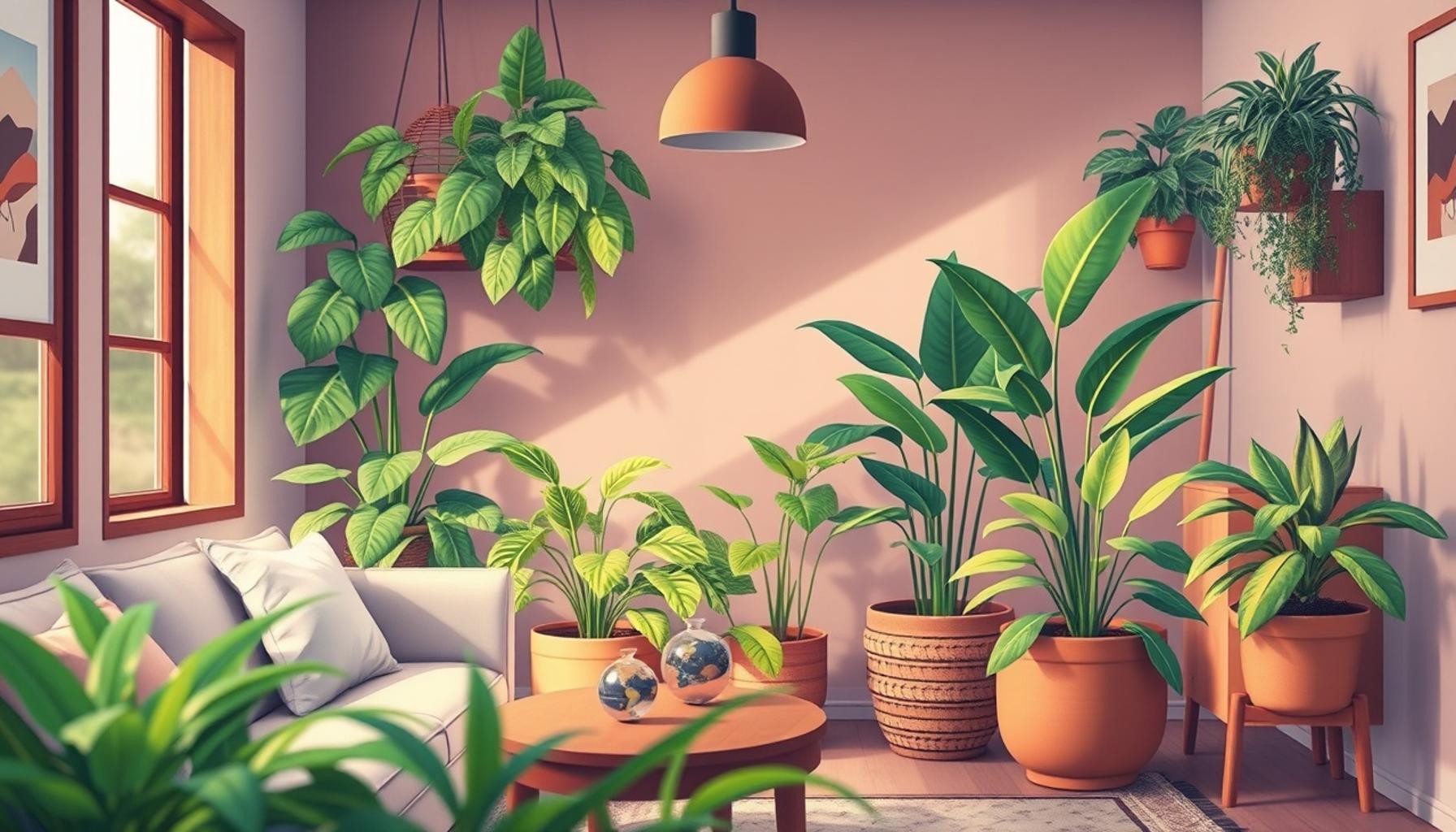
Choosing the right indoor plants can transform your living space, particularly in rooms that receive limited natural light. Many people underestimate the potential of low-light environments; however, a rich variety of vibrant plants can thrive in these conditions, bringing life and color to even the most shadowy corners of your home. Incorporating greenery into your environment not only enhances aesthetics but also improves air quality and has been shown to boost mental well-being. Studies have demonstrated that interacting with plants can help reduce stress and increase productivity, making them essential companions for modern living.
When selecting plants for dim settings, consider several factors that can aid in making the right choice:
- Light Requirements: It is essential to look for plants that are specifically labeled for low-light conditions. Many plants thrive on indirect sunlight and can survive in spaces where light is scarce.
- Maintenance Needs: If you’re not an experienced plant parent, opt for species that require minimal care and are forgiving of neglect. Some plants can survive weeks without water, making them ideal for busy lifestyles.
- Size and Growth Habit: Consider the space you have available. Choose plants that fit your environment and won’t outgrow their surroundings quickly. For instance, smaller plants can work wonders on a bookshelf, while taller plants may serve as striking floor decor.
Some of the best candidates for indoor plants in low-light environments include:
- Snake Plants: These hardy plants are virtually indestructible, can survive in low light, and only require infrequent watering. Their tall, upright leaves can reach heights of 4 feet, making them a striking choice for floor displays.
- Pothos: Known for its long, trailing vines, Pothos adapts seamlessly to various light conditions—from bright indirect light to low light. It also comes in several varieties, including the golden variety, which features bright yellow marbling on its leaves.
- ZZ Plants: With their glossy, dark green leaves, ZZ plants add a touch of elegance to any room. These plants are extremely drought-resistant and thrive in low-light spaces, making them perfect for forgetful waterers.
Exploring these low-light options can lead to a more inviting and healthier indoor environment. As you embark on this green journey, consider grouping several plants together for a lush arrangement, creating your own mini indoor oasis. Stay tuned as we delve deeper into the unique characteristics of each plant, along with essential care tips and best practices for selecting the ideal indoor foliage for your home.
DIVE DEEPER: Click here for essential water-saving tips
Understanding the Essentials of Low-Light Plant Selection
Before diving into the world of indoor plants, it is important to grasp the unique conditions that characterize low-light environments. Contrary to common belief, low light does not mean no light; rather, it refers to spaces that experience limited natural sunlight, such as rooms with small windows or areas that receive indirect light. Recognizing this distinction can guide you in selecting plants that not only survive but also flourish in these settings.
One vital aspect to consider is the plant’s photosynthesis process. Plants utilize sunlight to convert carbon dioxide and water into energy, and species adapted to low light have unique strategies to maximize their energy intake. For instance, many low-light plants have larger leaves that allow them to capture more light, making them a perfect fit for dimly lit spaces.
When choosing indoor plants that thrive in low-light environments, it’s essential to familiarize yourself with their light preferences and care requirements. Some plants are more tolerant of darkness and can thrive with minimal light exposure, while others may become leggy or unhealthy without adequate brightness. To help you make informed decisions, here are a few tips to guide your selection process:
- Opt for Native Species: Many indoor plants originally hail from tropical or shaded forest environments and are naturally equipped to thrive in low light. This includes species such as the Philodendron and Peace Lily, both of which are renowned for their adaptability to varying light conditions.
- Consider Foliage Color and Texture: The color and texture of the leaves can indicate a plant’s light requirements. Darker green foliage often suggests a plant’s ability to photosynthesize efficiently in lower light. For example, Cast Iron plants exhibit deep green leaves and can endure low-light situations very well.
- Invest in Varieties with Climbing or Trailing Habits: These plants, such as the English Ivy and String of Hearts, can be attractive choices for low-light areas and can help create a beautiful visual display as they grow upwards or cascade down shelves.
By educating yourself on the characteristics that make different plants suitable for low-light environments, you empower yourself to curate a breathtaking indoor garden that matches your unique space and style. As you continue your search for the perfect plants, remember that combining different shapes, sizes, and colors can create a dynamic and visually appealing atmosphere in your home. Prepare to explore the fascinating attributes of specific low-light plant species in the next section, where we’ll provide detailed care tips and the best practices for nurturing these resilient green companions.
How to Choose Indoor Plants That Thrive in Low-Light Environments
Indoor plants provide a refreshing touch, bringing nature indoors and improving our overall well-being. However, selecting the right plants for low-light areas can be a challenge. It’s essential to understand which types of plants can flourish with minimal sunlight. Below is a table that outlines some advantageous plant categories along with their key features.
| Plant Category | Characteristics |
|---|---|
| Snake Plant | Tolerates neglect and thrives in low light; purifies air. |
| ZZ Plant | Requires very little water; perfect for dark corners. |
By incorporating low-light indoor plants like snake plants and ZZ plants, you not only enhance the visual appeal of your space but also enjoy numerous benefits such as improved air quality and lower stress levels. These resilient plants thrive even in less-than-ideal light conditions, making them a preferable choice for those with limited sun exposure. Let the greenery work its magic in your home or office!
DISCOVER MORE: Click here to learn about essential nutrients
Exploring Popular Low-Light Plant Varieties
With a clearer understanding of how to select appropriate indoor plants, let’s delve into some of the most popular varieties that are well-suited for low-light environments. Each of these plants not only enhances your space but also brings unique traits, ensuring that plants thrive even when sunlight is scarce.
Snake Plant (Sansevieria trifasciata) is often hailed as the quintessential indoor plant for beginners. It boasts striking, upright leaves with rich green tones and distinctive yellow edges. The Snake Plant is known for its remarkable ability to survive on minimal light and periodic watering, making it an ideal choice for any low-light room. Moreover, it contributes to air purification, enhancing the indoor atmosphere.
Pothos (Epipremnum aureum) is another favorite among indoor plant enthusiasts. This versatile plant can adapt to a range of lighting conditions, including low-light areas. Its trailing vines and heart-shaped leaves create an appealing visual effect when hung or placed on a bookshelf. Pothos is not only easy to care for but also capable of removing toxins from the air, making it a practical and aesthetic addition to any indoor space.
Another excellent choice is the ZZ Plant (Zamioculcas zamiifolia). Known for its glossy leaves and resilient nature, the ZZ Plant can tolerate neglect and low-light conditions exceptionally well. Its unique, architectural form can serve as a striking focal point in your home. Plus, it’s known to withstand drought, requiring watering only every couple of weeks, which is perfect for those who might forget to tend to their plants regularly.
- Spider Plant (Chlorophytum comosum) is well-known for its air-purifying qualities and charming appearance. With arching leaves and small ‘baby’ plants that dangle from the mother plant, a Spider Plant adds character to any room. It thrives in indirect sunlight and is also safe for pets, making it a great choice for homes with furry friends.
- Cast Iron Plant (Aspidistra elatior) truly lives up to its name. This hardy plant can withstand neglect, low light, and a range of temperatures, making it one of the toughest indoor plants out there. Its attractive green leaves can grow quite large, providing a lush, full look without needing too much sunlight.
As you consider adding these low-light companions to your indoor garden, it’s important to recognize their individual care needs. While they generally tolerate low light, they benefit from occasional indirect sunlight and any care regimen that includes proper watering—usually waiting until the soil is dry to the touch before watering again.
In addition to selecting the right plants, consider the placement of these greenery gems within your home. Ideal locations may include corners of rooms, bookcases, or even suspended planters that allow their beauty to shine while still maintaining the shaded atmosphere they thrive in. Understanding the microclimate of your indoor spaces can significantly increase your plants’ health and longevity.
Next, we will discuss the ongoing care and maintenance practices that can ensure your low-light plants remain vibrant and visually appealing, turning your home into a lush indoor oasis.
DISCOVER MORE: Click here for a complete guide on indoor plant light levels
Conclusion
In summary, selecting the right indoor plants for low-light environments can transform your living space into a vibrant oasis, even in the absence of direct sunlight. Understanding the unique characteristics of low-light plants is crucial; species such as the Snake Plant, Pothos, and ZZ Plant excel in less-than-ideal lighting conditions and often require minimal maintenance. Knowing their individual care needs, such as watering schedules and light preferences, will empower you to choose plants that not only survive but thrive in your home.
Beyond the selection of the right plant varieties, thoughtful placement within your interior space can enhance their growth and visual appeal. Finding the perfect spots—whether it’s in a cozy corner, atop bookshelves, or in hanging planters—can amplify their beauty while keeping their care requirements in mind. As you explore the aesthetic and health benefits that these indoor plants bring—including air purification and improved mood—consider weaving them into the fabric of your decor.
Ultimately, nurturing a low-light indoor garden can enrich your environment, promoting well-being while presenting an opportunity to connect with nature. With a bit of research and care, you can cultivate your own green sanctuary, proving that even the dimmest corners of your home can flourish with life. Dive deeper, experiment with different species, and let your indoor plant journey begin—creating a nurturing habitat, even where the light is scarce.

Linda Carter
Linda Carter is a writer specializing in gardening and growing at home for beginners. With extensive experience helping readers confidently care for plants, Linda shares practical guidance on preparing soil, choosing suitable plants, watering, planting, and maintaining home gardens. Her goal is to provide clear tips and accessible strategies that help beginners grow healthy plants and enjoy gardening in any space.