How to Determine Ideal Indoor Plant Light Levels A Complete Guide
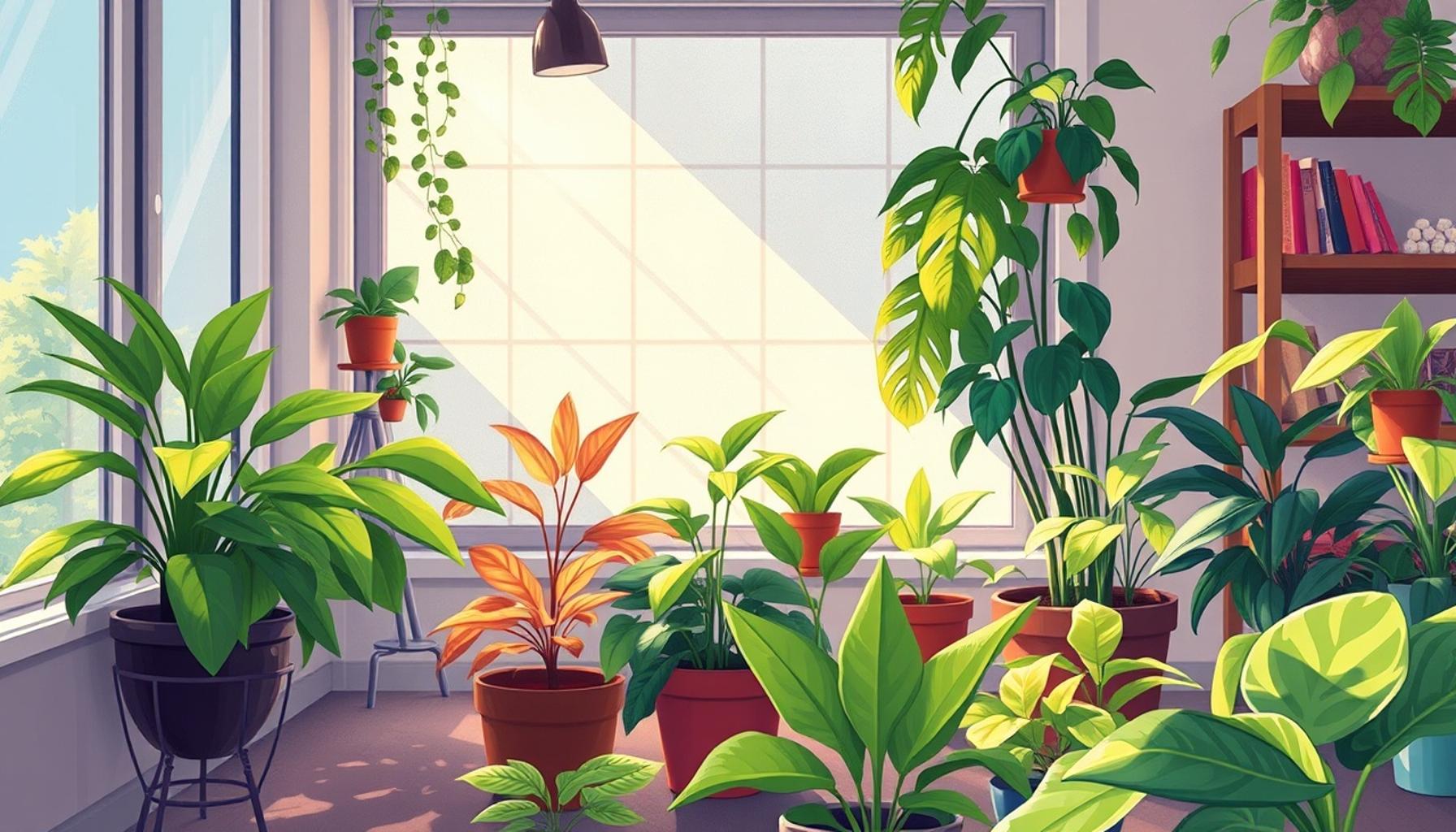
Understanding how much light your indoor plants need is crucial for their growth and vitality. Many beginners in gardening often overlook this vital aspect, leading to challenges in sustaining healthy plants. This guide aims to simplify the process of determining the ideal light requirements for your indoor greenery.
Indoor plants thrive under the right lighting conditions, and selecting the appropriate level of light can make all the difference. Here are some important factors to consider:
- Plant Type: Different plants have varying light needs.
- Light Sources: Natural light versus artificial light can affect growth.
- Duration and Intensity: Understanding the amount of light hours is essential.
This article will provide insights into the top five factors you should consider when assessing light for your plants. By the end, you’ll be equipped with the knowledge to create the perfect lighting environment for your indoor garden.
DISCOVER MORE: Click here to learn sustainable gardening tips
Determining the Ideal Amount of Light for Your Indoor Plants: A Top 5 Guide
Getting the lighting just right is crucial for the successful growth of indoor plants. Too little light can lead to weak, leggy plants, while too much can scorch their leaves. Finding the right balance can be as delicate as nurturing the plants themselves. In this guide, we will explore the top five aspects you need to consider when determining the ideal amount of light for your indoor plants, ranked from least to most important. Whether you’re a complete novice or looking to enhance your indoor garden, understanding these factors will significantly improve your indoor gardening experience and ensure your leafy friends thrive.
5. Understand the Type of Light Your Space Receives
The journey to figuring out the best lighting for your indoor plants begins with recognizing the type of natural light available in your space. Light can be classified into three categories:
- Direct Light: This is sunlight that shines straight into your home through windows, and it is suitable for light-loving plants like succulents and cacti. These plants have adapted to withstand the direct rays of the sun and require it to grow optimally.
- Indirect Light: Sunlight that is diffused or filtered through curtains or reflected off walls, making it great for a wide range of indoor plants, including ferns and philodendrons. Many common houseplants thrive in indirect light as it mimics their natural understory environment.
- Low Light: Areas with minimal natural light, such as rooms with small, north-facing windows. These spots are best suited for low-light tolerant plants like pothos, snake plants, and ZZ plants, which can survive with less illumination.
By knowing which type of light your home gets, you can make informed decisions about plant placement and species. For instance, placing a pot of succulents or cacti near a south-facing window will ensure it receives the direct light it needs, while a peace lily would be happier in a spot with filtered light.
4. Assess the Duration of Light Exposure
Next in our ranking is the duration of light exposure your plants receive throughout the day. Plants have different needs when it comes to how long they require light, often categorized as:
- Short-day Plants: These plants, like chrysanthemums and poinsettias, thrive with less than 12 hours of light, usually blooming in fall and winter when days are shorter.
- Long-day Plants: Requiring more than 12 hours of light, these plants, including lettuce and spinach, flourish in spring and summer when the days are longer.
- Day-neutral Plants: These plants, such as tomatoes and roses, can bloom and grow effectively under a variety of light conditions, independent of the length of the day.
Evaluate how many hours of sunlight each spot in your home receives to choose the right plants accordingly. For example, if a corner of your living room receives light for about 8 hours, you might want to consider placing short-day plants there, as they will thrive under those conditions without the need for adjustments or artificial light supplements.
3. Recognize the Impact of Seasonal Changes
Seasonal changes can dramatically affect the amount and quality of light in your home. During the winter months, natural light diminishes significantly due to shorter days and lower sun angles, leading to potential challenges for maintaining healthy plants:
- Monitor Changes: Keep an eye on how much light your plants receive in different seasons. Windows that get bright sunlight in summer might receive much less in winter.
- Adjust Placement: Consider moving plants closer to windows or to spots where they can still enjoy adequate light, especially during the darker months.
- Supplement with Artificial Light: Use grow lights to support your plants’ light needs during times when natural light is insufficient. LED grow lights are energy-efficient options that mimic the sun’s spectrum and promote plant growth year-round.
By staying aware of seasonal changes, you can make timely adjustments to your garden setup, ensuring your plants continue to receive adequate light to stay healthy and vibrant all year round.
2. Understand the Plant Species’ Light Requirements
It’s crucial to understand the specific light requirements of the species you decide to grow. Each plant has unique needs regarding light intensity and duration. Some useful tips for choosing appropriate plants include:
- Research Specific Plants: Before purchasing a plant, learn whether it needs low, medium, or bright light. Understanding a plant’s natural habitat can provide clues to its ideal conditions.
- Check Labels: Most plants come with care tags that offer insight into their light requirements, indicating whether they prefer bright, medium, or low light conditions.
- Join Communities: Leverage forums or gardening groups for real-life experiences and recommendations. You’re likely to find fellow enthusiasts who have tried and tested various species in similar conditions to yours.
Taking the time to research and fully understand the requirements of the plants you choose will help you avoid common pitfalls, such as placing a high-light plant in a low-light area, which can hinder its growth and vibrancy.
1. Use a Light Meter for Accurate Measurement
Finally, the top factor in determining the ideal amount of light for your indoor plants is using a light meter. These handy tools measure the amount of light in your space in foot-candles or lux, providing precise information on light conditions:
- Accurate Measurements: Unlike subjective guessing, a light meter gives you an exact reading of how much light a spot in your home receives. This can be especially helpful for plants that require exact conditions to thrive.
- Identifies Optimal Spots: Determine which spots are best for specific plants all year round, reducing the guesswork involved in placing your foliage.
- Improves Plant Health: By ensuring your plants receive the correct amount of light, a light meter helps in promoting healthier, more vigorous growth, and reduces issues related to either light deficiency or excess.
Incorporating a light meter into your indoor gardening toolkit is a small investment that can yield substantial results by optimizing the placement and care of your green companions, ensuring they are always positioned to receive their ideal light conditions.
In summary, mastering the art of lighting for indoor plants is a journey that blends observation, adjustment, and a bit of technology. By understanding the light your space offers, assessing duration and seasonal variability, learning about species-specific needs, and utilizing tools like light meters, you create an environment where your plants can flourish abundantly. Happy gardening!
| Light Requirement Category | |
|---|---|
| Low Light Plants | Plants like Snake Plant and Pothos thrive in minimal light, making them perfect for rooms with limited access to natural sunlight. These plants can still grow well with indirect light. |
| Medium Light Plants | Plants such as Spider Plant and Peace Lily do well when placed in spaces that receive moderate sunlight. Around 3-6 hours of indirect light each day is ideal for their healthy growth. |
| High Light Plants | If you have direct sunlight, consider plants like Cactus and Succulents. These thrive in bright, well-drained environments and appreciate at least 6 hours of direct sunlight daily. |
| Lighting Conditions | Understanding the direction of sunlight in your space helps in positioning your plants correctly. South-facing windows generally provide the most light, while north-facing windows offer the least. |
When selecting the appropriate plants for your indoor environment, it is vital to assess each species’ light preferences accurately. Additionally, you can also consider the use of artificial lighting, especially during the winter months or for rooms that do not receive sufficient natural light. The use of LED grow lights can ensure your plants receive the necessary light spectrum to thrive indoors. Experimenting with different placements and observing your plants over time will aid in determining whether their light needs are being met. Careful monitoring is key; if you notice your plants stretching towards the light or their color fading, these may be signs of inadequate lighting.In conclusion, understanding the light requirements for your houseplants is paramount to their health and growth. Be sure to do your research and enjoy the process of creating a vibrant indoor jungle!
DISCOVER MORE: Click here for sustainable irrigation tips
Frequently Asked Questions about Determining the Ideal Amount of Light for Your Indoor Plants
How can I tell if my indoor plants are getting enough light?
Observing your plants is a key method to determine their lighting needs. Signs that a plant is receiving insufficient light include slow growth, small new leaves, and leaves that may turn yellow. Conversely, too much light might cause scorched leaves or brown patches. Placing a plant near a window where it receives indirect sunlight can help find the right balance.
What type of light is best for indoor plants?
Most indoor plants thrive in bright, indirect light. This mimics the conditions of their natural habitats, such as the forest understory. If your space lacks natural light, consider using grow lights which provide appropriate wavelengths for indoor plants.
Can my indoor plants get too much light?
Yes, indoor plants can be exposed to too much light, leading to leaf burn and stress. It’s crucial to monitor the plants regularly. If you notice symptoms like browning tips or edges, try moving the plant further from the light source or using a sheer curtain to diffuse direct sunlight.
How can I measure the light levels my plants receive?
You can measure the light level using a light meter, which provides readings in foot-candles or lux. However, a more accessible method is the shadow test: Place your hand between the plant and the light source – if the shadow is distinct, the light is bright; if it’s barely visible, it’s low light.
Are there any specific plants that thrive with less light?
Indeed, some plants are well-suited for low-light conditions, perfect for dimmer areas. Examples include snake plants, pothos, and ZZ plants. These species have adapted to survive with less light, making them ideal for offices or rooms lacking natural light.
DISCOVER MORE: Click here for insights
Conclusion: Finding the Perfect Light for Your Indoor Plants
In determining the ideal amount of light for your indoor plants, it is important to recognize that different plants have various light needs. Remembering our top principles is crucial. First, identifying the specific light requirements of your plants by understanding their natural habitat gives you a significant advantage. Most plants categorize into low, medium, or high light needs, and respecting these distinctions lays a solid foundation for healthy growth.
Secondly, considering the direction of the light source is essential. North-facing windows offer low light, while south-facing windows provide the most intense light. East and west-facing windows deliver moderate light but require monitoring as the day progresses. This specific positioning has a direct impact on your plant’s well-being.
Thirdly, regularly observing your plants’ responses to the current light level plays a vital role in determining whether adjustments are needed. Signs of insufficient light, such as yellowing leaves or leggy growth, indicate that a change in positioning would be beneficial. Conversely, scorched leaves signal the need to reduce light exposure.
Fourth, using technology, like grow lights, can supplement natural light and ensure your plants receive adequate light levels, especially during the shorter days of winter. Finally, the right balance of light impacts not just growth but also enhances the mood and aesthetics of your home environment.
In conclusion, ensuring your indoor plants thrive involves understanding their unique light requirements and being attentive to changes. Armed with these insights, you can confidently embark on your gardening journey, enhancing both your plants’ vitality and your personal enjoyment of having lush greenery indoors.

Linda Carter
Linda Carter is a writer specializing in gardening and growing at home for beginners. With extensive experience helping readers confidently care for plants, Linda shares practical guidance on preparing soil, choosing suitable plants, watering, planting, and maintaining home gardens. Her goal is to provide clear tips and accessible strategies that help beginners grow healthy plants and enjoy gardening in any space.