Easy Edible Plants for Beginners: Growing Herbs and Vegetables at Home
Rediscovering Cultivation in Your Kitchen
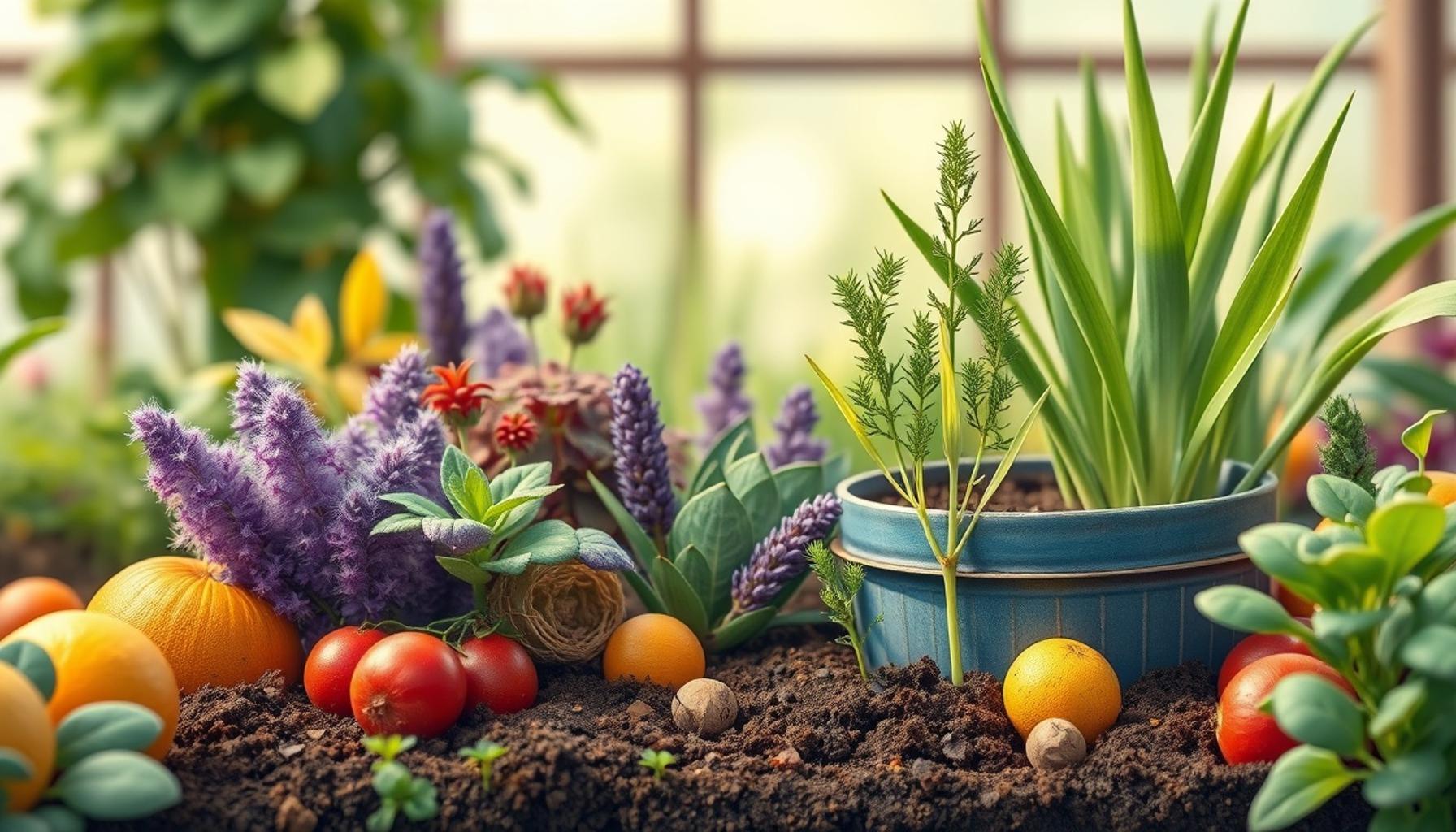
Imagine stepping into your kitchen, cutting fresh herbs from your very own windowsill. This simple act not only enhances the flavor of your meals but embodies a deeper connection to what you eat. The satisfaction of growing your own food can transform ordinary meals into extraordinary experiences, igniting a passion for cooking and a newfound respect for nature’s offerings. Learning to cultivate easy edible plants not only enhances your culinary adventures but also promotes a sustainable lifestyle that benefits both yourself and the environment.
For those new to gardening, diving into edible plants can seem daunting. However, some herbs and vegetables are particularly well-suited for beginners. These plants require minimal effort, adapt well to various living conditions, and yield impressive results, even in small spaces. Here are a few options to consider adding to your indoor or outdoor garden:
- Basil – Known for its aromatic flavor, basil is easy to grow and thrives in warm weather. Use it in everything from classic tomato sauces and salads to homemade pesto. Just a few leaves can elevate a simple dish into a vibrant culinary creation.
- Mint – With its invigorating scent, mint is perfect for adding freshness to drinks, desserts, and salads. It grows rapidly and can even be used to cultivate homemade teas. Just be cautious, as mint can spread quickly if not contained.
- Tomatoes – A staple in many kitchens, tomatoes can flourish in pots or garden beds, given ample sunlight and water. They are versatile fruits, perfect for salads, sauces, or sandwiches. Different varieties, such as cherry or beefsteak, can lead to delightful culinary experiments.
- Lettuce – An ideal choice for the impatient gardener, lettuce is fast-growing and provides a continuous harvest as you pick from your plants. It’s perfect for salads and can be grown in containers or even in a small patch of soil.
- Radishes – If you need quick results, radishes are your best friend. They can sprout in as little as three weeks and add a crunchy texture to salads and garnishes, making them an enjoyable and low-maintenance crop.
The beauty of growing these plants is not only their practical uses. They help maximize space in your home or garden, connect you with nature, and foster mindfulness as you tend to your plants. As you delve into gardening, you will discover the joy of nurturing life—witnessing the transformation from seed to harvest—and relish the health benefits of consuming home-grown produce.
In this article, we will explore step-by-step methodologies for getting started with these easy edible plants. Whether you have a sprawling backyard or just a small balcony, there are countless opportunities to cultivate herbs and vegetables at home. By harnessing small spaces, even urban dwellers can enjoy the rewards of gardening. Let’s dig in and uncover the empowering journey of growing your own food!
DISCOVER MORE: Click here to learn about lighting needs
Starting Your Edible Garden: The Best Plants for Beginners
As you embark on your gardening journey, understanding the right plants for beginners is crucial. Easy edible plants are not only forgiving but also rewarding, allowing you to quickly see the fruits of your labor. Whether you have a sunny windowsill or a small balcony, these plants can thrive in limited space, making them the perfect choice for novice gardeners. Let’s delve into a few beginner-friendly plants that are sure to kickstart your culinary delight.
Understanding Growth Conditions
Before diving into specific plants, it’s essential to understand that different herbs and vegetables require varying amounts of sunlight, water, and soil type. Most herbs enjoy well-drained soil and at least 6 hours of sunlight daily. If you’re growing vegetables, ensure they have enough space to spread their roots and bloom. Grouping plants with similar needs can simplify your gardening experience, making maintenance easier and more efficient.
The Top Easy Edible Plants to Consider
To cultivate your garden effectively, here are some easy-to-grow herbs and vegetables that can thrive in most home environments:
- Basil – A warm-season herb that grows effortlessly from seed or nursery plants. It’s the cornerstone of many dishes, including pesto, caprese salad, and even just sprinkled on pizza.
- Mint – Fast-growing and versatile, mint can quickly become prolific. Just remember to plant it in a pot to avoid it taking over your garden and enjoy its refreshing taste in teas or desserts.
- Tomatoes – Opt for compact varieties like cherry tomatoes if you’re short on space. Consider staking or using containers to support their growth while reaping delicious rewards for salads and sauces.
- Lettuce – Try a variety like romaine or butterhead that can be harvested continuously, providing fresh greens for your meals all season long.
- Radishes – These fast-growing roots can often be harvested within three weeks, making them perfect for those who thrive on quick results.
Besides being an excellent addition to your meals, these plants also promote a sense of achievement and enhance mental well-being. The act of caring for living plants can be therapeutic and offers a wonderful distraction from the hustle and bustle of daily life. As you watch your seeds sprout and grow, you learn patience and appreciation for nature’s cycles.
In the following sections, we will guide you through the steps necessary to cultivate these easy edible plants successfully. From soil preparation to pest management, you’ll gain the tools and knowledge to create a thriving garden right in your own home. Let’s embark on this gratifying journey of home-grown goodness together!
| Category | Details |
|---|---|
| Herb Selection | Choose easy-to-grow herbs like basil, cilantro, and mint, which require minimal care. |
| Vegetable Variety | Consider planting fast-maturing vegetables such as radishes, lettuce, and green beans to enjoy quick rewards from your garden. |
| Soil & Fertilization | Utilize quality potting soil and organic fertilizers to promote healthy plant growth without chemicals. |
| Watering Tips | Implement a consistent watering schedule to keep soil moist but not waterlogged, enhancing the vitality of your crops. |
| Pest Management | Employ natural pest control methods, like introducing beneficial insects, to keep your garden thriving without harsh pesticides. |
Growing edible plants at home is a rewarding experience that not only provides fresh ingredients but also enhances your garden’s aesthetic appeal. By learning the right techniques and strategies, beginner gardeners can achieve fruitful results with their herbs and vegetables, ultimately making home gardening an engaging and enjoyable hobby.
DIVE DEEPER: Click here for more insights
Essential Tips for Cultivating Your Edible Plants
Once you’ve selected your plants, the journey of growing your own edible garden truly begins. Understanding specific care requirements and best practices are vital to ensure your herbs and vegetables flourish. In this section, we will explore practical tips that will elevate your gardening experience, making it enjoyable and productive.
Soil Preparation: The Foundation of a Thriving Garden
The vitality of your plants begins in the soil. Most herbs and vegetables thrive in nutrient-rich, well-draining soil. Consider investing in a quality potting mix if you’re using containers, as it often contains the essential amendments for successful growth, including organic matter. Additionally, enhancing your garden’s soil with compost not only boosts nutrient content but also improves moisture retention. For most beginner-friendly plants, a pH between 6.0 and 7.0 is ideal, so conducting a simple soil test can provide insight into how to adjust your soil composition for optimum plant health.
Watering Wisely: Ensuring Adequate Hydration
Watering is a skill that can make or break your gardening success. It’s important to develop a consistent watering routine. Herbs generally prefer slightly dry conditions, while vegetables like tomatoes and lettuce require more moisture. Checking the top inch of soil is a good indicator; if it feels dry, it’s time to water. Early mornings are typically the best time to water, as this allows plants to absorb moisture before the sun’s heat can cause evaporation.
Sunlight: The Energy Source for Growth
Sunlight plays a crucial role in the health of your plants. Most edible herbs and vegetables need around 6 to 8 hours of direct sunlight daily. If your gardening space has limited sunlight, consider using reflective surfaces like white walls or mirrors to enhance light exposure. Additionally, if you’re limited to indoor gardening, investing in grow lights can provide your plants with the energy they need to thrive. Simulating natural light conditions can greatly improve growth rates and overall plant health.
Pest Management: Protecting Your Precious Plants
As your garden flourishes, so might the pests that wish to share in your bounty. However, pest management doesn’t have to be daunting. Start with prevention: a healthy plant is less susceptible to pests. Regularly inspect your plants for signs of trouble, such as discolored leaves or unusual spots. Introducing beneficial insects like ladybugs can help manage aphids naturally. Additionally, applying a gentle organic soap solution can deter common pests without harming your plants. Knowledge of your plant’s susceptibility to specific pests can be an asset in taking preemptive action.
Harvesting: The Reward of Your Labor
Learning when and how to harvest is just as important as caring for your plants. Most herbs such as basil and mint benefit from regular cutting, which encourages bushier growth. For leafy vegetables, you can start harvesting outer leaves while allowing the inner leaves to continue growing. By connecting with your plants and observing their growth stages, you’ll begin to appreciate the rhythm of your garden. Remember, the fresher the produce, the better the flavor—and nothing is quite as satisfying as enjoying a meal crafted from your home-grown ingredients.
Venturing into the world of edible gardening is not only about nurturing plants but also about cultivating patience and resilience. With these essential tips, even novice gardeners can confidently create a ravishing array of herbs and vegetables, transforming their spaces into edible landscapes bursting with flavor and life. As you become more attuned to the needs of your plants, you may find that gardening is less of a chore and more of a delightful hobby.
DISCOVER MORE: Click here for expert mulching techniques
Conclusion: Your Journey into Edible Gardening
Embarking on the adventure of growing easy edible plants at home is a rewarding pursuit that brings flavor, health, and satisfaction to your kitchen. As we’ve explored throughout this article, the journey not only involves planting and watering but also understanding the delicate ecosystem that supports each herb and vegetable’s growth. By fostering a solid foundation through nutrient-rich soil, establishing effective watering schedules, and ensuring ample sunlight, even novice gardeners can thrive. Remember that observing plant behavior and adjusting care routines can lead to remarkable achievements in your garden.
It’s essential to recognize that every plant is a unique individual, and learning how to care for them yields insights far beyond their culinary contributions. As you dive into the world of herbs and vegetables, the therapeutic benefits of gardening will unfold, providing stress relief and a deeper connection to nature. The excitement of harvesting your own produce adds a sense of accomplishment that’s hard to replicate.
As you cultivate your edible garden, don’t shy away from experimenting with different plants and techniques. The rich diversity of herbs and vegetables available can spark creativity in your cooking and foster a sustainable lifestyle. So grab your gardening gloves, find your preferred spot—be it a sunny windowsill or a backyard bed—and kickstart your journey to becoming a home gardener. With patience and practice, soon, you’ll savor the taste of your own harvest and perhaps inspire others to join this fulfilling endeavor. Happy gardening!

Linda Carter
Linda Carter is a writer specializing in gardening and growing at home for beginners. With extensive experience helping readers confidently care for plants, Linda shares practical guidance on preparing soil, choosing suitable plants, watering, planting, and maintaining home gardens. Her goal is to provide clear tips and accessible strategies that help beginners grow healthy plants and enjoy gardening in any space.