

Unlock Your Productivity Potential
In today’s fast-paced world, effective time management plays a pivotal role in ensuring that we maintain a high level of productivity amidst competing demands. With multitasking often promoted as a skill, many find themselves pulled in different directions, often feeling overwhelmed. A well-structured planning routine can be the beacon of clarity that leads you to your goals, making it essential to explore and embrace strategic time management techniques.
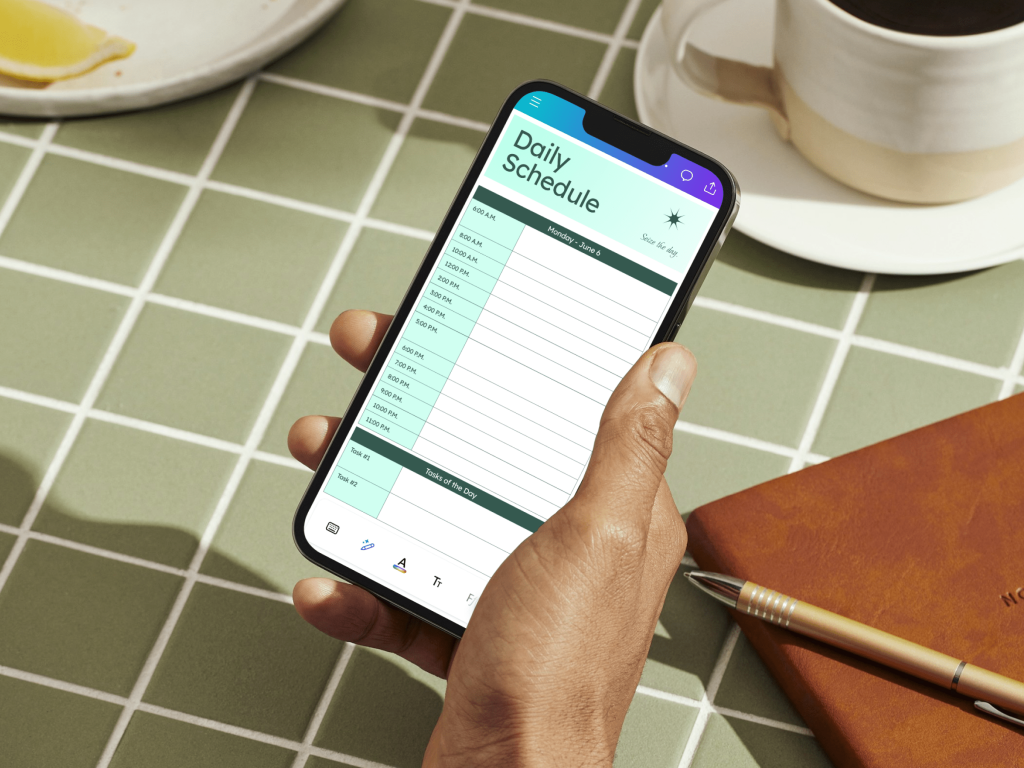
One such technique that has gained popularity for its effectiveness is time blocking. This powerful method entails dividing your day into distinct blocks, with each segment dedicated to a specific task or activity. This structured approach enables you to:
- Focus on one task at a time, significantly reducing the likelihood of distractions. For example, if you allocate a two-hour block to respond to emails, you can immerse yourself fully without the interruptions of other tasks.
- Allocate time for both work-related projects and personal commitments, helping to maintain a healthy work-life balance. Consider scheduling a segment for exercise or family time, ensuring these critical areas of life are not neglected.
- Visualize your week at a glance, allowing you to make adjustments as necessary. Many find that using a color-coded calendar can help quickly identify which areas of their life require more attention.
In tandem with time blocking, the practice of prioritization enables you to streamline your tasks effectively. By discerning which tasks must be addressed first, you can enhance your overall productivity. The benefits of prioritization include:
- Better decision-making regarding which tasks are worthy of immediate attention. Using techniques like the Eisenhower Matrix can help categorize tasks based on urgency and importance.
- Increased efficiency as you complete high-impact tasks that contribute significantly to your goals. Focusing on what truly matters can clear the clutter and lead to substantial progress.
- Reduction in feelings of overwhelm and burnout, as a prioritized approach allows for a more manageable workload, making it easier to navigate the complexities of daily life.
By mastering the techniques of time blocking and prioritization, you can elevate your weekly planning from a simple schedule to a strategic advantage that actively works to enhance your productivity. Transitioning to this method may require a bit of discipline and practice, but the rewards—a more organized life with clearer pathways to reaching your objectives—are well worth the effort.
As you delve into the world of time management, consider researching tools and apps designed to help implement these techniques. Options like Trello for task organization and Google Calendar for time blocking can further refine your workflow. Discover how these practices can lead you to not just a more organized existence, but a significantly more productive one.

DISCOVER MORE: Click here to learn about maximizing your productivity
Embracing Time Blocking: A Strategic Framework
Time blocking serves as a foundational element in crafting a productive weekly planning routine. By allocating specific periods of time for different tasks, individuals can foster a more focused and efficient work environment. This method transforms abstract deadlines into tangible, actionable commitments. Here’s how you can effectively integrate time blocking into your weekly planning:
- Begin with a Brain Dump: Before diving into your time blocks, take a few minutes to list all tasks you need to complete for the week. This could include work projects, meetings, personal commitments, and errands. Getting everything down on paper provides clarity and a comprehensive view of your responsibilities.
- Identify Your Peak Productivity Times: Are you a morning person or do you feel most energized in the afternoon? Recognize your personal productivity patterns and schedule your most challenging tasks during these peak times. This can lead to improved focus and results.
- Customize Your Blocks: While there’s no one-size-fits-all approach to time blocking, the general guideline is to create blocks that range from 30 minutes to two hours. Each block can be dedicated to a single task or a set of related activities, such as responding to emails or brainstorming ideas for a project.
To illustrate, imagine a typical weekday: you might set aside two hours in the morning for deep work on a critical project, followed by a one-hour block for meetings, and then take an hour for lunch. After lunch, you may have an hour dedicated to responding to emails, followed by two hours for a collaborative team effort. This structured plan not only sets a clear agenda but also leverages your natural energy levels effectively.
The Art of Prioritization: Distilling Your To-Do List
Just as time blocking clarifies your schedule, prioritization adds depth to your planning process. With numerous tasks vying for your attention, knowing what to tackle first is vital to ensure that your efforts yield the most significant results. Here are some effective strategies for prioritization:
- The Eisenhower Matrix: This popular decision-making tool helps categorize tasks into four quadrants—urgent and important, important but not urgent, urgent but not important, and neither urgent nor important. By identifying which tasks fall into each category, you can focus on what truly matters.
- ABC Method: Assign tasks a letter based on their priority: “A” for high priority, “B” for medium priority, and “C” for low priority. This simple yet effective strategy can help you distill your to-do list and ensure that you tackle the most critical items first.
- Limit Your Focus: Aim to work on only three to five priority tasks each day. Limiting your focus can prevent overwhelm and ensures that you’re making significant progress on your highest-impact objectives.
Implementing these prioritization techniques can dramatically change your productivity landscape. By distinguishing between what is necessary and what is merely urgent, you can navigate your week with purpose, channeling your energy into actions that propel you forward.
In conclusion, the combination of time blocking and prioritization allows you to harness your time and energy like never before. With a clear structure and a differentiated approach to tasks, you will find that your week unfolds smoothly, with ample time to tackle challenges head-on while also enjoying a well-rounded personal life. Start exploring these methods today, and watch your productivity soar to new heights!
Mastering Time Blocking for Enhanced Efficiency
Time blocking is a powerful strategy that involves dividing your day into distinct blocks of time, each dedicated to a specific task or group of tasks. This method allows for focused work and minimizes distractions, leading to significant gains in productivity. By setting time limits, individuals can avoid the common pitfalls of procrastination and multitasking, as defined periods for work encourage a commitment to completing tasks within those time frames.When employing time blocking, consider the importance of prioritization. Not all tasks hold the same weight, which is why identifying priorities is essential for a successful weekly planning routine. Use a system such as the Eisenhower Matrix, which categorizes tasks into four quadrants based on urgency and importance. This framework can help you to effectively assign time blocks to those tasks that truly matter, ensuring meaningful progress toward your goals.Furthermore, an effective weekly planning routine includes reserving time for breaks and self-care. Scheduling downtime is crucial for maintaining focus and energy levels throughout the week. Productive individuals recognize that constant work without rest leads to burnout and diminished returns. By integrating short breaks into your time-blocked schedule, you give your mind the necessary respite it needs to regenerate creativity and vigor.As you implement this planning routine, consider using digital tools like calendar apps that allow for easy visualization of your time blocks. Many applications also offer reminders and alerts, ensuring deadlines and responsibilities remain at the forefront of your daily agenda. These tools facilitate a structured approach to your routine, helping to solidify habits that promote greater productivity.
Leveraging Prioritization for Better Outcomes
Prioritization isn’t just about deciding what to do first; it’s about making informed choices that align with your long-term goals. Recognizing the connection between urgency and importance enables you to focus on activities that contribute the most to your personal and professional aspirations. Engage in weekly reviews where you assess what went well, what can be improved, and how you can adjust your priorities moving forward.Incorporate the SMART criteria (Specific, Measurable, Achievable, Relevant, Time-bound) when setting your weekly objectives. This will ensure that your tasks not only fit into manageable time blocks but also fulfill necessary outcomes that resonate with your broader ambitions. Remember, your planning routine is only as effective as the clarity of your goals.Whether you’re handling a busy work schedule or juggling personal commitments, embracing a systematic approach can transform your productivity profile. By mastering both time blocking and prioritization, you can create a powerful framework that paves the way for achieving high efficiency and work satisfaction. Consider further exploration of resources that discuss advanced techniques, pitfalls to avoid in planning routines, and testimonials from productivity experts who have navigated similar challenges. A deeper understanding of these strategies could provide unique insights that enhance your weekly planning endeavors.
DISCOVER MORE: Click here for effective office optimization tips
Integrating Flexibility: Navigating the Unexpected
While time blocking and prioritization are powerful tools in the quest for productivity, the unpredictable nature of life often throws curveballs that can derail even the best-laid plans. Therefore, it is crucial to incorporate flexibility into your weekly planning routine. Here are some strategies to help you stay on track while accommodating unexpected events:
- Buffer Blocks: Deliberately schedule buffer time between your time blocks. These short intervals, ranging from 10 to 30 minutes, allow for transition between tasks and provide a cushion for unforeseen interruptions. For example, if a meeting runs over time, having a buffer can prevent a domino effect that disrupts your entire day.
- Reassess Daily: At the end of each day, take a moment to review what you accomplished and reassess your priorities for the following day. This reflection enables you to adjust your time blocks and focus on new urgent tasks that may have emerged while still maintaining your overarching goals for the week.
- Adopt the 80/20 Rule: Known as the Pareto Principle, this rule posits that roughly 80% of your results come from 20% of your efforts. Identify the critical tasks that yield the most significant outcomes and prioritize them in your weekly plan. This approach not only elevates productivity but also provides the flexibility to let go of less impactful tasks that may arise unexpectedly.
For instance, consider a scenario where you planned to dedicate a significant block of time to completing a project but are unexpectedly called into an important meeting halfway through. By reserving buffer time and employing the 80/20 rule, you can reassess your priorities and focus on what truly matters, such as preparing for the meeting or addressing any immediate concerns that arise.
Leveraging Technology: Tools to Enhance Planning
Embracing technology can significantly streamline your weekly planning routine. Various apps and tools are designed specifically to aid time blocking and prioritization. Here are some notable suggestions:
- Digital Calendar Applications: Tools like Google Calendar or Microsoft Outlook allow you to easily create time blocks, set reminders, and color-code tasks based on their priority levels. Such visual representation can enhance your ability to manage time effectively.
- Task Management Software: Platforms like Trello, Asana, or Todoist help you organize and prioritize your tasks visually. They provide checklists, deadlines, and collaborative features, making it easy to keep track of progress and adapt to changes as they arise.
- Focus-Enhancing Tools: Consider using applications like Forest or Pomodoro timers to help maintain concentration during your time blocks. These tools allow you to set specific work intervals followed by short breaks, ensuring you remain energized and focused throughout the day.
The integration of such technology not only promotes productivity but can also foster accountability. When working within a team, tools that enable collaboration ensure everyone is aligned and can adjust their contributions based on shifting priorities or unexpected developments.
Ultimately, the synergy of time blocking, prioritization, flexibility, and technology equips you with a holistic approach to managing your week effectively. This multifaceted strategy empowers you to embrace challenges while ensuring that your productivity does not waver, paving the way for sustained personal and professional growth.
DISCOVER MORE: Click here to enhance your productivity
Conclusion: Mastering Weekly Planning for Optimal Productivity
In conclusion, creating an effective weekly planning routine is pivotal for enhancing productivity and achieving your personal and professional goals. By leveraging time blocking and prioritization, you can sculpt your days into structured yet adaptable plans that cater to both your aspirations and the unpredictability of daily life. Remember, the essence of a successful planning routine lies not just in rigidly adhering to a schedule, but in permitting flexibility to navigate unforeseen challenges.
Employing strategies such as buffer blocks, daily reassessments, and the 80/20 rule ensures that you continuously focus on high-impact tasks while maintaining room to address new priorities as they emerge. Furthermore, harnessing technology—through digital calendars and task management software—can significantly streamline your organization efforts, facilitating a collaborative spirit that enhances team productivity.
As you implement these practices into your weekly planning routine, you may discover novel insights about your productivity patterns, allowing you to refine your approach continuously. Ultimately, by marrying time blocking, prioritization, and a dose of technological assistance, you’re not merely managing time; you’re mastering it. So take the plunge, craft your ideal weekly planning routine, and prepare to unlock a new level of productivity that complements your aspirations for success.