Choosing Ideal Indoor Plants for Gardening Beginners A Guide
Finding the Right Indoor Plants
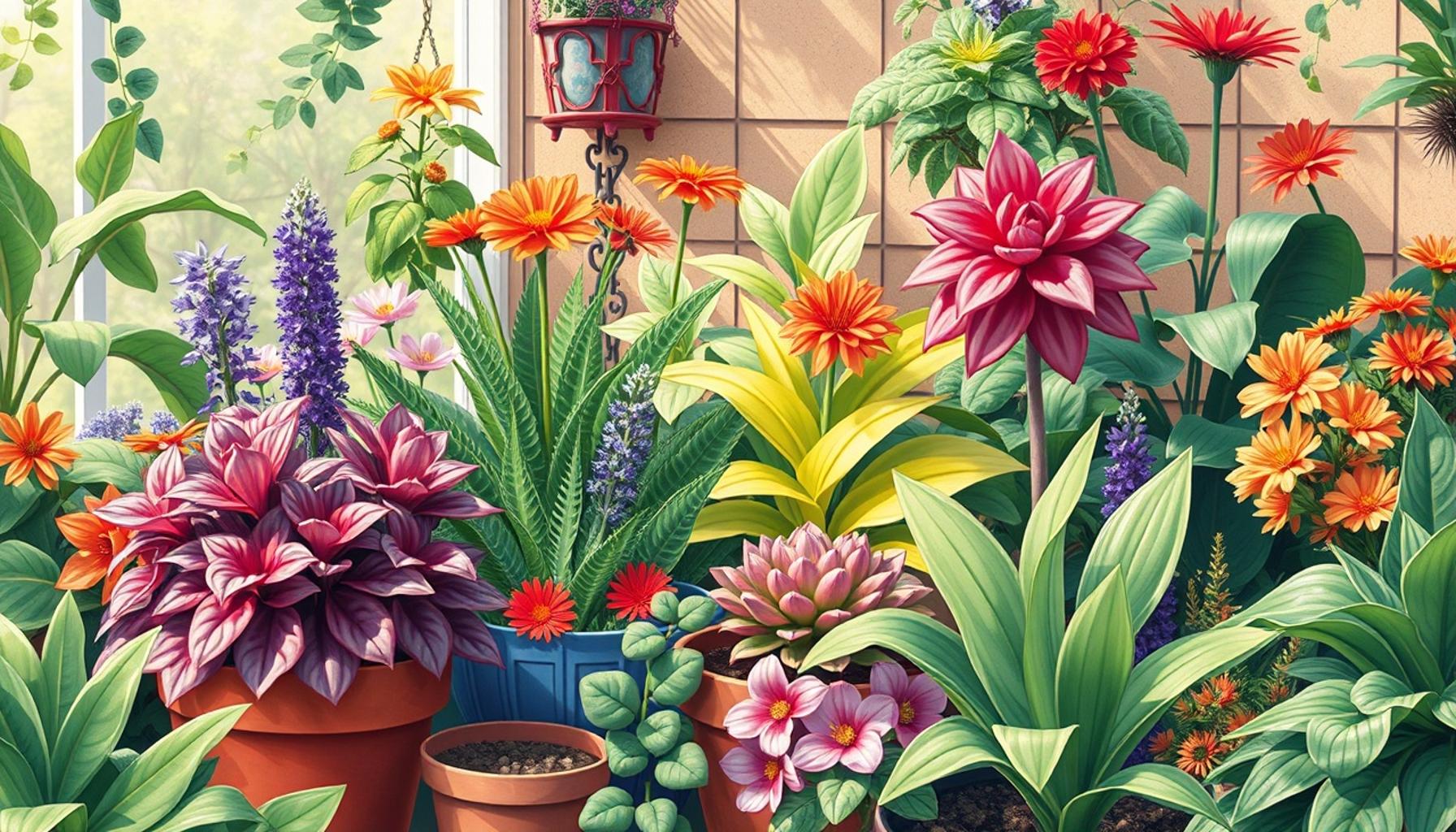
Starting your journey into indoor gardening can be both exciting and overwhelming. Choosing the **right plants** is crucial for success, especially for beginners who wish to beautify their homes while reaping the benefits of nurturing greenery. Understanding the specific requirements of various plants helps to ensure a thriving indoor garden.
Why Indoor Gardening Matters
Indoor gardening not only enhances the aesthetic appeal of your living space but also contributes to better air quality and overall well-being. Plants can act as natural humidifiers and reduce stress, creating a calming atmosphere. As a beginner, selecting **low-maintenance plants** is the key to building confidence and enjoying this rewarding hobby.
Essential Considerations
- Lighting: Assess the light conditions in your home. Some plants thrive in bright light, while others prefer shade.
- Watering needs: Beginners should look for plants that require minimal watering to avoid over or under watering.
- Size: Choose plants that fit well within your available space and lifestyle.
To help you in your selection process, we will outline the **Top 5 indoor plants** that are perfect for beginners. These choices are not only easy to care for, but they also bring a refreshing touch to your home environment.
DISCOVER MORE: Click here for sustainable irrigation tips
Top 5 Tips for Choosing the Perfect Indoor Plants for Gardening Beginners
Starting an indoor garden is an exciting journey that opens the doors to bringing nature’s charm inside your home. It can transform your living space into a lush sanctuary, providing you with serenity and a sense of accomplishment. However, with a multitude of plant options available, selecting the right ones can be daunting, particularly for beginners. This article will delve into the top five essentials for choosing ideal indoor plants that will not only thrive in your home environment but also ensure a rewarding gardening experience.
5. Consider Lighting Conditions
One of the first and most critical aspects to assess when selecting indoor plants is the lighting conditions of your space. Plants have varied light requirements, and understanding these needs is crucial to their growth and health. For beginners, identifying the light levels in different areas of your home is essential. Here are some types of light conditions to examine:
- Bright light: This refers to spaces with direct sunlight for at least six hours a day, such as south-facing windows that capture the sun from rise to set.
- Medium light: Areas that receive filtered sunlight or a few hours of indirect light, such as rooms with sheer curtains or windows facing east or west.
- Low light: Locations with minimal natural light, such as corners or rooms with small windows where artificial lighting might dominate.
Choosing the right plant according to your space’s lighting can make all the difference. For instance, Snake Plants and ZZ Plants thrive in low-light conditions, making them perfect for dimly lit offices or apartments. Conversely, plants like Succulents and Fiddle Leaf Figs require bright light and can flourish on sunny windowsills where they can showcase their vibrant hues.
4. Know Your Maintenance Level
Determining how much time and effort you’re willing to invest in plant care is another crucial consideration. Different plants require varying levels of maintenance, and it’s important to select ones that align with your lifestyle. For beginners, understanding these levels can help in making a more informed choice:
- Low maintenance: Ideal for those with busy schedules, these plants are forgiving and resilient. Examples include Pothos and Spider Plants, which require minimal watering and thrive with neglect.
- Medium maintenance: These plants demand occasional attention, needing regular watering and pruning. Peace Lilies fall into this category, and they reward you with elegant blooms when cared for properly.
- High maintenance: Perfect for enthusiasts who enjoy dedicating time to their plants. These plants, such as Orchids, often require precise watering, humidity levels, and nutrients.
As a beginner, opting for low-maintenance plants can alleviate the fear of commitment and failure. They provide a gentle introduction to the world of gardening, allowing you to learn and observe without overwhelming responsibility. As your confidence grows, you can venture into cultivating medium or high-maintenance plants to enhance your gardening skills.
3. Think About Air Quality Improvement
Indoor plants are not only decorative elements but also beneficial to your health, capable of improving air quality significantly. The NASA Clean Air Study highlights several plants renowned for their air-purifying properties, making them excellent choices for an indoor garden. Consider incorporating plants such as:
- Spider Plant: Known for its ability to remove pollutants like formaldehyde and xylene, making your air cleaner and fresher.
- Pothos: This versatile plant excels at absorbing formaldehyde, a common indoor pollutant found in cleaning products and carpets.
- Peace Lily: Not only a beauty with its white blooms, but it also helps reduce airborne toxins, contributing to a healthier environment.
Integrating these air-purifying plants into your living space can enrich the atmosphere, providing cleaner air and fostering a nurturing environment that benefits both the residents and the plants.
2. Choose Plants According to Your Home’s Temperature and Humidity
Temperature and humidity are integral factors that can significantly influence the well-being of your indoor plants. Most houseplants thrive within a temperature range of 60°F to 75°F (15°C to 24°C). It’s equally vital to consider humidity levels, as some plants prefer high humidity while others are more tolerant of dry air. Here’s how you might categorize popular plants based on their humidity needs:
- High humidity: Plants such as Ferns and Calatheas thrive in moisture-rich environments and might enjoy a bathroom or kitchen setting.
- Moderate humidity: Rubber Plants and Snake Plants adapt well to typical indoor conditions, making them versatile choices for various rooms.
- Low humidity: Plants like Succulents and Cacti are perfect for drier climates and can thrive even in the warm and less humid areas of your home.
Ensuring your choice of plants aligns with your home’s temperature and humidity conditions is vital for their success. Proper alignment allows your plants to flourish, providing a consistent supply of vibrant greenery.
1. Select Varieties That Match Your Style and Preferences
Finally, selecting indoor plants should resonate with your personal style and preferences, creating a space that reflects your taste and personality. Think about factors such as size, color, and unique features when making your selection. Here are a few suggestions to help guide your choices:
- For Unique Shapes: Consider Air Plants and Staghorn Ferns, which offer distinct forms without demanding elaborate care routines.
- For Vibrant Colors: Select plants like Crotons or Begonias, which boast rich hues and can become focal points in your decor.
- For Large Statement Pieces: Think of plants such as Monstera Deliciosa, which can grow large and add a bold presence to your interiors.
Ultimately, the beauty of indoor gardening lies in its flexibility and ability to morph to your style and environment. With a plethora of options, you can personalize your space with a botanical touch that enhances your home and reflects your individuality.
In conclusion, these tips provide a comprehensive guide to embracing indoor gardening with confidence and joy, right from assessing your environment to matching your aptitude and aesthetic preferences. As you embark on this green journey, remember that each plant is unique, and the time you spend nurturing them will come back to you in the form of beauty, tranquility, and a breath of fresh air.
| Category | Advantages |
|---|---|
| Low Maintenance Plants | These plants require minimal care, making them ideal for beginners who may not have a lot of time. Examples include snake plants and pothos, which thrive in various indoor conditions. |
| Air-Purifying Plants | Plants like spider plants and peace lilies provide the benefit of improving indoor air quality, removing toxins from the environment while enhancing the aesthetic appeal of the space. |
| Aesthetic Variety | Indoor plants come in numerous shapes, sizes, and colors, allowing for personalized decor. This means there is a plant suitable for every taste, from tall varieties that create height to small succulents for tabletop decoration. |
| Educational Value | Starting with indoor plants offers beginners a chance to learn about plant care, growth cycles, and botany. This hands-on experience can increase confidence and enjoyment in gardening. |
When beginning the journey into indoor gardening, understanding these categories and their respective advantages can greatly contribute to a successful and rewarding experience. Start with plants suited to your lifestyle, and gradually expand your indoor garden as you grow more comfortable and knowledgeable. This process not only beautifies your living space but also fosters a greater appreciation for nature.
DON’T MISS: Click here to discover essential gardening tools
Frequently Asked Questions: Choosing Ideal Plants for Indoor Gardening Beginners
What are some easy-to-care-for plants for beginners?
For indoor gardening beginners, choosing hardy plants that require minimal care is crucial. Some excellent options include the Snake Plant, known for its air-purifying properties and low water needs, and the Pothos, which thrives in various lighting conditions. The Spider Plant is also a favorite due to its resilience and ability to produce “pups” or new offshoots.
How much light do indoor plants need?
Most indoor plants prefer indirect light, which means they should be placed near a window where they receive filtered sunlight. It’s important to research the light requirements of each plant. For instance, a Peace Lily thrives in low light, while a Fiddle Leaf Fig prospers with bright, indirect light. Always avoid direct sunlight, which can scorch the leaves.
How often should I water my indoor plants?
Water needs vary by plant type, but a general rule for beginners is the “finger test”. Insert your finger into the soil up to about an inch; if it feels dry, it’s time to water. For most plants, especially succulents, it is better to under-water than to over-water. The Dracaena, for example, should only be watered when the top layer of soil is dry to the touch.
What should I do if my indoor plants start to look unhealthy?
If your plants start to show yellowing leaves, wilting, or stunted growth, it’s essential to first check their environment. Ensure that your plant isn’t over or under-watered and that it is getting the appropriate amount of light. Pruning dead leaves and ensuring your plants are in appropriate-sized pots with good drainage can also help restore them to health.
Can I grow edible plants indoors, and which are recommended for beginners?
Yes, many edible plants can be grown indoors, providing fresh ingredients at your fingertips. Easy options for beginners include herbs like basil, mint, and parsley, which require minimal space and care. Additionally, leafy greens such as lettuce or arugula can flourish indoors with sufficient light, making them excellent choices for novice indoor gardeners.
DON’T MISS: Click here to discover essential tools for your gardening journey
Conclusion
Choosing the right plants for beginners in indoor gardening is both an art and a science that can lead to a rewarding experience. Throughout this article, we’ve explored the essential factors to consider when starting your indoor gardening journey. Ultimately, selecting the ideal plants involves considering those that are low-maintenance yet provide a sense of accomplishment. Incorporating plants that thrive in indoor environments, such as succulents, pothos, spider plants, peace lilies, and snake plants, ensures success and encourages further exploration in gardening.
The top five plant choices listed not only accommodate various light conditions and humidity levels but also require infrequent watering, making them perfect for novice gardeners. Their resilience and adaptability reinforce their superiority in indoor settings, allowing beginners to learn and adapt without the fear of failure. Highlighting the importance of understanding individual plant care requirements and environmental conditions, the article provides a solid foundation for those eager to bring nature into their homes.
The endeavor of indoor gardening serves as more than just a hobby; it’s an opportunity to connect with nature, cultivate patience, and enjoy the therapeutic benefits that greenery brings to our living spaces. By educating ourselves on suitable plant choices and their care, we lay the groundwork for a sustainable and fulfilling gardening experience. As beginners, embracing this journey with enthusiasm and curiosity can lead to a lifelong passion for nurturing plant life. With these insights, you’re equipped to embark on your gardening adventure, cultivating a thriving indoor garden that enhances your home and enriches your wellbeing.

Linda Carter
Linda Carter is a writer specializing in gardening and growing at home for beginners. With extensive experience helping readers confidently care for plants, Linda shares practical guidance on preparing soil, choosing suitable plants, watering, planting, and maintaining home gardens. Her goal is to provide clear tips and accessible strategies that help beginners grow healthy plants and enjoy gardening in any space.