

Understanding Weekly Planning
Weekly planning is an essential technique that enables individuals and teams to set clear objectives and outline their tasks for the upcoming week. This method not only allows for efficient time management but also creates a visual representation of what needs to be accomplished. By dedicating time to plan at the beginning of each week, individuals can prioritize tasks based on deadlines, urgency, and importance.
For example, a student might allocate time for class assignments, study sessions, and extracurricular activities. By mapping out the week in advance, they can ensure proper balance and reduce the likelihood of missing important deadlines.
The Power of Time Blocking
On the other hand, time blocking adds another layer of effectiveness to productivity strategies. This approach involves dividing your day into blocks of time, during which you focus exclusively on a specific task or group of tasks. By creating these dedicated slots, you eliminate distractions and cultivate deep work, enhancing the quality of your output. For instance, a remote worker might set aside two hours each morning to tackle emails and meetings uninterrupted, followed by an hour for project development, ensuring that each segment of the workday is utilized to its fullest potential.
Benefits Realized
The advantages of incorporating weekly planning and time blocking into your routine are manifold. One of the most notable benefits is clarity; having a structured plan helps clarify your daily and weekly goals. This reduces the overwhelm that often accompanies a busy schedule, allowing individuals to focus on completing one task at a time.
Structure also fosters better work habits. By knowing exactly when to tackle specific tasks, individuals can avoid procrastination and the stress that comes from last-minute rushes. Additionally, this reduced stress translates into a more balanced lifestyle, encouraging wellness and productivity in personal and professional realms.


How to Implement These Techniques
To effectively implement weekly planning and time blocking, start small. Reserve a few minutes at the end of each week to review what you accomplished and strategize for the next week ahead. Utilize tools like planners or digital calendars to visualize your plans. You might consider using apps that are specifically designed for time management, such as Todoist or Trello, which can help in organizing tasks with ease.
As you develop this habit, you will likely find that both techniques complement each other, enhancing your productivity and helping you meet your goals with greater ease. With diligence and practice, the principles of weekly planning and time blocking can transform your approach to work, ushering in an era of efficiency that allows you to truly excel in your endeavors.
DIVE DEEPER: Click here to discover more
Creating an Effective Weekly Plan
To reap the full benefits of weekly planning, it’s essential to establish an effective system that works for you. Start by identifying your long-term goals and break them down into manageable tasks that can be distributed throughout the week. An effective weekly plan should encompass various aspects of your life—professional responsibilities, personal commitments, and self-care activities. This holistic approach ensures that all areas receive adequate attention, which can lead to enhanced productivity and satisfaction.
Begin by dedicating a specific time each week to assess your previous accomplishments and set your new objectives. A Sunday evening or Monday morning might be ideal, as this timeframe allows for reflection and preparation. Consider incorporating the following elements into your weekly planning routine:
- Task Prioritization: Identify which tasks are most urgent or important, and rank them accordingly. Use criteria such as deadlines and impact to guide your prioritization.
- Time Allocation: Estimate how much time each task will take. Be realistic in your assessments to avoid overwhelming yourself during the week.
- Flexibility: Leave some buffer time around high-priority tasks. Life is unpredictable, and flexibility allows you to adapt when unexpected events occur.
- Self-Care Scheduling: Don’t neglect personal time. Include slots in your weekly plan for relaxation, exercise, or hobbies that rejuvenate you.
Once your plan is laid out, it’s crucial to integrate it with the time blocking method. This ensures that your daily focus remains targeted and efficient, aligning your time with the priorities established in your weekly overview.
Time Blocking: A Game Changer for Focus
Implementing time blocking is a powerful way to execute your weekly plan effectively. To get started, designate specific blocks of time for each task in your plan. This technique promotes deep work, allowing you to concentrate fully without getting distracted by other obligations. For example, you could use the Pomodoro Technique, which involves working for 25 minutes and then taking a 5-minute break. This method keeps your mind fresh while providing the structure needed to maintain focus.
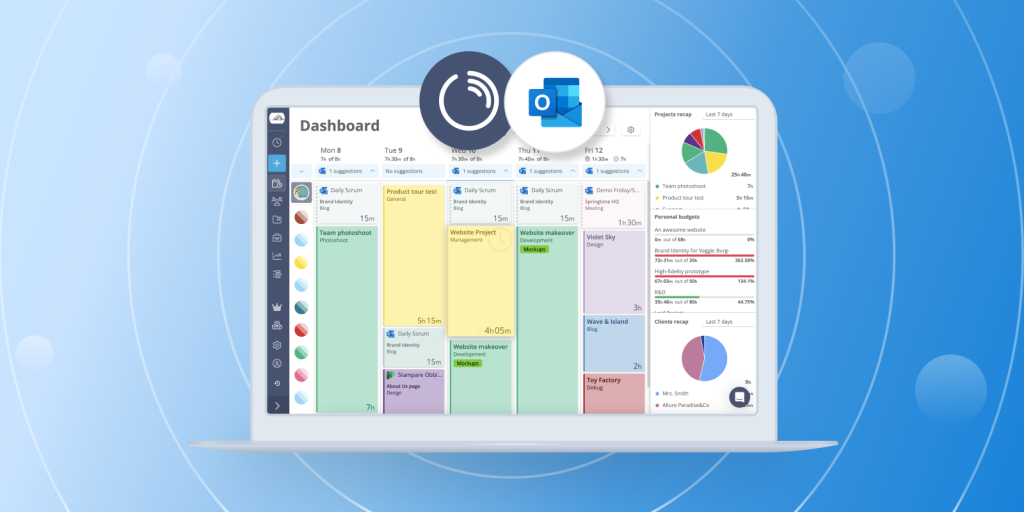
Moreover, your time blocks should be visible and structured in a way that makes them easy to follow throughout the week. Whether you use a physical planner, a digital calendar, or specialized tools, the key is to stay consistent and commit to the blocks you’ve created. The tangible nature of a time-blocked schedule not only serves as a reminder of your commitments but also helps you remain accountable, enhancing productivity.
As you become accustomed to combining weekly planning with time blocking, you may notice an increase in your overall efficiency and focus. This synergy not only enables you to stay organized but also reinforces positive work habits that can lead to greater success in both personal and professional endeavors.
Maximizing Efficiency: How Weekly Planning and Time Blocking Enhance Focus
As we delve deeper into maximizing efficiency through effective scheduling methodologies, understanding how weekly planning and time blocking synergize can unlock unobstructed pathways to productivity. These methods do not merely allocate time; they create intentional frameworks for prioritizing tasks and managing energy levels, empowering individuals to achieve focused work sessions.
Weekly planning involves carving out specific times each week to assess goals and outline tasks. This proactive strategy not only clarifies objectives but also prepares one’s mind for the tasks ahead, significantly enhancing focus. By dedicating a portion of your weekend or a low-stress weekday to review your week, you establish a roadmap that guides your days. Here, urgency dissipates, allowing for clearer thought processes.
In tandem, time blocking serves to segment these tasks into dedicated periods where distractions are minimized. For instance, when you allocate a two-hour block for deep work, communicate this commitment to your team or colleagues and resist the temptation to multitask. The time block literally creates boundaries within your schedule that are conducive to immersing yourself fully in a specific task. This can lead to a remarkable increase in productivity as it encourages single-tasking, a practice much more effective than the habit of fragmented attention.
Moreover, incorporating breaks within this framework can create a rhythm of productivity that is sustainable in the long run. Utilizing the Pomodoro technique, for instance, can optimize attention spans while integrating well-deserved rest. With all these practices in hand, you can transition from chaotic scheduling to a streamlined approach that respects both your time and attention.
| Planning Methods | Key Advantages |
|---|---|
| Weekly Planning | Clarifies objectives, enables goal tracking, and fosters mental readiness. |
| Time Blocking | Increases productivity by designating uninterrupted periods for focused work. |
As you explore these strategies, consider how they can be tailored to fit individual needs, creating a personalized schedule that reflects your unique work style. The benefits of mastering time management extend beyond mere efficiency; they cultivate a more balanced, fulfilling work life. By adopting these techniques into your routine, you position yourself not just to meet expectations, but to exceed them.
DISCOVER MORE: Click here to learn how to enhance your productivity
Integrating Tools and Techniques for Optimal Results
While creating a robust weekly plan and implementing time blocking are vital steps, integrating the right tools and techniques can amplify your efficiency considerably. In today’s fast-paced digital world, a selection of resources can help streamline your planning process, making it easier to stay on track and boost your focus. For example, project management apps like Asana or Trello provide visual representations of tasks, making it easier to assign priorities and deadlines while seamlessly integrating time blocks into your workflow.
Another effective tool is calendar software, such as Google Calendar, which allows you to not only schedule time blocks but also send reminders. You can color-code tasks based on priority or category (like work, personal, and health), making it effortless to visualize how your week is structured at a glance. Some users find that physical planners, while analog in nature, add a tangible element that is satisfying and impactful. The act of writing down tasks has been shown to improve retention and focus, allowing you to connect more deeply with your goals.
Additionally, incorporating productivity techniques like the Eisenhower Matrix into your weekly planning can further elevate your ability to prioritize. This method classifies tasks based on urgency and importance, helping you determine where to allocate your time effectively. By using these classifications, you can ensure that your planning and blocking align with your larger objectives, keeping distractions at bay.
Mindfulness and Focus as Enhancers of Efficiency
Another crucial aspect of maximizing efficiency through weekly planning and time blocking is the role of mindfulness. Being present and mindful while working on a task can significantly enhance your focus and productivity. Techniques such as meditation or simple breathing exercises can be integrated into your time blocks. Allocate a few minutes before each work session to clear your mind, which helps ease feelings of overwhelm and prepares you for deep, focused work.
Research suggests that regular practice of mindfulness not only reduces stress but also boosts cognitive flexibility and enhances focus over time. This means that as you become more adept at managing your time and tasks, your overall ability to concentrate on the work at hand will also improve. It’s an investment in your mental well-being that pays dividends in productivity.
Furthermore, practice makes perfect. As you continue employing your weekly planning and time-blocking strategy, you’ll gain insights into your own productivity patterns. Pay attention to when you’re most focused or prone to distractions, adjusting your time slots accordingly. This tailored approach will empower you to become more of an architect of your own productivity, allowing you to create a schedule that maximizes your efficiency over time.
Ultimately, the combination of weekly planning, time blocking, complementary tools and techniques, and mindfulness creates a powerful framework for boosting focus and efficiency. By consciously applying these practices, you can transform the way you manage your time, leading to greater success in achieving your goals and fostering an overall sense of fulfillment.
DIVE DEEPER: Click here to discover the evolution of productivity tools
Conclusion
In conclusion, maximizing efficiency through weekly planning and time blocking represents a transformative approach to achieving greater focus and productivity. By employing these methods, individuals can systematically outline their priorities, allocate time to various tasks, and ultimately create a structured environment that fosters concentration. The integration of digital tools, such as project management software, alongside traditional methods like physical planners, further supports this strategy by providing clarity and visual organization.
Moreover, the addition of mindfulness practices enhances the overall effectiveness of these strategies. Engaging in mindfulness allows individuals to cultivate a heightened sense of awareness, bridging the gap between focus and creativity as work sessions unfold. As you explore your own productivity patterns and adapt your approaches to suit your needs, you’ll discover not only how to manage your time better but also how to reclaim your mental space.
The impact of these practices extends beyond mere time management; they foster a holistic sense of well-being, helping you navigate the complexities of daily life with ease. By committing to continuous improvement and embracing the balance between planning and presence, you can unlock a new level of focus that leads to fulfilling achievements.
As the modern world becomes increasingly demanding, the combination of effective weekly planning, strategic time blocking, mindfulness, and tools tailored to enhance productivity equips you with the resilience necessary to thrive in any environment. So why wait? Start implementing these techniques today to pave the way for a more focused, efficient, and fulfilling life.