
Strategies to Streamline Daily Tasks
In contemporary society, where distractions are a constant presence and the demands of daily life can feel insurmountable, effectively managing personal tasks has become increasingly challenging. The primary hurdle individuals face is not just the sheer volume of responsibilities but rather the necessity to develop efficient systems that simplify and enhance daily operations.
Task tracking and checklists have increasingly emerged as essential tools for achieving improved daily routines. These methods are not only about organizing your day; they offer a comprehensive framework that can lead to significant improvements in productivity and stress management. The utilization of these strategies offers several notable benefits:
- Boost productivity: By outlining explicit action steps, task management transforms vague intentions into clear objectives.
- Reduce anxiety: A structured plan provides a roadmap for the day, alleviating the stress that often accompanies a long list of unchecked items.
- Foster accountability: Keeping track of progress helps individuals stay committed to their goals, reinforcing a sense of responsibility.
Checklists and task tracking are more than simple tools; they have the potential to revolutionize hectic schedules into harmonized plans. Consider the use of mobile applications such as Todoist or Trello, which allow users to create, prioritize, and track tasks efficiently. On the other hand, the traditional pen-and-paper method offers a tactile experience that some find more engaging. Each approach provides unique advantages:
- Flexibility: Users can easily adapt their task lists as priorities shift, ensuring that their plans remain relevant and sustainable.
- Visual reminders: Whether digital alerts or handwritten notes, these prompts reinforce commitments, helping individuals stay focused.
- Documentation of success: Recording completed tasks provides a gratifying sense of achievement and serves as a valuable tool for personal reflection and motivation.
Understanding how to implement these strategies effectively can lead to transformative changes in how individuals approach their daily tasks. By breaking down the intricacies of task tracking and employing checklists, one can navigate the complexities of their schedules with greater efficiency and clarity.
In this article, we will delve deeper into the indispensable role these organizational tools play in enhancing personal efficiency. Prepare to uncover valuable insights and practical tips that seamlessly integrate into your lifestyle, transforming chaos into a well-ordered routine.


DISCOVER MORE: Click here for essential productivity tools
Understanding the Power of Task Tracking
To truly appreciate the transformative potential of task tracking and checklists in personal organization, it’s important to first understand how they work and why they resonate with so many individuals. The principle behind these methods is straightforward: they create a visual representation of tasks and goals that can be monitored and updated. This simple, yet powerful format empowers individuals to take charge of their day, improving not just efficiency but also clarity in the chaos of everyday life.
At the core of effective task tracking is the idea of breaking down larger goals into manageable components, a strategy that is often referred to as chunking. By segmenting tasks into smaller, digestible parts, users can better gauge their progress and avoid feelings of overwhelm. Consider the following techniques that can enhance your tracking experience:
- Daily and Weekly Lists: Developing both daily and weekly lists can provide a broader perspective on what needs to be accomplished. While daily lists tackle immediate tasks, weekly lists can help in planning ahead and ensuring that nothing important slips through the cracks.
- Prioritization: Implementing a categorization system—such as labeling tasks as ‘urgent,’ ‘important,’ or ‘can wait’—enables individuals to focus their energies on what truly matters, thereby augmenting productivity.
- Time Blocking: Pairing task tracking with a time-blocking method can yield significant benefits. Allocating specific time slots for different tasks helps in mitigating procrastination and fostering a sense of urgency, compelling one to stay on track.
Task tracking does not merely suggest a way to keep busy; it actually cultivates an environment where intentional progress can flourish. For instance, mobile apps like Asana and ClickUp offer features that allow users to set deadlines, assign tasks, and even integrate calendar functions. On the other hand, for those who appreciate more traditional approaches, bullet journaling provides the flexibility to create personalized layouts that reflect individual workflow, thereby enhancing engagement with the task management process.
The Effectiveness of Checklists
Alongside task tracking, checklists have proven to be an invaluable part of personal organization. They serve not only as reminders but also reinforce commitment to completing specific tasks. Imagine beginning your day with a comprehensive checklist of objectives—resolving to tick off each task can be an incredibly satisfying experience, one that brings about a sense of accomplishment and progression.
Checklists can be particularly advantageous for various aspects of life, from managing household chores to executing work projects. Here are some compelling advantages of using checklists:
- Consistency: Regularly employing a checklist can foster habits and streamline routines, making it easier to accomplish repetitive tasks.
- Reduced Cognitive Load: A checklist alleviates the mental burden of trying to remember every little task, allowing individuals to focus on execution rather than recall.
- Enhanced Focus: By clearly outlining tasks, checklists help maintain attention on the right activities, reducing the likelihood of distractions derailing your day.
As we delve deeper into the article, readers will discover how to tailor these powerful tools to their unique lifestyles, harnessing the full potential of task tracking and checklists. The journey to building better routines begins with understanding and implementing these strategies effectively.
| Advantages | Importance in Personal Organization |
|---|---|
| Enhanced Focus | Task tracking allows individuals to prioritize tasks effectively, increasing concentration on the most important items. |
| Increased Accountability | Using checklists fosters a sense of responsibility, encouraging individuals to follow through with tasks they have committed to. |
| Stress Reduction | Organizing tasks visibly reduces anxiety as users can see their progress and completed items on their lists. |
| Better Time Management | With clear task lists, time allocation becomes more realistic, aiding in avoiding procrastination and enhancing productivity levels. |
The art of building better routines revolves significantly around systematic task tracking and the effective use of checklists. By employing these methods, individuals not only boost their ability to focus but also develop a profound sense of accountability towards their responsibilities. The visual representation of tasks being completed actively contributes to reducing stress, allowing for a clearer mind and a more organized approach to daily challenges. Moreover, with better time management facilitated through clear prioritization, one can efficiently allocate moments throughout the day towards completing essential tasks, setting a solid foundation for personal and professional growth. Engaging routinely in this process elevates both organization and personal performance to new heights.
DISCOVER MORE: Click here to learn about maximizing your work-life balance
Personalizing Your Task Tracking and Checklist Systems
While task tracking and checklists offer universally acknowledged benefits, their effectiveness is maximized when tailored specifically to individual needs and preferences. Personalization ensures that these tools become an intrinsic part of one’s daily routine rather than an afterthought. By customizing your system, you can capitalize on your strengths and compensate for any weaknesses, ultimately leading to more effective personal organization.
One effective strategy is to experiment with different formats of task tracking and checklists. Some individuals find digital platforms to be incredibly advantageous, integrating seamlessly into their tech-savvy lifestyles. Applications like Todoist and Trello allow for the integration of deadlines, reminders, and priority rankings. For instance, Todoist’s Karma points system gamifies productivity by rewarding users for completing tasks and can motivate them to meet their personal goals. Alternatively, others may derive benefit from the tactile experience of handwriting tasks in a planner, which has been shown to enhance memory retention and create a stronger mental connection to actions.
Another area of personalization lies in the actual metrics used to evaluate success. Emphasizing qualitative achievements, such as “completed reading section of a book” as opposed to mere quantitative results like “read 30 pages,” allows individuals to appreciate the depth of their accomplishments. This qualitative framework can also apply to long-term goals, enabling individuals to track progress based on personal satisfaction or alignment with core values, rather than just numerical thresholds.
Building a Routine with Task Tracking and Checklists
Creating a daily or weekly routine can yield significant benefits with the integration of task tracking and checklists. Establishing a set schedule grants structure to one’s day and can lead to improved mental health. According to research from the American Psychological Association, a well-structured routine can enhance feelings of control, reduce anxiety, and provide a sense of stability amidst uncertainty. With the right tools, individuals can embrace these advantages by defining their routines more clearly and making them more achievable.
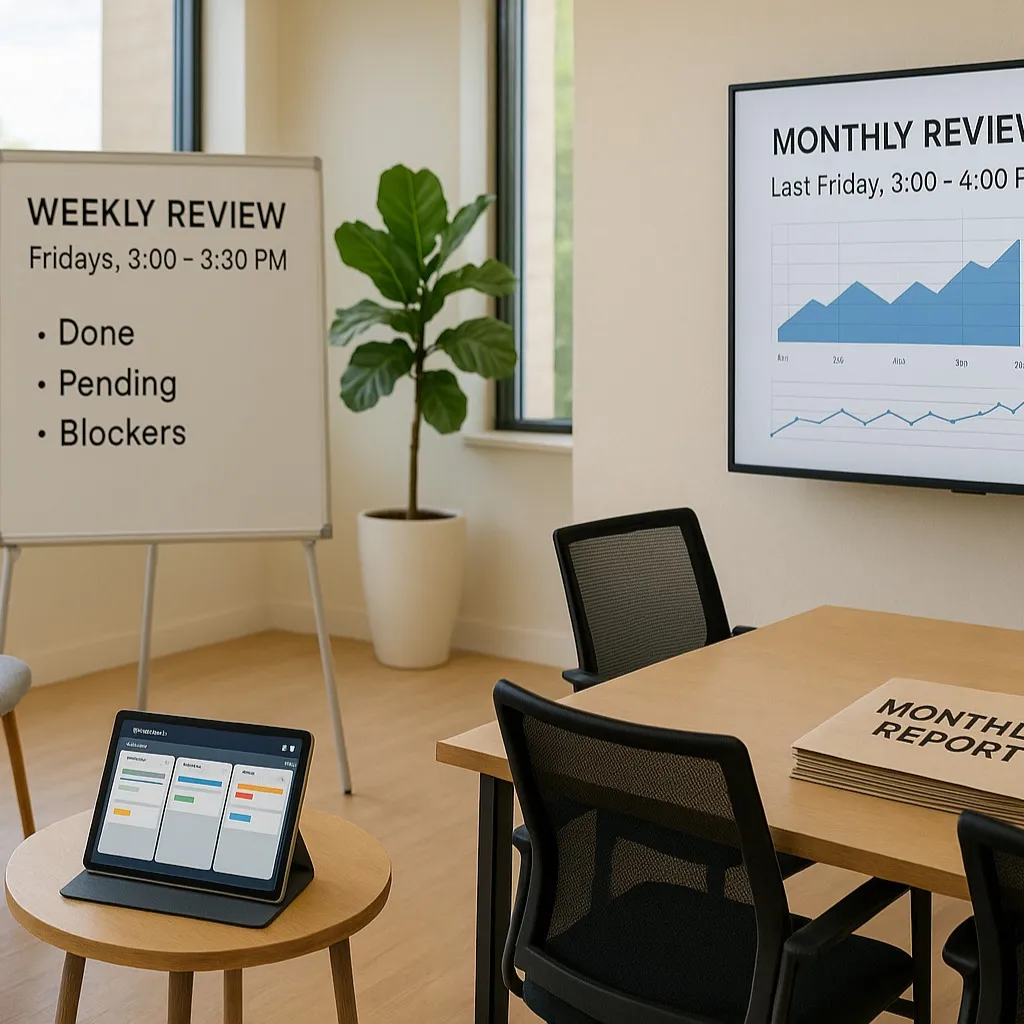
To build a robust routine, consider incorporating time for reflection within your task-tracking system. By assessing the past week’s successes and areas needing improvement, you can adapt your checklists and tasks for the following week. This reflective practice sharpens focus on intent and purpose, aligning everyday activities with broader life goals. Implementing a weekly review practice not only enhances personal accountability but directly contributes to long-term productivity.
The Role of Technology in Enhancing Routine Builder
As we delve further into the realm of personal organization, it is crucial to discuss the myriad ways technology can enhance routine-building endeavors. The rise of productivity apps and smart devices has created a new landscape for task tracking and checklists. For example, voice-activated assistants like Amazon’s Alexa and Google Assistant can set reminders and help maintain your checklist, making it easier to stay on top of tasks without manual input.
Moreover, the communal aspect of task tracking should not be overlooked. Collaborative tools such as Notion and Microsoft Teams foster teamwork and accountability, allowing users to share their progress with peers or associates. This interactivity turns task tracking into a social endeavor, encouraging users to stay accountable and engage in a supportive environment. These platforms also allow the integration of calendars and deadlines into one unified system, making it easier to visualize and track commitments.
In essence, the journey toward building better routines relies heavily on the skilled interplay between personalized task tracking and checklists. Unlocking their full potential involves understanding how to adapt these tools for individual preferences, creating structures that harness the power of technology, and reflecting on progress. As you navigate this path, remember that personal organization is a dynamic process that allows for continuous growth and adaptation.
DISCOVER MORE: Click here to learn how to enhance your productivity
Conclusion
In conclusion, building better routines through the use of task tracking and checklists is not merely a function of productivity but a holistic approach to personal organization that fosters mental clarity and emotional well-being. By personalizing these tools to reflect individual preferences and responsibilities, users transform them from rigid frameworks into flexible guides that seamlessly integrate with their lives. The wide array of digital applications and physical planners available today empowers individuals to choose the best method for their unique circumstances, whether it be through the structure of electronic reminders or the tactile engagement of handwritten notes.
Moreover, the incorporation of technology into routine building adds an additional layer of effectiveness. From automated reminders to collaborative platforms that enhance accountability, the modern age opens myriad avenues for enhancing productivity and maintaining focus. As you adopt these strategies, remember that reflection plays a vital role; regularly evaluating your progress ensures continued adaptation and improvement of your routines. This practice encourages deeper alignment with your goals, not just at a surface level but in ways that resonate with your core values.
Ultimately, personal organization is a journey that evolves over time. As you embrace task tracking and checklists as pivotal components of your daily life, you empower yourself to achieve greater efficiency and fulfillment. Take steps to explore these systems—experiment, adjust, and find what works best for you. In doing so, you cultivate an environment ripe for personal growth, paving the way for a more organized and harmonious existence.