

The Importance of Task Tracking in Project Management
In the hustle and bustle of contemporary life, mastering the art of task tracking can distinguish between success and failure in both professional and personal projects. The increasing complexity of projects demands a systematic approach, and employing effective techniques like checklists and to-do lists is more than just a convenience; it’s essential for success. These tools serve as navigational aids that help steer through the myriad responsibilities that come with managing multiple tasks.
Benefits of Checklists and To-Do Lists
One of the most significant advantages of using checklists is the inherent increased organization they promote. By breaking down tasks into manageable components, checklists allow for a clear pathway to project completion. For example, a project manager working on an event might create a checklist that includes every detail, from securing a venue to arranging catering services. This not only ensures that nothing is overlooked but also provides everyone involved with a clear understanding of what needs to be accomplished.
Another valuable aspect of to-do lists is their ability to enhance accountability. In a team setting, assigning specific tasks to individuals can lead to more efficient progress tracking. For instance, using a collaborative app such as Trello or Asana, team members can allocate tasks among themselves, monitor deadlines, and keep everyone informed of their status. This visibility fosters a sense of responsibility and ensures that each member is aware of their contributions, thereby improving team dynamics.
Moreover, the psychological benefits of completing tasks should not be underestimated. The reduced stress gained from marking off completed items on a checklist can lead to emotional satisfaction and a motivating boost to tackle subsequent tasks. This phenomenon, often referred to as the “Zeigarnik Effect,” highlights how unfinished tasks can create a sense of tension, while completing a task creates a sense of relief and accomplishment.
Leveraging Technology for Enhanced Efficiency
The digital revolution has illuminated a plethora of tools designed to facilitate task tracking. From simple note-taking applications like Google Keep to advanced project management platforms like Microsoft Project, there exists a suitable tool for every need. Many of these applications include features such as reminders, deadlines, and even integration with calendar systems, which further streamline the process of keeping tasks organized.
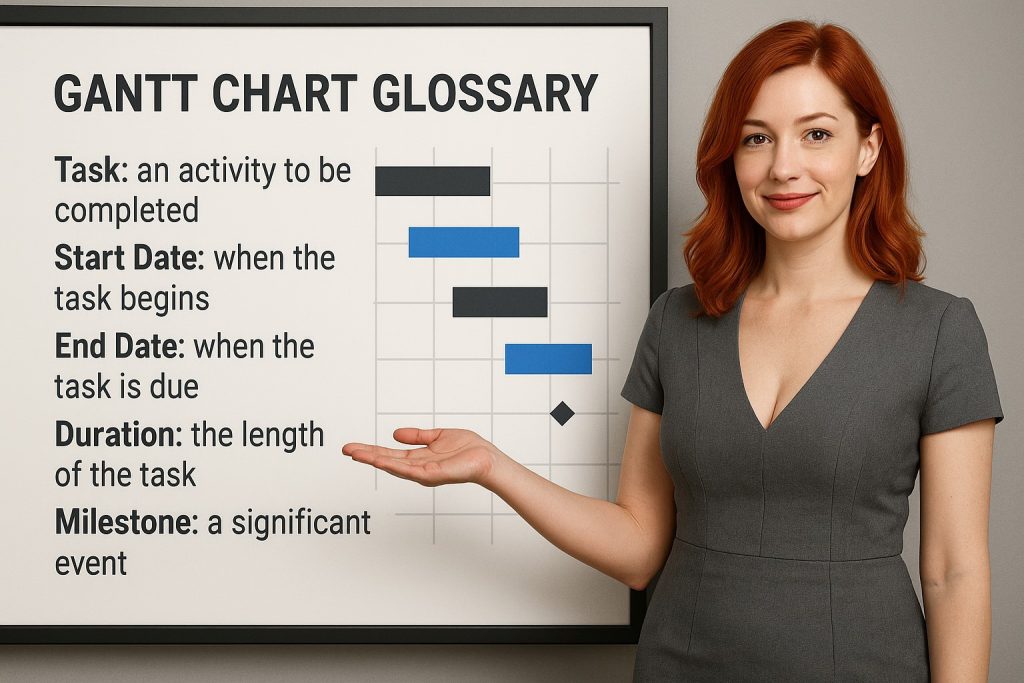


As we embrace the modern approach to task management, it becomes clear that adapting to new methods can transform project planning into a more engaging and effective experience. Understanding how to implement checklists and to-do lists effectively can elevate your project management skills and profoundly impact your productivity. By harnessing these tools and technologies, individuals and teams can navigate their tasks with greater confidence and achieve outstanding results.
DISCOVER MORE: Click here to dive deeper
Boosting Productivity with Checklists and To-Do Lists
To navigate the complexities of various projects, checklists and to-do lists emerge as critical tools that not only promote adherence to timelines but also enhance overall productivity. Understanding the application and effectiveness of these instruments can vastly improve project planning. Let’s delve deeper into how these tools can transform your approach to task tracking.
Firstly, one of the essential features of checklists is their structured format. This format serves as a foundation that eliminates ambiguity and ensures thoroughness in task completion. When projects involve intricate processes or many components, a checklist guarantees that each requirement is addressed. For example, a software development team might create a checklist that encompasses everything from coding to testing, ensuring no crucial step is skipped. This meticulous approach is vital for time-sensitive projects where a single missed task could derail the entire timeline.
Moreover, to-do lists are indispensable for prioritizing tasks. In the fast-paced world of project management, the ability to identify which tasks are critical can sometimes be the difference between success and failure. A well-crafted to-do list enables teams to focus on high-priority items that align with overarching project goals. Here are some strategic tips for creating effective to-do lists:
- Break down larger tasks: Divide big projects into smaller, manageable tasks that can be tackled individually.
- Use the SMART criteria: Ensure tasks are Specific, Measurable, Achievable, Relevant, and Time-bound to enhance clarity.
- Regularly update: Keep your lists dynamic by revisiting and adjusting tasks as project timelines evolve.
In addition to structure and prioritization, employing checklists and to-do lists can promote collaboration. In team-oriented projects, members can contribute collectively to the checklist, updating or adding tasks as needed. This shared responsibility enhances collective ownership of the project while simultaneously enabling transparency. Tools like Asana or Trello facilitate this collaboration by allowing teams to create shared boards where checklists and to-do lists coexist, leveraging real-time updates for efficient progress tracking. The ability to see tasks being completed in real-time not only fosters camaraderie but also injects motivation across the team.
Lastly, beyond just organizational benefits, the strategic use of checklists and to-do lists can also evoke a sense of achievement among team members. The simple act of crossing off completed tasks provides instant gratification and a visual representation of progress made. Psychological studies have shown that this visual affirming effect can lead to increased motivation for future tasks, essentially creating a positive feedback loop of productivity.
Adapting to the Digital Age
In our increasingly digital landscape, the methods of task tracking have evolved. Utilizing technology not only amplifies the effectiveness of checklists and to-do lists but also opens the door to innovative practices in project management. As we explore this realm, the integration of technology into task tracking reveals a wealth of opportunities for modern project planners.
Mastering Task Tracking: The Role of Checklists and To-Do Lists in Project Planning
In the dynamic landscape of project planning, checklists and to-do lists play pivotal roles in enhancing efficiency and ensuring that essential tasks are not overlooked. These tools are not merely for organizational purposes; they are strategic assets that can significantly influence project outcomes.One of the primary advantages of utilizing these lists is the boost in accountability. Teams are more likely to stay on track when they have a clear visual representation of their responsibilities. This transparency fosters a sense of ownership, as each member knows what is expected of them and can monitor their progress. Additionally, checklists serve to mitigate the chances of forgetting critical tasks, reducing the risk of delays that can arise from oversight.Besides accountability, another substantial benefit lies in the promotion of prioritization. With the spectrum of tasks often appearing overwhelming, to-do lists enable project managers to break down larger objectives into manageable, actionable items. By clearly defining the importance and urgency of each task, teams can tackle high-priority items first, enhancing productivity and ensuring consistent momentum towards project goals.Moreover, combining both checklists and to-do lists creates an environment ripe for effective communication. Regularly updated lists enable teams to discuss progress during meetings, share feedback, and align on next steps. As a result, project stakeholders remain informed and engaged, which is crucial for collaborative success.To delve deeper into the practical applications and benefits of these tools in your project planning process, consider integrating technology by using task management tools that streamline the checklist and to-do list functionalities, making task tracking even more efficient.
| Category | Advantages |
|---|---|
| Enhanced Accountability | Fosters ownership and ensures tasks are completed. |
| Improved Prioritization | Allows focus on high-priority tasks for better productivity. |
| Effective Communication | Enables team members to share progress and align on tasks. |
As you explore the methodologies of project management, understanding the importance of checklists and to-do lists could very well transform your planning strategies and enhance overall project performance.
DISCOVER MORE: Click here to enhance your work-life balance!
Integrating Checklists and To-Do Lists with Advanced Tools
As project management continues to evolve, the integration of checklists and to-do lists with advanced digital tools is becoming imperative for achieving optimal efficiency. In this digital age, leveraging software applications can elevate the functionality of traditional task tracking methods. Whether you’re managing a small team or overseeing a large-scale operation, utilizing these tools allows for enhanced customization, accessibility, and a streamlined workflow.
For instance, popular project management platforms like Monday.com and Notion offer versatile functionality that goes beyond typical task lists. These applications allow users to build interactive checklists and to-do lists equipped with features like real-time collaboration, deadline reminders, and status updates. Customizable templates can cater specifically to the needs of different projects, whether they involve software development, marketing campaigns, or event planning. Such adaptability enables teams to remain agile, adjusting their task tracking as project requirements shift.
Additionally, integrations with productivity tools like Google Calendar or Slack create a seamless experience for teams. By connecting their task lists with these widely used platforms, teams can automate reminders and updates, minimizing the chances of overlooked responsibilities. For example, a marketing team can set up automatic notifications for upcoming deadlines directly within their Slack workspace, allowing them to keep their to-do lists top-of-mind throughout the day. This cohesive approach ensures that team members are aligned and collectively focused on achieving project milestones.
Moreover, businesses in the United States are increasingly adopting project management software that emphasizes analytics and reporting. Tools like Wrike or Smartsheet provide insights into task completion rates, team performance, and bottlenecks that might impede progress. Such data-driven decision-making allows project managers to identify trends, leading to more informed strategies for future projects. The ability to evaluate which tasks led to successful outcomes can assist teams in refining their checklists and to-do lists, ultimately enhancing performance across the board.
Another critical aspect of task tracking technology is mobile accessibility. With an increase in remote work and distributed teams, the demand for checklist and to-do list applications that function on smartphones and tablets cannot be overlooked. Apps like Todoist and Microsoft To Do allow team members to manage their tasks on-the-go, ensuring that project progress is not stymied when access to a desktop is limited. This level of flexibility empowers team members to stay organized and responsive, regardless of their location, leading to higher productivity levels.
Furthermore, the incorporation of AI-powered tools in task tracking is revolutionizing the landscape of project management. These advanced systems can analyze workloads, suggest prioritizations, and even automate recurring tasks in a checklist format. Innovations like ClickUp employ artificial intelligence to facilitate smart scheduling and optimize task management based on team bandwidth and upcoming deadlines. By minimizing administrative burdens, AI can allow teams to focus more on strategic work rather than merely keeping track of tasks.
In conclusion, as we delve deeper into mastering task tracking, it is evident that combining traditional checklists and to-do lists with modern technology not only enhances task management but also fortifies team collaboration and productivity. The evolution of these tools is ushering in a new era of project planning, where adaptability and efficiency are the cornerstones of success.
DISCOVER MORE: Click here to enhance your productivity!
Conclusion: Embracing the Future of Task Tracking
In the quest for mastering task tracking, it becomes increasingly clear that checklists and to-do lists are not merely relics of old-school project management, but rather essential components that can adapt and thrive in today’s fast-paced work environment. As we’ve explored, traditional methods, when integrated with modern digital tools, pave the way for a more efficient and collaborative approach to project planning.
The rise of sophisticated software applications enhances the utility of these foundational task management tools, offering innovative features that support real-time updates, team collaboration, and automation. This powerful synergy not only reduces the cognitive load on individuals but also leads to a culture of accountability and clarity within teams. In an increasingly remote and nimble workforce, ensuring accessibility through mobile platforms further bolsters productivity, allowing teams to stay engaged and responsive regardless of their physical location.
Moreover, the incorporation of analytics and AI technologies offers a treasure trove of insights, driving smart decisions that enhance future project outcomes. By continuously refining checklists and to-do lists based on performance data, teams can foster a cycle of improvement that transforms how they approach project management.
For those seeking to elevate their project planning capabilities in the United States or beyond, embracing the evolution of task tracking through the fusion of tradition and technology will prove critical. As we stand at this intersection, the journey toward effective project execution begins with the simple act of organizing tasks—an endeavor where mastering the art of checklists and to-do lists can truly set teams apart from the competition.