
Unlocking Effective Productivity
In today’s fast-paced world, the ability to prioritize tasks effectively is essential for productivity. The Eisenhower Matrix offers a powerful framework for managing time and tasks, helping individuals ensure that what truly matters receives the attention it deserves. This strategic approach is particularly valuable as it assists in navigating the complexities of both personal and professional responsibilities.
The Eisenhower Matrix operates on a simple principle: it categorizes tasks based on two key criteria—urgency and importance—allowing users to visualize their priorities in a structured manner. Tasks are divided into four distinct quadrants: those that are urgent and important, those that are important but not urgent, those that are urgent but not important, and finally, those that are neither urgent nor important. Such categorization promotes not only clarity but also an actionable way to address daily challenges effectively.
Key Features of the Eisenhower Matrix
- Clarity: By breaking tasks down into four categories, you can see at a glance where your focus should lie. For instance, a looming project deadline may fall into the “urgent and important” category, while planning for a future presentation might be “important but not urgent.” This clarity helps you avoid confusion and effectively allocate your time and energy.
- Focus: The framework encourages you to concentrate your efforts on high-priority tasks. To illustrate, consider a busy executive: they may face several emails and meetings daily. According to the matrix, attending a crucial strategy meeting might take precedence over responding to a non-critical email—a task that can be delegated or delayed.
- Productivity: By minimizing distractions and focusing solely on what drives progress, you streamline your workflow. For example, turning off notifications on your phone while working on a project can lessen interruptions, allowing for enhanced concentration on tasks that truly matter.
This systematic approach not only combats the feeling of constant busyness but also fosters meaningful progress in one’s work and personal life. Delving into the nuances of this matrix, you can discover various applications ranging from student homework organization to corporate team project management.
Whether you’re a student juggling assignments, a professional striving for work-life balance, or an entrepreneur navigating the challenges of growing your business, mastering the Eisenhower Matrix can transform how you tackle your daily responsibilities. By embracing this practical tool, you pave your way to greater productivity, making every action count toward your goals.
DISCOVER MORE: Click here to unlock your productivity potential
Understanding the Framework of the Eisenhower Matrix
The Eisenhower Matrix is not just a theoretical model; it is a practical tool that organizations and individuals can apply immediately to enhance task management and overall productivity. Grounded in a straightforward understanding of urgency and importance, this matrix empowers people to make informed decisions about which tasks demand their immediate attention, which ones can be scheduled for later, what can be delegated, and what should ultimately be discarded.
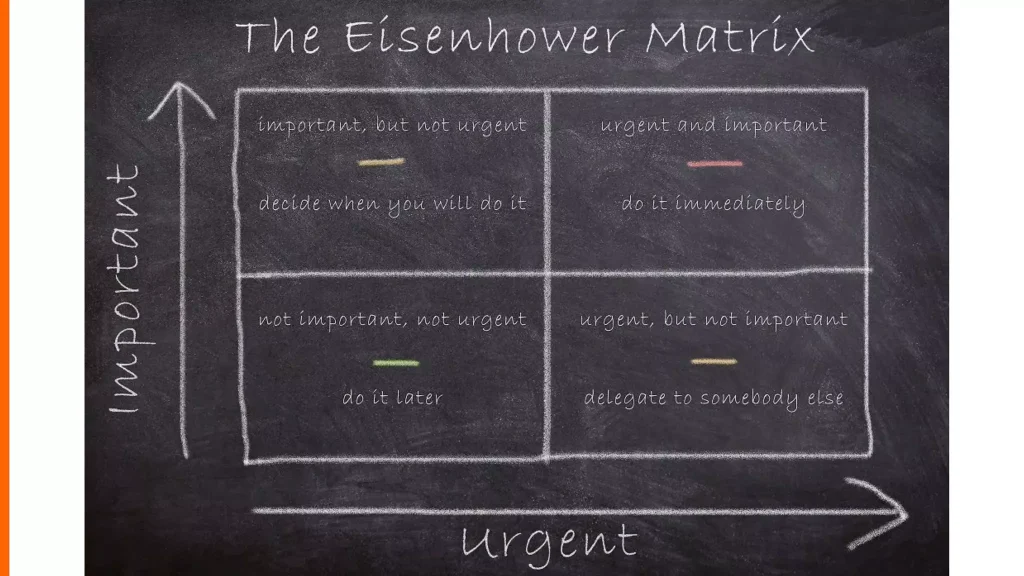
At its core, the Eisenhower Matrix helps eliminate the chaos of a busy schedule by structuring priorities clearly. The tasks are divided into four quadrants:
- Quadrant 1: Urgent and Important – Tasks that fall into this category require immediate attention and contribute significantly to your goals. These tasks often involve deadlines and critical projects. For instance, submitting a report due today or addressing a serious client issue exemplifies this quadrant.
- Quadrant 2: Important but Not Urgent – Here, you find tasks that contribute to long-term success but do not require immediate action. Examples include planning for a strategic meeting next month or engaging in professional development. This quadrant is crucial for long-range planning and personal growth.
- Quadrant 3: Urgent but Not Important – Tasks that might seem urgent but do not significantly impact your overarching objectives belong to this category. Responding to a non-critical email or attending a meeting without a clear purpose can consume valuable time better spent on higher-priority tasks. Identifying these tasks allows for delegation or postponement.
- Quadrant 4: Neither Urgent nor Important – This quadrant consists of distractions that can drain your energy and time. Activities like mindless social media scrolling or unnecessary web browsing fit here. Minimizing time spent on these tasks can liberate your schedule for more impactful activities.
Recognizing where a task lies within the matrix is essential for anyone looking to boost their efficiency. By categorizing tasks effectively, you can prevent overlaps, ensuring that you dedicate your most productive hours to the work that truly drives results. Studies show that individuals who implement the Eisenhower Matrix can experience as much as a 25% increase in productivity as they focus on impactful tasks while reducing time spent on lower-priority activities.
The Role of Reflection in Prioritization
Incorporating the Eisenhower Matrix into your routine is not a one-time fix; it also involves regular reflection and reevaluation. As circumstances change—new crises arise, and unexpected opportunities emerge—so too should your task priorities. Regularly reassessing your matrix keeps your focus aligned with current objectives. Keeping a weekly review session to adjust tasks in the matrix can lead to greater agility in your workflow and ensure that you maximize your potential.
With several industries and professionals benefiting from this framework, mastering the Eisenhower Matrix is vital for anyone aiming to enhance their effectiveness. By understanding how to prioritize tasks effectively, you pave the way to not only completing necessary duties but also achieving broader, more meaningful life goals.
| Category | Key Features |
|---|---|
| Task Prioritization | Enables clear decision-making by categorizing tasks based on urgency and importance. |
| Enhanced Focus | Reduces distractions and allows individuals to concentrate on what truly matters. |
Incorporating the Eisenhower Matrix into your productivity strategy can lead to significant improvements in task management. By focusing on task prioritization, you set a solid foundation for effective planning. The method distinguishes between what is urgent and what is important, prompting users to take action on critical tasks while deferring or delegating less impactful ones. The benefits extend beyond mere organization; employing this technique cultivates enhanced focus throughout your day. By systematically assessing your responsibilities, you can eliminate non-essential activities, fostering an environment that promotes productivity and efficiency in both personal and professional realms. As you explore further, you will discover how the Eisenhower Matrix can revolutionize your approach to managing demanding workloads, granting you the time and clarity often lost in overwhelming schedules.
FURTHER READING: Click here to learn how to balance work and personal life</
Maximizing Effectiveness Through Strategic Implementation
While the Eisenhower Matrix provides a strong foundation for prioritizing tasks, its effectiveness hinges on how well individuals and organizations implement it in their daily workflows. The matrix is about more than just sorting tasks; it’s about making strategic decisions that align with personal and organizational goals. Therefore, recognizing patterns in task urgency and importance can lead to more profound insights into how one allocates time and resources.
One key strategy is to integrate technology into the prioritization process. Many productivity apps incorporate the essence of the Eisenhower Matrix, allowing users to visualize their tasks in quadrants. Digital platforms such as Todoist and Trello not only help you manage tasks but also facilitate collaboration and delegation among team members. This can be particularly beneficial in team settings where tasks frequently overlap, enabling everyone involved to maintain a shared understanding of what’s urgent and important.
Furthermore, consistent use of the Eisenhower Matrix fosters a culture of accountability. In work environments where teams utilize this framework collectively, it encourages members to respect each other’s time by being judicious about urgent requests. For instance, before approaching a colleague with what seems like an urgent matter, they might first reflect on the urgency and importance of their request, potentially reallocating their needs into lower-priority categories that can be addressed later. This not only enhances team dynamics but also cultivates a workspace that values productivity.
Combating Procrastination and Burnout
Procrastination is a prevalent issue that can derail even the most well-organized schedules. The Eisenhower Matrix effectively combats this tendency by simplifying the decision-making process. Individuals can swiftly identify what needs their attention and understand the consequences of neglecting Quadrant 1 tasks. For example, failing to address important deadlines can result in missed opportunities or create bottlenecks in project progress, prompting urgency later that might not have existed if tasks were tackled promptly.
Moreover, addressing Quadrant 2 tasks—those deemed important but not urgent—is critical for long-term success and well-being. Investing time in these activities, such as skill development, strategic planning, or wellness initiatives, not only makes one more adept but also acts as a buffer against burnout. Regular engagement with these lower-urgency tasks can foster innovation and improve overall job satisfaction, creating a more sustainable work-life balance.
Research from the American Psychological Association indicates that adopting effective prioritization techniques can lower stress levels significantly. When individuals feel in control of their workload, anxiety diminishes, leading to clearer thinking and enhanced performance. This reinforces the argument for prioritizing tasks based on the matrix’s criteria; the less time spent in Quadrants 3 and 4, the more headway can be made on meaningful projects that truly align with one’s ambitions.
In addition, it’s essential to create visual reminders of the matrix in your workspace. Placing a physical chart or even a digital widget on your computer can serve as a constant prompt to categorize tasks. This consistent visibility ensures that prioritization becomes an integral part of your work habits, rather than a sporadic contemplation that gets brushed aside in the face of immediate pressures.
Ultimately, integrating the Eisenhower Matrix into your task management repertoire transforms the approach towards personal and professional productivity. By fostering a proactive mindset and adopting practical tools, individuals can streamline their efforts and truly focus on what matters most.
DISCOVER MORE: Click here to enhance your goal-setting skills
Conclusion: Embracing the Power of the Eisenhower Matrix
The Eisenhower Matrix stands as a pivotal tool in navigating the complexities of task management and enhancing productivity. By dissecting tasks into four distinct categories—urgent and important, important but not urgent, urgent but not important, and neither—it empowers individuals and teams to make informed decisions about how to allocate their time and efforts. This model not only helps prioritize effectively but also fosters a mindset conducive to long-term success by encouraging engagement with critical tasks that often get lost in the day-to-day shuffle.
Incorporating technology into this framework amplifies its efficacy, with various productivity applications that facilitate visual organization and collaboration. As teams utilize the Eisenhower Matrix collectively, they cultivate a culture of respect for one another’s time and responsibilities, ultimately leading to enhanced productivity and employee satisfaction.
Moreover, as individuals routinely confront procrastination and burnout, the matrix leads to a structured decision-making process, directing focus toward fulfilling tasks and long-term goals. The emphasis on Quadrant 2 activities, which may lack immediate urgency but play a crucial role in personal and professional development, cannot be overstated. A more deliberate approach to prioritization fosters resilience against burnout and empowers individuals to invest in their growth.
In the high-paced environment prevalent in today’s workplace, adopting the Eisenhower Matrix is not just a tactic but a transformative strategy. By committing to meaningful prioritization, we can create an atmosphere where productivity thrives, innovation flourishes, and well-being remains at the forefront, paving the way for sustained success. As productivity trends evolve, staying adaptable and intentional in task management will be the key to reaching one’s fullest potential.