

The Power of Planning in a Chaotic World
As modern life accelerates, the need for efficiency becomes increasingly vital. Daily responsibilities, ranging from professional duties to personal commitments, often pile up, creating a sense of chaos and overwhelm. However, by implementing effective strategies like weekly planning and prioritization, you can take charge of your life and achieve your goals with greater ease.
Integrating weekly planning into your routine provides a structure that not only enhances your productivity but also serves as a buffer against stress and burnout. Imagine sitting down every Sunday evening to map out your upcoming week. This proactive approach allows you to allocate specific time blocks for work tasks, family commitments, and even much-needed downtime, creating a balanced schedule that caters to your overall well-being.
Here are some notable benefits of adopting a structured planning system:
- Enhance Your Productivity Levels: By pinpointing high-priority tasks, your focus sharpens, leading to faster completion times. Research shows that 75% of people who plan their week are more likely to meet their goals.
- Minimize Stress and Burnout: When you have a clear map of your responsibilities, you can better manage your expectations, reducing anxiety associated with last-minute tasks.
- Create a Clear Roadmap Towards Your Goals: Structured planning helps visualize your targets, making them seem more attainable and less abstract, thus facilitating better motivation to achieve them.
The impact of consistent weekly planning also extends into emotional well-being. Studies have shown that individuals who plan their weeks report higher levels of satisfaction in personal and professional spheres. Such individuals tend to manage their time more effectively, ensuring that they devote energy only to what truly matters.
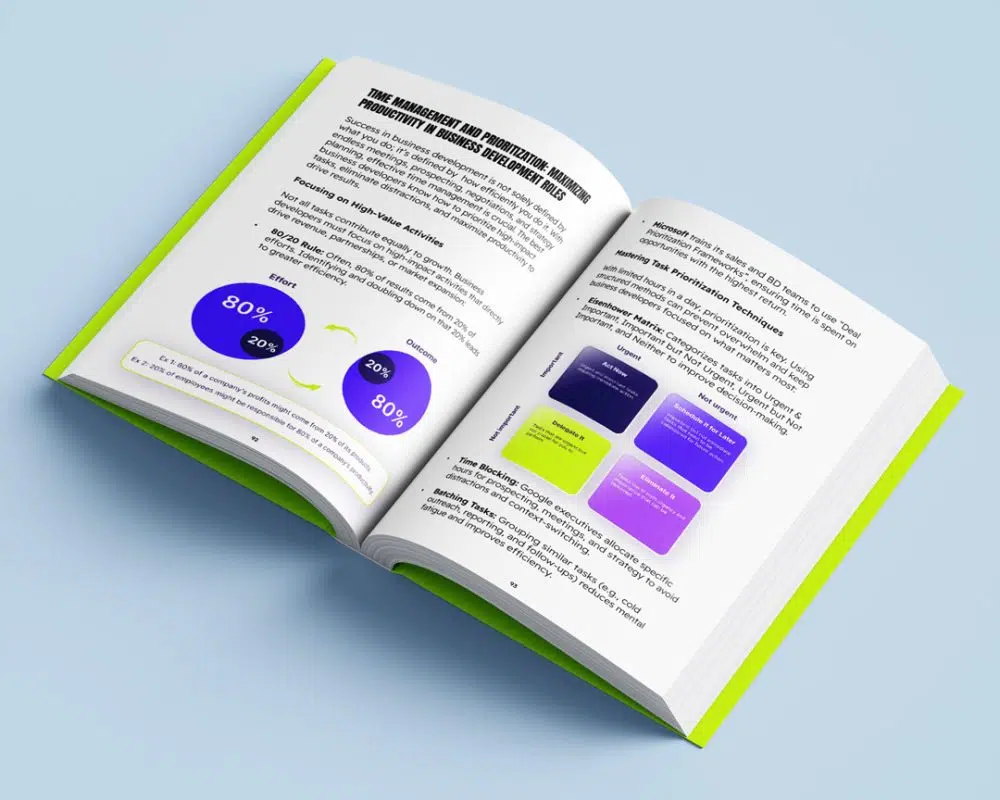
Besides productivity, engaging in strong prioritization practices during your planning can significantly enhance your accountability. For example, utilizing a system like the Eisenhower Matrix enables individuals to categorize tasks based on urgency and importance, ensuring that critical deadlines are met while also identifying non-essential activities that can be delegated or eliminated altogether.


Improved time management skills are another undeniable benefit of planning. By scheduling tasks in advance, you gain insight into how much time you realistically need for various activities, allowing for adjustments that streamline your day-to-day operations.
Ultimately, the intersection of planning and goal achievement represents an opportunity to redefine how you approach your daily challenges. Understanding the full spectrum of your requirements and managing them through strategic planning can elevate your efficiency and drive your aspirations forward. So, as you consider the transformational power of effective planning, ask yourself: How can you begin this journey towards greater clarity and purpose in your routine?
DISCOVER: Click here to enhance your workspace
Unlocking the Benefits of Weekly Planning
In the hustle and bustle of everyday life, incorporating weekly planning can significantly transform how you manage your responsibilities and achieve your objectives. The concept of setting aside time to organize your schedule might seem trivial, yet the power of this practice cannot be overstated. By dedicating a portion of your week to planning, you create a roadmap that not only guides you but also bolsters your likelihood of success.
One of the primary advantages of structuring your week lies in its ability to enhance focus. When tasks are laid out clearly, you can prioritize those that align with your long-term goals. This targeted approach leads to a more deliberate effort, ensuring that high-impact activities receive the attention they deserve. In fact, studies indicate that individuals who engage in regular weekly planning are up to 50% more efficient in task completion when compared to those who go without a structured schedule.
Moreover, the practice of weekly planning facilitates better decision-making. The time spent reflecting on what needs to be accomplished in the following days fosters a clarity of thought that can easily be lost amid daily distractions. Recognizing the most pressing tasks empowers you to move forward confidently, allowing you to tackle larger projects piece by piece and reducing the overwhelming feeling often associated with larger goals.
To maximize efficiency, consider employing the following techniques in your weekly planning sessions:
- Block Scheduling: Allocate specific time frames for each task or category of tasks. This approach prevents you from overcommitting and enables more focused work periods.
- Prioritization Frameworks: Utilize methodologies like the Eisenhower Matrix or the ABCD prioritization technique to categorize tasks according to their urgency and importance.
- Goal Setting Integration: Align your weekly objectives with your long-term goals, ensuring that each week propels you closer to those aspirations.
- Time for Reflection: Leave space in your schedule to assess what worked and what didn’t in the previous week, adjusting your tactics as necessary.
The combination of these tools not only fosters a sense of accomplishment as you check tasks off your list but also promotes a healthy work-life balance. When commitments are organized thoughtfully, you create room for both personal downtime and professional advancement.
Beyond simple organization, weekly planning builds accountability. By clearly defining what you intend to achieve within a set timeframe, you make a commitment to yourself. This personal accountability can be a powerful motivator, as people are more inclined to follow through with their plans when they have taken the time to outline them consciously.
As you delve into the transformative potential of weekly planning and prioritization, consider how implementing these methods can redefine your path to success. The integration of these practices not only enhances your productivity levels but paves the way for achieving long-term goals with less stress and more satisfaction.
| Category | Description |
|---|---|
| Time Management | Effectively allocating time to critical tasks leads to enhanced productivity. |
| Accountability | Weekly planning fosters a sense of responsibility towards achieving set goals. |
| Clarity | Prioritization helps in identifying what truly matters, reducing overwhelm. |
| Goal Achievement | Structured planning increases the likelihood of successfully meeting long-term ambitions. |
Integrating the practice of weekly planning into your routine is not just beneficial; it is essential for maximizing efficiency in your approach to goal setting. When individuals dedicate time to plan, they create a systematic way to break down larger tasks into manageable weekly objectives. This tactical method fosters better time management, allowing each individual to allocate resources effectively.Moreover, planning instills a strong sense of accountability. When goals are laid out clearly, there is an intrinsic commitment to follow through on them, enhancing not just productivity but also overall morale. As the week progresses, the clarity of these plans can mitigate feelings of overwhelm often associated with expansive goals, allowing for more focused efforts.In addition, regular reflection on weekly advancements can highlight areas needing improvement while providing motivation as you witness progress. By cultivating this proactive mindset, the likelihood of achieving set objectives increases substantially. Exploring tools and templates for effective weekly planning may further deepen this commitment, leading to continuous growth and improvement.
DISCOVER MORE: Click here to find out how to balance your work and life
Harnessing Prioritization for Goal Achievement
While weekly planning is crucial for setting the stage for productivity, the role of prioritization cannot be overstated. Taking the time to rank tasks not only optimizes your efforts but also prevents the classic pitfall of feeling overwhelmed by an extensive to-do list. By implementing effective prioritization strategies, you can ensure that your focus remains on the tasks that provide the greatest return on investment of time and energy.
One powerful method of prioritization is the Eisenhower Matrix, which divides tasks into four categories based on urgency and importance. This system encourages you to analyze what truly deserves your attention. Tasks that are both urgent and important should be tackled first, while those that are neither can often be delegated or eliminated. This method is particularly effective for busy professionals, as it helps clarify what demands immediate action and what can wait.
Another approach is the ABCD prioritization technique, where you categorize tasks into four groups: A for critical tasks, B for important tasks, C for tasks that can wait, and D for tasks you can delegate. This straightforward system allows for quick assessments during your weekly planning sessions, facilitating clarity on where your efforts will have the most significant impact. Adopting such frameworks can substantially reduce decision fatigue, leaving you with more mental bandwidth to engage in high-level strategic planning.
In addition to these methodologies, consider the role of technology in enhancing prioritization. Numerous productivity tools and project management software, such as Trello and Asana, provide features that allow users to visualize their task lists, deadlines, and dependencies. By integrating these tools into your weekly planning routine, you can stay organized and dynamically adapt your priorities as demands shift. Such adaptability is essential in today’s fast-paced work environment, where objectives can change rapidly due to market fluctuations or internal shifts.
Moreover, the implementation of the 80/20 rule, or the Pareto Principle, may also aid in refining your priorities. This rule asserts that roughly 80% of your results come from 20% of your efforts. By identifying and focusing on the small number of tasks that contribute most to your goals, you can maximize your efficiency and overall productivity. This approach emphasizes a shift from simply checking off boxes to identifying and emphasizing the most impactful actions.
Your weekly planning sessions should also incorporate a time for reassessment of priorities. As weeks progress, new opportunities and challenges will arise that may demand a recalibration of your focus. By maintaining a flexible mindset and establishing a regular review of your tasks, you can adjust your plans without losing sight of your overarching objectives. This continuous cycle of planning, execution, and reevaluation creates a robust framework for sustained productivity.
To effectively combine weekly planning with prioritization practices, consider dedicating the first part of your planning session to identifying your key priorities. Then, allocate specific time blocks for tackling these tasks throughout the week. This deliberate incorporation of prioritization techniques will not only enhance your efficiency but also bolster your motivation, as you see meaningful progress toward your goals.
In this era where distraction is but a tap away, employing structured weekly planning and prioritization methods is a gateway to achieving not just short-term accomplishments, but long-term success. Explore these strategies to not only organize your workflow, but to cultivate a career that aligns with your aspirations and values.
DISCOVER MORE: Click here to enhance your time management skills
Conclusion: The Path to Enhanced Productivity
In a world where time is increasingly seen as a finite resource, maximizing efficiency through structured weekly planning and prioritization has emerged as a cornerstone for achieving both personal and professional goals. By implementing tried-and-true techniques such as the Eisenhower Matrix and the ABCD prioritization technique, individuals can streamline their tasks and focus energy where it matters most. This approach not only alleviates feelings of overwhelm but also sharpens the ability to make strategic decisions regarding workload management.
Furthermore, integrating advanced productivity tools into the planning process allows for greater flexibility and adaptability—factors that are vital for navigating the ever-changing demands of modern work environments. The 80/20 rule serves as an additional reminder of the importance of discerning which efforts yield the greatest results, prompting practitioners to hone in on high-impact tasks that transcend mere completion of daily duties.
Ultimately, the cycle of planning, executing, and reassessing positions individuals for sustained productivity and fulfillment. As you embark on this journey of enhancement, remember that consistent practice of these strategies will not only help you reach immediate milestones but also pave the way for long-term success and professional growth. Embrace the challenge of prioritizing with intention and purpose, and witness how you cultivate a life aligned with your aspirations and values.