The Impact of AI on Modern Vehicles
In today’s fast-paced world, the integration of Artificial Intelligence (AI) into user experience has transformed various industries, with the automotive sector leading the way. Modern vehicles are no longer just modes of transportation; they have evolved into smart machines that enhance our daily journeys. The rise of infotainment systems equipped with advanced AI capabilities has played a pivotal role in this evolution, significantly altering how drivers interact with their vehicles and the road.
Infotainment systems have become central to this evolution by providing:
- Personalized Entertainment: These systems can curate tailored music playlists based on listening habits and even recommend podcasts that match the user’s interests. For instance, platforms like Spotify or Apple Music can automatically generate playlists or playlists that reflect not just musical preferences but also mood or time of day.
- Voice Control: The implementation of hands-free voice recognition technology allows drivers to navigate and interact with their infotainment system seamlessly. Take Siri, Google Assistant, or Amazon Alexa as examples, which empower users to make phone calls, send messages, or set reminders without taking their eyes off the road.
- Advanced Connectivity: With features like Apple CarPlay and Android Auto, drivers can connect their smartphones easily, enabling access to apps, maps, and calls. This level of connectivity ensures that users stay engaged with their devices while prioritizing safety.
As consumers in the United States seek enhanced convenience and entertainment while driving, automakers are using AI technologies to meet these demands. These sophisticated systems use machine learning to adapt to user preferences, creating a more intuitive driving experience. This adaptability means that the system evolves with the user over time, leading to a more customized experience.
But what truly sets these systems apart? The answer lies in their ability to:
- Predict User Needs: Infotainment systems can analyze past driving behavior and predict destinations, suggesting the fastest or most fuel-efficient routes based on real-time traffic conditions. For example, Google Maps utilizes live traffic data to offer alternatives that can save time.
- Enhance Safety: By providing alerts for blind spots or potential collisions and offering hazard warnings, these systems play a crucial role in reducing accidents. Some models are even equipped with advanced driver-assistance systems (ADAS), which utilize cameras and sensors to monitor the environment.
- Support Driver Well-Being: Monitoring driver conditions, such as alertness or fatigue, can invoke alerts encouraging breaks or taking over the wheel in autonomous features. Companies like Tesla are pioneering initiatives in this domain by integrating driver monitoring systems that ensure the driver remains attentive while using autopilot features.
This transformative integration of AI in user experience is shaping the future of infotainment systems. It reflects a significant leap toward smarter, safer, and more enjoyable driving experiences. As innovations continue to unfold, the road ahead promises a remarkable fusion of technology and travel like never before. With technology rapidly evolving, the potential of AI-infused infotainment systems could lead to a future where driving becomes an even more enriching and less stressful experience. As consumers navigate this ever-changing landscape, the opportunities for interactivity and functionality in vehicles expand, allowing for unprecedented advancements in automotive travel.
Revolutionizing In-Car Experiences
The integration of Artificial Intelligence (AI) into infotainment systems is revolutionizing user experience in modern cars by turning mundane interactions into sophisticated, enjoyable encounters. As consumers seek not only functionality but also personalization in their driving experience, automakers are investing heavily in AI-driven technologies to create interfaces that resonate with drivers and passengers alike. This leap towards the future involves several cutting-edge capabilities that enhance both convenience and safety on the road.
One of the most striking aspects of AI integration in infotainment systems is its ability to create a seamless, personalized environment. When drivers enter their vehicles, they can expect systems that remember their preferences—from seat adjustments to climate control settings, and even music choices. This intuitive recognition fosters a sense of familiarity, allowing drivers to focus on what truly matters: the road ahead.
Key Features of AI-Driven Infotainment Systems
As AI technology continues to evolve, several key features are becoming standard in modern infotainment systems. These features not only enhance user experience but also contribute to overall driving safety:
- Smart Navigation: Utilizing AI algorithms, these systems can analyze real-time traffic data and suggest optimal routes while learning from the driver’s habits. For instance, if a driver tends to prefer scenic routes over highways, the system adapts accordingly, improving the overall navigation experience.
- Personalized Recommendations: Infotainment systems equipped with machine learning can suggest music, podcasts, or audiobooks based on past selections. This feature transforms the vehicle into a personalized entertainment hub, keeping passengers engaged during their rides.
- Vehicle Health Monitoring: AI systems can provide diagnostics and alerts about the vehicle’s health, such as maintenance reminders or tire pressure warnings, empowering drivers to take proactive measures and reduce the risk of breakdowns.
Moreover, the integration of AI in infotainment systems also underscores the importance of voice recognition technology. With the increasing demand for hands-free interfaces, automakers have prioritized developing robust voice assistants that understand natural language commands effortlessly. This not only ensures that drivers can control their systems without taking their hands off the wheel or eyes off the road but also enhances overall safety and reduces distraction.
As manufacturers race to integrate these advanced AI technologies, the competition is driving innovations that promise to further customize driving experiences. For instance, brands like BMW and Mercedes-Benz are leading the charge by incorporating AI assistants that learn from user interactions, allowing the software to predict future commands and adapt interfaces accordingly. With the steady advancement of this technology, the future of user experience in automotive infotainment systems holds great promise, poised to redefine what drivers can expect from their in-car experience.
The journey towards more intuitive and safe driving experiences is still unfolding, and as AI continues to develop, the potential for enriching user engagement in the automotive sector expands dramatically. The emphasis on personalization, smart navigation, and enhanced safety mechanisms paints an exciting picture, heralding a new era of infotainment systems that redefine our relationship with vehicles.
| Advantage | Description |
|---|---|
| Enhanced User Personalization | AI algorithms analyze user preferences, tailoring infotainment experiences based on their habits, music choices, and travel patterns. |
| Improved Voice Recognition | AI-driven voice assistant technology offers seamless interaction, enabling drivers to control functions without distraction. |
| Predictive Maintenance Alerts | Infotainment systems utilize AI to monitor vehicle health, providing real-time alerts that enhance safety and reliability. |
| Enhanced Safety Features | AI components can detect driver fatigue and distractions, thus promoting safer driving conditions by offering timely interventions. |
Integrating artificial intelligence in infotainment systems significantly transforms modern driving experiences. With advanced personalization options, users can enjoy a truly custom approach to their in-car environment. The capability for enhanced voice recognition not only allows for more intuitive control of navigation and media but also contributes to reduced driver distraction.Predictive maintenance alerts, powered by AI, offer an innovative way to keep vehicles running efficiently, urging timely repairs before issues become critical. This not only enhances vehicle durability but leads to a smoother journey.Moreover, AI-driven safety features safeguard drivers and passengers, actively monitoring routes and vehicle conditions. As infotainment systems evolve with these AI technologies, vehicles become an extension of the users’ preferences and safety, revolutionizing what drivers expect from their cars.
Enhancing Connectivity Through AI
The integration of Artificial Intelligence (AI) in infotainment systems isn’t just about enhancing personalization and convenience; it’s also about redefining connectivity within the vehicle. As the digital landscape continues to evolve, modern cars are transforming into interconnected hubs where technology meets the human experience. Infotainment systems now function as a central node, enabling communication with other devices and the Internet of Things (IoT), bringing a new level of interactivity and engagement to the driver and passengers.
At the core of this connectivity revolution is the emergence of smart device integration. Infotainment systems frequently offer seamless compatibility with popular platforms such as Apple CarPlay and Android Auto. These interfaces allow users to project apps from their smartphones directly onto the car’s display, providing access to navigation, music, and messaging with ease. However, AI takes this experience a step further by enabling voice-activated commands that eliminate distractions and enhance driver safety. For instance, drivers can make calls, send texts, or even control smart home devices without taking their attention away from the road.
AI-Powered Digital Assistants
Another significant advancement in AI-infused infotainment is the deployment of digital assistants. Building on the voice recognition capabilities mentioned earlier, these assistants are evolving to become drivers’ co-pilots, making driving not just more comfortable but also more intuitive. Advanced AI algorithms allow these systems to identify user preferences, adjust in-car settings automatically, and even provide proactive suggestions. A classic example can be seen in the way Tesla’s infotainment system relies on its AI-driven assistant to learn from user behavior and respond accordingly. This type of responsiveness allows for a more immersive experience that feels less mechanical and more conversational.
Furthermore, the use of contextual awareness in AI applications significantly elevates the user experience. Recognizing factors such as local weather conditions or upcoming appointments, these systems can provide tailored recommendations. For instance, if it starts raining, the infotainment system may suggest an alternate route to avoid traffic congestion—a subtle yet powerful enhancement that keeps the driver informed and engaged.
Another compelling application of AI in infotainment systems lies within the realm of real-time data analysis. Modern vehicles equipped with these systems can analyze vast amounts of data from sensors and external sources to provide actionable insights. For instance, if a driver is nearing a gas station, the infotainment system can analyze fuel levels and suggest a pit stop, thus ensuring that fuel management becomes effortless. Such capabilities are poised to enhance overall driving efficiency and make car travel a more enjoyable experience.
The Road Ahead: Future Trends
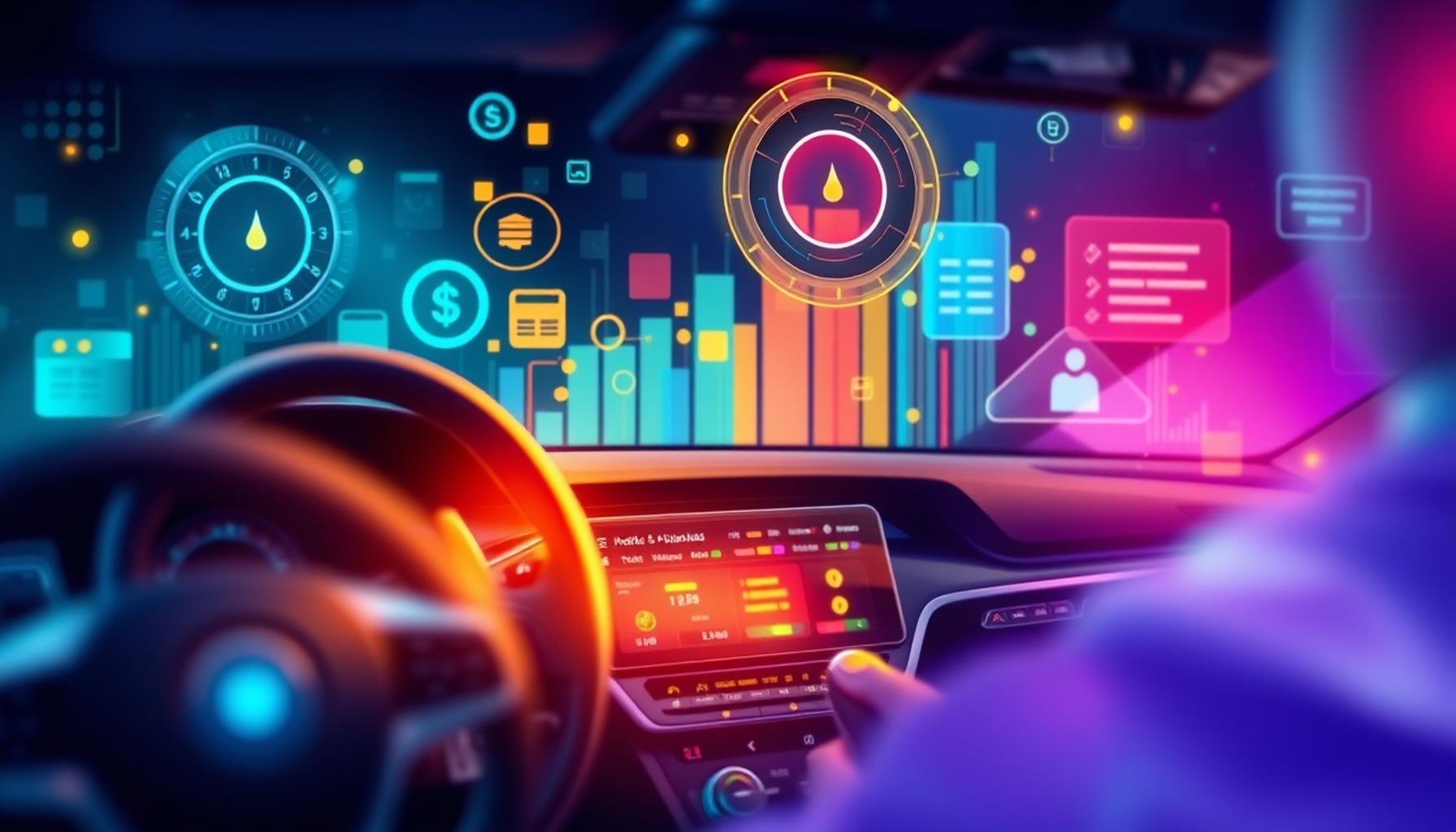
As the intersection of AI and infotainment systems continues to evolve, some automotive industry experts predict a future where these systems will incorporate advanced features such as augmented reality (AR). Imagine a windshield displaying navigation directions laid directly onto the road ahead, seamlessly guiding drivers along their journey while maintaining focus on their surroundings. This technology, while still in its nascent stage, holds the potential to transform how drivers interact with their cars.
The interplay of AI, connectivity, and user experience in modern infotainment systems is a testament to the growing importance of technology in the automotive sector. As automakers prioritize enhancing user engagement through innovative solutions, the revolution in infotainment systems is not just a trend; it is an evolving reality that continues to shape the driving experience.
Conclusion: Shaping the Future of Automotive Experience
The integration of Artificial Intelligence (AI) into infotainment systems marks a pivotal shift in the automotive landscape, defining a new era of user experience that blends technological sophistication with intuitive design. As we have explored, AI is not just enhancing personalization through smart device integration and evolving digital assistants, but it is also setting the stage for a truly interconnected driving environment that prioritizes safety and efficiency.
Incorporating contextual awareness and real-time data analysis, these systems are not merely reactive; they proactively engage with drivers and passengers, offering insights that enrich every journey. This technological advancement empowers drivers to focus on what matters most while ensuring their travel remains convenient and enjoyable. The implications extend beyond comfort and convenience; they pave the way for enhanced road safety and sustainability by optimizing driving habits and fuel management.
Looking ahead, the potential for innovation remains vast. With concepts like augmented reality (AR) on the horizon, infotainment systems will continue to transform into even more advanced navigational aids. This showcases how crucial it is for automakers to invest in AI technologies that cater to the evolving needs of consumers. As we continue to embrace systems that not only respond but also learn and adapt, the future of driving promises to be more engaging, efficient, and safe.
Ultimately, the revolution in automotive infotainment systems exemplifies how technology can enhance the user experience in profound ways. As we journey into this brave new world of smart vehicles, one thing remains clear: the integration of AI is reshaping our relationship with cars and will likely redefine mobility as we know it.