How to Create a Light Microclimate for Indoor Plants
Understanding Light Microclimates for Optimal Plant Growth
For indoor gardening enthusiasts, achieving the right light microclimate can make a profound difference in the vitality of your plants. Like us, plants have unique preferences when it comes to light, which directly influences their growth patterns, health, and overall appearance. Getting familiar with light quality, intensity, duration, and spectrum not only aids plant care but also enhances the aesthetic value of your indoor space.
Light Intensity: Know Your Plants
One of the first steps in creating the perfect light microclimate is understanding light intensity. Different plants require varied levels of light exposure. For instance, succulents and cacti thrive in bright light, often needing 6 to 8 hours of direct sunlight each day. In contrast, ferns and snake plants prefer indirect light and can flourish in low-light conditions. This means that placing a bright, light-loving plant in a dim corner can lead to stunted growth or even plant demise. Thus, it is crucial to read labels or research each plant’s needs when positioning them in your home.
Correcting Photoperiod with Light Duration
Light duration, or photoperiod, involves controlling how long your plants are exposed to light each day. Most houseplants enjoy around 12 to 16 hours of light; however, some may require shorter or longer periods. Observing your plants after adjustments can help you discover the right balance. For example, growing herbs indoors, such as basil and cilantro, often yields better results when they receive consistent light exposure for approximately 14 hours a day during the active growing season.
Tailoring Light Spectrum for Optimal Growth
Another key consideration is the light spectrum. Plants use different wavelengths of light for different processes, predominantly photosynthesis. Full-spectrum grow lights are an excellent tool, as they provide a balanced array of wavelengths similar to natural sunlight. For instance, LED grow lights can offer a mix of red and blue spectrums impacting various growth phases, from seedling sprouting to flowering. Understanding these elements can help you tailor your approach to meet the individual needs of your plants effectively.
Enhancing Your Indoor Plant Environment
To further optimize your indoor plant microclimate, consider utilizing reflective surfaces such as white walls or Mylar sheets that can enhance light distribution. Window treatments that do not block light but filter it can also be beneficial, making it easier for plants to receive the right light intensity without overheating. Furthermore, rotating your plants periodically ensures that all sides receive equal light exposure, fostering uniform growth.
When all the elements align perfectly, you’ll observe a marked improvement in your plants’ health and happiness. They may exhibit more vibrant foliage, stronger stems, and quicker growth rates. Taking the time to understand and implement these lighting strategies leads not only to a thriving garden but also to a more immersive and rewarding indoor gardening experience.
DIVE DEEPER: Click here to learn about sustainable irrigation
Setting the Stage: Creating the Ideal Indoor Light Conditions
To effectively nurture indoor plants, establishing the right light microclimate goes beyond mere placement near windows. A comprehensive understanding of your plants’ specific light needs is essential for fostering a flourishing indoor garden. Each plant species has adaptations that dictate how they utilize light, thus serving to inform your approach to lighting conditions within your home.
Assessing Your Space: Natural Light Sources
The initial step in creating an effective indoor light microclimate is to assess your space’s natural light sources. Take note of where the sunlight enters your home; not all windows are created equal when it comes to light intensity and duration. South-facing windows typically receive the most direct sunlight throughout the day, making them ideal for sun-loving species like holm oak or banana plants. Conversely, north-facing windows provide softer light, suitable for shade-tolerant varieties like spider plants or peace lilies.
Utilizing Artificial Lighting
For homes where natural light is scarce or inconsistent, artificial lighting can play a crucial role in creating an optimal light microclimate. There are various types of grow lights available that can replicate sunlight, including:
- LED Grow Lights: Energy-efficient and long-lasting, these lights offer a full spectrum ideal for all growth stages.
- Fluorescent Lights: Commonly used for seedlings and low-light plants, offering a cooler light.
- Incandescent Bulbs: While generating heat, they can provide some light; however, they are generally less efficient than LEDs or fluorescents.
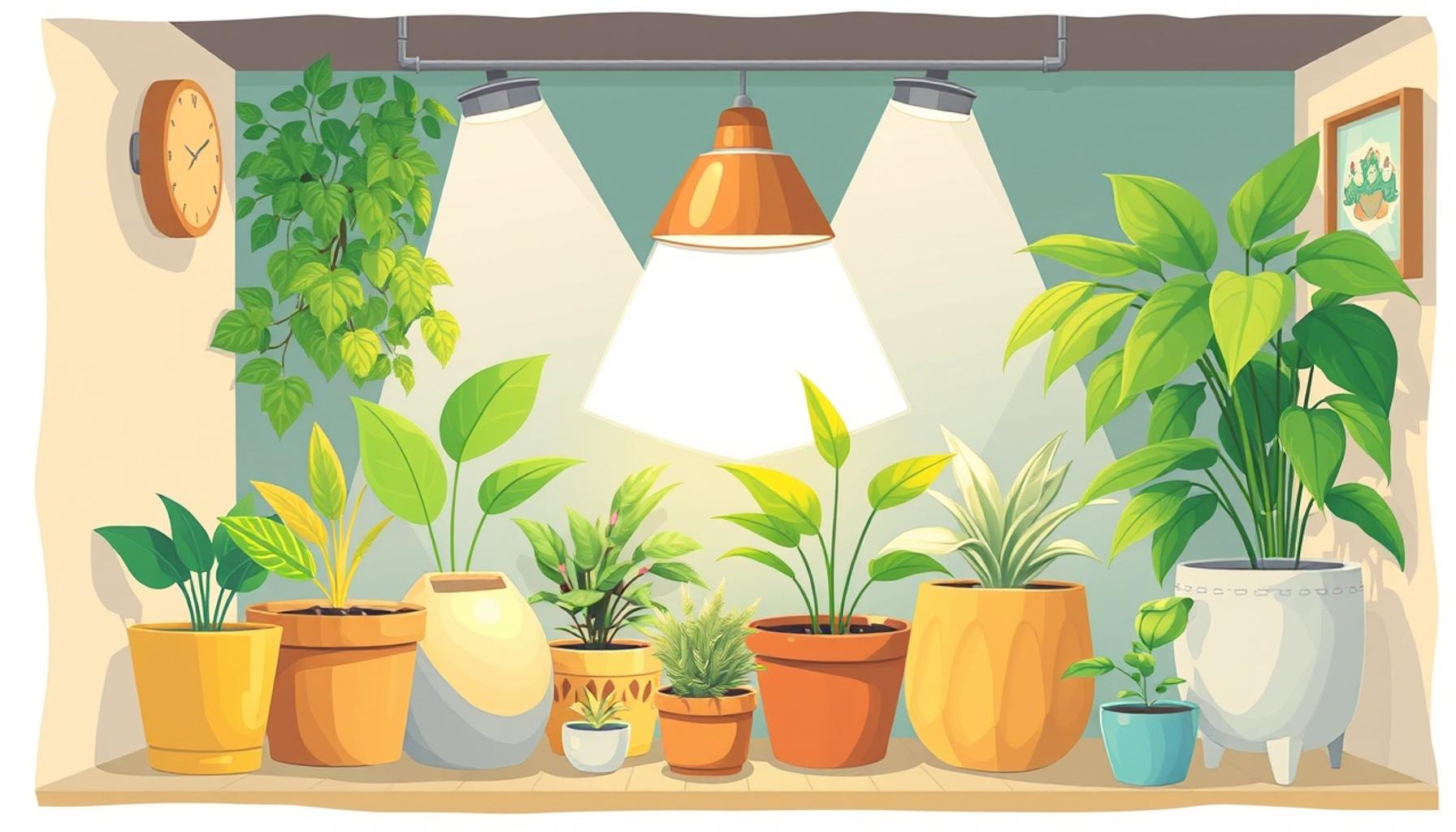
It’s beneficial to position these lights about 6 to 12 inches above your plants to simulate natural sunlight effectively. Rotating your plants every few weeks allows each part of the plant to receive adequate light and prevents sideways growth.
Measuring Light Levels with a Lux Meter
If you’re keen on fine-tuning your indoor light conditions, investing in a lux meter can be instrumental. This handy device measures light intensity in lux, informing how much light your plants are receiving. Target lux levels can vary, but generally, most indoor plants thrive within the 1000 to 3000 lux range. By accurately gauging the light intensity in various areas of your home, you can strategically adjust the placement of your plants and artificial lights for maximum benefit.
With a clearer understanding of how to create a light microclimate tailored to your plants’ needs, you are now equipped to foster an environment that promotes robust growth and vibrant health. Each element, from assessing natural light to effective artificial lighting solutions, weaves together to enhance the vitality of your indoor sanctuary, paving the way for a lush, verdant display.
Creating Different Zones for Optimal Growth
When cultivating indoor plants, understanding their individual light requirements is paramount. Not all plants thrive under the same lighting conditions, and thus, it’s vital to create distinct microclimates within your indoor gardening space. This can be achieved by clustering plants with similar light needs together while utilizing shelves, tables, or hanging planters to maximize exposure to natural light sources.For instance, succulents and cacti, which prefer bright, direct light, should be placed closer to windows where they can bask in sunlight for several hours daily. In contrast, <strong;shade-loving plants, such as ferns and certain houseplants like the peace lily, can be positioned further away from direct light but still benefit from an indirect setup.
Utilizing Artificial Lighting
In addition to natural light, the use of LED grow lights can significantly enhance a light microclimate, allowing you to precisely control the intensity and duration of light exposure that your plants receive. This can be particularly useful during winter months, when daylight is scarce. Different wavelengths of light promote specific growth stages: blue light encourages vegetative growth, while red light aids flowering and fruiting.It’s also essential to consider the duration of light exposure. Most plants require about 12 to 16 hours of light per day to thrive. By utilizing a timer for your artificial lights, you can ensure a consistent schedule that mimics the natural light cycle, boosting your plants’ health and productivity.
Maintaining Humidity Levels
Humidity plays a crucial role in creating a suitable indoor environment for your plants. Many tropical plants flourish in humid conditions, so it’s beneficial to monitor and regulate humidity levels within your microclimates. You can increase humidity by grouping plants together, using humidity trays filled with water and pebbles, or misting plants regularly. A hygrometer can be an invaluable tool in this regard, allowing you to track humidity levels and make adjustments as needed. Implementing a small humidifier can also assist in achieving the optimal humidity levels for your indoor plant collection.
Temperature Control for Plant Health
The temperature is another critical factor in maintaining a suitable microclimate for your indoor plants. Most indoor plants thrive at temperatures between 65°F and 75°F (18°C to 24°C). Be cautious of extreme temperature fluctuations from drafts or heating and cooling vents. Position your plants away from these sources to minimize stress.Utilizing thermal curtains can help manage temperature, shielding plants during hotter days or retaining warmth during cooler nights. Consistency is key; plants are sensitive to sudden changes that can harm their growth.By diligently applying these strategies, you can create a thriving light microclimate that meets the specific needs of your indoor plants, ultimately leading to a flourishing indoor garden.
| Category | Advantages |
|---|---|
| Artificial Lighting | Enhances growth during low natural light conditions. |
| Humidity Control | Supports tropical plants by simulating their ideal environment. |
DISCOVER MORE: Click here to learn how to grow your own herbs and vegetables
Cultivating Healthy Growth: Managing Light Temperature and Duration
Once you’ve established the right light conditions for your indoor plants, the next step is to manage light temperature and duration effectively. These factors significantly influence plant growth and overall health, creating a tailored environment that mimics natural habitats.
The Importance of Light Temperature
Light temperature, also known as color temperature, plays a pivotal role in a plant’s photosynthesis process. Measured in Kelvin (K), it defines the visual warmth or coolness of the light emitted. Most indoor plants thrive in a spectrum close to 5000K to 6500K, which is optimal for promoting robust growth. Full-spectrum LED bulbs fall within this range and mimic natural sunlight, making them a sound choice for indoor lighting.
For instance, plants that are engineered for living indoors—such as African violets and pothos—benefit significantly from this light balance. Conversely, a light source with a lower Kelvin rating may emit a more yellow hue, potentially hindering the photosynthesis process in sensitive species. Hence, targeting the right light temperature becomes crucial as you strive to perfect your indoor light microclimate.
Adjusting Light Duration for Plant Needs
Another critical aspect of lighting is light duration. Most indoor plants require about 12 to 16 hours of light per day during the growing season, which typically spans from spring to summer. However, this duration can be adjusted according to specific plant needs. For example, succulents and cacti may thrive with shorter light durations, while tropical plants like philodendrons often require longer exposure.
Using a timer for artificial lights can help establish a consistent schedule, ensuring your plants receive the right amount of light daily. Additionally, monitor your plants for signs of insufficient light—such as leggy growth or yellowing leaves—as these may indicate a need for more hours or intensity of light.
Creating Reflective Surfaces
To enhance the effectiveness of both natural and artificial light, consider the incorporation of reflective surfaces within your indoor space. Mirrors, white walls, and even aluminum foil can significantly amplify light distribution, allowing all sections of a plant to receive adequate illumination. This tactic is particularly beneficial in small spaces or corners that may not receive direct sunlight.
For example, placing a mirror strategically behind a plant can double the light exposure, encouraging healthier growth. Reflective surfaces can also add an aesthetic appeal to your indoor setting, seamlessly integrating functionality with decorative elements.
Consider Plant Grouping for Optimal Light Exposure
Grouping plants with similar light and moisture requirements can be a smart strategy for creating a thriving indoor ecosystem. This approach not only simplifies care routines but also maximizes available light. For instance, you can place shade-loving plants together in a shaded corner while sun-loving species can be positioned near brighter areas. This ensures that each plant receives the appropriate light level while also benefiting from the ambient humidity created by having plants clustered together.
Understanding the interplay of light temperature, duration, and the strategic use of reflective surfaces can dramatically transform your indoor plant microclimate. This harmonious balance creates a sanctuary where your green friends can thrive, elevating both their beauty and your indoor space.
DISCOVER MORE: Click here to enhance your gardening skills
Final Thoughts on Crafting the Perfect Light Microclimate for Indoor Plants
In summary, creating a successful light microclimate for your indoor plants is an art grounded in understanding the basic needs of your greenery. By managing light temperature, duration, and utilizing reflective surfaces, enthusiasts can craft an environment that closely mimics the plants’ native habitats. It’s essential to remember that every plant species has its unique requirements; therefore, taking the time to research and adjust accordingly can make a significant difference in their development.
Moreover, grouping plants based on their light and moisture preferences not only enhances the overall aesthetic of your indoor garden but also promotes healthier plant interactions, benefitting from shared humidity and light. Don’t shy away from experimenting with different arrangements or lighting technologies to find the optimal set-up that resonates with the specific needs of your plants.
As we embrace indoor gardening in our homes, particularly in the diverse climates across the United States, knowledge is key. Understanding how to create a nurturing microclimate will ensure vibrant growth and flourishing plants. Consider documenting your experiences and observations, as they can provide valuable insights into refining your techniques over time.
With patience and attention, you can transform any indoor space into a lush oasis filled with thriving plants—truly a rewarding endeavor that enhances both your well-being and the beauty of your home. So, embark on this green adventure, and watch as your light microclimate leads to blooming success!

Linda Carter
Linda Carter is a writer specializing in gardening and growing at home for beginners. With extensive experience helping readers confidently care for plants, Linda shares practical guidance on preparing soil, choosing suitable plants, watering, planting, and maintaining home gardens. Her goal is to provide clear tips and accessible strategies that help beginners grow healthy plants and enjoy gardening in any space.