Understanding Driver Fatigue
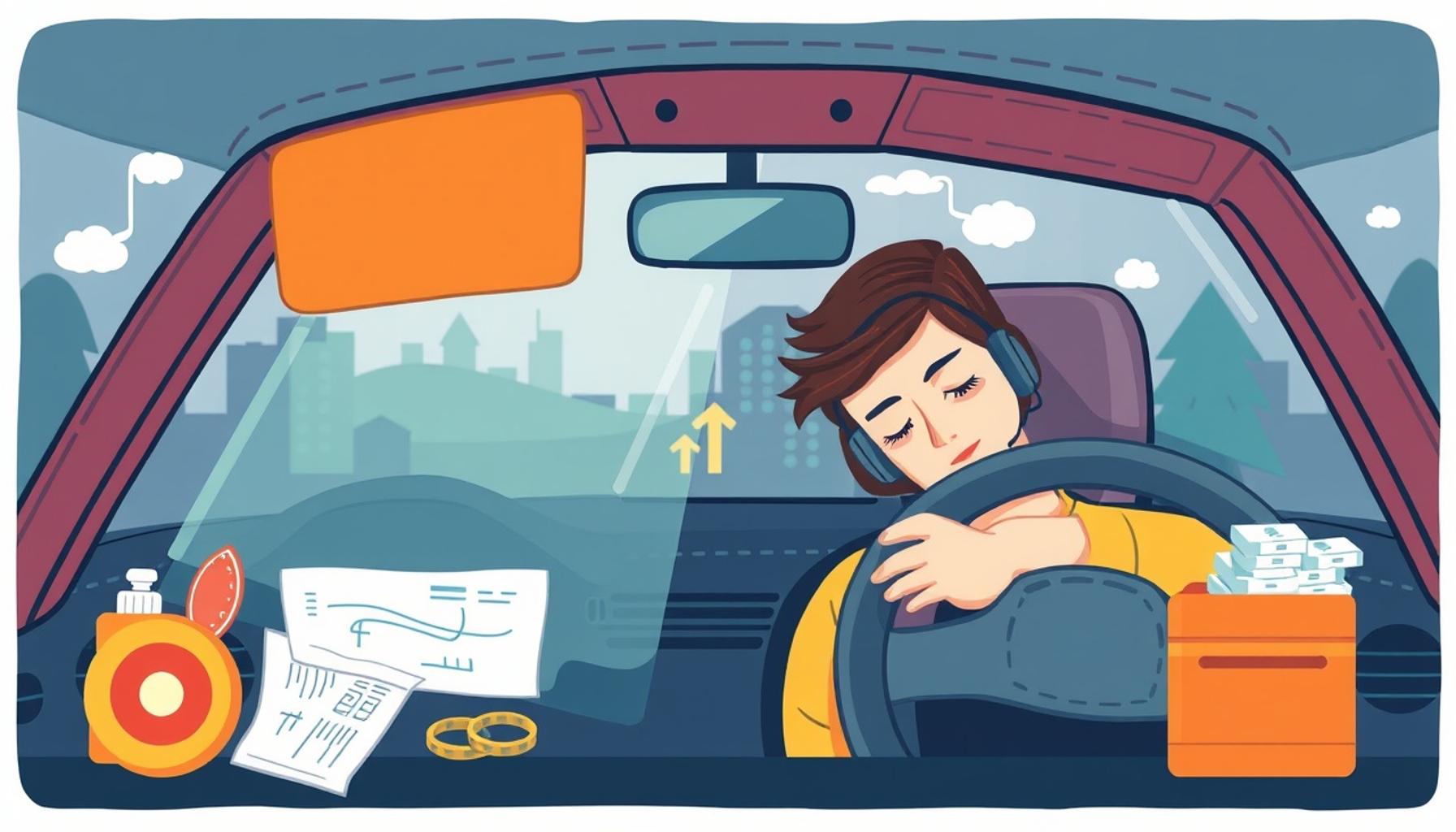
Driver fatigue is a significant public health concern that is often overlooked in discussions about road safety. It can impair cognitive abilities essential for driving, leading to dangerous situations on the road. Research indicates that driver fatigue can slow reaction times and diminish attention levels to a degree similar to that of a driver under the influence of alcohol. This alarming correlation should prompt all motorists to recognize the risks associated with driving while tired.
Factors Contributing to Driver Fatigue
Numerous factors contribute to driver fatigue, making it a multifaceted issue. The first, long driving hours without adequate rest, is particularly relevant for commercial drivers. For instance, truck drivers often face unrealistic delivery schedules that may encourage them to drive for extended periods, disregarding their need for breaks. This practice not only puts their lives at risk but also jeopardizes the safety of all road users.
Secondly, a lack of sleep prior to driving plays a crucial role in how alert a driver is on the road. The Centers for Disease Control and Prevention (CDC) notes that adults need at least 7 hours of sleep per night for optimal functioning. However, many people fail to achieve this, whether due to work commitments, lifestyle choices, or health issues. Consequently, even a slight sleep deficit can lead to decreased vigilance.
Disrupted circadian rhythms are another contributing factor. Many individuals work night shifts or irregular hours, which can destabilize their natural sleep-wake cycles. As a result, they may feel sleepy at times when they are expected to be alert, increasing the likelihood of drowsiness while driving.
The Consequences of Drowsy Driving
The consequences of driving while fatigued are severe. Statistics from the NHTSA indicate that the nation witnesses around 100,000 drowsy driving accidents annually, leading to thousands of injuries and fatalities. These incidents highlight the critical need for greater awareness of driver fatigue and the implementation of preventive measures.
Education is a pivotal strategy in combating this issue. Awareness campaigns can encourage drivers to recognize the warning signs of fatigue, such as difficulty focusing, heavy eyelids, and frequent yawning. Furthermore, states can initiate policies that enforce more stringent regulations for commercial drivers, including mandated rest periods and maximum driving hours.
Conclusion
Ultimately, understanding the profound effects of driver fatigue is essential to enhancing road safety for everyone. By fostering a culture that prioritizes adequate rest and awareness of the risks associated with driving while tired, we can make significant strides toward reducing accidents attributed to drowsy driving. With the right approach, we can safeguard not only individual drivers but also the wider community on our roads.
Examining the Scope of Drowsiness Behind the Wheel
Driver fatigue is not merely a personal inconvenience; it is a significant contributor to road safety incidents across the United States. The phenomenon, while often underestimated, has far-reaching implications for drivers, passengers, pedestrians, and everyone sharing the roadway. Simply stated, when drivers are fatigued, their ability to operate a vehicle safely becomes compromised, leading to a range of dangerous situations.
To fully grasp the enormity of the issue, it’s essential to recognize that the effects of driver fatigue manifest in various ways, which can include:
- Reduced Concentration: Fatigue hampers a driver’s ability to focus on the task at hand, making it difficult to track moving vehicles and respond to sudden changes in the environment.
- Slowed Reaction Times: Much like alcohol impairment, drowsiness can delay the time it takes for a driver to react to obstacles or changes in traffic conditions. Studies show that reaction times can double for a sleepy driver.
- Increased Risk-Taking Behavior: Fatigued drivers may engage in riskier behavior, such as speeding or aggressive driving, as their judgment becomes clouded.
- Micro-sleeps: The phenomenon of “micro-sleeping,” where a driver experiences brief lapses in attention lasting only seconds, can occur without warning, often when a driver is least prepared for it. This shocking reality can lead to catastrophic accidents.
Research from the National Highway Traffic Safety Administration (NHTSA) reveals that drowsy driving is responsible for approximately 20% of fatal car accidents in the United States each year. More troubling is the observation that the actual number may be even higher, as many drivers involved in accidents may not recognize their fatigue or report it accurately. The urgency to bring this issue into the spotlight cannot be overstated.
Besides the physical toll, there are also substantial economic implications attributed to driver fatigue. Drowsy driving accidents can result in significant medical costs, increased insurance premiums, and loss of productivity. Estimates suggest that the total cost of drowsy driving, factoring in medical care, lost wages, and property damage, amounts to a staggering $109 billion annually. This figure underscores the undeniable need for effective strategies to combat fatigue-related driving hazards.
Recognizing the integral role driver fatigue plays in road safety, various organizations and state agencies are pushing for preventive measures. Implementing educational programs aimed at increasing awareness about the consequences of drowsy driving is one avenue. There are also calls for more supportive policies that allow for adequate rest periods for commercial drivers, who are particularly vulnerable due to their demanding schedules.
Heightened Awareness and Preventive Strategies
While the issue of driver fatigue is daunting, the good news is that it is largely preventable. Drivers can take proactive steps to mitigate the risks they face:
- Prioritize Sleep: Ensuring a sufficient amount of sleep before embarking on long journeys is fundamental to maintaining alertness.
- Take Regular Breaks: Drivers are encouraged to take scheduled breaks during long trips, ideally every two hours, to rest and refresh.
- Recognize Warning Signs: It is crucial for drivers to be aware of their physical cues, such as yawning or drifting out of their lane, indicating that it’s time to stop and rest.
By implementing these strategies, drivers can actively contribute to reducing the risks associated with drowsiness, paving the way for safer roads for all.
| Category | Details |
|---|---|
| Impact on Reaction Time | Driver fatigue significantly diminishes reaction time, increasing the likelihood of accidents. |
| Increased Risk of Accidents | Studies show that drowsy driving contributes to about 20% of all traffic collisions, leading to severe injuries and fatalities. |
As we delve deeper into the effects of driver fatigue on road safety, it’s crucial to understand how impact on reaction time can alter the outcome of critical moments on the road. Drowsy drivers often exhibit delays in their responses, which can be fatal, especially at high speeds. Professional drivers are particularly susceptible as they spend extended hours behind the wheel, which cumulatively increases their level of fatigue and risk of incident.Moreover, the statistics regarding increased risk of accidents caused by fatigue underscores a pressing public safety issue that needs urgent attention. Comprehensive research highlights that over 20% of traffic accidents involve drivers who were fatigued, shedding light on the need for enhanced education and public awareness campaigns to promote safe driving practices. Awareness about the signs of drowsiness and the importance of taking frequent breaks is vital for all drivers, but particularly for those who perform long-haul drives or spend many hours on the road.
The Psychological Impacts of Fatigue on Driving Behavior
Driver fatigue extends beyond mere physical tiredness; it also significantly affects cognitive functions and mental health. Fatigue can lead to altered perceptions and impaired decision-making abilities, fundamentally shifting how drivers interact with their environment. When driving becomes routine, the mental state necessary for safe navigation can become impaired, contributing to an alarming increase in the likelihood of accidents.
Persistent fatigue often results in a clouded state of mind that can distort a driver’s situational awareness. Research indicates that approximately 60% of drowsy drivers report feeling less stressed and more relaxed while on the road, mistakenly believing that their fatigue enhances their drive. This sense of calm is deceptive; it results from the mind shifting into autopilot mode, which can lead to catastrophic situations if the driver is unaware of their deteriorating condition.
The implications of fatigue can be further observed in specific demographic groups, particularly adolescents and young drivers. According to the Centers for Disease Control and Prevention (CDC), one in three high school students admits to falling asleep at the wheel. This alarming statistic suggests that educational outreach specifically targeting younger drivers is essential. Implementing fatigue awareness programs in high schools might be an effective method for combating this worrisome trend and promoting safer driver behaviors.
Another critical factor to consider is the cascading effect of long working hours and high-stress occupations on driving safety. For instance, studies show that workers who log over 50 hours a week are significantly more prone to encounter fatigue-related issues while driving. The correlation is particularly pronounced among truck drivers, who are often subject to strict deadlines and encounter minimal downtime. This demanding environment can lead to dangerous outcomes, including highway collisions and fatalities, exacerbating the already serious issue of road safety.
Innovative Solutions to Combat Driver Fatigue
As awareness of driver fatigue grows, the automotive industry is progressing towards technology-driven solutions aimed at enhancing safety. Many modern vehicles now come equipped with sophisticated driver assistance systems that monitor a driver’s attention levels. Features such as lane-keeping assistance and adaptive cruise control can help mitigate the risks associated with drowsy driving by providing alerts or even taking over steering to prevent potential accidents.
Moreover, app-based solutions are emerging to support those on the road. Smartphone applications that monitor driving patterns can analyze data regarding a user’s driving habits, providing feedback on fatigue levels based on speed, braking frequency, and other indicators. This emerging technology represents a crucial step towards fostering self-regulation among drivers.
Additionally, employers can play an essential role in reducing driver fatigue-related accidents by promoting healthy work-life balances. Implementing policies that encourage adequate rest periods and flexible work schedules can help ensure that employees arrive at their destinations well-rested and alert. These changes can transform workplace culture and significantly decrease the risk of drowsy driving incidents.
Improving road safety is a multifaceted challenge, but understanding the psychological and technological dimensions of driver fatigue is vital. With consistent efforts, a combination of policy reforms, technological advancements, and educational programs can pave the way for a future where drivers can confidently navigate roads safely, free from the hazards of fatigue. As the conversation around driver fatigue continues to evolve, public awareness and proactive measures must remain at the forefront of ensuring road safety for everyone.
Concluding Thoughts on Driver Fatigue and Road Safety
In light of the compelling evidence linking driver fatigue to increased road safety hazards, it is clear that this issue demands immediate and sustained attention. The psychological toll of fatigue not only compromises a driver’s cognitive functions but also leads to diminished situational awareness—creating the perfect storm for accidents. As highlighted, the alarming statistic that one in three high school students has admitted to falling asleep at the wheel signals a troubling trend among younger drivers, underscoring the need for targeted educational initiatives.
Moreover, industries where long hours are the norm, particularly trucking, must adopt progressive practices that prioritize the well-being of their drivers. Encouraging adequate rest and work-life balance can drastically reduce the incidence of drowsy driving, thereby enhancing road safety. In parallel, technological innovations such as driver assistance systems and smartphone applications promise significant potential in addressing fatigue-related risks by enhancing real-time feedback and support.
It is essential for stakeholders—including policymakers, educators, employers, and the automotive industry—to collaborate in raising awareness and implementing effective strategies against driver fatigue. As the nation engages in this crucial dialogue, a concerted effort towards comprehensive solutions can ensure that road users benefit from safer driving conditions. From improved regulations to advances in technology, the path forward is illuminated with possibilities that will significantly reduce the peril posed by driver fatigue. Ultimately, instilling a culture focused on alertness and responsibility will lead to safer roads, saving lives and preventing countless accidents. In our journey toward road safety, let us remember that a well-rested driver is a responsible driver.