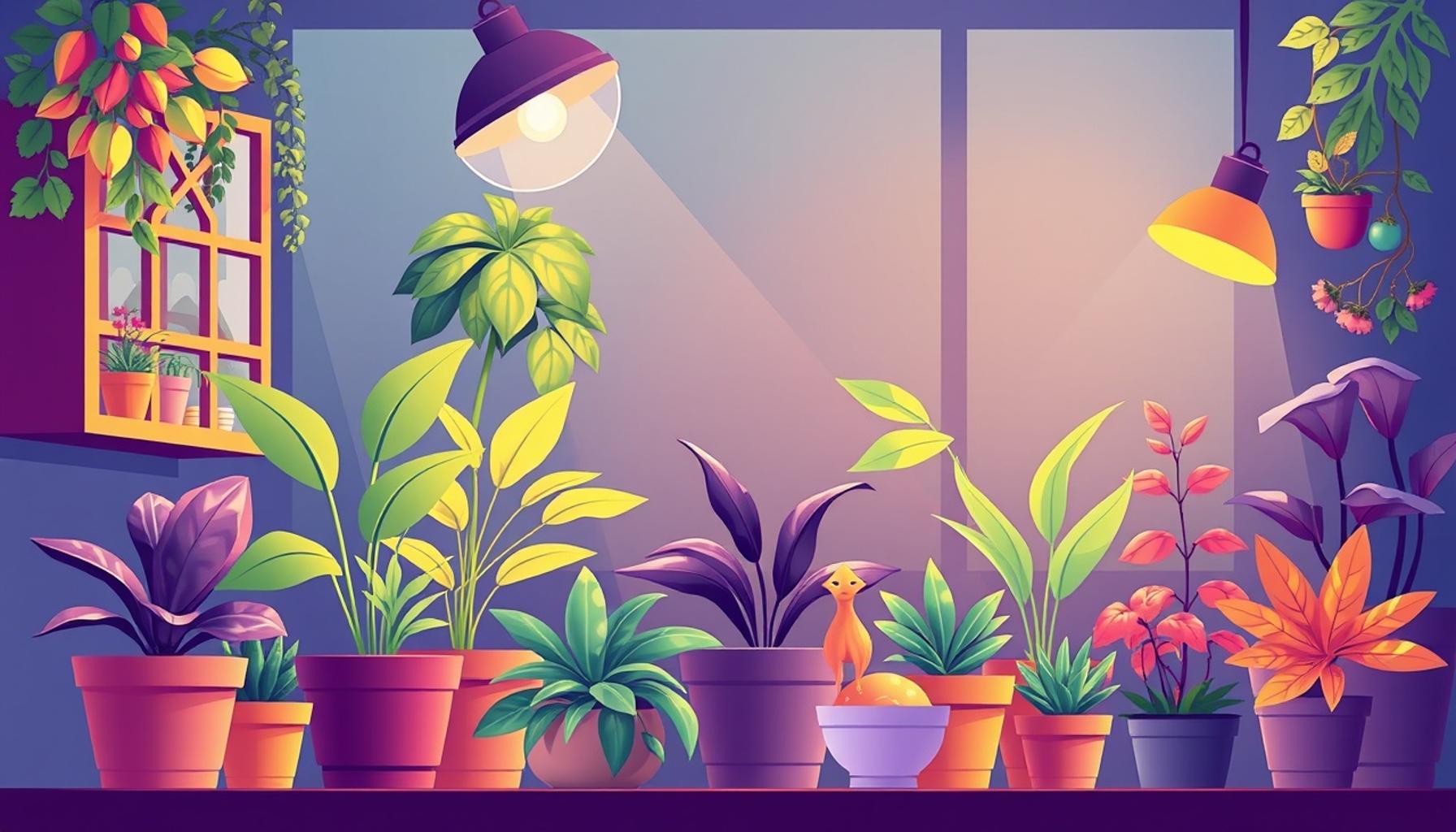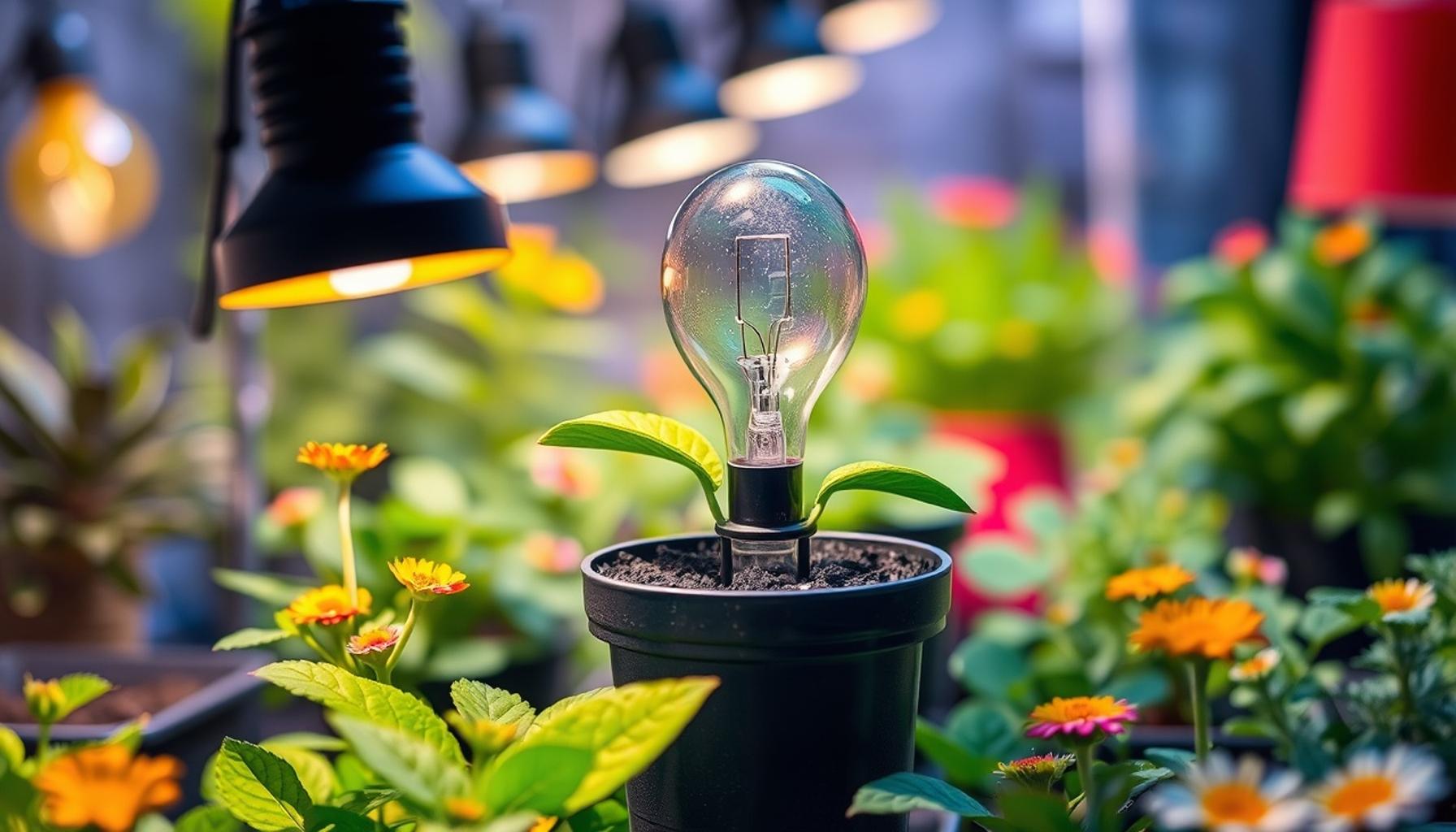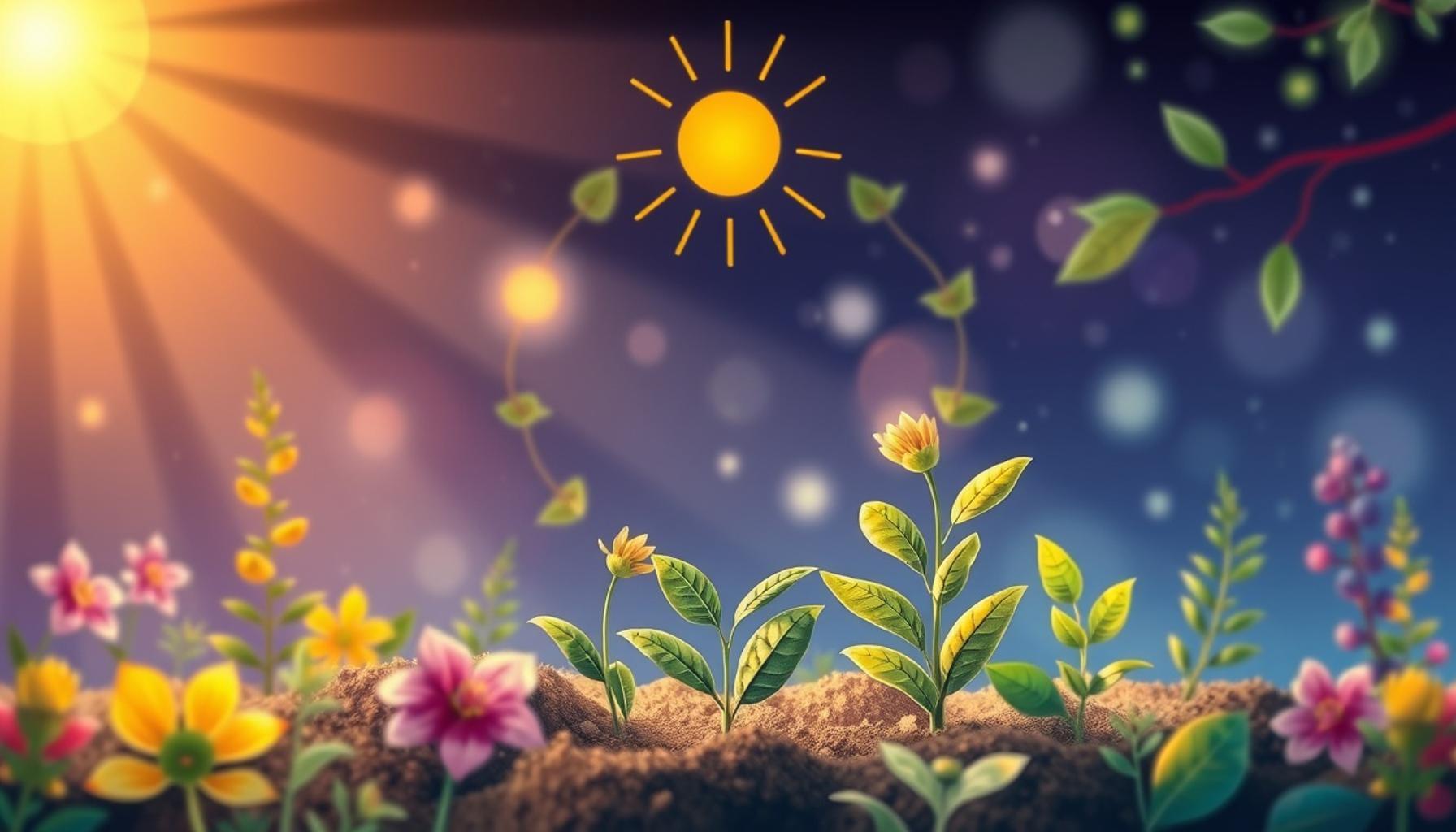
Direct vs Indirect Light What Your Plants Truly Need Explained
The Importance of Light in Gardening
Understanding light requirements is crucial for successful gardening. Light is the primary energy source for plants, allowing them to carry out photosynthesis, the process by which they convert sunlight into food. Many beginners often overlook the differences between direct and indirect light, leading to frustration and poorly growing plants. This knowledge is essential in creating a thriving indoor garden that flourishes with vitality. By understanding how various types of light affect plant growth, you can create an environment where your plants will not just survive, but truly thrive.
Direct vs. Indirect Light
When planning your home garden, consider the following:
- Direct light: This is intense sunlight that directly hits the plant. Such light is typically found in locations with southern or western exposures where the sun is strongest and most intense. For example, succulents and cacti thrive under these conditions because they are adapted to harsh, sun-drenched environments.
- Indirect light: Sunlight in this condition is diffused or refracted before reaching the plant. It is less intense than direct light and is often found in rooms with curtains or blinds. Plants like ferns and peace lilies prefer indirect light, as they are accustomed to the filtered sunlight of the forest floor.
Choosing the Right Plants
Some plants thrive in direct light, while others prefer the gentle glow of indirect light. Identifying which plants suit your available light conditions can significantly improve your success rate. For example, a snake plant can survive in low light, yet it also does well in bright indirect light, showcasing its versatility in indoor settings.
Top 5 Plants for Each Light Condition
In this article, you will learn about the top 5 plants that thrive in each light condition, ensuring you choose the right friends for your growing space. This knowledge empowers you to make better decisions for your plants’ well-being and helps you cultivate a garden that not only looks beautiful but is healthy and dynamic.
Understanding these light conditions fosters a more educated approach to indoor gardening, leading to flourishing plants and a rewarding gardening experience. Remember that the key to a vibrant indoor garden is knowing your plants and providing the light they need to thrive.
LEARN MORE: Click here to discover the right soil for your garden
Top 5: The Differences Between Direct and Indirect Light: What Your Plants Really Need
Understanding the light requirements of plants is essential for any gardener, especially beginners. Light plays a crucial role in photosynthesis, growth, and the overall health of your houseplants. This article will explain the differences between direct and indirect light, highlighting what your plants really need. By exploring these factors, you can ensure your indoor garden flourishes. Let’s dive into the top 5 insights you should consider for successful indoor gardening!
5. The Basics of Light Types
Before delving into the differences between direct and indirect light, it’s vital to understand what these terms mean. Direct light refers to sunlight that shines directly on your plant without any obstruction. Imagine the full intensity of the afternoon sun streaming through a window right onto your plants. This exposure is akin to standing outside in the sunshine.
In contrast, indirect light is when sunlight is filtered or reflected before reaching the plant. This could mean light bouncing off walls or passing through sheer curtains. Think of how light feels in a room with diffused sunlight—soft and gentle, like being under a canopy of trees.
- Direct Light: Unobstructed sunlight.
- Indirect Light: Sunlight filtered through objects.
Knowing these definitions will help you determine the right placement for your plants since different species have specific light preferences. This understanding is crucial in mimicking their natural habitats and ensuring their happiness indoors.
4. Light Intensity Matters
The intensity of light can vary significantly, even within the same category. For instance, a plant placed in a south-facing window receives much more intense direct light than one situated in an east-facing window. This is because south-facing windows get more sun throughout the day, especially in the northern hemisphere.
Meanwhile, indirect light can still range from quite bright to very dim, depending on how far the plant is from the light source and how much diffusion occurs. For example, if your plant is several feet away from a window with heavy drapes, the light intensity would be low.
Consider this when selecting plants for your home environment. Some plants, such as cacti and succulents, thrive in high-intensity direct light due to their origins in sun-drenched desert climates. Others, like ferns and pothos, evolved under shaded canopies and thus prefer lower light conditions. Understanding light intensity is crucial for their survival, ensuring that they don’t suffer from either burns or malnourishment due to lack of light.
3. Signs of Light Stress
Recognizing when your plants are suffering from inappropriate light exposure is key to their well-being. Here are some common signs associated with both direct and indirect light stress:
- Direct Light Stress: Yellowing leaves, scorched leaf edges, or leaf drop are indicators of too much direct light exposure. This is often seen in plants that prefer shadier conditions but are placed under harsh, intense sunlight.
- Indirect Light Stress: Symptoms like leggy growth, small leaves, and fading colors suggest inadequate light. These signs indicate that the plant is reaching out for more light, stretching itself beyond its natural growth pattern.
By monitoring your plants closely for these signs, you can make the necessary adjustments to their light exposure. This proactive approach can prevent further damage and promote healthy growth, ensuring that each plant thrives in its designated spot.
2. Adjusting Light Exposure
Once you understand the signs of light stress, it’s important to adjust your plant’s light exposure for optimal growth. If a plant is getting too much direct light, it might develop sunburn spots. To remedy this, try moving it to a different location where it receives filtered light, perhaps by drawing curtains or placing it near a shaded window ledge.
On the other hand, if a plant isn’t getting enough light, you might want to reposition it closer to a window for more exposure, or alternatively, consider using grow lights to supplement natural sunlight. Grow lights can be a lifesaver during seasons with shorter days, providing the necessary wavelength spectrum for photosynthesis when natural sunlight is insufficient.
For example, a spider plant can adapt to both light conditions but thrives best in bright, indirect light. A simple adjustment in its placement can boost its growth and keep its foliage lush and vibrant.
1. Ideal Conditions for Specific Plants
Finally, the most critical takeaway from understanding direct and indirect light is knowing which plants thrive under which conditions. Here are some examples of ideal conditions:
- Direct Light Lovers: Plants such as cacti, succulents, and some types of orchids are well-suited to full sunlight. They are equipped to store water and withstand higher temperatures, making them ideal companions for sunny window sills.
- Indirect Light Seekers: Species like snake plants, peace lilies, and pothos plants excel in lower light environments. Their adaptability to diffused lighting makes them perfect for areas slightly away from strong light sources, like offices and rooms with filtered sunlight.
When placing your plants, always consider their natural habitat. For instance, plants native to deserts require abundant direct light, while those from shaded forest undergrowth prefer indirect light. By catering to these sunlight needs, you’ll be setting up your green friends for success and longevity.
In summary, understanding the differences between direct and indirect light is vital for any budding gardener. By taking the time to assess your plants’ light needs and adjusting their placements accordingly, you can ensure that they flourish in your home. Remember, successful gardening is a continual process of observation and adaptation, learning as much from the plants as they learn from us. Happy gardening!
| Light Type | Characteristics |
|---|---|
| Direct Light | Comes straight from the sun, providing strong illumination with minimal filtering. |
| Indirect Light | Filtered light that does not hit the plants directly, often causing a softer glow. |
| Benefits of Direct Light | Promotes faster growth and flowering in light-loving plants like succulents and cacti. |
| Benefits of Indirect Light | Ideal for shade-loving plants, allowing them to thrive without the risk of burning the leaves. |
Understanding the differences between direct and indirect light is crucial for the health and growth of your plants. Direct light is often essential for plants that require high light levels, such as succulents and cacti. These plants are adapted to absorb maximum sunlight, thereby growing quickly and producing vibrant blooms. Place these plants near south-facing windows where they can bask in the sunlight for several hours daily.On the other hand, indirect light is vital for many houseplants like ferns, snake plants, and peace lilies, which thrive in lower-light conditions. Indirect light is less intense but can still support photosynthesis. This light can reach plants through sheer curtains or can be reflected off walls, allowing shade-loving plants to receive ample light without direct exposure that could scorch their leaves.The benefits of understanding these light types extend beyond simple growth. For example, providing appropriate lighting can enhance a plant’s vitality and resilience against pests and diseases. Plants in optimal light conditions often show fewer signs of stress, such as yellowing leaves or stunted growth, indicating that they are thriving.Moreover, fluctuating light conditions should also be considered. Some plants can adapt to transitional phases in light availability, such as seasonal changes. During winter months when the sun’s position shifts, observing the effects on your plants can be a valuable lesson in plant care.In conclusion, recognizing the needs of your plants regarding light exposure can drastically improve their health and longevity. Ensure you assess their specific requirements based on their natural habitats, and adjust their positioning in your home to meet these needs effectively.
DIVE DEEPER: Click here for essential sustainable irrigation tips
Frequently Asked Questions About Direct and Indirect Light for Plants
What is the difference between direct and indirect light for plants?
The main difference lies in the way light reaches the plants. Direct light occurs when the sun’s rays directly hit the plant, offering the most intense light exposure. This usually happens near windows or outdoors. Indirect light, on the other hand, happens when the light is diffused, either by bouncing off walls, or filtered through curtains, and doesn’t shine directly onto the plant. This creates a softer light environment that many indoor plants thrive in.
Why is it important for a plant to have the right type of light?
Plants require the right kind of light for photosynthesis, which is crucial for their growth and health. While some plants are accustomed to thriving in intense, direct sunlight, others are native to environments where light is filtered, necessitating indirect light. Providing the correct type of light ensures your plants will grow strong and healthy.
How can I determine if my plant is getting too much direct sunlight?
Signs of too much direct sunlight include leaf scorch, where the leaves develop brown edges or spots, as well as fading colors. If you notice these symptoms, try moving your plant to a location with more indirect light or provide some shade to protect it from the harsh rays.
Can artificial light be a substitute for natural light for my plants?
Yes, artificial light can be used to supplement or replace natural light, especially in spaces where natural light is scarce. Use grow lights designed specifically for plants, as they offer the full spectrum of light needed for photosynthesis. Position the lights at an appropriate distance to mimic indirect or direct light, depending on your plant’s needs.
LEARN MORE: Click here for more insights
Conclusion
Understanding the nuances of direct and indirect light is crucial for anyone starting their plant-growing journey at home. The well-being of your plants greatly depends on providing them with the right type of light, as it directly influences their growth, flowering, and overall health. Therefore, knowing the specific light requirements of your plants can transform your gardening efforts from mere survival to thriving botanical displays.
Key Takeaways
- Direct light involves sunlight shining directly on your plants and can be ideal for sun-loving varieties like succulents and some herbs. However, too much of it can lead to scorched leaves.
- Indirect light is the form most houseplants prefer, where sunlight is filtered through curtains or reflected off surfaces, providing a gentler warmth for plants like ferns and peace lilies.
- Correct light placement prevents overexposure, which can cause wilting, or underexposure, which can stunt growth and reduce flowering.
- By observing your plants and adjusting their light exposure, you can create a harmonious environment that supports their natural growth patterns.
- Utilizing artificial lighting can supplement natural sunlight, ensuring plants receive adequate light even during shorter winter days.
By integrating these insights into your gardening practice, you not only enhance the health of your plants but also elevate the aesthetic and air quality of your home. Remember, the right light makes all the difference. As you continue on your gardening journey, keep experimenting and learning what works best for your plant companions. Armed with this knowledge, you are well-prepared to foster a flourishing indoor garden, bringing nature closer to your everyday life.

Linda Carter
Linda Carter is a writer specializing in gardening and growing at home for beginners. With extensive experience helping readers confidently care for plants, Linda shares practical guidance on preparing soil, choosing suitable plants, watering, planting, and maintaining home gardens. Her goal is to provide clear tips and accessible strategies that help beginners grow healthy plants and enjoy gardening in any space.