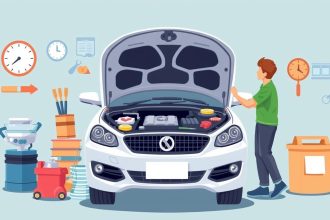
The Importance of Vehicle Safety Inspections
Maintaining a vehicle isn’t just about keeping it clean; it’s about ensuring that every aspect of its functionality is in perfect condition. Regular safety inspections can serve as a critical preventive measure that protects both you and others on the road. By catching issues before they escalate, a proactive approach to vehicle maintenance can avoid costly accidents and help extend the lifespan of your car.
Understanding the significance of a vehicle inspection can empower drivers to take control of their automotive health. Here’s why these checks should be a key part of your routine:
- Enhance Safety: An annual inspection can uncover critical issues like worn brake pads, failing lights, or tire tread depth that may not be immediately visible. For example, a study by the National Highway Traffic Safety Administration (NHTSA) shows that vehicle issues contribute to thousands of accidents each year.
- Improve Performance: Consistent checks not only enhance safety but also optimize your vehicle’s performance. For instance, maintaining proper tire pressure can increase fuel efficiency and improve handling.
- Save Money: Early detection of potential problems can save drivers from unexpected expensive repairs. For instance, a minor oil leak, if caught early, is typically a cheaper fix than a full engine rebuild due to neglect.
When preparing for a safety inspection, it’s beneficial to develop a systematic approach. Start by examining the following essential components:
- Tires: Check for adequate tread depth and look for any visible damage such as cracks or bulges. Additionally, ensure that tire pressure meets the manufacturer’s recommended levels, which can often be found in the owner’s manual or on a sticker inside the driver’s side door.
- Brakes: Listen for any unusual noises when braking, like squeaking or grinding sounds, and test to see if the brake pedal feels firm. If you experience any fading or sponginess in your brake response, it may indicate a need for immediate servicing.
- Lights: Inspect all vehicle lights including headlights, tail lights, turn signals, and brake lights. A simple way to check this is to enlist the help of a friend to stand outside the car while you activate each light.
- Fluid Levels: Monitoring key fluids such as oil, coolant, brake, and windshield washer fluids can help you detect potential issues. Low fluid levels may not only indicate leaks but can also compromise vehicle performance.
By taking the time to conduct a thorough inspection, you are not just ensuring compliance with safety regulations, but also facilitating a sense of security every time you hit the road. Whether you’re embarking on a spontaneous weekend getaway or navigating the daily commute, a trusty vehicle enhances your driving experience immensely.
As you embark on this journey of vehicle care, remember that knowledge is your best ally. The next section will delve into step-by-step guidelines to conduct your own safety inspection, ensuring you’re equipped to maintain your car effectively. Let’s get started!
Step-by-Step Guide to Conducting a Safety Inspection
Conducting a thorough safety inspection on your car is easier than you might think. With a little time and attention, you can ensure that your vehicle is safe, reliable, and ready for the road ahead. The following step-by-step guide will take you through the essential components to check during your vehicle safety inspection, helping you understand what to look for and when to seek professional assistance.
1. Prepare Your Inspection Area
Before you start the inspection, find a suitable location that is well-lit and flat. Make sure you have the necessary tools and materials at hand, such as a tire pressure gauge, flashlight, and any documentation you may need, including your owner’s manual. This preparation will make the inspection process smoother and more efficient.
2. Inspect the Tires
Tires are one of the most critical components of your vehicle’s safety. Follow these guidelines to ensure your tires are in optimal condition:
- Tread Depth: Use the penny test to check tread depth. Insert a penny into the tread with Lincoln’s head facing down; if you can see his entire head, it’s time for a tire replacement.
- Visual Inspection: Look for cracks, bulges, or any signs of wear on the tire surface. Damage can indicate a need for immediate replacement.
- Pressure Check: Utilize a tire pressure gauge to ensure that each tire is inflated to the manufacturer’s recommended levels. Properly inflated tires enhance handling and fuel efficiency.
3. Check the Brakes
The braking system is vital for your safety. Conduct these checks to ensure they are functioning effectively:
- Listen for Noises: Pay attention to any unusual sounds when applying the brakes, such as grinding, squeaking, or clunking that may indicate wear on brake pads or other components.
- Brake Fluid: Check the brake fluid level in the reservoir; low levels may signify leaks or issues within the braking system.
- Brake Response: Test the brake pedal pressure. It should feel firm and responsive. If the pedal feels spongy or sinks to the floor, seek professional help immediately.
4. Lights Check
Proper lighting is essential for visibility and safety on the road. Inspect all lights using the following approach:
- Headlights: Turn on the headlights to check for functionality, brightness, and alignment. Properly aligned headlights help avoid accidents by illuminating the road correctly.
- Indicator Lights: Activate turn signals and emergency hazard lights, ensuring they function without flickering. Ask a friend for assistance to verify that all lights are operational.
- Brake Lights: Again, enlisting help, check that the brake lights illuminate when you press the brake pedal.
By systematically inspecting these components of your vehicle, you’re not only promoting your own safety but also contributing to the well-being of everyone on the road. Taking these steps seriously can lead to timely maintenance, allowing your vehicle to serve you longer and more efficiently. In the next section, we will delve into additional crucial areas to inspect and evaluate your vehicle further. Stay tuned for further inspection insights!
Step 3: Examine Your Tires
When conducting a safety inspection on your car, one of the most critical areas to examine is your tires. Properly maintained tires ensure not only your safety but also enhance overall vehicle performance. Start by checking the tread depth. Use the penny test: insert a penny into the grooves of your tire; if you can see Lincoln’s entire head, it’s time to replace your tires. Additionally, visual inspections for any cuts, cracks, or protrusions are essential. Uneven wear may indicate alignment issues, so remedying this could improve both handling and safety.
Step 4: Check the Braking System
Your car’s braking system is paramount for your safety on the road. Begin with an inspection of the brake fluid: ensure it’s at the appropriate level and quality. Worn brake pads will make a noticeable screeching sound, indicating that they need replacing. Make sure to also inspect the brake lines for any signs of leaking fluid. Regular checks on your brakes not only keep you safe but also save money in the long run by preventing major repairs.
Step 5: Inspect the Lights and Signals
Proper functioning lights and signals are crucial for visibility and communication with other drivers. Check all headlights, brake lights, and turn signals to ensure they are operational. A quick way to test them is to turn on your vehicle and ask a friend to observe the lights while you activate each one. If any bulb is burnt out, replacing it is a simple task that can significantly enhance safety. Remember, having effective lights means improved visibility during night driving or adverse weather conditions.
Step 6: Review Your Windshield Wipers and Fluid
The importance of functioning windshield wipers cannot be overstated, especially during inclement weather. Check the wipers for wear and tear; if they leave streaks on the glass, it’s time for replacements. Additionally, ensure that your windshield washer fluid is full, as it aids in maintaining clear visibility. Choosing the right fluid can enhance performance, particularly during the winter months against road grime and salt.
Step 7: Check Under the Hood
Finally, a thorough safety inspection must include checking under the hood. Inspect the oil level and quality; a dark, gritty appearance indicates an oil change is overdue. Examine other fluid levels, including radiator coolant and transmission fluid, and top them off as needed. Look for any signs of leaks, hoses that are cracked or worn, and the condition of your battery, ensuring connections are clean and tight. A well-maintained engine not only ensures safety but boosts efficiency as well.
Making Safety Inspections Routine
Creating a routine for safety inspections not only preserves your car’s longevity but also enhances road safety for you and others. Incorporating these steps into your monthly maintenance can prevent costly repairs, ensuring peace of mind every time you hit the road.
5. Inspect the Windshield and Wipers
Your vehicle’s visibility is paramount. A thorough inspection of the windshield and wipers can prevent unexpected hazards while driving. Use the following steps to ensure optimal clarity:
- Windshield Condition: Examine the windshield for any cracks, chips, or scratches that might obstruct your view. Minor dings can often be repaired, but major damage may require complete replacement.
- Wiper Blades: Inspect the wiper blades for signs of wear, such as cracks or stiffness. Worn-out blades can lead to streaks that hinder visibility during rain or snow. Replace them if necessary.
- Washer Fluid: Check the windshield washer fluid reservoir to ensure that it’s full. Use a proper cleaning solution, especially during winter months, to prevent ice from forming in the system.
6. Examine the Battery
A reliable battery is crucial for starting your vehicle and powering electrical systems. Assessing the battery’s condition can save you from unexpected breakdowns:
- Corrosion Check: Inspect the battery terminals for signs of corrosion, which appears as a white, fuzzy substance. Clean any corrosion with a mixture of baking soda and water.
- Battery Age: Determine the age of your battery. Most batteries have a lifespan of around three to five years. If your battery is nearing this age and showing signs of weakness, it may be time to replace it.
- Voltage Test: Using a multimeter, check the voltage of your battery. A healthy battery should read between 12.4 to 12.7 volts when the engine is off. If it falls below this, consider a professional inspection.
7. Check the Fluids
Fluids are the lifeblood of your vehicle, vital for performance and safety. Regularly checking fluid levels can help identify potential issues:
- Engine Oil: Inspect the oil level using the dipstick. If it’s low or dirty, it could signal a need for an oil change. Regular oil maintenance improves engine efficiency and extends its life.
- Coolant Levels: Check the coolant reservoir for proper levels. Low coolant can lead to overheating. Make sure to use the right type of coolant specified in your owner’s manual.
- Transmission Fluid: Inspect the transmission fluid level and condition. It should be bright red and free of debris. If it appears brown or smells burnt, it may require a change.
8. Examine Under the Hood
The engine bay is a complex area of your vehicle that requires careful attention. Inspect these components to ensure they’re functioning correctly:
- Belts and Hoses: Check for wear, cracks, or fraying on belts and hoses. A broken belt can lead to a breakdown, while a damaged hose can cause coolant leaks.
- Air Filter: Inspect the engine air filter. A clogged filter can reduce performance and fuel efficiency. If it’s dirty, replacing it can significantly improve engine performance.
- Fluid Leaks: Look for any signs of fluid leaks under the vehicle and around the engine bay. Oil, coolant, or brake fluid leaks can indicate serious problems that need immediate attention.
Conducting these checks as part of your car’s safety inspection will enable you to maintain a safe and functional vehicle. As you proceed, keep a checklist of all items inspected, making notes of areas that require further attention or professional evaluation. In the following sections, we’ll address the importance of proper maintenance and how it relates to your vehicle’s overall safety and performance.
Conclusion
In conclusion, conducting a thorough safety inspection on your vehicle is essential for ensuring not only your safety but also that of others on the road. By following the step-by-step guidelines outlined in this article, you can systematically check crucial components such as the windshield, battery, fluids, and under-the-hood elements, which all play a vital role in your car’s performance and reliability.
Regular maintenance is key to preventing unexpected breakdowns and accidents. Ignoring minor issues can lead to costly repairs down the line, so it’s important to stay proactive. Keeping a detailed checklist during your inspections helps you track what has been assessed and highlights areas that might need professional attention. Consider scheduling these inspections every few months or before embarking on long journeys.
Furthermore, staying informed about your vehicle’s specific requirements, outlined in the owner’s manual, enhances your ability to perform effective checks. Remember that safety isn’t just about immediate concerns; it’s an ongoing commitment that demands attention and care. Your vehicle’s well-being directly affects your driving experience, making it imperative to prioritize routine inspections.
As you embark on your vehicle care journey, remember that knowledge is power. Equip yourself with the tools and insights necessary to maintain a safe driving environment. For further information, consider exploring local automotive resources or speaking to professionals who can provide additional insights into car safety and maintenance. With diligence and attention to detail, you can keep your vehicle safe, secure, and road-ready for years to come.