Understanding the Importance of Vehicle Maintenance
Driving is an essential part of daily life for many individuals across the United States. However, ensuring driving safety extends beyond just following traffic laws. The foundation of safe driving lies significantly in vehicle maintenance.
Regular care for your vehicle can dramatically reduce the risk of accidents. Consider the following key areas:
- Brakes: Worn-out brakes can lead to disastrous consequences. Proper brake function is crucial for stopping quickly in an emergency situation. According to the NHTSA, brake failure is a contributing factor in a significant number of collisions. Regular inspections and timely replacements of brake pads and rotors can prevent the risk of brake failure.
- Tires: Properly inflated and well-maintained tires improve traction and handling. A study by the Tire Industry Association found that 85% of U.S. drivers do not regularly check their tire pressure. Under-inflated tires can reduce grip, increase stopping distances, and lead to tire blowouts, particularly in extreme weather conditions. Maintaining the correct tire pressure and ensuring adequate tread depth is vital for both safety and fuel efficiency.
- Fluids: Regularly checking oil and coolant levels prevents engine damage. The engine of a vehicle operates optimally when fluids like engine oil, transmission fluid, brake fluid, and coolant are at proper levels. Low or dirty fluids can lead to overheating or mechanical failure. For instance, according to AAA, 30% of vehicles on the road have low engine oil levels, which can potentially cause catastrophic engine damage and costly repairs.
Many drivers underestimate the importance of proactive vehicle maintenance, yet statistics reveal a striking reality. According to the National Highway Traffic Safety Administration (NHTSA), nearly 25% of crashes are due to vehicle-related issues. This alarming fact underscores the significance of routine inspections and servicing.
Furthermore, maintaining your vehicle goes beyond just safety. A well-maintained car performs better, saves money in the long run, and enhances the overall driving experience. For example, cars that receive regular maintenance tend to maintain higher resale values. When potential buyers see a full-service history, they are more likely to purchase the vehicle at a premium price.
In this article, we will delve deeper into how regular vehicle maintenance not only enhances performance but also plays a crucial role in ensuring driving safety. Understanding these aspects can transform how you approach your vehicle’s care, ultimately leading to safer roads for everyone. By prioritizing maintenance, you contribute to a culture of safety that benefits all road users.
Critical Components of Vehicle Maintenance
Understanding the critical components of your vehicle that require regular attention is vital to ensuring driving safety. Vehicle maintenance encompasses numerous aspects, each playing an integral role in the vehicle’s performance and safety on the road. The following are some indispensable areas that every vehicle owner should prioritize:
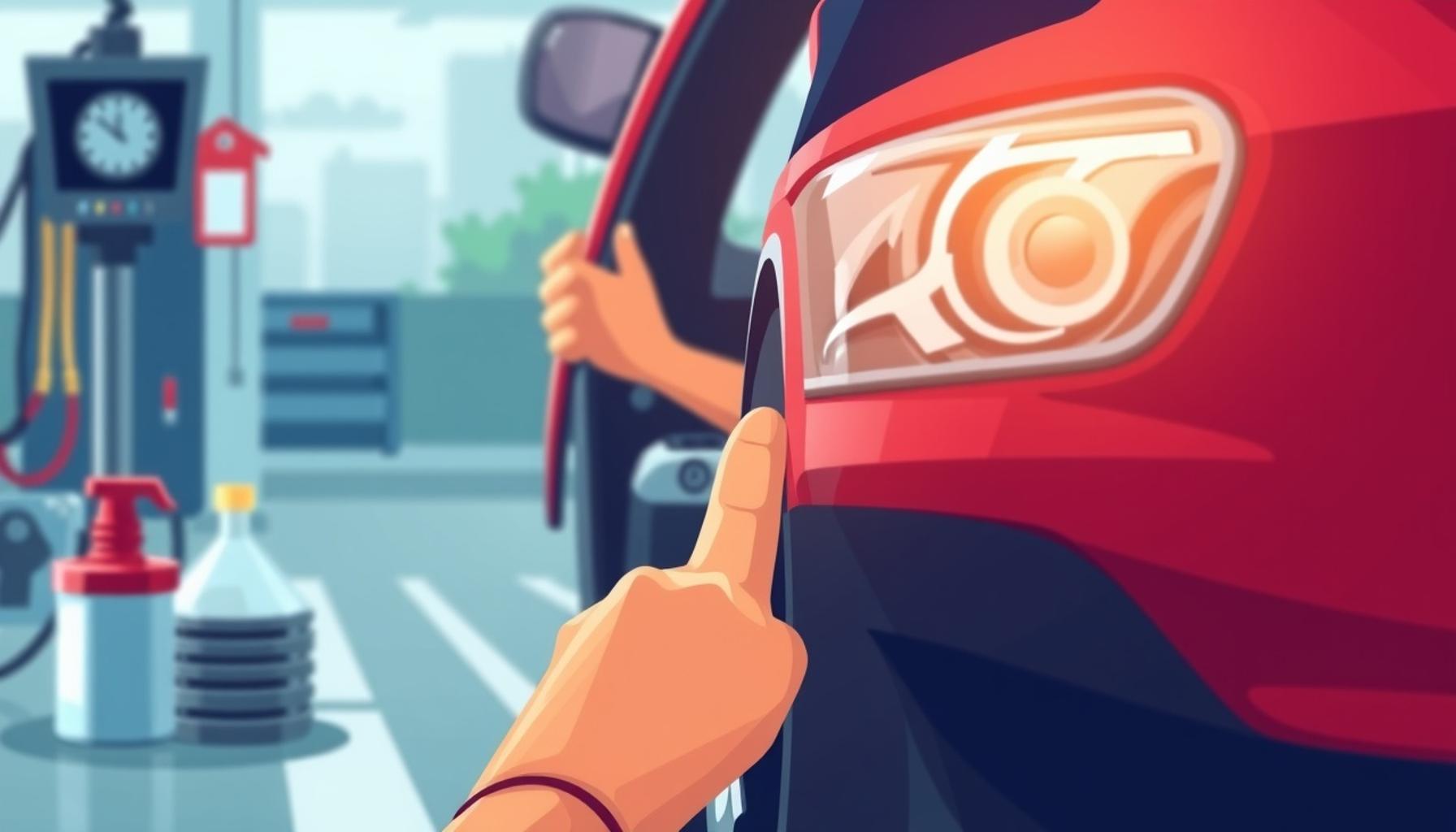
- Lights: Properly functioning lights are essential for visibility, both during the day and at night. Burnt-out headlights or taillights can lead to dangerous driving situations, reducing your ability to see and be seen. The NHTSA reports that around one-third of all fatal accidents occur at night, highlighting the importance of keeping your lights in working order. Regularly inspect headlights, taillights, brake lights, and turn signals, replacing any burnt-out bulbs immediately.
- Windshield Wipers: Effective windshield wipers are crucial for maintaining visibility during rain or snowfall. Worn-out wiper blades can smear or leave streaks, obstructing your view and increasing the likelihood of accidents. According to a survey by AAA, 20% of drivers do not replace their wiper blades regularly, which can be particularly risky during inclement weather. It is recommended to replace windshield wipers every six to twelve months, or as soon as you notice a decline in performance.
- Battery: A well-functioning battery is essential to start the engine and power electrical components. Inconsistent starting or corrosion on battery terminals may signal the need for a replacement. The AAA estimates that battery failures account for nearly 25% of roadside breakdowns. Regular battery maintenance, including testing and cleaning, can prevent unexpected failures, contributing significantly to vehicle reliability.
- Belts and Hoses: The engine relies on various belts and hoses that facilitate its operation, including timing belts, serpentine belts, and coolant hoses. Frayed belts or leaks in hoses can lead to engine overheating or malfunctions, posing serious safety risks. The Car Care Council recommends checking these components regularly, especially in older vehicles, to ensure they are in good condition.
Ignoring any of these components can lead to decreased safety and increased repair costs in the long run. In fact, the National Safety Council reports that over 700 fatalities each year are attributed to vehicle maintenance neglect. By addressing these critical areas through regular vehicle checks, you not only safeguard your own life but also that of passengers and fellow road users.
Moreover, the connection between vehicle maintenance and insurance savings cannot be overlooked. Insurance companies often consider the maintenance history of a vehicle when determining premiums. A well-maintained car, equipped with up-to-date safety features, may qualify for lower insurance rates, representing significant savings over time. This connection exemplifies how commitment to maintenance can lead to better finances in addition to safety.
In summary, maintaining your vehicle requires vigilance and commitment to areas that directly affect safety. Regular maintenance checks not only enhance performance but also serve as a crucial line of defense on the road. Prioritizing these aspects cultivates a culture of safety that extends beyond individual drivers, positively impacting the entire community.
| Advantage | Description |
|---|---|
| Enhanced Safety | Regular vehicle maintenance minimizes risks associated with mechanical failures, ensuring safer driving experiences. |
| Improved Performance | A well-maintained vehicle operates more efficiently, providing better fuel economy and smoother rides. |
Car owners often underestimate the significance of regular maintenance as an essential part of vehicle ownership. Ensuring that your vehicle is in top condition is not merely about aesthetics or convenience; it is a direct contributor to driving safety. For instance, worn-out tires or old brake pads can compromise stopping power, increasing the likelihood of accidents.Routine checks on key components such as brakes, fluids, lights, and steering are vital. Neglecting these checks can lead to critical failures while driving, which can endanger not only the driver but also passengers and other road users. Moreover, proactive maintenance can help detect potential issues before they escalate into costly repairs or dangerous situations on the road.In addition, investing in maintenance enhances the lifespan of vehicle components. A car that runs efficiently not only provides a better driving experience but also saves money in the long run by reducing fuel costs and repair expenses. By understanding the intrinsic relationship between vehicle maintenance and safety, drivers can make informed decisions, contributing to a safer driving environment for all.
Ignoring Maintenance: The Hidden Costs of Neglect
While the significance of regular vehicle maintenance is evident, many drivers often overlook these essential tasks, leading to potentially dire consequences. Ignoring maintenance not only jeopardizes driving safety but also incurs hidden costs that can astound even the most budget-conscious owners. The risk of high repair bills is just the tip of the iceberg.
An alarming statistic from the National Highway Traffic Safety Administration (NHTSA) reveals that negligent maintenance is responsible for 12% of all crashes in the United States. Underestimating this risk can have disastrous outcomes, including serious injuries or fatalities. Regularly scheduled maintenance checks can identify issues before they escalate into major problems, thus preventing accidents. For instance, a mere $100 spent on regular brake inspections can save you from a $2,500 car repair or even worse, an accident resulting from brake failure.
The Role of Preventative Maintenance
Preventative maintenance goes beyond simple inspections; it encompasses a proactive approach to vehicle care that focuses on predicting and preventing potential failures. For example, engine oil changes are a crucial part of vehicle maintenance. According to consumer reports, neglecting oil changes can result in engine wear and tear, leading to costly engine replacement. It is generally advised to change your vehicle’s oil every 3,000 to 5,000 miles, depending on the vehicle type and oil used. Skipping this routine could not only culminate in engine failure but also substantially increase your carbon footprint due to oil sludge.
Measuring the Impact of Tire Maintenance
Tires are another critical aspect of vehicle maintenance that often receive insufficient attention. Proper tire inflation and tread depth are fundamental to ensuring safety on the road. According to the U.S. Department of Transportation, under-inflated tires can lower fuel efficiency by 0.4% for every 1 psi drop in pressure. Moreover, insufficient tread can dramatically increase stopping distance, especially in wet or icy conditions. Regularly checking tire pressure and rotating tires can not only extend their lifespan but also contribute to better fuel economy, saving you money at the gas pump.
Brakes: The Lifeline of Your Vehicle
When it comes to vehicle safety, the braking system is the most vital component. Brake failure can lead to catastrophic outcomes, which is why regular checks and servicing of the brake system are essential. Mechanics recommend inspecting brake pads and rotors monthly and replacing them when wear indicators show signs of significant diminishing. Neglecting to do so can triple your brake repair costs and endanger lives on the road.
Furthermore, vehicle maintenance can significantly enhance the resale value of your car. A well-documented maintenance history can make all the difference when it comes time to sell. Prospective buyers often look for evidence of regular upkeep as a sign that a vehicle is worth the investment. This not only ensures a smoother transaction but also helps maintain the integrity of used vehicles in the marketplace.
The demand for awareness surrounding vehicle maintenance is paramount. Drivers should understand that ensuring safety on the road is a shared responsibility— one that affects not just the driver but also passengers, pedestrians, and fellow motorists. Prioritizing vehicle maintenance creates a safer environment for everyone who shares the road.
Conclusion: Prioritizing Vehicle Maintenance for Safer Roads
In summary, the crucial connection between vehicle maintenance and driving safety cannot be overstated. Neglecting routine check-ups and essential repairs not only jeopardizes the safety of drivers and passengers but also places other road users at risk. The alarming statistics indicating that 12% of crashes result from inadequate vehicle upkeep serve as a stark reminder of the potential dangers lurking behind the wheel of an unmaintained car.
Beyond the immediate safety implications, regular maintenance practices yield numerous long-term benefits. A proactive stance on preventative maintenance can thwart costly repairs, improve fuel efficiency, and enhance the overall longevity of a vehicle. Tasks as simple as checking tire pressure and monitoring brake system health are pivotal components of a comprehensive vehicle care routine. Furthermore, maintaining a well-documented service history significantly boosts the resale value of a vehicle, providing an added incentive for diligent upkeep.
Conclusively, vehicle maintenance is not merely an option; it is an essential responsibility that every driver must embrace. By investing time and resources in regular maintenance, drivers safeguard not only their own lives but also contribute to the broader mission of creating safer roads for everyone. As we navigate the challenges of modern driving, let us not overlook the importance of our vehicles’ health—a commitment to maintenance is ultimately a commitment to safety for all.