

The Importance of Structured Routines
In a world where the pace of life accelerates daily, finding harmony in our responsibilities can be an uphill battle. As professionals juggle deadlines, family commitments, and personal aspirations, embracing effective routines becomes more critical than ever. Tools such as checklists and to-do lists are not just simple aids; they are transformative instruments that enhance our productivity and enforce a sense of order.
Implementing these organizational tools brings forth a myriad of benefits that can significantly improve one’s daily experience. For instance, consider the aspect of clarity: by writing down tasks, individuals can alleviate the mental clutter associated with trying to remember everything. A straightforward checklist enables you to visualize your goals, making overwhelming tasks seem manageable. This visual organization is especially beneficial for those balancing multiple roles, as it allows individuals to see their progress at a glance.
Moreover, routines foster focus. When we prioritize tasks, we can concentrate our energies on what truly matters, reducing the tendency to get caught up in trivial details. For example, a professional may start each day by identifying three primary objectives. By dedicating their efforts to completing these tasks before tackling lesser priorities, they can maintain momentum throughout the day. Research continually indicates that focused work leads to greater accomplishment and satisfaction.
Another significant benefit of utilizing checklists is the sense of accountability it instills. As each task is completed and marked off, there’s an inherent rewarding feeling that boosts motivation and well-being. This sense of achievement is particularly motivating in the workplace, where goal-oriented cultures are thriving. In fact, studies have shown that teams that implement structured routines can increase productivity by up to 25%, highlighting the tangible benefits of organization.
The trend toward utilizing these structured routines is becoming increasingly prevalent across the U.S. workforce. Numerous organizations are adopting methods to help their employees stay organized and disciplined, which in turn enhances their overall job performance. This shift signifies a larger cultural movement towards recognizing the value of organization as a pillar of success.
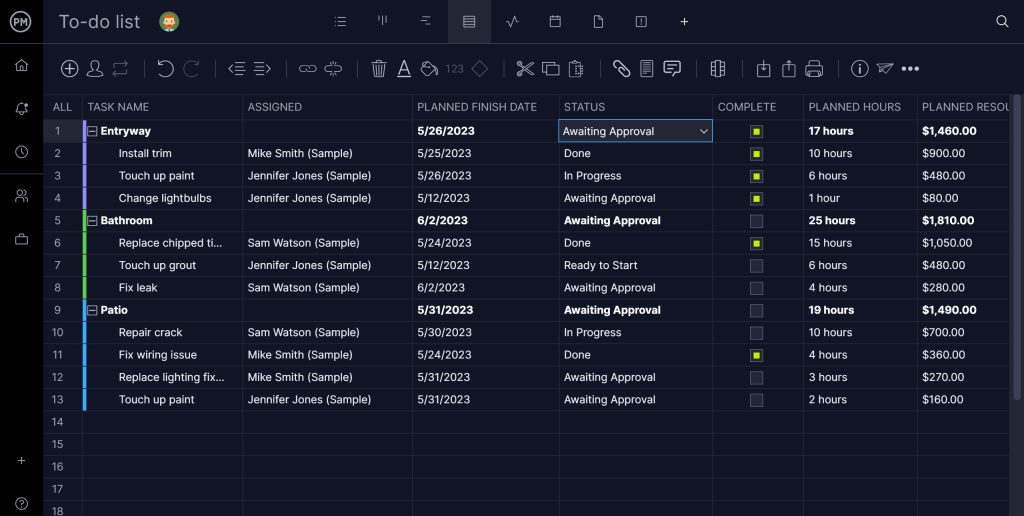

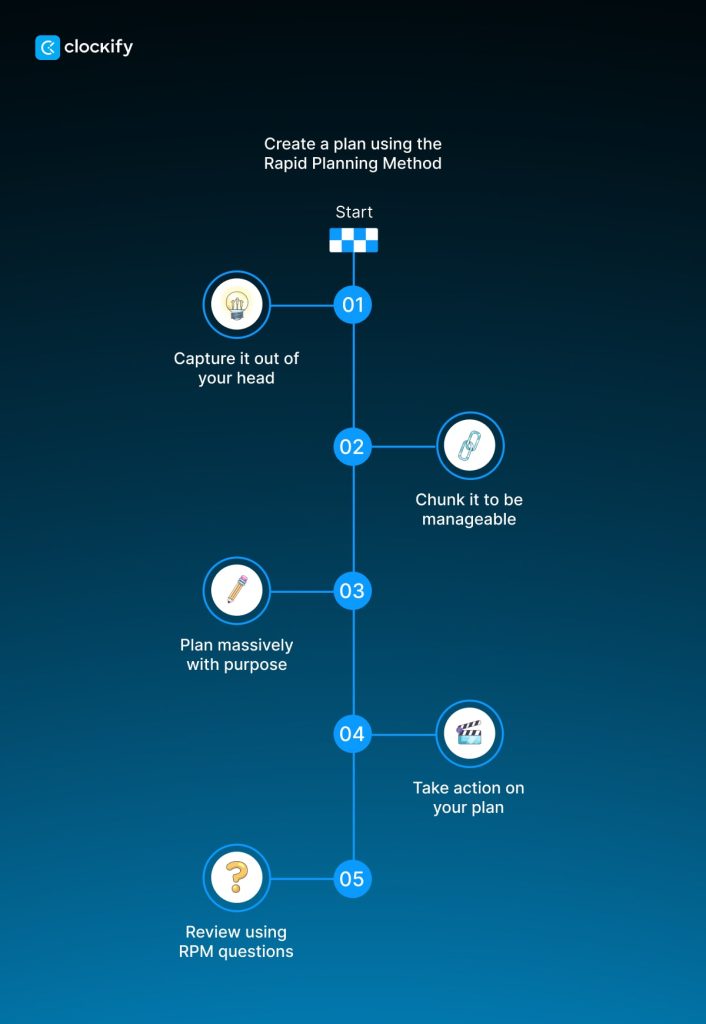
Diving deeper into effective routines will unveil even more efficient ways to harness the potential of checklists and to-do lists. As individuals learn to create their systems tailored to their lifestyles and responsibilities, they not only enhance their organizational skills but also cultivate greater self-discipline. Therefore, investing time in understanding and refining these tools is an essential step towards achieving personal and professional fulfillment.
DISCOVER MORE: Click here to enhance your goal-setting strategy
Leveraging Checklists for Improved Efficiency
To harness the power of routines, understanding the mechanics of checklists is crucial. A checklist provides users with a clear and concise framework to guide their actions and decisions. It transforms a nebulous array of tasks into an actionable sequence, minimizing the possibility of oversight. Consider the high-pressure context of the medical profession, where nurses routinely use checklists to ensure the proper administration of medication. This practice not only protects patients’ lives but also empowers healthcare providers to reduce anxiety and enhance focus. Such examples underscore the profound impact that checklists can have in various realms of life.
Incorporating checklists into daily routines can lead to improved efficiency. By segmenting tasks into smaller, achievable components, individuals can tackle daunting projects piece by piece. The following benefits illuminate the gains from utilizing checklists:
- Enhanced Memory: Checklists supplement our cognitive capabilities by acting as external memory aids. With a list in hand, one can devote more mental energy to completing tasks rather than trying to remember them all.
- Reduced Anxiety: Having a clear path mapped out can significantly lower stress levels. The act of checking items off a list can provide a sense of accomplishment, reinforcing feelings of control.
- Increased Accountability: Checklists serve as a tangible reminder of responsibilities. When all tasks are lined up, individuals become more accountable for their actions, leading to better time management.
Crafting Meaningful To-Do Lists
While checklists are often task-oriented, to-do lists play a vital role in outlining priorities. A well-structured to-do list not only lists tasks but categorizes them, providing a clearer roadmap for success. Each day, professionals can create lists that separate urgent tasks from long-term goals, allowing for a structured approach toward achieving larger ambitions.
Furthermore, research reveals that writing down tasks can promote higher engagement with the listed items. Individuals who utilize to-do lists report feeling more in control of their time and responsibilities. The act of managing one’s workload becomes significantly less overwhelming, paving the way for enhanced productivity. Writers like David Allen emphasize this concept in his book “Getting Things Done,” where he advocates for regular reviews of to-do items to maintain focus on long-term goals.
In addition, consider the importance of digital tools in managing checklists and to-do lists. Today, applications like Trello, Asana, or Todoist allow users not only to create lists but also to set deadlines, reminders, and collaborative tasks. Such platforms have emerged as pivotal players in establishing effective routines, especially within team-oriented environments, where instant communication and task sharing can lead to exponential productivity gains.
Ultimately, mastering the art of checklists and to-do lists is a process that requires trial and error, leading to a refined ability to maintain order in overwhelming situations. In the following sections, we will delve deeper into specific strategies for creating effective routines tailored to individual lifestyles, promising enhancements in organizational skills and self-discipline.
| Advantages of Checklists | Enhancements to Self-Discipline |
|---|---|
| Boosts Productivity | Establishes a clear focus for daily tasks. |
| Promotes Accountability | Encourages consistency in completing tasks. |
| Reduces Anxiety | Helps in managing overwhelming workloads. |
| Enhances Time Management | Creates a structured timeline for tasks. |
In the world of self-discipline, checklists and to-do lists emerge as powerful tools for implementing effective routines. By employing these strategies, individuals not only streamline their daily tasks but also embed a profound sense of accountability within their lifestyles. This structured approach results in a noticeable increase in productivity, allowing people to tackle their workloads with precision and intent.Moreover, utilizing checklists aids in reducing anxiety caused by looming deadlines and overwhelming responsibilities. With every completed task checked off, a sense of accomplishment bolsters the motivation needed to pursue future goals. By mastering time management through organized scheduling, individuals find a pathway to balance various aspects of their lives, from professional commitments to personal endeavors. Identify how checklists can provide a framework for cultivating greater self-discipline and discover the transformative power of effective routines that can lead to enduring organizational skills. By reflecting on these aspects, readers will be inspired to incorporate checklists and to-do lists into their daily lives, experiencing firsthand the multitude of benefits that come from such systematic planning.
DISCOVER MORE: Click here to delve deeper
Creating Customized Routines with Daily Planning
Effective routines are not one-size-fits-all; they require careful customization to suit individual lifestyles and responsibilities. Daily planning is an essential element that fosters an atmosphere where both checklists and to-do lists can thrive. By setting aside dedicated time each day—ideally at the beginning or the end—individuals can reflect on their tasks and prioritize them accordingly. This practice, often dubbed the “planning ritual,” allows users to engage with their to-do lists daily, ensuring that goals remain front and center.
When creating these personalized routines, it’s imperative to pay attention to one’s personal productivity peaks. Research suggests that our energy and focus fluctuate throughout the day; therefore, engaging with more difficult tasks during peak hours can enhance efficiency. For instance, if a person identifies themselves as a morning person, they might choose to tackle complex projects early in the day, while reserving simpler tasks for the afternoon slump. Such awareness transforms the mundane process of task management into an art of strategic allocation.
The Power of Visualization in Routines
In addition to careful planning, harnessing the power of visualization can propel routines to new heights. Visual aids, such as calendars, boards, or mind maps, facilitate a clearer understanding of tasks and their timelines, supporting an organized approach. The act of visualizing tasks can also create a mental pathway that enhances motivation and commitment. This tapping into visual thinking aligns with findings from psychology that suggest visuals are processed faster and retained longer than plain text.
Moreover, integrating visual aids with digital tools like Google Calendar, or even Kanban boards allows for an engaging interplay between task management and visualization. By color-coding tasks according to categories—urgent tasks in red, long-term goals in green—individuals can quickly grasp their priorities at a glance, turning an overwhelming list into manageable segments. This technique can be especially useful in team environments, where collaboration and task assignment benefit from clear visual communication.
Setting Realistic Goals to Foster Self-Discipline
Central to building effective routines is the establishment of realistic goals. The temptation to overload to-do lists with ambitious objectives can lead to frustration and burnout. Experts advise adopting the SMART criteria—Specific, Measurable, Achievable, Relevant, Time-bound—as a framework for goal setting. For instance, rather than stating, “I will write a book,” a more specific goal would be, “I will write 500 words each day for the next month.” This level of specificity provides structure, thereby enhancing self-discipline.
To further bolster goal achievement, it’s beneficial to incorporate elements of positive reinforcement. Setting rewards for completing tasks or reaching milestones can add intrinsic motivation to the routine. This dynamic is crucial when building self-discipline; as individuals notice their progress and celebrate small victories, their commitment to maintaining routines solidifies. Whether it’s treating oneself to a favorite snack or a few moments of relaxation after finishing an important task, the association of achievement with positive experiences fosters a sustainable motivation loop.
Ultimately, the key to successfully building effective routines lies in the harmonization of checklists, to-do lists, visualization, and realistic goal setting. Through aware planning and personalization, individuals can elevate their organizational skills and strengthen their self-discipline as they navigate the complexities of modern life. As we continue exploring the nuances of routine building, we’ll delve into the psychological aspects that underpin these practices, revealing how they influence behavior and productivity.
DISCOVER MORE: Click here to enhance your time management skills
Conclusion: The Path to Effective Routines
In today’s fast-paced world, the ability to establish and maintain effective routines is crucial for achieving personal and professional goals. Leveraging the power of checklists and to-do lists can significantly enhance organizational skills and bolster self-discipline. By engaging in deliberate daily planning, individuals not only tailor their routines to fit their unique lifestyles but also create a structured environment that encourages productivity.
Moreover, the integration of visual aids and clear goal setting mitigates the overwhelming nature of multitasking. Tools such as calendars and digital platforms enhance not only clarity but also motivation, as users visualize their journey toward achievement. Setting realistic goals using the SMART framework ensures that expectations are grounded, reducing stress and the risk of burnout.
As individuals embrace these practices, they gain insight into their personal productivity patterns, further refining their routines for maximum efficiency. Recognizing peak performance times and balancing tasks according to energy levels transform mundane responsibilities into targeted actions that drive progress.
Ultimately, the journey to building effective routines requires a conscious commitment to reflection, adjustment, and celebration of small victories. By fostering an environment rich with structure, individuals can cultivate resilience and enhance their productivity. As we continue to explore this vast topic, consider delving deeper into the psychological aspects that underpin these organizational strategies, as they play a vital role in shaping not just our habits, but our potential for success.