

The Transformation of Productivity Through Focused Work
In an age where multitasking is often glorified, the struggle to maintain sustained attention can indeed feel overwhelming. With notifications buzzing from smartphones and the constant allure of social media, many professionals find it increasingly challenging to concentrate on their tasks. Yet, amidst this cacophony, a revolutionary approach has emerged—one that could redefine how we approach our workloads and boost our productivity.
Deep Work is a term popularized by author Cal Newport in his book of the same name. It refers to the practice of engaging in highly focused and undistracted work that allows individuals to produce high-quality results in less time. Unlike shallow work, which consists of tasks that are non-cognitively demanding and can often be performed while distracted, deep work helps cultivate a state of flow that enhances creativity and insight. Individuals who commit to this method often discover that they can accomplish what might have taken months in just a few weeks.
Strategies for Implementing Deep Work
To tap into the benefits of deep work, consider adopting the following strategies:
- Prioritization: Begin each day by identifying key tasks that align with your long-term professional goals. Resources like the Eisenhower Matrix can assist in distinguishing urgent tasks from those that are important, ensuring that your efforts are directed towards what truly matters.
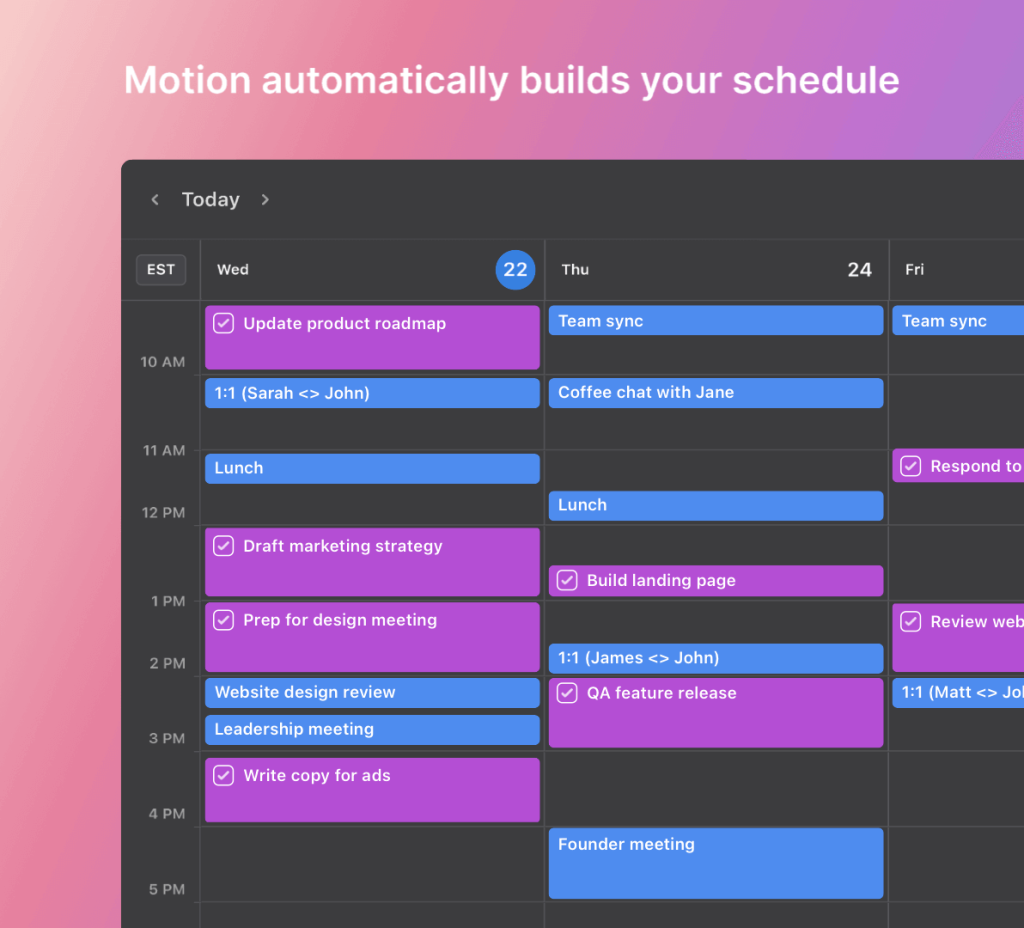
- Task Batching: Group similar activities together to reduce the mental strain caused by switching between different types of tasks. For instance, designate specific time slots for answering emails, conducting phone calls, and completing reports to create a more streamlined workflow.
- Scheduled Deep Work: Designate blocks of time in your schedule dedicated solely to deep work, free from interruptions. Many find that early mornings or late evenings serve as optimal periods for deep focus. Using techniques such as the Pomodoro Technique—where work sessions are divided into intervals followed by short breaks—can also help maintain your concentration and energy levels.
By implementing these methods, not only can individuals significantly increase their productivity, but they can also experience a profound sense of satisfaction that comes with engaging deeply in their work. Data from studies indicate that employees who practice deep work see a substantial improvement in their performance, often resulting in more innovative solutions to complex problems and a greater capacity for creative thought.
As you continue exploring this article, you’ll encounter practical insights and further strategies for embracing deep work. Get ready to unlock new dimensions of focus and discover how prioritization and task batching can radically transform your daily workflow, leading to a more fulfilling and productive professional life.
DISCOVER MORE: Click here to learn about achieving personal effectiveness
Mastering the Art of Prioritization
At the core of enhancing focus through deep work lies the essential skill of prioritization. In a bustling work environment filled with competing demands, understanding how to prioritize effectively can serve as a game changer. Prioritization isn’t merely about creating a to-do list; it involves digging deeper to identify which tasks align with both short-term objectives and long-term goals.
One effective approach to prioritization is utilizing the Eisenhower Matrix, a simple framework that divides tasks into four quadrants: urgent and important, important but not urgent, urgent but not important, and neither urgent nor important. This visual strategy empowers individuals to recognize which tasks deserve immediate attention and which can be scheduled for later, delegated, or even eliminated.
Moreover, research highlights a direct correlation between well-prioritized tasks and job satisfaction. A study conducted by the American Psychological Association found that employees who regularly prioritize their work experience decreased stress levels and enhanced job satisfaction. With this in mind, consider asking yourself the following questions when planning your day:
- What tasks will propel me toward my long-term aspirations? Focus on activities that contribute to your broader career goals.
- Which tasks have the most immediate impact? Address duties that are crucial for project timelines or team initiatives.
- Can any tasks be delegated or eliminated? Consider what can be assigned to others or if certain items can be dropped altogether.
The Efficiency of Task Batching
Once tasks are prioritized, another powerful method to nurture deep work is through task batching. Batching involves grouping similar tasks together into designated time slots, minimizing the cognitive fatigue associated with constant task-switching. This psychological principle is rooted in neuroscience, which suggests that switching between tasks can significantly deplete your mental energy and reduce overall efficiency.
Consider this: if your day includes responding to emails, attending meetings, and completing analytical reports, rather than tackling these tasks sporadically throughout the day, allocate specific periods for each category. For example, you might choose to only check emails twice a day for 30 minutes each instead of continuously responding to every notification. This method not only enhances mental clarity but also allows for deeper engagement with each task, leading to improved output quality.
According to a study from the University of California, it takes an average of 23 minutes to regain focus after being distracted. By implementing task batching, professionals can mitigate these distractions, leading to a more enriched work experience and a noticeable increase in productivity.
In summary, the twin powers of prioritization and task batching can transform your workflow. By honing these skills, you can create an intentional workday atmosphere conducive to deep work, ultimately unlocking your full potential and paving the way for successful outcomes in both your current endeavors and future aspirations.
Enhancing Workflow Through Prioritization and Task Batching
In today’s fast-paced environment, the concept of Deep Work emerges as a powerful antidote to the distractions that plague our daily routines. By adopting strategies such as prioritization and task batching, individuals can significantly enhance their focus, leading to remarkable productivity improvements. Prioritization is essential for directing your mental energy toward the most impactful tasks. By identifying and addressing what is genuinely important, you pave the way for deeper engagement and more significant accomplishments. Think of prioritization as a roadmap; it guides you to where you need to focus, preventing the overwhelming sensation of a lengthy to-do list from stifling your progress.Task batching serves as another vital component in the quest for efficiency. This technique involves grouping similar tasks together and dedicating specific time blocks to complete them. For instance, setting aside uninterrupted time for emails, reports, or brainstorming sessions allows for a natural flow, reducing the mental strain that comes from constantly switching between different activities. Research suggests that task switching can lead to a productivity drop of up to 40%, highlighting the importance of creating structured work periods.Integrating these strategies into daily routines enables a profound transformation in how work is approached. The resultant clarity and focus not only boost work quality but also foster a sense of satisfaction with completed tasks. By harnessing the power of prioritization and task batching, individuals can unlock their potential to achieve meaningful results and foster a more enriching work experience.
| Advantage | Insight |
|---|---|
| Enhanced Focus | Prioritizing key tasks leads to a sharper focus and reduces distractions. |
| Increased Efficiency | Task batching minimizes the cognitive load, allowing for quicker completion of similar tasks. |
By embracing prioritization and task batching, you not only make strides in personal productivity but also create a work environment conducive to deep, fulfilling work. This holistic approach enhances not just individual performance but also contributes to collective success, reinforcing the importance of these methods in modern workflows.
DISCOVER MORE: Click here for insights on productivity applications
Integrating Time Management Techniques
The journey towards enhancing focus with deep work isn’t complete without incorporating effective time management techniques. Understanding how to allocate your time wisely can further refine your ability to prioritize and batch tasks, creating an environment ripe for productivity. One popular method that has particularly gained traction is the Pomodoro Technique, which encourages frequent breaks while maintaining high levels of intensity during work sessions.
Developed by Francesco Cirillo in the late 1980s, the Pomodoro Technique allows you to work in short, focused bursts of typically 25 minutes, followed by five-minute breaks. This structured form of time management not only boosts concentration but also prevents mental burnout. After completing four “Pomodoros,” a longer break of 15 to 30 minutes is recommended, giving you the necessary respite to recharge your cognitive batteries.
By timing yourself with the Pomodoro Technique, you can effectively batch tasks based on the duration of each work session, ensuring that you stay committed to maintaining deep work states. Moreover, studies have shown that people who utilize the Pomodoro Technique report greater levels of satisfaction in their work, as they can see measurable productivity increments and avoid unnecessary distractions.
Creating a Distraction-Free Environment
While prioritization and task batching lay the groundwork for focus, the physical workspace you cultivate plays an equally vital role. Creating a distraction-free environment is crucial for deep work. This means not only tidying your physical workspace but also curating your digital environment, which can be a breeding ground for interruptions if left unchecked.
Consider employing tools like website blockers during your deep work sessions to cut off access to distracting sites. Software applications such as Freedom or Cold Turkey can help limit access to social media and other time-wasting platforms, ultimately keeping your focus aligned with your prioritized tasks. This combination of environmental adjustments and digital limitations allows for a greater immersion into tasks at hand, propelling you into a deeper concentration zone.
Moreover, research from the Harvard Business Review suggests that employees who actively control their environment report increased satisfaction and higher overall productivity. Think about adjustments like regulating noise levels with noise-canceling headphones, organizing a well-lit workspace, or even playing concentration-enhancing music to create a personalized atmosphere conducive to deep work.
The Role of Reflection and Review
No strategy for enhancing focus would be complete without the component of reflection and review. Continuously assessing your productivity and workflow can unveil insights that may go unnoticed in the daily rush. Set aside time each week to reflect on what prioritization and task batching strategies worked best and which need refinement.
Consider keeping a work log that tracks what you accomplished, the time spent on each task, and the techniques used. This self-evaluation will not only enhance your awareness of effective methods but will also cultivate a habit of continuous improvement. By understanding what resonates with your work habits, you can further fine-tune your prioritization and batching methods, ensuring you are always moving toward your larger aspirations.
In summary, the integration of time management techniques, the creation of distraction-free environments, and a commitment to self-reflection form a robust framework in the quest for enhanced focus. By embracing these aspects, you reinforce the foundations laid by prioritization and task batching, setting the stage for sustained deep work and increased productivity.
DISCOVER MORE: Click here to enhance your productivity
Conclusion
In the fast-paced world we navigate, enhancing focus through deep work has never been more essential. By adopting the principles of prioritization and task batching, individuals can transform their workflow into a productive powerhouse. When harnessed together, these techniques allow you to zero in on high-value tasks and minimize the chaos of multitasking, which research shows can be detrimental to overall efficiency.
Incorporating methodologies such as the Pomodoro Technique aids in structuring your time while ensuring you remain energized and engaged. Coupled with a distraction-free environment, your ability to enter deep work states is significantly enhanced. The strategic elimination of distractions—both physical and digital—gives way to a workspace that promotes creativity and focus.
Moreover, the act of reflection and review serves as a crucial tool in this journey. By regularly evaluating your workflow, you not only identify what works but also refine your strategy continually. This process not only leads to improved satisfaction in your work but ensures you are consistently aligned with your long-term goals.
As you continue to navigate your professional landscape, remember that cultivating a mindset centered on deep work requires dedication, flexibility, and a willingness to experiment with new techniques. In doing so, you lay the groundwork for enhanced productivity, higher performance, and a fulfilling work experience. Embrace the transformative power of prioritization and task batching, and empower yourself to achieve peak focus in every endeavor.