The Role of Art in Education: Stimulating Creativity and Critical Thinking in Young People
The Importance of Art in Education
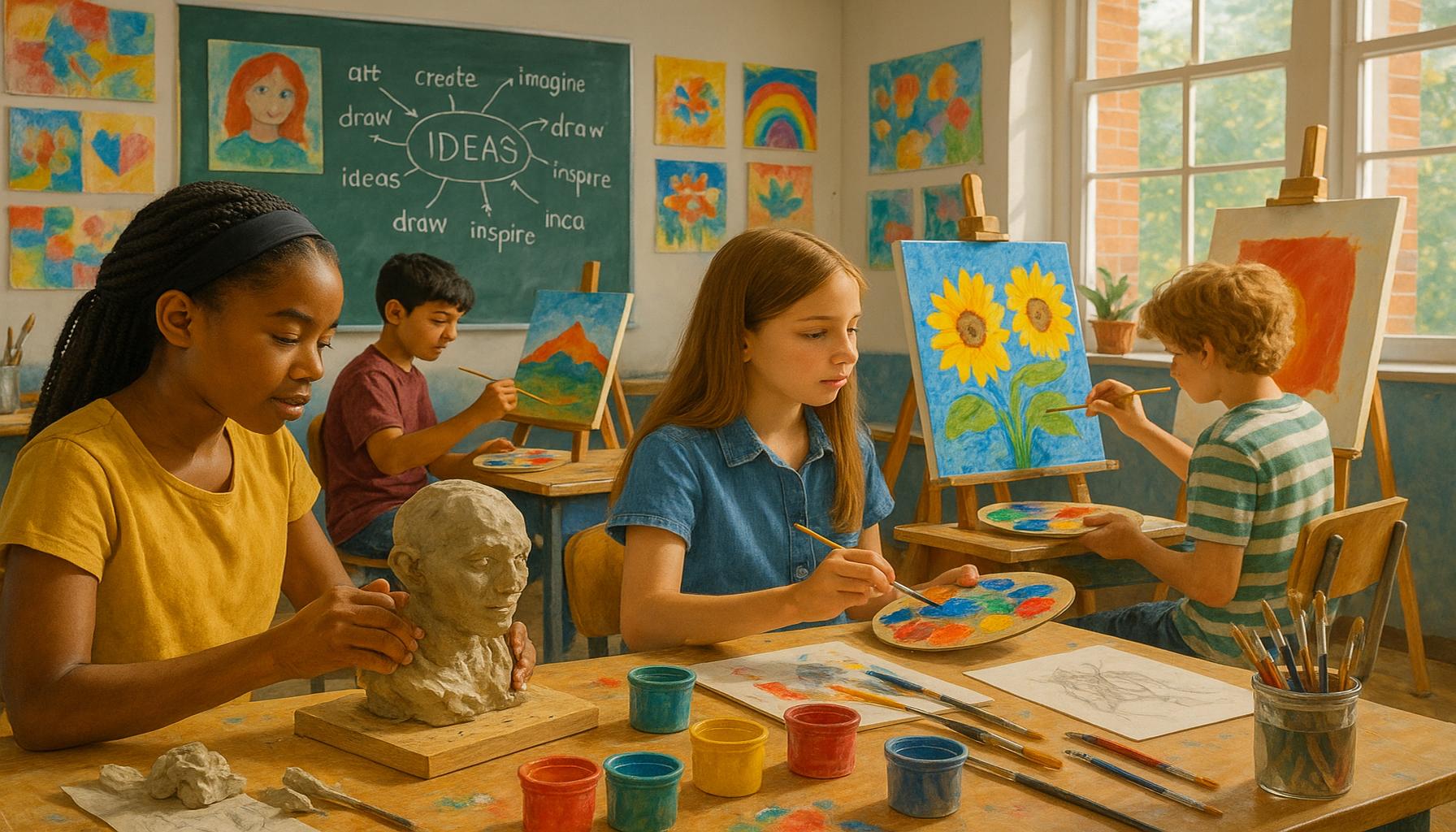
The integration of art into educational curricula serves not only to enhance the learning experience but also to cultivate essential skills that young individuals will carry throughout their lives. In today’s rapidly evolving society, where creativity and innovation are paramount, the role of art in shaping critical thinkers becomes increasingly vital. The impact of art on learning environments is multifaceted and far-reaching.
Encourages Self-Expression
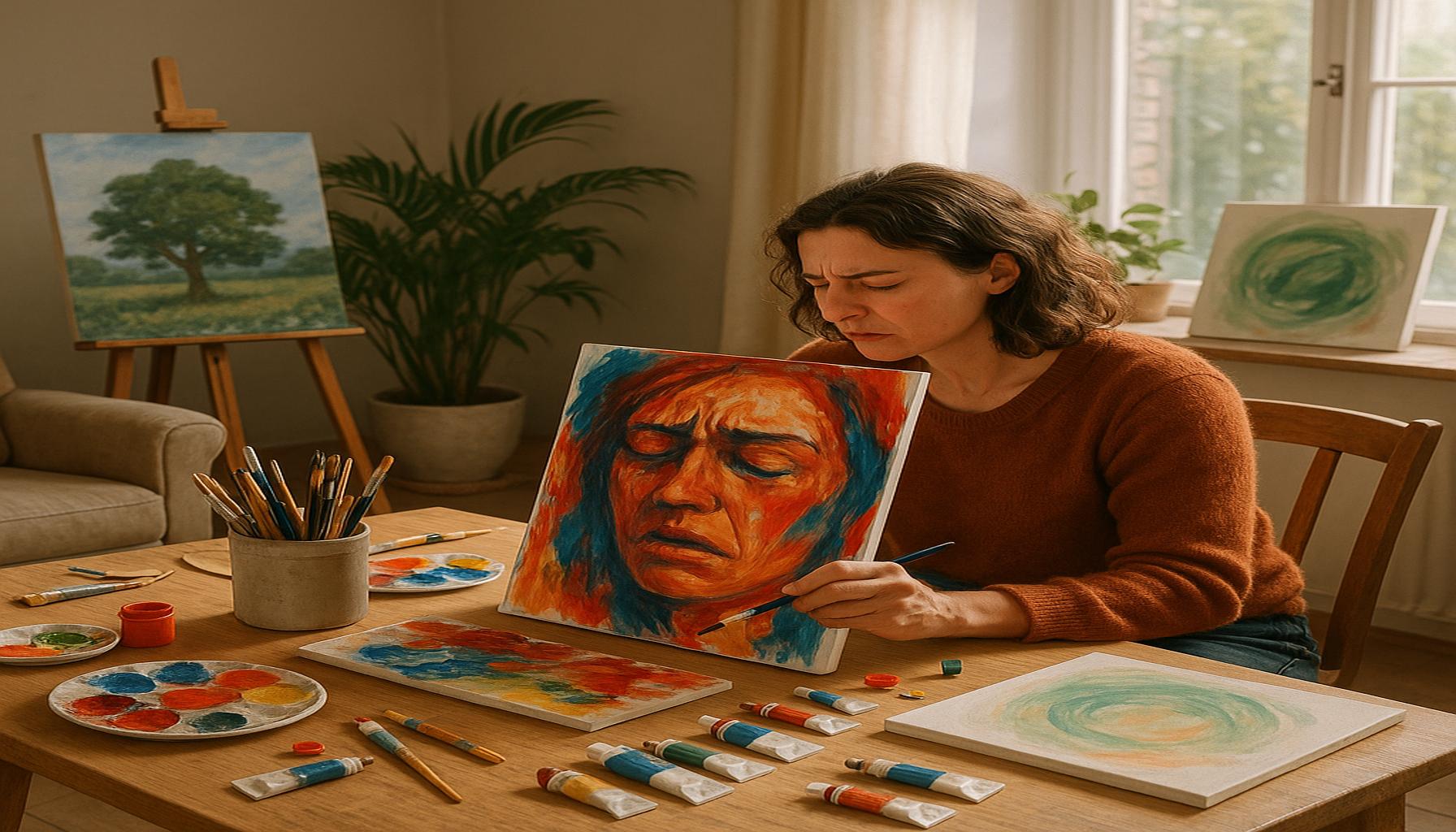
Self-expression is a fundamental aspect of personal development, especially in young people who are navigating the complexities of adolescence. Through various art forms—be it painting, music, dance, or theater—students are provided with a platform to articulate their feelings and viewpoints. For instance, a student dealing with the pressures of school may find solace and voice in a spoken word poetry class. This outlet not only enhances emotional intelligence but also equips students with the confidence to share their perspectives and engage in meaningful discussions.
Promotes Problem-Solving Skills
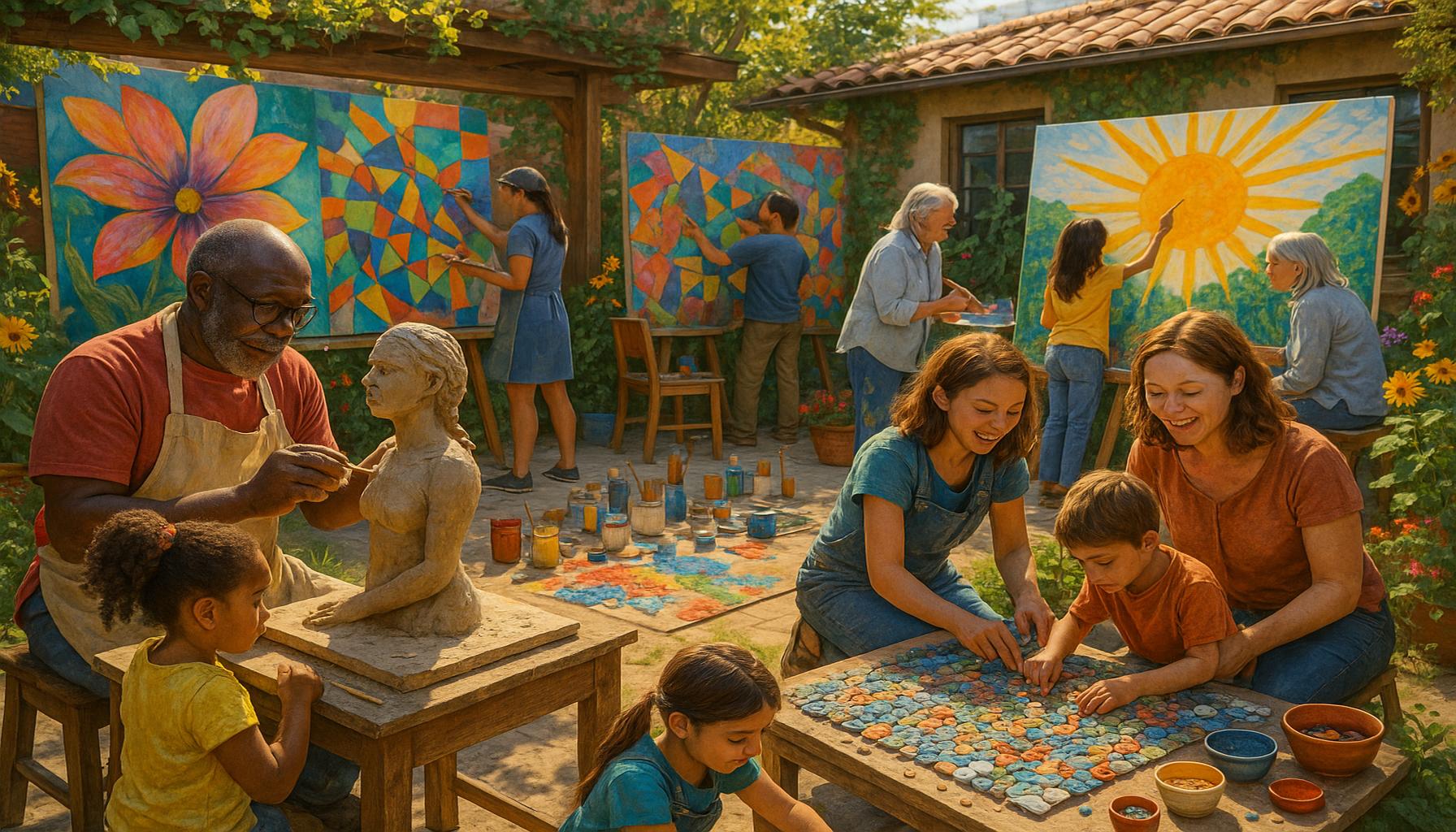
Creative projects in the arts inherently involve problem-solving. Whether it’s designing a mural that visually expresses a social issue or collaborating on a theatrical production, these activities require students to brainstorm, strategize, and iterate. For example, in a visual arts class, students may be challenged to create a sculpture using recycled materials. This task compels them to think critically about resourcefulness, balance, and aesthetics, honing their ability to approach challenges creatively in any discipline.
Enhances Cultural Awareness
In a diverse nation such as the United States, exposure to various art forms not only cultivates appreciation for different cultures but also fosters empathy and understanding. Schools that include multicultural art programs help students explore the rich tapestry of cultural narratives through music, dance, and visual arts. Participation in such programs can lead to a deeper respect for diversity and an awareness of social issues that may affect different communities. An example is African American History Month or Hispanic Heritage Month celebrations in schools, where students learn traditional art forms and their historical contexts, significantly broadening their worldview.
The growing recognition of the benefits of arts education has led various school districts across the United States to incorporate arts programs into their standard curriculum. Studies have shown that students who engage in arts education often exhibit improved academic performance across subjects—including a higher likelihood of achieving better scores in mathematics and reading. Furthermore, participation in the arts has been linked to increased teamwork skills and a greater sense of belonging among peers.
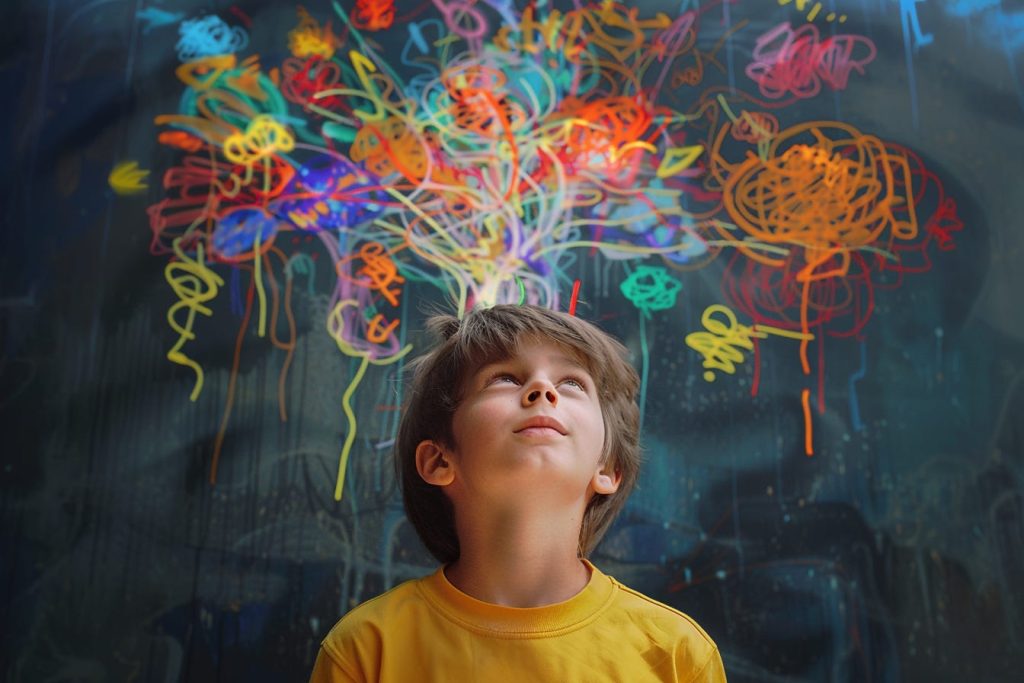
As we continue to explore the intersection of art and education, it becomes clear that art is not just a subject but a vital component of a holistic educational approach. By understanding and implementing robust arts programs, educators can significantly enhance not just the academic landscape but the very fabric of society, preparing students to become not only successful individuals but also conscientious global citizens.
DISCOVER MORE: Click here to dive into digital crafts
Fostering Innovation and Critical Thought through Artistic Endeavors
Art education lays a critical foundation for stimulating creativity and critical thinking, two skills that are indispensable in today’s job market and societal interactions. As young people engage with various art forms, they are not merely creating; they are learning to analyze, evaluate, and synthesize information in novel ways. This creative process transcends traditional classroom boundaries, allowing students to explore theoretical concepts through a practical lens, ultimately leading them to become more innovative thinkers.
Hands-On Experience in Learning
The incorporation of arts into education also provides students with hands-on learning opportunities that enhance cognitive development. In disciplines such as visual arts, music, and drama, students are often required to engage in experiential learning. For instance, a student might learn about historical events by reenacting a scene from a play rather than simply reading about it in a textbook. This kind of interactive learning reinforces knowledge retention, as students connect emotionally and intellectually with the material.
Developing Collaboration Skills
Art projects frequently involve collaboration, where students learn to work as part of a team. They engage in dialogue to share ideas, negotiate, and reach consensus, all of which are vital collaboration skills in any career field. Consider a group assignment in a music class where students must compose an original song together; they will need to discuss their individual contributions, listen to each other’s opinions, and find common ground—precisely the kind of teamwork that is valued in today’s workplaces.
Moreover, art fosters not only collaboration but also broadens personal horizons. Here are some ways art contributes to developing teamwork and interpersonal skills:
- Creative Brainstorming: Students learn to think outside the box and embrace unconventional ideas.
- Feedback Reception: Engaging with peers teaches students how to give and receive constructive criticism.
- Shared Ownership: Team projects instill a sense of collective responsibility for the end product.
Building Confidence Through Art
Participating in the arts also serves as a vehicle for building self-confidence among young individuals. When students showcase their work—whether through a gallery exhibit, a dance recital, or a theater performance—they experience a sense of accomplishment that can significantly enhance their self-esteem. This act of presenting their work opens doors for feedback and affirmation from peers and instructors and can lead to increased motivation and a willingness to take risks in both artistic and academic pursuits.
As art education continues to evolve, the impact of creative expression on young minds remains ever relevant. By weaving artistic endeavors into the fabric of educational structures, schools are not only enriching the academic curriculum but also empowering the youth of today to tackle tomorrow’s challenges with creativity and confidence. The transformative potential of art extends beyond mere aesthetics; it shapes how students perceive the world and their role within it.
The Impact of Art Education on Student Development
Art education plays a vital role in shaping the minds and abilities of young people. By incorporating visual arts, music, dance, and drama into the curriculum, educators can enhance students’ capacity for creative expression and critical thinking. Studies have shown that children who engage in arts activities frequently display improved cognitive function and emotional intelligence. Additionally, they tend to excel in related academic disciplines, demonstrating that art is not just an extracurricular endeavor but a fundamental component of a well-rounded education.Programs that emphasize art in education foster a sense of community and collaboration among students. When working on group projects, children learn to communicate their ideas effectively and respect differing viewpoints. This collaborative environment instills crucial social skills and a sense of belonging, which is essential for personal development during their formative years.Moreover, art education can offer a safe space for self-exploration, allowing students to navigate complex emotions and experiences. As they learn to express themselves through various mediums, students gain confidence in their abilities. This self-assuredness often translates into other areas of their education, encouraging them to take academic risks and challenge themselves intellectually.In essence, integrating art into education not only heightens students’ appreciation for culture and creativity but also serves as a catalyst for essential life skills. These experiences prepare them to be problem solvers and innovators in an ever-evolving world, laying the groundwork for a vibrant future.
| Advantage | Description |
|---|---|
| Enhanced Creativity | Art encourages students to think outside the box and develop original ideas. |
| Improved Critical Thinking | Engagement with art requires analysis and interpretation, fostering deeper cognitive skills. |
DIVE DEEPER: Click here to discover the exciting world of digital art
Enhancing Emotional Intelligence and Empathy through Artistic Expression
Art education plays a pivotal role in enhancing emotional intelligence and fostering empathy in young people. Engaging with art encourages students to explore their own emotions and those of others, creating a deeper understanding of diverse perspectives and experiences. For instance, when students create a character for a theater production, they must delve into the character’s motivations and feelings, effectively stepping outside their own worldview. This process not only nurtures their creative instincts but also strengthens their capacity for empathy—an essential skill in today’s interconnected society.
Exploring Cultural Contexts and Social Issues
Art serves as a powerful medium for exploring complex cultural contexts and social issues. Through art, students can express their thoughts on topics such as identity, inequality, and community dynamics. For example, a visual arts classroom may engage students in projects that reflect on local history or contemporary social justice movements. This engagement not only stimulates their critical thinking but also fosters social awareness and civic responsibility, equipping them to navigate real-world challenges thoughtfully.
Furthermore, discussions surrounding these topics encourage students to articulate their views and debates based on a multitude of factors, including race, gender, and socio-economic status. These dialogues are crucial for developing a comprehensive understanding of societal dynamics, paving the way for a more informed and empathetic generation.
Art Historical Context and Inspiration
Incorporating art history into education can also enhance students’ analytical skills. By studying different art movements and their cultural significance, students learn to critically engage with context and intention. For example, the Harlem Renaissance not only produced influential artworks but also ignited significant socio-political changes in America. By reflecting on such contexts, students grow to appreciate the interconnectedness of art and history, encouraging them to draw parallels between past and current events.
Such explorations can lead to inspired creativity, where students take historical techniques or themes and apply them to contemporary issues. This bridging of timelines allows students to see themselves as active participants in a larger narrative, sparking their imagination and ability to innovate.
Access to Arts Resources and Technology
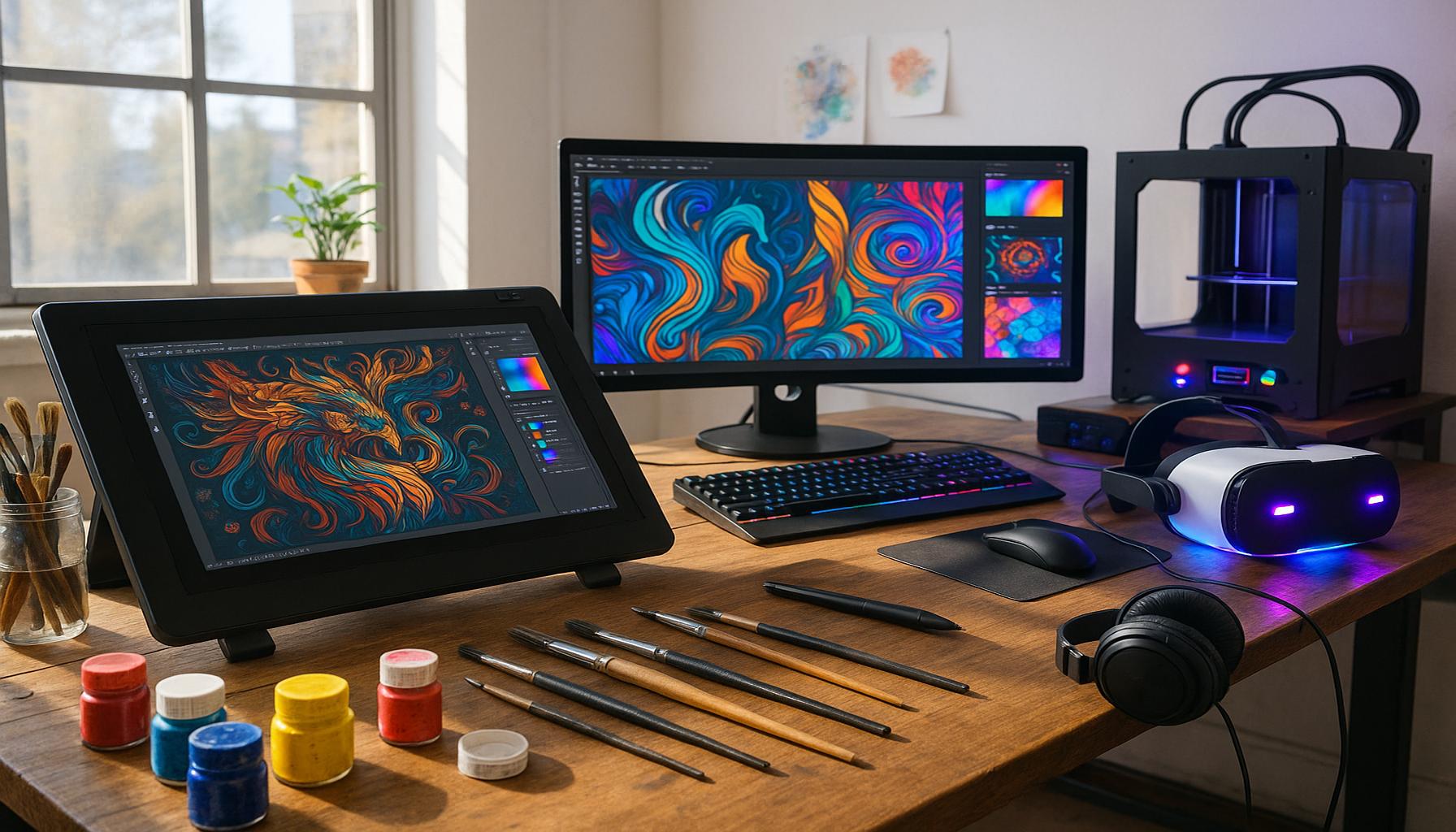
Today’s educational landscape is further enriched by the integration of technology into art education. With resources like digital painting tools, online music platforms, and video editing software, students can explore art in diverse and dynamic forms. These tools not only make art more accessible but also provide additional avenues for creativity and critical engagement. As students utilize technology to express their ideas, they learn how to adapt and thrive in a digital world—a vital skill set that transcends traditional art mediums.
Moreover, initiatives such as virtual art galleries and online collaborative projects unveil new possibilities for students to showcase their work and engage with a global audience. This expansion of horizons not only amplifies their voices but also offers a broader context for their creative expressions, reinforcing the importance of art in today’s educational practices.
DISCOVER MORE: Click here for innovative furniture ideas
Conclusion
As we reflect on the multifaceted role of art in education, it becomes evident that the integration of artistic practice into the curriculum is not merely an enriching add-on; it is a vital component in fostering creativity and critical thinking skills among young people. Through platforms that encourage emotional exploration, dialogue around cultural contexts, and the use of modern technologies, art provides students with the tools they need to navigate and engage with a complex world.
By enhancing emotional intelligence and encouraging empathy, art education cultivates a generation capable of understanding diverse perspectives, leading to greater social awareness and responsibility. Furthermore, utilizing art to address societal issues empowers students to express their convictions through innovative mediums, encouraging them to tackle real-world problems head-on.
The study of art history and its connection to contemporary societal dynamics also nurtures students’ analytical skills, enabling them to perceive and respond to the world around them with nuanced insights. Importantly, as technology continues to reshape both art and education, students are equipped to embrace new opportunities for collaboration and creativity, thereby preparing themselves for future challenges in an ever-evolving landscape.
Ultimately, fostering creativity and critical thinking through art enriches not only individual growth but also the collective societal framework. As educators, policymakers, and communities prioritize the arts, we take vital steps towards nurturing a more inventive, informed, and empathetic generation ready to contribute positively to the world.