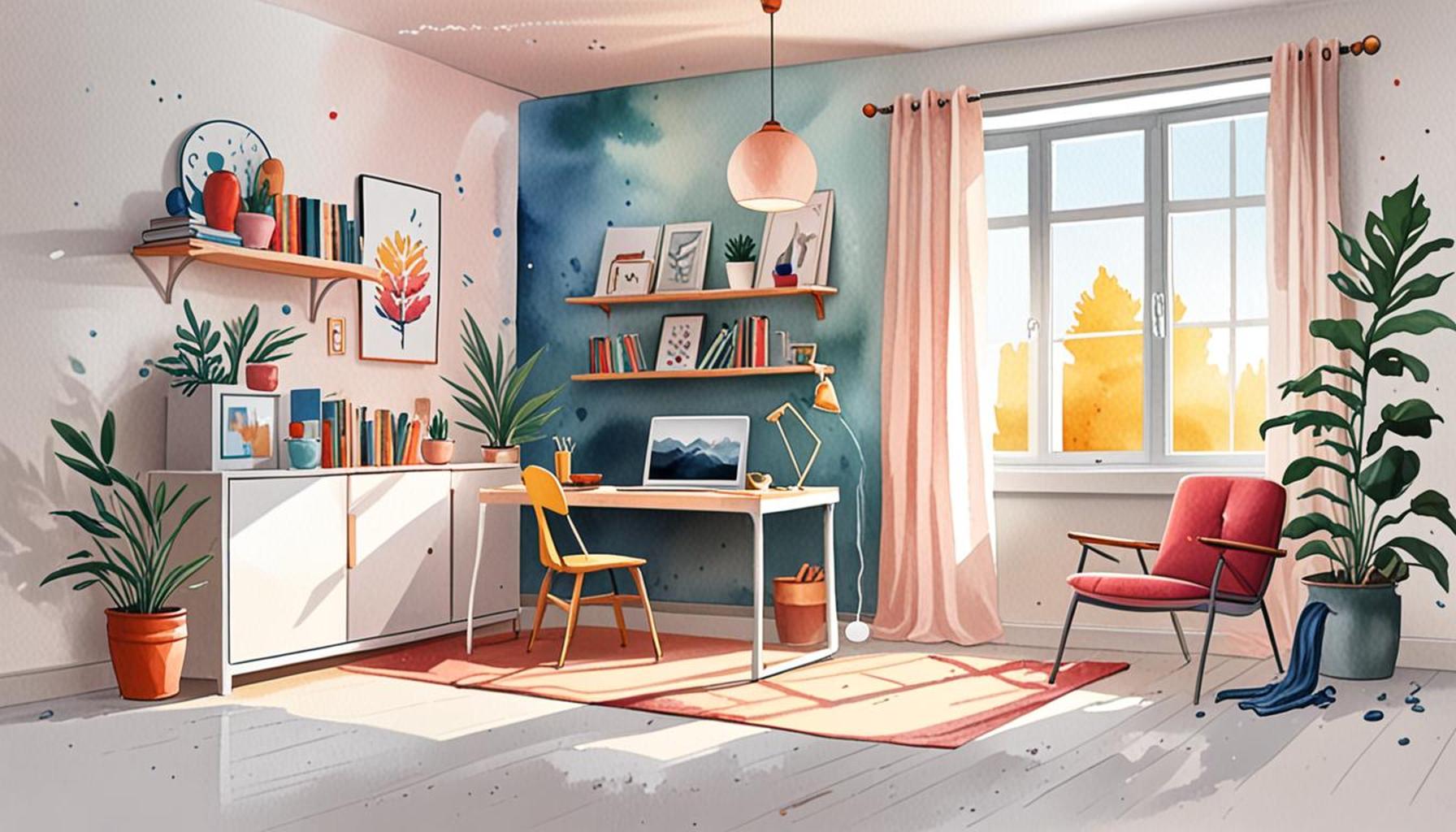
The Psychology of Simple Design: Impact on Mental Clarity and Stress Reduction

The Benefits of Minimalist Design in Daily Life
The trend towards simple design has gained immense traction, especially in environments dominated by relentless stimuli and distractions. In this modern age, embracing a minimalistic approach offers not only aesthetic appeal but also significant psychological benefits. Research increasingly points to the idea that as our surroundings become more cluttered, our mental state can often follow suit, leading to higher levels of stress and anxiety.
- Reduced Cognitive Load: Simple designs inherently cut down on distractions. For example, consider a website that uses a clean layout with ample white space. Such designs allow users to navigate intuitively, focusing on the content rather than fighting with unnecessary visuals that cloud their judgment. This streamlined approach empowers users to accomplish their tasks more efficiently.
- Easier Navigation: In the realm of product design, harmoniously designed objects also support ease of use. Take Apple products, for instance. Their sleek, minimalist interfaces encourage the users’ interactions to feel seamless, enhancing satisfaction and functionality. This understanding is crucial for manufacturers and businesses aiming to improve customer experience.
- Emotional Calm: The principles of simple design extend to the spaces we inhabit. For example, residential areas featuring open floor plans and neutral color palettes often evoke feelings of serenity. The use of clean lines and natural light contributes significantly to creating a restful atmosphere in one’s home, promoting relaxation, which is essential in unwinding from a stressful day.
Environmental psychology supports the notion that minimalism can directly influence our mental well-being. Workplaces that adopt simple aesthetics and decluttered spaces often report higher employee satisfaction and productivity levels. Companies such as Google have embraced this concept, cultivating work environments that are spacious and inviting, encouraging collaboration and creativity while mitigating stress levels.
Moreover, the relationship between psychology and design can also extend to public spaces. Urban designers who prioritize openness and simplicity may enhance community interactions. Parks designed with wide walkways, open green areas, and fewer obstructions can foster social engagement and recreational activity, ultimately improving community well-being.
Ultimately, the examination of simple design transcends mere aesthetics; it becomes a fundamental aspect of enhancing mental health and quality of life. By understanding the positive impacts of minimalism, individuals can cultivate spaces—both personal and professional—that support a more balanced, peaceful, and productive lifestyle. As you navigate your daily life, consider how the principles of simplicity can lead to profound changes in your environment and mindset.
DISCOVER MORE: Click here to learn about mindful living
Understanding the Psychological Benefits of Simple Design
In our fast-paced society, where information overload has become the norm, simple design serves as a beacon of mental clarity amidst chaos. The psychological impact of minimalistic approaches can be profound, influencing not only how we interact within our environments but also how we feel on a daily basis. By stripping away the non-essential, simple design fosters a sense of focus and calm, which can significantly improve our mental health and well-being.
To delve deeper into the psychology behind minimalist aesthetics, it’s helpful to explore several key principles that drive its effectiveness:
- Clarity of Purpose: A direct correlation exists between simplicity in design and clarity of thought. Environments characterized by a lack of clutter stimulate a clear cognitive process, allowing individuals to concentrate on tasks without extraneous distractions. In settings like classrooms or study areas, for example, minimalistic design can lead to improved comprehension and retention of information, empowering students to learn more effectively.
- Intrinsic Motivation: Simple design encourages a focus on intrinsic rewards rather than extrinsic ones. When distractions are minimized, individuals often find themselves more engaged in the process they are undertaking. This cultivation of a deeper, personal connection to tasks can lead to greater satisfaction and fulfillment, ultimately reducing feelings of stress and anxiety.
- Mindfulness and Presence: Minimalist spaces promote a sense of mindfulness, urging individuals to be fully present in the moment. The tranquility invoked by simple design enhances our ability to enjoy daily activities and interactions, leading to overall happiness and contentment. Practicing mindfulness in serene environments can enhance emotional regulation and resilience against stressors.
These principles bring to light a fascinating connection between design and the human psyche, revealing why many opt for simple aesthetics in their homes and workplaces. For instance, a workplace devoid of excessive décor and chaotic layouts can create an atmosphere where employees feel at ease, encouraging innovative thinking rather than distraction-laden mindsets.
A study by the University of Minnesota highlights this relationship poignantly; it found that employees in simplified work environments reported feeling less stressed, leading to a remarkable increase in productivity. Respondents attributed their heightened focus and creativity to fewer visual disturbances, indicating that even small changes in design can lead to significant improvements in performance and well-being.
Moreover, the impact of simple design extends beyond individual spaces. Urban areas that emphasize open, uncluttered public spaces foster community engagement and social interaction. Such designs create a sense of belonging and connection among residents, further illustrating the ripple effect simplicity can have on communal mental well-being.
As we navigate the complexities of modern life, it becomes paramount to recognize how the principles of simple design can contribute to greater mental clarity and stress reduction. By embracing minimalism, individuals can reshape their environments—ultimately paving the way for a more focused, serene existence.
The Psychological Benefits of Simple Design
The principles of simple design extend beyond aesthetics; they touch upon the profound psychological impact that clutter and complexity have on our mental well-being. As we’ve seen, a minimalist approach in design reduces cognitive load, which is essential for enhancing mental clarity. When individuals are presented with a simple, well-organized visual environment, their brains function more efficiently, leading to improved focus and productivity.Researchers have shown that environments rich in complex designs often induce feelings of anxiety and overwhelm. Conversely, simplistic designs promote a sense of calmness and peace, allowing for better emotional regulation. Furthermore, designs that emphasize whitespace facilitate a smoother flow of information, encouraging better assimilation of the content presented.Incorporating simplicity in spaces—whether it’s a workplace, a home, or a public area—can lead to effective stress reduction. For instance, an office with clean lines, neutral colors, and functional furniture often becomes a sanctuary for clarity and creativity. Studies indicate that employees in such environments report higher job satisfaction and lower levels of stress. Moreover, there’s an intriguing connection between simple design and cognitive function. A simple yet effective design can enhance user experience across platforms, thereby reducing feelings of frustration and increasing engagement. As the digital realm increasingly bombards us with information, creating interfaces that prioritize simplicity can play a crucial role in mental health.Exploring more about how simple design principles can be incorporated in daily life is vital for anyone seeking to boost their mental well-being and enhance their life quality.
DISCOVER MORE: Click here to learn about minimalist interior design.
The Role of Color and Form in Simple Design
Beyond the overarching principles of clarity and mindfulness, color and form also play crucial roles in effective simple design. Understanding how these elements interact with our psychological state can further illuminate why minimalistic environments foster mental clarity and reduce stress.
Color psychology reveals that different hues evoke distinct emotional responses. For instance, cool colors such as blue and green often induce feelings of calmness and serenity, making them ideal for spaces where relaxation and focus are paramount. In contrast, vibrant colors like red or yellow can stimulate excitement and energy; excessive use of these in a workspace can lead to distractions and heightened anxiety. By strategically incorporating soft, neutral colors within minimalistic designs, one can enhance tranquility and promote a sense of peace, leading to improved cognitive performance.
Furthermore, the form of objects within a space can greatly influence an individual’s psychological state. Simple, elegant shapes devoid of sharp edges tend to create a sense of comfort and safety. Research conducted by the University of Texas indicates that rounded forms are visually perceived as more inviting, which may lead to reduced physiological stress responses. Spaces accented with gentle curves and seamless lines can evoke a sense of harmony, encouraging occupants to engage fully in the tasks at hand.
The Impact of Noise Reduction
Another vital aspect intertwined with simple design relates to noise reduction. In today’s world, constant auditory stimuli can overwhelm our senses and contribute to stress. Minimalistic environments prioritize serenity, often incorporating soft furnishings and sound-absorbing materials that help to mitigate noise. A study from the University of California found that individuals in quieter workspaces exhibited lower cortisol levels, a primary hormone associated with stress. By reducing ambient noise, simple design not only enhances focus but also contributes significantly to mental clarity.
The Biophilic Connection
The concept of biophilia, which suggests an intrinsic connection between humans and nature, also plays a vital role in simple design. Integrating natural elements—like plants, wood, or water features—into minimalist design can create a soothing atmosphere. Studies show that exposure to nature can reduce stress and improve mood, a phenomenon significantly amplified in minimalist settings. For instance, workplaces that incorporate green walls or indoor plants are linked to decreased fatigue and enhanced creativity among employees, reinforcing the notion that simple design rooted in nature can yield profound mental health benefits.
The incorporation of natural light in design further nurtures this connection. Research from Harvard University indicates that creating spaces with ample natural light not only increases productivity but also promotes psychological well-being, owing to higher levels of serotonin in individuals. Simple designs that maximize light exposure create bright, airy environments that invigorate the mind while minimizing feelings of stress.
As individuals and organizations begin to recognize the potent combination of color, form, and natural elements in fostering a minimalist aesthetic, the implications for mental clarity and stress reduction grow increasingly significant. In navigating the complexities of everyday life, embracing these elements can serve as a powerful strategy for enhancing well-being and productivity.
DISCOVER MORE: Click here to learn how simplicity can enhance your productivity
Conclusion: Embracing the Power of Simplicity
In a world increasingly characterized by complexity and sensory overload, understanding the psychology of simple design becomes paramount for fostering mental clarity and reducing stress. As we have explored, the interplay of color, form, noise reduction, and biophilic elements underscores the significance of minimalist environments in enhancing our psychological well-being. From the soothing effects of blues and greens that promote calmness to the inviting nature of rounded shapes that reduce anxiety, these elements work in harmony to create spaces conducive to focus and tranquility.
The advantages of simple design extend beyond aesthetics; they resonate with our innate need for serenity and clarity. Minimizing auditory distractions through thoughtful design choices and embracing nature in our surroundings can produce profound benefits. Research underscores that individuals surrounded by such environments report lower stress levels and heightened productivity, reinforcing the idea that simplicity is not merely a trend but a powerful tool for improving mental health.
As we navigate the complexities of modern life, it is crucial to recognize the potential of simple design in our personal and professional spaces. This approach encourages us to reevaluate our surroundings, and deliberately curate a minimalist aesthetic that prioritizes mental well-being. By championing these principles, we can collectively pave the way for healthier, more productive environments that support our mental clarity while simultaneously mitigating stress.
In embracing simple design, we open ourselves to a world where clarity prevails, allowing us to thrive amidst life’s inevitable chaos. As we continue to seek balance and resilience, let us delve deeper into the transformative power of simplicity and redefine our relationship with our environments.