The Intersection of Art and Sustainability: How Artistic Projects Can Contribute to Environmental Awareness
The Intersection of Art and Environmental Advocacy
The escalating environmental crises present an urgent call for innovative solutions, and art has proven itself to be a powerful agent of change in this dynamic. Through its ability to encapsulate complex ideas and evoke emotional responses, art can significantly influence societal attitudes towards sustainability. This exploration into the crossroads of art and environmental consciousness uncovers the extraordinary possibilities of creative expression in fostering a more sustainable world.
Artistic endeavors take on various forms, each capable of igniting conversations and altering public perceptions about pressing environmental issues. For example, public installations such as the large-scale “The Ocean Cleanup” project by artist Boyan Slat aims to remove plastic from the world’s oceans. Such initiatives not only beautify urban environments but also provoke discussions about marine pollution and the importance of our oceans in the global ecosystem.
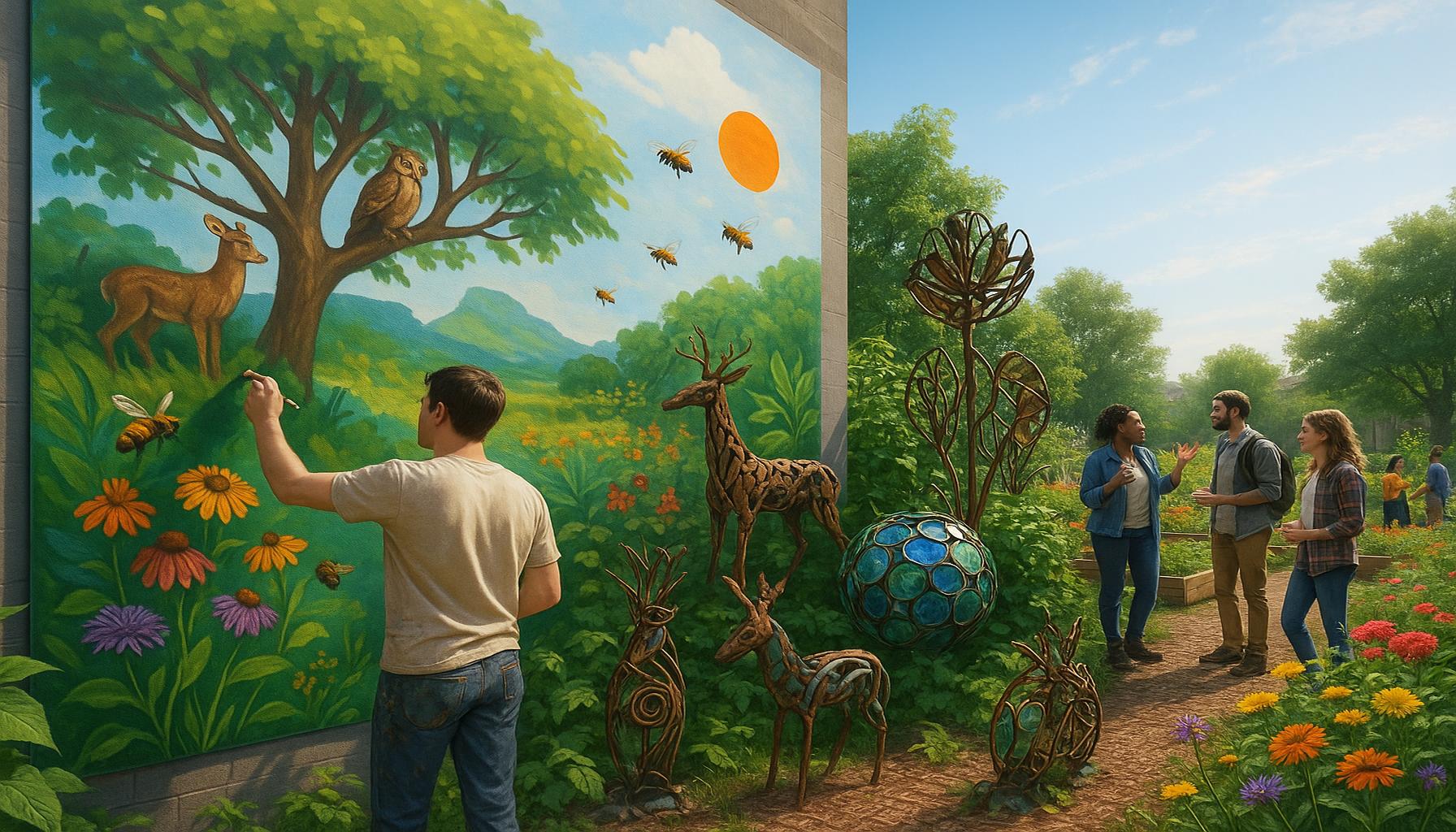
Furthermore, community engagement has emerged as a crucial aspect of contemporary artistry. Artists often partner with local residents to create eco-art that reflects the specific ecological challenges faced by their communities. Projects like the “Tree of Life” in Philadelphia involve local youth in painting vibrant murals that depict the importance of trees in urban settings. These collaborative efforts not only educate participants but also instill a sense of ownership over local environmental initiatives.
Additionally, documentary film and photography serve as vital tools for environmental storytelling. Noteworthy examples include the acclaimed documentary “Before the Flood,” which features Leonardo DiCaprio and highlights the catastrophic effects of climate change. Visual narratives like this can deeply resonate with audiences, mobilizing them towards activism and urging policymakers to prioritize sustainability.
Moreover, artists are increasingly integrating sustainable practices into their creative processes, using recycled or eco-friendly materials to send a powerful message. For instance, artist Chris Jordan’s captivating photographic series “Midway: Messages from the Gyre” illustrates the impact of plastic waste on wildlife by depicting the bodies of albatross chicks filled with plastic debris. This striking imagery aims to awaken a collective consciousness about consumer habits and encourages a shift towards sustainability.
As we delve into various case studies, it becomes clear that art has the potential to inspire meaningful change. Through its ability to resonate emotionally and foster dialogue, art invites us to reevaluate our relationship with the environment. By merging creativity with sustainability, artists pave the way toward a more conscientious future, compelling us to not only envision change but actively pursue it.
DIVE DEEPER: Click here to enhance your composition skills
Creative Solutions for Environmental Engagement
At the crossroads of artistry and environmental advocacy, innovative projects are emerging that demonstrate how creative expression can foster community engagement and raise awareness about sustainability issues. These artistic endeavors transcend traditional art forms, forging an intimate connection between culture and the environment. A diverse array of projects illustrates how art can effectively convey vital messages about conservation, climate change, and sustainable practices, thus inspiring audiences to take action.
One exemplary approach is the integration of artistic activism, where creators leverage their talents to highlight specific ecological concerns. For instance, the “Plastic: We Love You” initiative by artist and designer Daniela De Luca aims to address plastic pollution through a series of installations that expose the amounts of plastic waste produced and consumed in daily life. This project effectively uses engaging visuals to provoke critical thinking about our individual and collective contributions to the plastic crisis. By presenting daunting facts alongside captivating designs, these installations engage visitors both intellectually and emotionally.
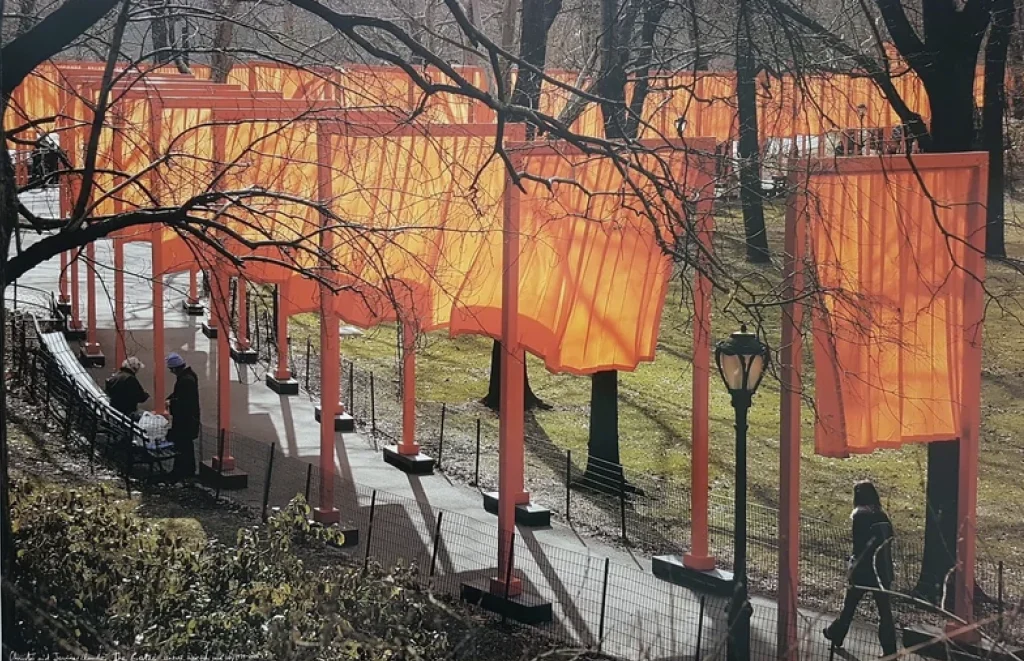
Another fascinating manifestation of this intersection is the rise of land art, which utilizes natural landscapes as canvases for artistic expression. One notable example is Robert Smithson’s “Spiral Jetty,” a monumental earthwork located in the Great Salt Lake of Utah. This large-scale artwork not only transforms the landscape but also invites viewers to contemplate humanity’s relationship with nature and the consequences of environmental disruptions. By embedding art within ecosystems, land art serves as a powerful reminder of our connection to the earth, prompting discussions surrounding land use and conservation.
To further illustrate the dynamic nature of art and sustainability collaboration, consider the following approaches that exemplify this union:
- Interactive art installations: These encourage public participation, making sustainability themes accessible and relatable. Projects like the “How Much Is Waste?” installation allow visitors to engage directly with the topic of waste management, turning passive observation into active involvement.
- Eco-friendly workshops: Artists are increasingly hosting workshops that empower individuals to create art using sustainable materials. These gatherings not only equip participants with skills but also facilitate meaningful discussions about environmental responsibility.
- Performance art: Works like those produced by The Yes Men often incorporate satire and social critique to raise awareness about environmental degradation, using humor to appeal to audiences while delivering poignant messages.
As we examine more examples across the United States, it becomes evident that art acts as a catalyst for environmental consciousness. By skillfully weaving together aesthetic value and critical social discourse, artists can motivate communities to rethink their environmental impact and envision a sustainable future. Through these efforts, the relationship between art and sustainability is not only redefined but strengthened, proving that creative expression is indeed a vital component of environmental advocacy.
| Advantage | Impact |
|---|---|
| Creative Expression | Art serves as a powerful medium to communicate complex environmental issues, making them more relatable and engaging. Through innovative installations, artists can evoke emotional responses that challenge viewers’ perceptions of sustainability. |
| Community Engagement | Artistic projects often bring communities together, fostering collaboration and collective action towards environmental awareness. These initiatives create platforms for dialogue, encouraging local involvement in sustainability efforts. |
Art has a unique ability to forge connections between people and provoke thought about critical issues such as climate change and conservation. The integration of art and sustainability not only enhances community identity but also amplifies messages regarding the importance of a sustainable future. For instance, public art installations that use recycled materials can inspire discussions about waste reduction and environmental stewardship. Furthermore, educational workshops led by artists can deepen the understanding of environmental concepts, motivating individuals to adopt sustainable practices in their everyday lives.In examining these artistic endeavors, it becomes clear that the intersection of art and sustainability is more than just a creative outlet; it is a vital force for change in contemporary society. The collaboration between artists and environmentalists can produce groundbreaking solutions and ideas that resonate widely. As such, investing in art-related sustainability projects could yield significant benefits, enriching both cultural landscapes and fostering a more environmentally conscious society.
DISCOVER MORE: Click here to dive deeper
Art as a Medium for Environmental Education
Beyond inspiring movements and fostering community engagement, art plays a pivotal role in environmental education. By acting as a conduit for disseminating knowledge about ecological issues, artistic expression can help shift paradigms and instigate behavioral changes. One innovative approach is the use of storytelling through visual arts, where artists weave narratives that reflect the realities of climate change and biodiversity loss. These narratives can provide compelling insights into the complexities of environmental issues, making them more relatable to diverse audiences.
For example, the project “The Great American Dust Bowl” by photographer Janelle Lynch stands out as an evocative portrayal of the impacts of drought and unsustainable farming practices on the landscape. Her photographs not only document the beauty of the affected areas but also illuminate the stark transformations brought forth by climate change. By using evocative imagery, Lynch invites viewers to engage with the topic on a personal level, fostering a deeper understanding of environmental degradation and the urgent need for sustainable practices.
Moreover, artistic projects that incorporate science and technology are gaining traction, bringing an interdisciplinary approach to environmental awareness. Artists are teaming up with scientists to create works that highlight pressing ecological challenges. For instance, the “EcoArt” movement includes artworks that visualize climate data, enabling audiences to grasp statistical trends in an accessible format. Projects like “The Climate Clock,” which visually depicts the time left to halt climate change effects, merge art, science, and design to motivate people to act promptly and responsibly.
Additionally, community-driven art initiatives harness local knowledge and experience to address specific sustainability challenges. For example, the “Urban Eco-Market” series in various U.S. cities encourages artists to collaborate with local gardeners and eco-activists to produce artwork from recycled materials. These projects not only beautify urban environments but also instill a sense of ownership in community members regarding local sustainability efforts. By showcasing what can be accomplished through a collaborative spirit, these initiatives emphasize that art can play a powerful role in grassroots movements.
Art also thrives in its capacity to amplify marginalized voices, shedding light on environmental injustices. Initiatives like “The Black Environmental Collective” use art to advocate for the inclusion of Black and Indigenous perspectives in environmental conversations. Through performance, murals, and community installations, they articulate the unique challenges faced by these communities and position their narratives within broader environmental discourses. By recognizing and uplifting these voices, the projects contribute to a more equitable approach to environmental advocacy.
As we explore the many dimensions of art’s role in sustainability, it becomes clear that artistic projects function in multifaceted ways. Whether through visual arts, storytelling, community collaboration, or advocacy, artists are proving that they can be powerful agents of change, effectively merging the worlds of creativity and environmental stewardship to inspire action and awareness about critical ecological issues.
DISCOVER MORE: Click here for innovative DIY solutions
Conclusion: The Transformative Power of Art in Promoting Sustainability
In a world where environmental challenges loom large, the intersection of art and sustainability provides a beacon of hope and creative expression. Artistic projects serve not only as vibrant reflections of our ecological realities but also as catalysts for environmental awareness and action. The ability of art to communicate complex narratives about climate change, loss of biodiversity, and social inequities positions it uniquely within the broader conversation about sustainability.
Through storytelling, visual impact, community collaboration, and amplification of marginalized voices, art has proven to be a powerful medium for educating and engaging diverse audiences. Initiatives like “The Black Environmental Collective” and collaborative projects such as the “Urban Eco-Market” illustrate how art can foster community resilience while highlighting environmental injustices that must be addressed. Furthermore, the integration of science and data within artistic expressions, as seen in projects like “The Climate Clock,” enhances public understanding of pressing ecological issues and ignites a sense of urgency for change.
As we actively support and engage with artistic endeavors that champion sustainability, we are reminded of the critical role creativity plays in shaping perceptions and mobilizing communities toward a more sustainable future. The relationship between art and environmental awareness is not only transformative but also essential in prompting individuals to rethink their roles within their ecosystems. By investing in and exploring the vibrant landscape of art-driven sustainability projects, we can harness this creativity to inspire collective action, advocate for change, and elevate the dialogue around environmental stewardship.
In embracing the profound insights that art offers, we invite individuals and communities alike to explore this dynamic intersection, ultimately fostering a more sustainable world shaped by creativity, compassion, and collaboration.