The Influence of Art on Mental Health: How Artistic Pursuits Help Reduce Stress
Exploring the Connection Between Art and Mental Wellness
In a world where stress has become a common companion, the solace of artistic expression emerges as a powerful antidote. Studies reveal that engaging in artistic pursuits not only fosters creativity but also plays a vital role in enhancing mental health. This connection between art and emotional well-being is a growing area of interest, highlighting significant benefits that demand attention.
Consider the following points that underscore the importance of art in stress reduction:
- Therapeutic Expression: Art provides an outlet for emotions, allowing individuals to explore feelings that may otherwise remain unspoken. For instance, a person navigating grief may find comfort in painting or writing poetry, serving as a medium to express and process their loss. Research has shown that such creative outlets can result in decreased levels of anxiety and depression, promoting a sense of healing through creativity.
- Mindfulness Opportunities: Engaging in artistic activities like painting, sculpting, or even adult coloring books enhances focus and encourages present-moment awareness. This mindful engagement helps distract individuals from stressors, creating a meditative state that fosters relaxation. A study published in the journal Art Therapy found that participants who spent time creating art reported lower levels of cortisol, the hormone associated with stress.
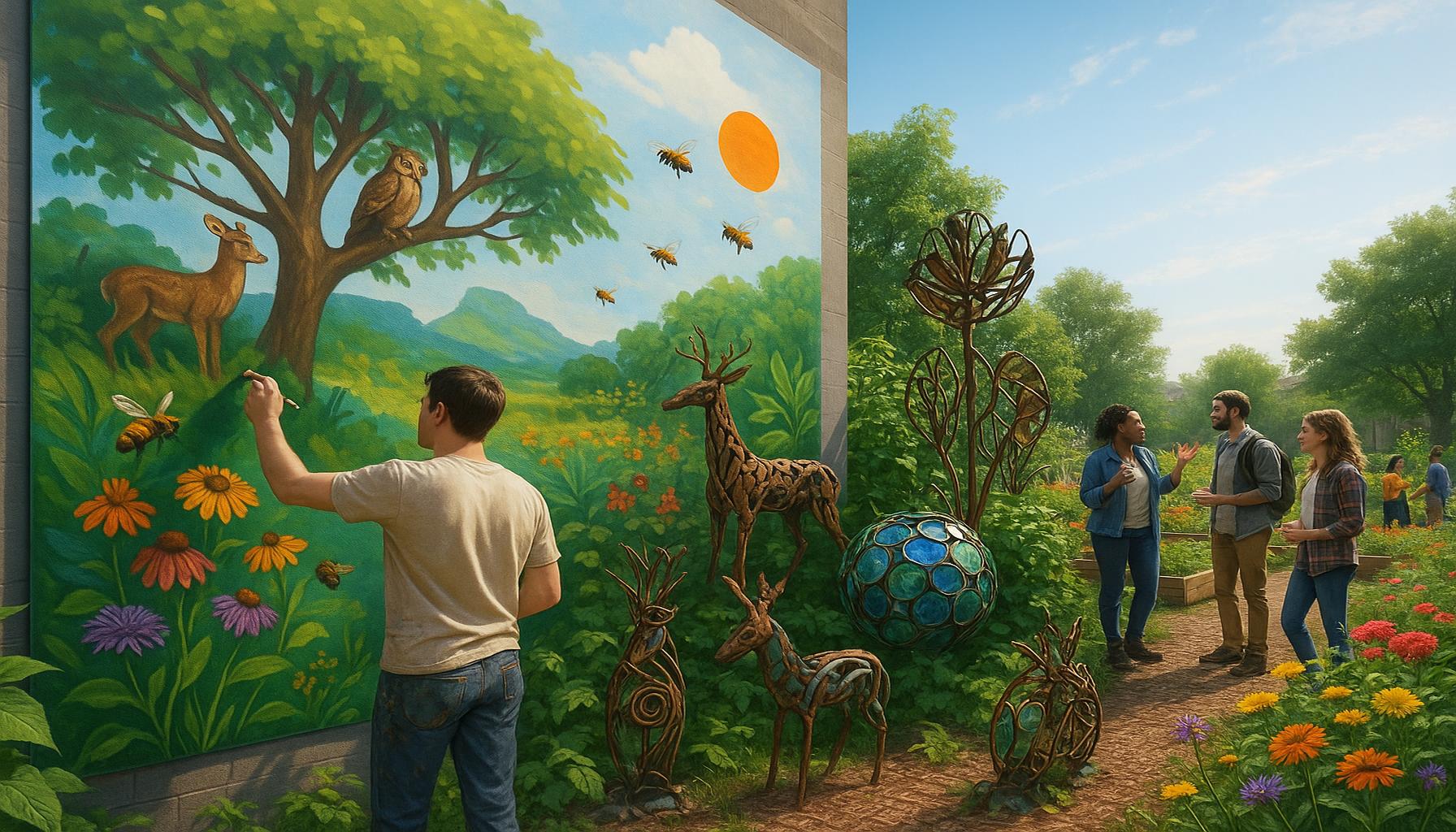
- Community Connection: Group art projects, such as mural-making or community art classes, not only yield beautiful outcomes but also foster connections among individuals. These shared creative experiences help combat feelings of isolation and loneliness, which can be particularly prevalent in urban environments. Programs like Creative Aging, which brings arts into nursing homes, demonstrate how collaboration can generate social bonds and enrich the lives of participants.
Furthermore, various art forms have been shown to have differing impacts on mental health. For example, music therapy utilizes sound and rhythm to address emotional challenges, often employed in settings like hospitals to uplift spirits during recovery. Similarly, dancing, which combines physical movement with creative expression, has been linked to increased endorphin production, leading to enhanced mood and reduced feelings of anxiety.
As individuals increasingly seek alternative methods to cope with daily pressures, the intersection of art and mental health continues to gain momentum. Mental health organizations across the United States are recognizing this, with many integrating artistic therapies into their treatment plans. For instance, the National Alliance on Mental Illness (NAMI) promotes creativity as a cornerstone of resilience and recovery.
Understanding how artistic endeavors can alleviate stress and promote emotional resilience invites further exploration into this vibrant relationship. As people delve deeper into the healing power of creativity, they may discover new avenues for personal growth and well-being. Whether it’s through painting a canvas, picking up an instrument, or participating in a dance class, the possibilities are endless. What might you discover about the transformative nature of art in your own life?
DISCOVER MORE: Click here to uncover exciting DIY gardening innovations
The Art of Healing: How Creative Expression Benefits Mental Health
Artistic expression serves as more than mere entertainment; it acts as a profound means of self-discovery and emotional processing. Creative activities such as painting, writing, and music have been shown to not only figure out the landscape of our interior worlds but also to forge pathways toward improved mental health. As society grapples with rising levels of stress, the therapeutic power of art becomes increasingly vital. Numerous studies and anecdotal evidence illustrate just how effectively engaging with art can contribute to stress relief.
One primary mechanism through which art promotes mental health is its ability to facilitate emotional expression. Many individuals struggle to articulate their emotions verbally, leading to an internal buildup that can manifest as anxiety or depression. Artistic pursuits offer an alternative. For example, a 2021 study published in the Journal of Health Psychology found that individuals who engaged in painting as a form of therapy experienced a significant reduction in feelings of distress. The act of creating art can yield a sense of catharsis, allowing thoughts and feelings that may seem too overwhelming to confront directly to be expressed through color, form, and imagery.
Moreover, artistic endeavors can enhance overall cognitive function, which is intrinsically linked to emotional resilience. The process of creating involves critical thinking and problem-solving—skills that can be sharpened through artistic engagement. Participating in creative activities has been associated with increased cognitive flexibility, which allows individuals to better adapt to changing situations and manage stressors more effectively. For instance, research from the American Psychological Association found that learning a musical instrument can improve both memory and attention span, which can alleviate feelings of being overwhelmed.
In addition to individual benefits, art can serve as a powerful tool for fostering community connections. When people come together for collective art projects, they experience not only the joy of creation but also the forging of bonds that diminish feelings of loneliness. Programs like local art fairs or community theater productions help build social networks, enhancing emotional support systems. A sense of belonging has been extensively documented as essential for mental health, providing a buffer against stress. Engaging with fellow artists can establish a nurturing environment in which individuals feel valued and understood.
Below are several ways in which artistic engagement can promote mental wellness:
- Creative Therapy: Various forms of artistic therapy, such as music therapy and art therapy, have been integrated into clinical settings, demonstrating significant improvements in participants’ overall mood and stress levels.
- Self-Exploration: Art can serve as a mirror, enabling individuals to reflect upon their emotions, leading to insights that foster personal growth and healing.
- Mindfulness Practices: Engaging in art encourages a state of flow where the mind can focus intently on the task at hand, which is akin to meditative practices that reduce stress.
As this connection between art and mental health deepens, it urges society to consider integrating creative opportunities into daily routines. Whether through participating in art classes or simply setting aside quiet time to paint or play music, the possibilities are endless. Art is not merely a pastime; it is a viable pathway to enhanced mental well-being. The question remains—how can we embrace the transformative potential of art in our lives?
The Influence of Art on Mental Health: How Artistic Pursuits Help Reduce Stress
Artistic pursuits have long been recognized as powerful tools for enhancing mental well-being. Engaging in creative activities such as painting, sculpting, or writing not only allows individuals to express themselves but also serves as a vital mechanism for stress relief. When one immerses themselves in artistic creation, it encourages a state of flow, a psychological concept defined by being fully absorbed in an activity. This engagement can lead to a significant reduction in anxiety, as individuals escape the pressures of daily life and connect with their inner thoughts and emotions.Moreover, studies have shown that artistic activities can stimulate the release of dopamine, often referred to as the ‘feel-good’ neurotransmitter, which contributes to feelings of happiness and satisfaction. For example, a study published in the journal *Psychological Science* found that creating art can alleviate symptoms of depression and foster a sense of purpose. This effect isn’t limited to experienced artists; even casual engagement with art can produce beneficial outcomes, making it accessible for all.In addition to relieving stress, artistic pursuits can enhance cognitive abilities. Activities such as drawing or crafting require focus and concentration, which can improve problem-solving skills and cognitive flexibility. As individuals engage in these creative practices, they often find clarity in their thoughts, leading to improved emotional regulation. This heightened awareness of one’s emotional state fosters resilience, making it easier to cope with stressors in everyday life.Furthermore, joining community art projects or classes fosters social connections, mitigating feelings of isolation. The sense of belonging that comes from sharing creative experiences can greatly enhance one’s mood and outlook on life. Art becomes a means of communication beyond words, enabling individuals to forge deeper connections with others.As we delve deeper into the relationship between art and mental health, it becomes clear that the therapeutic benefits of artistic expression cannot be underestimated. The various forms of art as essential outlets for emotional expression highlight the importance of integrating creative practices into our daily routines.
| Category | Benefits of Artistic Pursuits |
|---|---|
| Emotional Expression | Art allows individuals to express and process their emotions effectively. |
| Cognitive Enhancement | Engagement in art improves problem-solving skills and cognitive flexibility. |
| Social Connection | Participating in group art activities fosters a sense of community and belonging. |
| Stress Relief | Creating art triggers the release of ‘feel-good’ neurotransmitters, reducing stress and anxiety. |
This exploration highlights the multifaceted ways in which artistic endeavors can profoundly impact mental health. Embracing creativity, whether through painting, writing, or performing, can be a transformative experience, inviting individuals to not only manage their stress but also to thrive in their emotional journeys.
DISCOVER MORE: Click here to learn about local traditions
Art as a Catalyst for Personal Empowerment and Social Change
Beyond the personal benefits of artistic expression, art holds the potential to act as a vehicle for empowerment and even drive social change. For individuals grappling with mental health challenges, engaging in artistic pursuits can serve as a means to reclaim one’s narrative. By creating art that reflects personal experiences, individuals can challenge preconceived notions and stigmas about mental health. Projects that take the form of visual exhibitions or public performances often provide a platform for dialogue, sparking discussions that foster understanding and empathy. A notable example is the “This Is My Brave” project, which showcases personal stories through various art forms, helping participants and audiences alike confront mental health issues in a supportive environment.
Moreover, art can cultivate a sense of agency—a critical factor in mental well-being. When individuals create, they take ownership of their expression, which can enhance feelings of self-worth and confidence. In a 2019 study published in The Arts in Psychotherapy, participants in creative writing workshops reported increased self-esteem and reduced symptoms of anxiety after sharing their written work publicly. This act of sharing, coupled with artistic creation, can often be a turning point for individuals feeling lost or marginalized.
Another fascinating aspect of how art influences mental health lies in its connection to cultural identity. Engaging in culturally significant art forms—whether through dance, storytelling, or traditional crafts—can strengthen an individual’s connection to their heritage and community. Celebrating one’s culture through artistic expression can foster resilience and serve as a buffer against stress. In many communities, indigenous art forms have been utilized as a healing practice, enabling members to connect with their roots and promote healing from trauma.
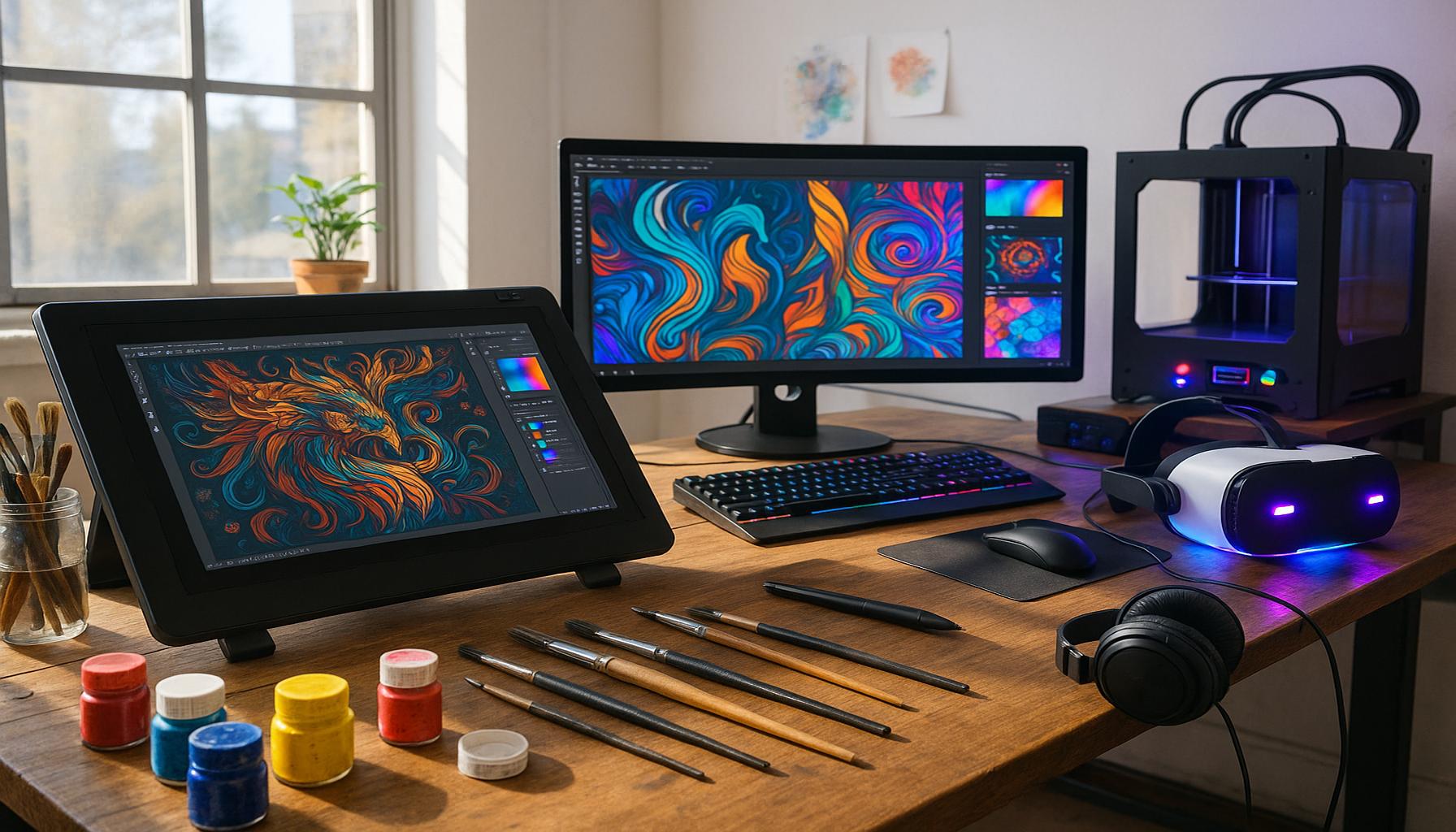
Furthermore, the role of technology in contemporary art cannot be overlooked when discussing its mental health benefits. The rise of social media platforms has enabled creatives to share their work with wider audiences, creating virtual spaces that nurture artistic exploration. Online art communities often provide support networks, where individuals can access encouragement and feedback while sharing their creative processes. This aspect of community-building not only mitigates feelings of isolation but also extends the reach of art as a tool for processing emotions and reducing stress. Additionally, engaging with digital mediums has been shown to aid in emotional regulation; for instance, using apps for digital painting or music composition allows for exploration without the constraints that traditional art forms might impose.
Art education also plays a crucial role in mental health promotion. Schools and community centers that incorporate art programs are witnessing increased levels of student engagement and improved emotional wellness. Research from the National Endowment for the Arts reveals that students involved in arts education report lower rates of anxiety and higher self-reported happiness. By making art a staple within educational curricula, we can cultivate a generation that prioritizes mental health through creative expression.
While the beneficial effects of art on mental health are clear, barriers to access, such as socioeconomic factors and geographical location, must also be addressed. Ensuring that all individuals have access to artistic resources and opportunities is vital for maximizing the positive impacts of art on mental well-being.
DISCOVER MORE: Click here to transform your wardrobe
Conclusion: The Transformative Power of Art on Mental Health
In summary, the relationship between art and mental health is profound and multifaceted. As explored, artistic pursuits not only serve as a personal sanctuary for expression but also transform into vehicles of empowerment and social change. Through the creation of art, individuals reclaim their narratives, challenge mental health stigmas, and foster communal dialogue that enhances understanding and empathy.
The sense of agency gained from artistic expression plays a pivotal role in enhancing self-esteem and reducing anxiety. Furthermore, cultural engagement through art fortifies connections to community and heritage, offering resilience against stress and trauma. With the aid of technology, artists can now find support and inspiration in online platforms, breaking down barriers of isolation and expanding their creative horizons.
Equally important is the role of arts education, which is clearly linked to improved emotional wellness among students. By integrating art into curricula, we equip future generations with tools for managing challenges and prioritizing mental health. Nonetheless, it is crucial to address the barriers that prevent access to artistic resources, ensuring that diverse communities can harness the benefits of art regardless of socioeconomic status.
Ultimately, the undeniable influence of art on mental health invites further exploration and investment. As we continue to witness the intersection of creativity and psychological well-being, nurturing the arts may prove essential in promoting mental health awareness and resilience in society. The possibilities for healing through art are endless, making it a vital part of our collective journey toward emotional wellness and understanding.