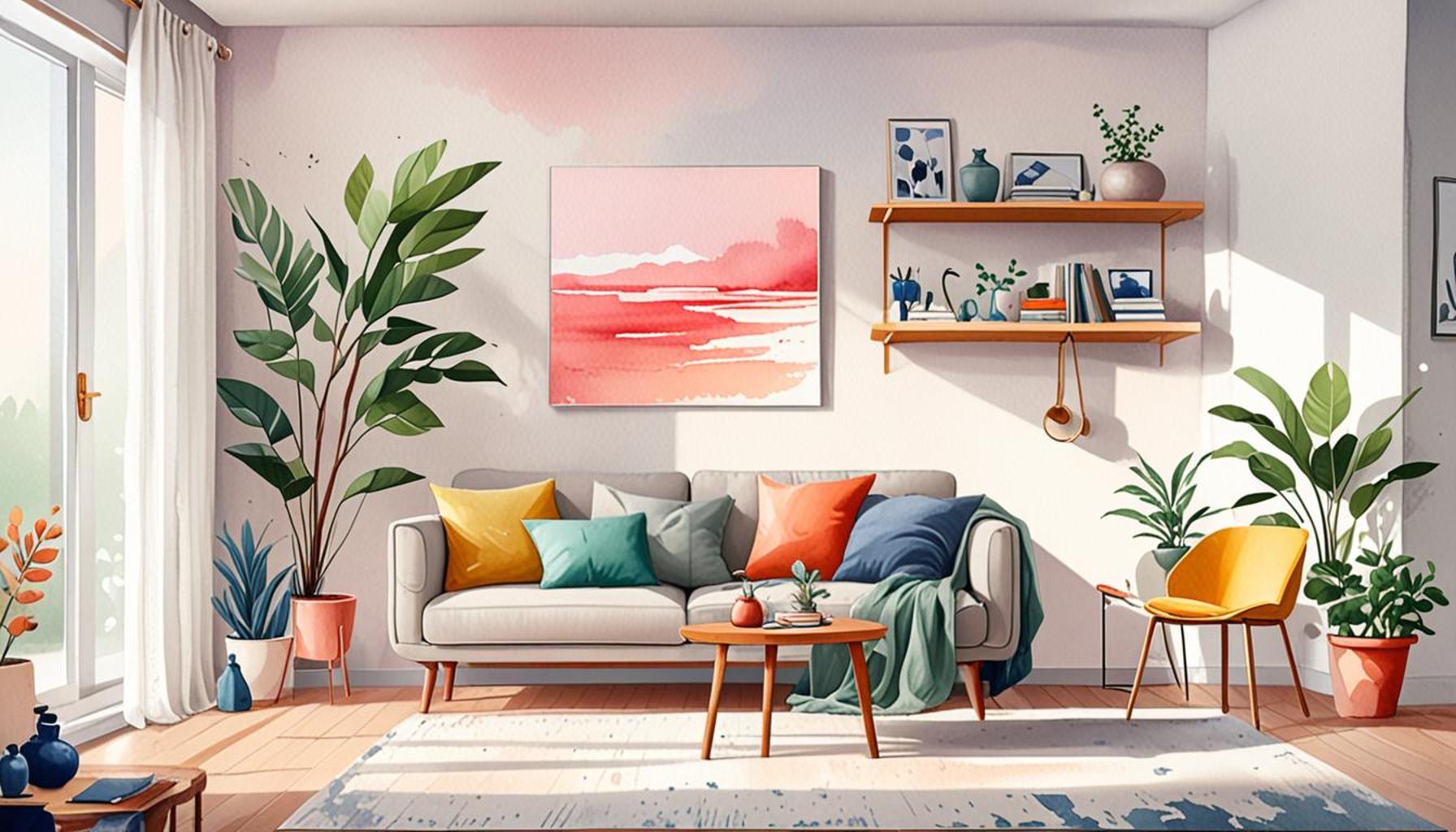
The importance of Design Simplicity in creating minimalist and functional spaces
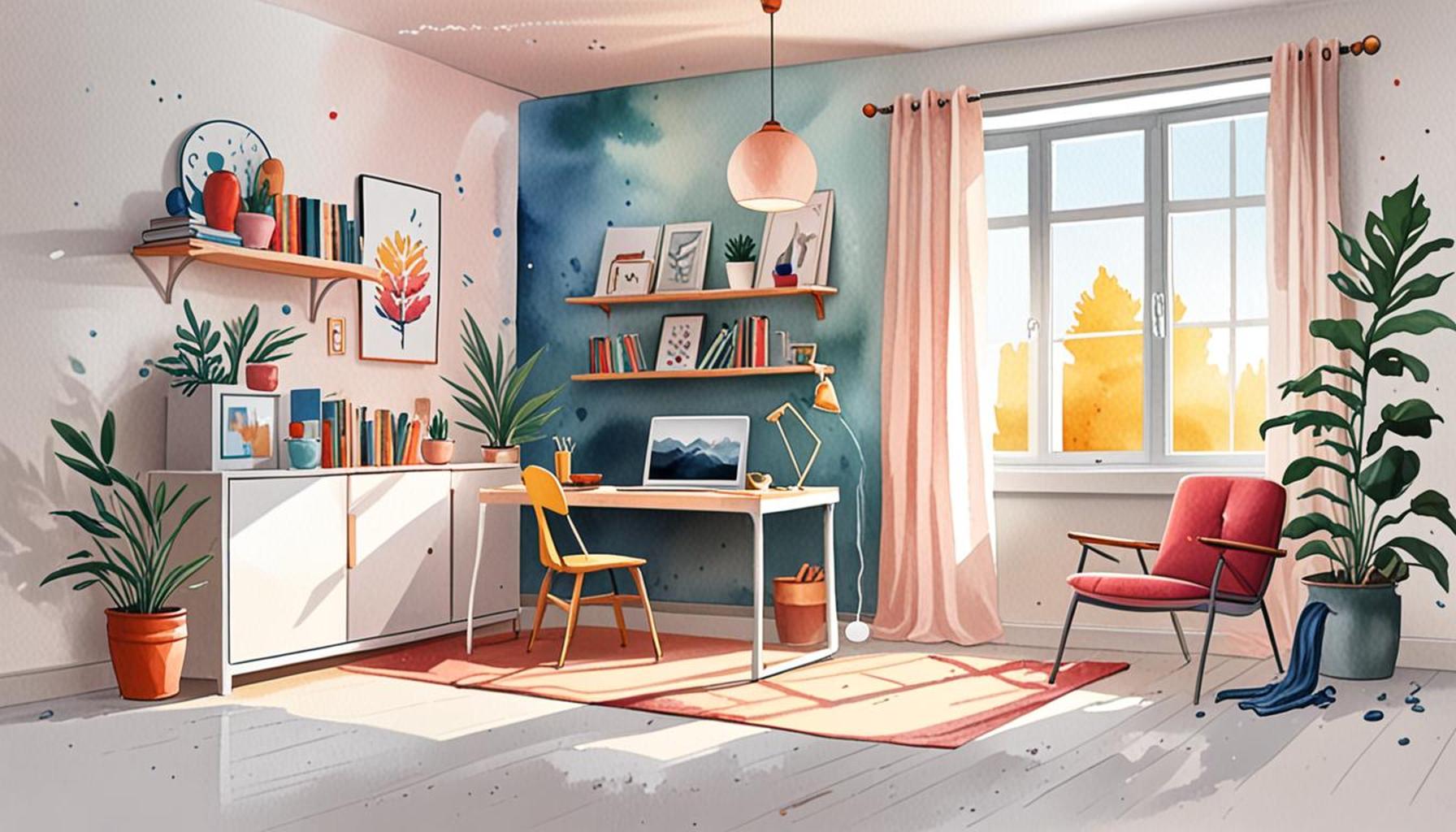
Exploring the Essence of Design Simplicity
In a world overflowing with distractions and clutter, the concept of design simplicity emerges as a sanctuary for our minds and lives. The philosophy of minimalism transcends mere aesthetic appeal; it emphasizes the importance of functionality over excess, leading to spaces that nurture both the body and mind. By stripping environments down to their essential elements, designers can cultivate areas that not only resonate visually but also promote clarity and tranquility, making them increasingly relevant in our fast-paced lives.
Key Features of Design Simplicity
- Functional furniture: Each piece serves a purpose without unnecessary embellishments. For instance, a well-designed chair may feature clean lines and ergonomic shapes that enhance comfort while maintaining a stylish form. Think of furniture like the iconic Eames chair, which combines aesthetics with usability—demonstrating that simplicity doesn’t mean sacrificing style.
- Neutral color palettes: Soft tones create a calming atmosphere, fostering relaxation. Shades such as soft whites, creams, or gentle pastels can be employed to unify a space, providing a serene backdrop that allows other elements to shine without overwhelming the senses. The integration of natural light further complements these palettes, enriching the surroundings.
- Open spaces: An uncluttered layout facilitates movement and enhances focus. Open floor plans, frequently embraced in modern homes, allow for fluidity in living areas, encouraging social interaction and a sense of spaciousness. For instance, a minimalistic kitchen might feature an island that serves multiple functions—cooking, dining, and gathering—enhancing both practicality and social cohesion.
The benefits of minimalist design are numerous and profound. They can lead to enhanced productivity, as fewer distractions allow for greater concentration on tasks at hand. Studies have shown that individuals working in simplified environments report lower levels of stress and anxiety, contributing to improved overall well-being. As urban living spaces become increasingly compact, Americans are recognizing the value of functional living environments that foster a sense of peace amidst their hectic lives.
As you delve deeper into the world of design simplicity, consider how these principles can transform not just homes but also workplaces, cafes, and public spaces. For instance, coffee shops that embrace minimalist interiors often create a comforting atmosphere for patrons, encouraging relaxation and focus on conversation or work. The journey toward creating minimalist and functional environments invites us to rethink how we inhabit our spaces and redefine what it means to live simply, ultimately allowing us to cultivate a lifestyle that is both fulfilling and enriching.
DISCOVER MORE: Click here to enhance your organization skills
Unveiling the Benefits of Minimalist Design
The quest for design simplicity has become a pivotal factor in crafting spaces that not only look beautiful but also foster functionality. In today’s society, where the clutter of modern life can often feel overwhelming, embracing minimalism can lead to a more intentional and fulfilling way of living. Understanding the significance of this design philosophy is essential for homeowners, interior designers, and even business owners who wish to create environments that are both aesthetically pleasing and profoundly functional.
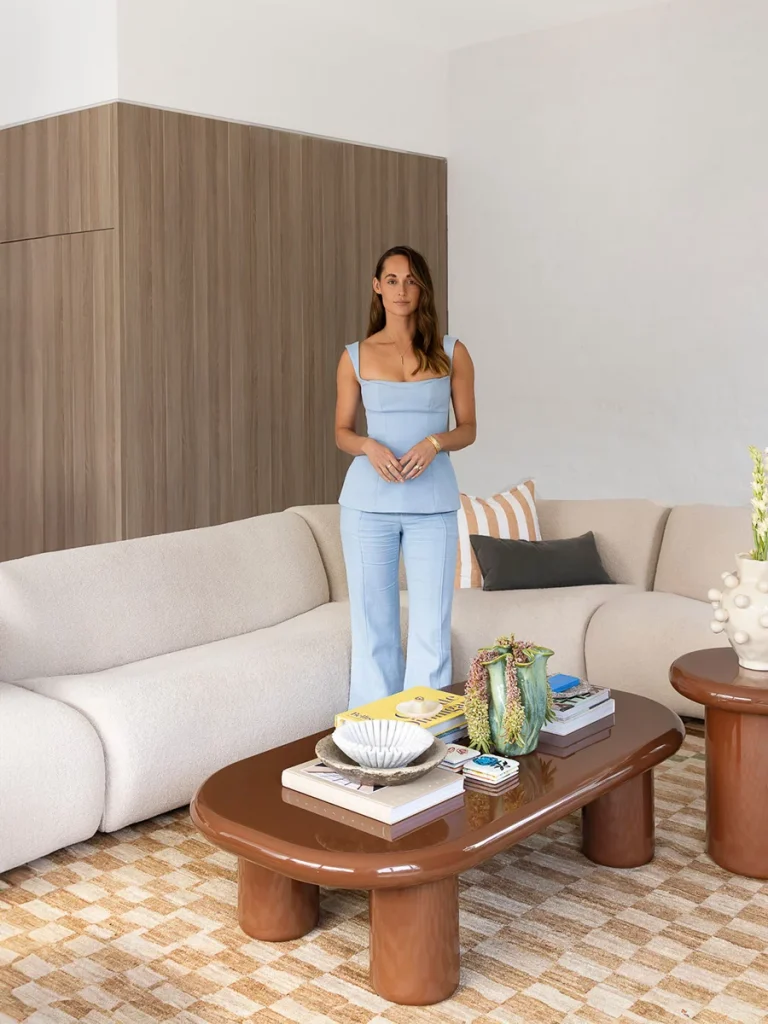
The Psychological Impact of Simplicity
One of the most compelling aspects of design simplicity lies in its psychological effects. Numerous studies have indicated that individuals immersed in minimalist environments experience lower stress levels and higher overall satisfaction with their surroundings. By minimizing visual chaos, these spaces allow for improved focus and mental clarity. For many, the act of decluttering goes beyond mere aesthetics—it’s about creating a serene mental landscape that echoes physical simplicity.
Functional Spaces Create Room for Connection
Minimalism encourages the creation of open, inviting spaces that promote connection and interaction. Below are various features that contribute to a functional and engaging environment:
- Versatile Use of Space: Multi-functional rooms cater to diverse needs without the requirement for excess furniture. A well-designed room can seamlessly transition from a serene workspace to a cozy lounge area, empowering individuals to make the most of their environment.
- Smart Storage Solutions: Minimizing visible clutter often requires innovative storage ideas. Creative cabinetry, under-bed storage, and built-in closets can help keep belongings organized without compromising on design aesthetics.
- Thoughtful Layout: A simplistic layout enhances flow and movement throughout the space. Incorporating movable partitions or collapsible furniture can allow residents flexibility, accommodating both solitude and social gatherings.
In addition to fostering interpersonal connections, minimalist designs promote sustainability. By prioritizing quality over quantity, homeowners and designers can select durable materials, reducing waste and lowering their carbon footprint. This approach aligns with a growing trend towards sustainability, where a simple design can invite environmental responsibility while offering timeless elegance.
As the interest in minimalism continues to gain traction across the United States, it becomes increasingly evident that design simplicity is not just a fleeting trend. Rather, it is a powerful tool for the modern age—an antidote to fast-paced living that reminds us to cherish both our environments and our well-being. Exploring the depths of minimalist design principles invites us to reconsider not only how we inhabit our spaces but also how we lead our lives.
The Importance of Design Simplicity in Creating Minimalist and Functional Spaces
In the realm of interior design, the concept of design simplicity has become increasingly crucial, especially as modern lifestyles evolve towards minimalism. A well-executed simple design facilitates not only an aesthetically pleasing space but also enhances functionality. By focusing on essential elements, designers can create environments that promote calmness and clarity, allowing inhabitants to truly enjoy their surroundings.
Minimalist spaces often eliminate distractions, creating a sense of peace and allowing individuals to concentrate on what truly matters. This approach also opens the door for efficient use of space, enabling individuals to maximize the functionality of smaller areas. For instance, multifunctional furniture serves as a prime example of how simplicity can lead to practicality; items like a sofa bed or a storage ottoman are designed for dual purposes without compromising on style.
| Advantages | Key Features |
|---|---|
| Enhanced Focus | Simplicity reduces visual clutter, allowing for better concentration. |
| Efficient Use of Space | Multi-functional furniture and open layouts promote versatility in smaller areas. |
This coherent approach serves to unify various elements within a space, promoting a cohesive aesthetic that resonates tranquility. Furthermore, the association between simplicity and high-quality materials often leads to more durable interior solutions. Utilizing fewer but superior materials can significantly reduce maintenance efforts and improve the overall longevity of a design.
As a growing trend, this emphasis on simplicity doesn’t just cater to appearances; it also speaks to the lifestyle choices of contemporary homeowners who favor experiences over material possessions. By embracing design simplicity, spaces evolve into functional sanctuaries that reflect personal values while enhancing everyday living.
DON’T MISS OUT: Click here to enhance your time management skills
Enhancing Everyday Life through Thoughtful Design
Design simplicity transcends mere aesthetics; it intricately weaves itself into the everyday lives of individuals, enriching their experience and providing unparalleled functionality. The minimalist approach encourages not only a visually appealing environment but also positions practicality at the forefront, elevating everyday living. Here’s how thoughtful design choices can shape spaces into harmonious havens, promoting both comfort and utility.
The Role of Light in Minimalist Spaces
One of the cornerstones of minimalist design is the effective use of natural and artificial light. A well-lit space can dramatically transform the perception and functionality of any environment. Natural light, for instance, invites warmth and a sense of openness, making rooms feel larger and more inviting. Design elements such as large windows, skylights, and strategically placed mirrors can amplify this effect.
Moreover, lighting fixtures in minimalist designs tend to be unobtrusive yet elegant. The integration of ambient, task, and accent lighting serves to enhance both practicality and mood. For example, recessed lighting can maintain a streamlined appearance while providing adequate illumination for various tasks, from reading to cooking. When thoughtfully designed, lighting transcends its functional role, becoming a sculptural component that contributes to the overall aesthetic of the space.
Materials Matter: Selecting Purposeful Finishes
Minimalism often highlights the beauty of natural and sustainable materials. Selecting elements such as reclaimed wood, bamboo, or stone not only connects the space to nature but also provides durability and timeless charm. These materials tell a story and encourage mindfulness about consumption—highlighting a conscious choice to prioritize quality over quantity.
Furthermore, the integration of texture can add depth to a minimalist design without cluttering the space. For instance, combining a sleek metal with rustic wood or soft textiles achieves a balance that invites tactile interest, stimulating a sensory experience. This mindful selection leads to harmonious design, emphasizing that every element has a purposeful role in enhancing the minimalist ethos.
Fostering Personal Expression Within Simplicity
Contrary to popular belief, embracing design simplicity does not necessitate sacrificing personality or style. In fact, minimalist design can serve as a canvas upon which personal expression flourishes. The careful curation of a few impactful décor pieces—such as a bold artwork, statement furniture, or unique plants—can leave a lasting impression without overwhelming the senses.
This philosophy encourages individuals to be selective about what they incorporate into their spaces. By focusing on quality and significance, homeowners can curate environments that resonate with their identity while maintaining the tranquil essence of minimalism. For instance, a single oversized painting or a striking sculpture can act as a focal point, elevating the room’s character while still adhering to clean lines and simplicity.
Technology Integration in Minimalist Spaces
In an era where technological advancements play a crucial role in daily life, seamless integration of technology into minimalist designs has emerged as a necessity. Smart home devices that blend into the décor can enhance convenience without disrupting the aesthetic. For instance, integrated sound systems, hidden outlets, and automated lighting systems allow homeowners to enjoy modern conveniences while maintaining the uncluttered feel characteristic of minimalism.
As technology continues to evolve, minimalist design philosophies will likely adapt, emphasizing the importance of functionality while ensuring that advanced features enhance rather than detract from a simple aesthetic. By making technology a cohesive part of the environment, designers can create spaces that are responsive to the needs and behaviors of their users.
In essence, the importance of design simplicity in creating minimalist and functional spaces lies in its ability to foster serenity, enhance everyday life, and encourage thoughtful engagement with one’s environment. By appreciating the delicate balance between form and function, individuals can cultivate spaces that not only please the eye but also nourish the soul.
DISCOVER MORE: Click here
Embracing Design Simplicity for Enhanced Living
In conclusion, the significance of design simplicity in crafting minimalist and functional spaces cannot be overstated. It transforms environments into serene sanctuaries, meticulously balancing aesthetics with practicality. By harnessing elements such as natural light, sustainable materials, and thoughtful décor, designers create spaces that resonate deeply with occupants, elevating their everyday experiences.
As we navigate a fast-paced, often cluttered world, minimalist design principles encourage a re-evaluation of what we truly need and value. The careful selection of materials not only enriches the visual narrative of a space but also fosters a sustainable mindset. Moreover, the integration of technology into minimalism complements functionality without compromising harmony, ensuring contemporary conveniences seamlessly meld with classic design.
Ultimately, the journey towards minimalism invites individuals to embrace personal expression within an uncluttered framework. It empowers homeowners to curate their spaces thoughtfully, emphasizing quality over quantity and allowing meaningful details to shine through. As more people seek the tranquility and clarity that come with simplicity, the conversation around design simplicity will undoubtedly continue to evolve, influencing not just architecture and interiors, but lifestyles as well.
By prioritizing minimalism, we can cultivate environments that not only reflect who we are but also nourish our well-being, making a compelling case for the enduring appeal of simplicity in design.