The Impact of Music Festivals on the Community and Collective Creativity
The Transformative Power of Music Festivals
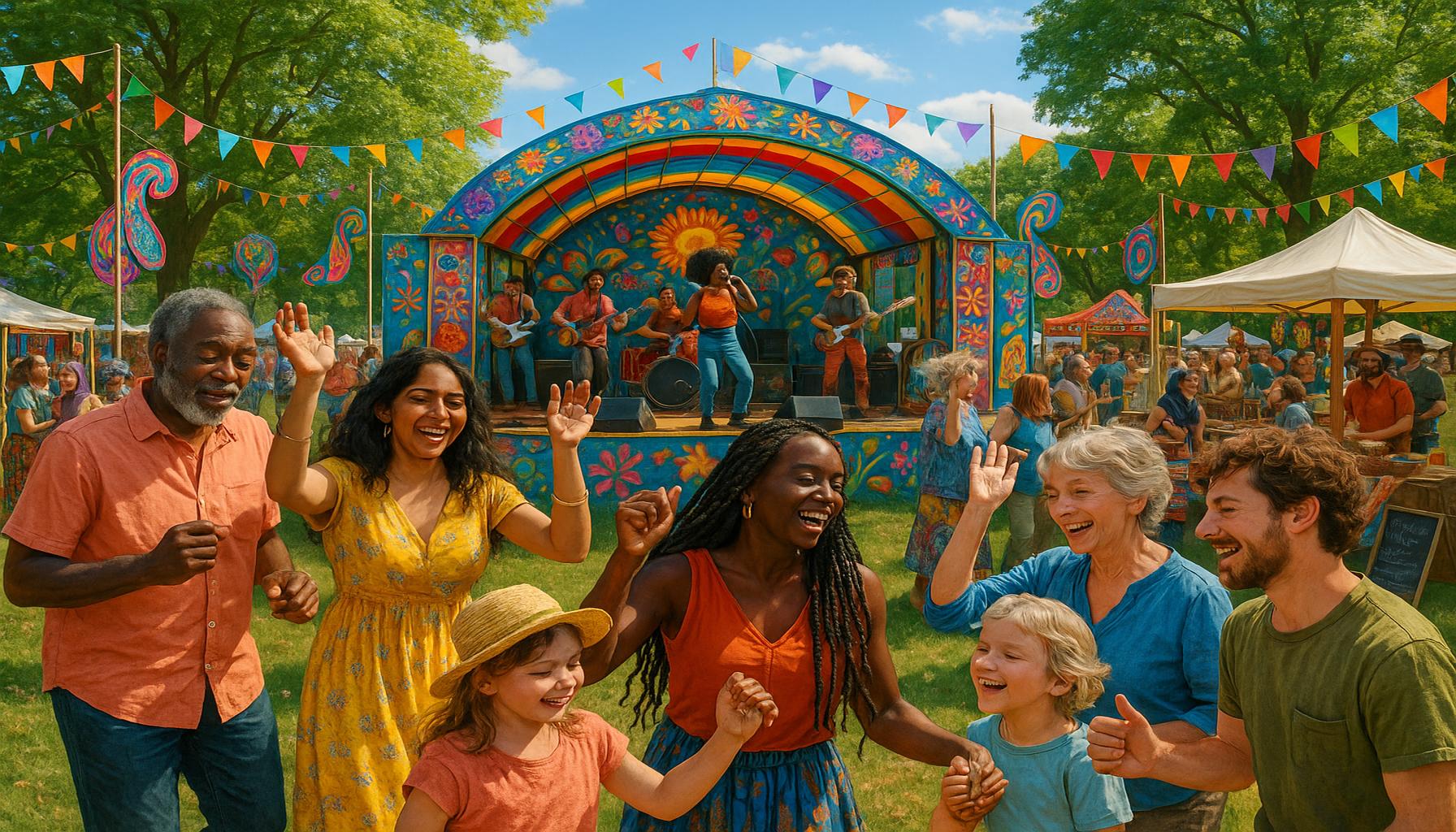
Music festivals are more than just entertainment; they are vibrant gatherings that have the potential to enact profound changes within local communities, serving as a catalyst for collective creativity. Events such as New Orleans’ Jazz Fest, which celebrates the city’s rich cultural heritage, and the sprawling Coachella Valley Music and Arts Festival in California showcase the unique tapestry of American musical expression. These gatherings create multifunctional spaces where artists, audiences, and local businesses come together, allowing for a collective experience steeped in rhythm, energy, and innovation.
When communities unite at a music festival, a myriad of benefits emerge, enhancing both the local economy and cultural landscape:
- Economic Boost: Music festivals can bring significant tourism to an area, often attracting thousands of attendees who dine, stay, and shop in the community. For instance, a study on the economic impact of the Bonnaroo Music Festival in Tennessee found that the event generates millions in revenue for local businesses, benefiting hotels, restaurants, and retail shops.
- Cultural Exchange: These festivals provide opportunities for cultural fusion by presenting diverse musical genres and traditions. For example, South by Southwest (SXSW) in Austin, Texas, features artists from various countries and genres, encouraging collaboration and learning among musicians and fans alike.
- Social Connections: By strengthening relationships among community members and newcomers, festivals cultivate a sense of belonging and shared experience. Attendees often form lasting friendships, creating a communal atmosphere that extends beyond the event.
Local artists often take center stage at these festivals, sharing the spotlight with more established acts. This focus on local creativity not only promotes pride within the community but provides a platform for emerging talent to gain exposure. For instance, at the Newport Folk Festival, many local musicians have the chance to perform, leading to collaborations and networking that may otherwise be unavailable.
Moreover, music festivals foster an environment ripe for spontaneous collaboration. Surprise performances, pop-up jam sessions, and improvised collaborations among artists from different backgrounds can lead to awe-inspiring musical moments that capture the essence of creativity. This unpredictable nature of live music invites innovation and exploration, offering audiences a distinctly memorable experience.
As we delve deeper into the impact of these events, it becomes clear that music festivals do more than entertain; they reshape the very fabric of the communities that host them. Stay tuned as we uncover the intricate ways in which music festivals forge connections, inspire collaboration, and ignite creativity in the hearts of participants.

DISCOVER: Click here to learn how music can change your life
Fostering Economic Growth and Cultural Vitality
One of the most tangible impacts of music festivals on communities is their ability to create a substantial economic boost. These events draw attendees from far and wide, transforming serene towns into buzzing centers of activity, often leading to a significant uptick in local tourism. In 2019, for example, the Essence Festival in New Orleans generated approximately $300 million for the city’s economy, underscoring the profound influence such gatherings can have on local financial ecosystems. Local businesses, from hotels and restaurants to artisanal shops, thrive during festival weekends, providing a much-needed lifeline for many entrepreneurs.
But it’s not just about tourism; music festivals play an essential role in enhancing the cultural landscape of their host communities. By featuring a wide variety of genres and artists, these festivals become melting pots of creativity, offering a platform for cultural exchange. The Monterey Jazz Festival in California not only celebrates jazz but invites artists from various musical backgrounds, allowing attendees to experience global sounds right in their own backyard. This rich tapestry of musical expression fosters appreciation for diverse cultures and encourages local artists to explore and innovate.
The social connections forged at music festivals cannot be overlooked. As people gather to share in the experience of live performances, they create bonds that transcend geographical and social barriers. Festivals often include interactive workshops, art installations, and communal spaces, encouraging attendees to participate and engage with one another. For instance, at the Burning Man festival, participants contribute creatively, resulting in a sense of ownership and belonging among attendees. This sense of community not only transforms their festival experience but can have a lasting impact on relationships long after the final act has played.
- Economic Boost: Festivals lead to increased revenue for local businesses, including lodging, dining, and retail.
- Cultural Vitality: They promote cultural exchange through diverse musical offerings and encourage collaboration among local and international artists.
- Social Connections: Festivals create shared experiences that foster community and long-lasting relationships among attendees.
The spotlight that music festivals shine on local artists also cultivates a sense of pride and inspiration within the community. Emerging talents get the chance to showcase their work alongside bigger names, amplifying their visibility and opening doors for future opportunities. Festivals like Austin City Limits are recognized for their commitment to elevating local musicians, often resulting in unexpected collaborations that can invigorate the local music scene. This intermingling of established and up-and-coming artists fosters a rich, interconnected community where creativity flourishes.
As these festivals gain momentum, their influence continues to ripple through communities, shaping not just the current cultural moment but also paving the way for future artistic endeavors. The communal spirit engendered by these gatherings ignites a lasting passion for creativity in all its forms.
The Benefits of Music Festivals for Community and Collective Creativity
Music festivals serve as vibrant platforms that not only celebrate the art of music but also weave the social fabric of communities. These events draw a diverse crowd, fostering a sense of unity and collaboration that often reflects in the creative expressions of attendees. Through the convergence of varying cultures and backgrounds, music festivals ignite collective creativity, inspiring local artists, musicians, and creators to engage in partnerships that may never have occurred otherwise.Moreover, the economic benefits of hosting such events are noteworthy. Local businesses, from food vendors to artisans, thrive during music festivals, generating important revenue for the community. This economic stimulation can lead to greater investment in community projects, enhancing public spaces and cultural initiatives. The social impact is equally significant; music festivals provide a safe space for people to express themselves and connect with like-minded individuals. This shared experience can lead to the formation of lasting friendships and collaborations that extend beyond the festival itself, nurturing the artistic landscape of the area.In the upcoming section, we will explore how music festivals address social issues and contribute to the development of community identities through collective participation. But first, let’s look at a table summarizing the main advantages of hosting these vibrant events.
| Advantage | Description |
|---|---|
| Community Engagement | Festivals create opportunities for local collaboration among artists and participants. |
| Cultural Exchange | They promote diversity and inclusion, allowing for a richer cultural dialogue. |
The next section will dive deeper into the role of music festivals in addressing pressing social issues, further underscoring their impact on community development and collective creativity.
DISCOVER MORE: Click here to dive deeper
Enhancing Collective Identity and Creative Expression
Music festivals serve as a vital forum for collective identity, allowing communities to celebrate their uniqueness while also acknowledging shared values. These events often embody the history and culture of a locality, becoming a point of pride for residents. For instance, the New Orleans Jazz & Heritage Festival not only showcases music but also represents the rich cultural tapestry of Louisiana, including its food, crafts, and heritage. By engaging in this celebration, communities reinforce their identity and foster a deeper connection to their roots, generating a sense of belonging that resonates far beyond the festival dates.
Furthermore, the platform for creative expression music festivals provide is invaluable for artists at all levels. Many festivals feature art installations, workshops, and open mic opportunities, empowering attendees to unleash their creativity. For example, the Bonnaroo Music and Arts Festival hosts a wide range of visual artists alongside musicians, enabling attendees to participate actively in creativity rather than just being passive consumers. This fusion of art forms creates an atmosphere ripe for innovation where musicians, painters, sculptors, and performers interact, exchange ideas, and nurture collective creativity.
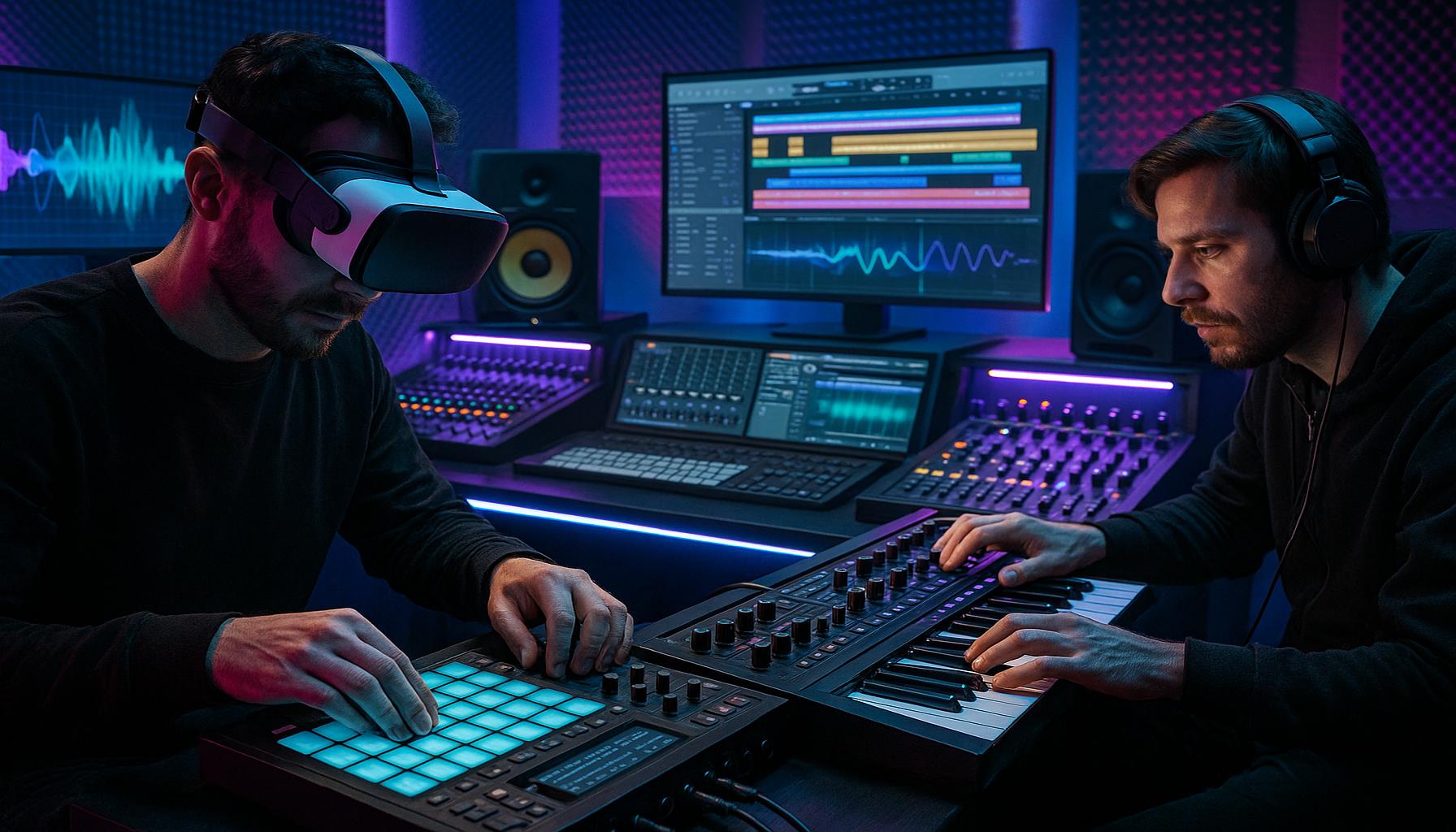
The use of technology at music festivals also plays a crucial role in enhancing creative expression. Festivals such as Coachella utilize cutting-edge technology to create immersive experiences, utilizing augmented reality displays and interactive installations. These advancements not only enhance attendee engagement but also inspire artists to explore new mediums and methods of expression, broadening the horizons of collective creativity. As audiences become part of the experience through mobile apps or social media interactions, creative collaboration occurs in real-time, influencing what artists produce and how they connect with their audience.
- Collective Identity: Festivals celebrate local culture and history, reinforcing a sense of belonging among residents.
- Platform for Expression: They offer artists opportunities to showcase their work, fostering collaboration across different creative fields.
- Technological Innovation: The use of advanced technology enhances attendee interaction and inspires new artistic forms.
The role of music festivals as incubators for future trends is unmistakable. They not only highlight the current state of music and art but also set the stage for what is to come. Emerging genres or styles often gain traction through festival exposure, influencing the broader music landscape. The popularity of indie music festivals like Pitchfork Music Festival demonstrates this trend, where lesser-known acts frequently break into the mainstream after performing, illustrating how festivals can dramatically shift the creative dialogue in the music industry.
Moreover, the collaborative networks built during music festivals often extend beyond the boundaries of the event itself. Artists and attendees frequently go on to create projects, form bands, or initiate community art programs inspired by their experience. These long-term relationships cultivate a spirit of innovation that thrives long after the last performance, continuously enhancing the identity of the community as a hub for artistic and creative energies. Events like South by Southwest (SXSW) exemplify this effect, where the synergy between music, film, and interactive media allows for an ongoing dialogue that nourishes future creativity in numerous forms.
DISCOVER MORE: Click here to delve into the impact of music on your creativity
Conclusion: The Lasting Legacy of Music Festivals
In conclusion, the influence of music festivals on community identity and collective creativity is profound and multifaceted. These events not only celebrate the unique cultural heritages of localities but also forge connections among attendees, artists, and the vibrant backdrop of shared experiences. By fostering a sense of belonging, festivals like the New Orleans Jazz & Heritage Festival and Bonnaroo become essential threads in the fabric of their communities, reinforcing pride and connection to local roots.
Moreover, music festivals provide an unparalleled platform for artistic expression, allowing emerging talents and established artists alike to collaborate, exchange ideas, and innovate. The inclusion of various art forms alongside music opens avenues for creativity that extend beyond conventional boundaries, encouraging attendees to engage actively in the artistic process. As seen in events like South by Southwest, this dynamic interaction breeds future projects that ripple through the community long after the festival concludes.
Additionally, the integration of technology into music festivals enhances the attendee experience, inspiring artists to explore new mediums and forms of expression. The immersive environments created by advancements in technology allow for real-time collaborations that continuously change the landscape of creative possibilities.
Ultimately, music festivals are more than just entertainment; they are catalysts for cultural dialogue, innovation, and community-building. As these events evolve, they carry the potential to reshape not only the music industry but also the very essence of how communities connect and thrive creatively. The lasting impact of music festivals is a testament to their vital role in nurturing both individual expression and collective identity across diverse landscapes in the United States and beyond.