

The Evolution of Productivity Tools
The rapid integration of technology into our daily lives has redefined how tasks are managed and completed. Gone are the days when scribbled notes and paper planners set the rhythm of our work. Today, productivity apps have become indispensable, offering users a myriad of features designed to streamline processes and enhance efficiency.
Among the most significant advancements is task management. Applications like Asana and Microsoft To Do allow users to set specific deadlines, prioritize their activities, and effortlessly track progress. For instance, a marketing team can break down a new campaign into actionable tasks, enabling every member to see their responsibilities and deadlines. This feature not only improves individual accountability but also facilitates transparent project tracking across departments.
In an era where collaboration is paramount, the ability to share projects and communicate in real-time has become imperative. Tools like Slack and Notion have revolutionized team dynamics by allowing instant messaging, file sharing, and even video conferencing within a single platform. A project team no longer needs to sift through endless email threads; instead, they can engage in productive discussions, share updates, and provide instant feedback. This collaborative functionality not only enhances team productivity but also nurtures a cohesive work environment, making remote work more manageable.
Time tracking is another critical feature that helps individuals and businesses maximize efficiency. Tools like Harvest let users log hours spent on various tasks, offering insights into productivity patterns. For a freelance web developer, for instance, understanding which projects demand more time can lead to better time allocation and pricing strategies. Thus, efficient time tracking can foster better decision-making and drive higher returns on investment.
Moreover, today’s productivity apps allow for extensive customization. Users can personalize templates, create layouts, and even tweak functionalities to match their organizational style. This adaptability is significant because it caters to the unique needs of users across a range of professions, from entrepreneurs to educators. A teacher might customize lesson planning templates that align with their teaching methodologies, while a software engineer may prioritize a different set of features entirely when managing project software.
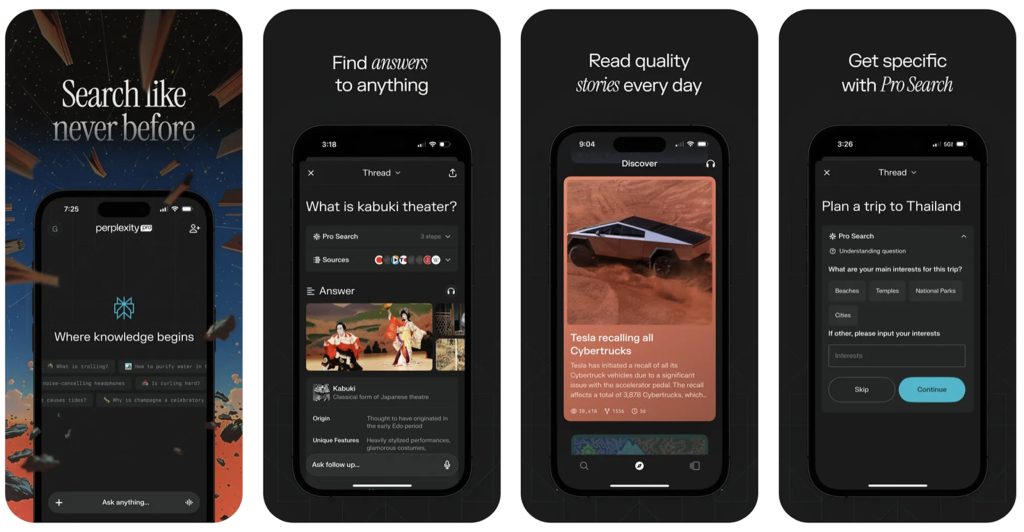
With millions of users in the United States flocking to sophisticated applications like Trello, Todoist, and Evernote, it’s crucial to consider the broader implications of these technologies. As we explore the evolution of productivity tools, we aim to uncover the driving forces behind their success and examine how they continue to shape individual productivity and collective workplace dynamics.
The intersection of technology and personal organization presents both opportunities and challenges. In a world increasingly reliant on digital solutions, understanding how these tools can be leveraged effectively becomes a key component in navigating today’s complex workplace landscape. What are the implications for various sectors, and how can users best utilize these resources to enhance their productivity?
DON’T MISS: Click here to enhance your time management skills
The Transformation of Task Management
One of the most significant changes in the realm of personal organization has been the evolution of task management apps. These digital tools have revolutionized the way individuals and teams approach their responsibilities. Traditionally, many relied on paper lists or rudimentary scheduling tools that often led to chaos and oversight. With the introduction of innovative applications, users now have the ability to create, manage, and prioritize tasks seamlessly.
For example, applications such as Todoist allow users to categorize tasks by projects, set recurring deadlines, and even add labels to streamline their workflow. Studies show that this ability to prioritize tasks improves completion rates by up to 25%, a remarkable statistic for those juggling multiple responsibilities. When tasks are organized into manageable chunks, users experience a reduction in mental clutter, enhancing focus and productivity.
Real-Time Collaboration
Collaboration has become a cornerstone of productivity in both professional and personal settings. The rise of apps like Asana and Trello has fundamentally changed how teams coordinate. No longer confined to physical meetings or lengthy email chains, team members can now easily assign tasks, set deadlines, and track progress in real-time. This transformation has projected a significant reduction in project timelines—some teams report a decrease of up to 50% in time spent on project updates alone, simply due to the streamlined communication capabilities these platforms offer.
Consider a software development team working on a new app. By leveraging a collaborative platform, they can step away from traditional methods that may have involved a mix of email updates and paper notes. Instead, they can use real-time boards to visualize the project, share updates, and integrate feedback from stakeholders instantly. For remote teams, these tools eliminate feelings of isolation and enhance connectivity, making distance less of an impediment to successful collaboration.
The Power of Time Tracking
Time management is a pivotal aspect of personal organization that has benefited immensely from productivity apps. Apps like Harvest or Clockify provide clarity around task durations, enabling users to see where their time is spent. For freelancers and small businesses, accurately tracking hours worked can lead to more informed pricing proposals and improved client satisfaction. In fact, studies indicate that users who actively monitor their time spend an average of 15% less time on non-essential tasks, which translates not only to efficiency but also to increased profits.
- Identifying Time Wasters: Users can pinpoint distractions and adjust their schedules accordingly.
- Improved Project Estimations: Gaining insights into task durations helps in future project planning.
- Accountability: Transparent tracking fosters responsibility among team members, ensuring everyone meets their commitments.
As we peel back the layers of the evolution of productivity tools, it becomes clear that their impact extends well beyond mere organizational benefits. These apps not only enhance individual efficiency but also contribute to a collective culture of accountability and collaboration. Understanding these developments is essential for users aiming to leverage technology in their organizational strategies effectively.
The Evolution of Productivity Tools: The Impact of Apps on Personal Organization
As we delve deeper into the exemplary evolution of productivity tools, it becomes clear that smartphone applications have played a transformative role in enhancing personal organization. These applications are more than just digital tools; they are personal assistants that have consolidated numerous functionalities into a single platform, streamlining how individuals manage their time and tasks. One significant aspect of productivity apps is their ability to facilitate real-time collaboration. For instance, apps such as Trello and Asana allow users to manage projects collaboratively, ensuring that all team members are on the same page. This has replaced traditional methods that often led to misunderstandings and inefficiencies. Furthermore, the integration of cloud storage options in these applications means that your important data is accessible anytime, anywhere, fostering a culture of flexibility and responsiveness in both professional and personal settings.Moreover, the customization capabilities of productivity applications empower users to tailor their organizational strategies according to their unique needs. Apps like Notion allow for an unlimited degree of personalization, catering to different workflows and styles. This adaptability is crucial as it not only boosts user engagement but also encourages the adoption of healthy productivity habits, significantly impacting personal effectiveness.To visually represent some advantages of this evolution in productivity tools, consider the table below:
| Category | Benefits |
|---|---|
| Collaboration | Real-time project updates enhance teamwork efficiency. |
| Customization | Tailored workflows improve personal productivity. |
As productivity tools continue to evolve, staying informed about these trends is essential for maximizing both personal and professional growth. Whether it’s through collaboration or customization, these apps are redefining how we approach organization and productivity in our daily lives.
DISCOVER: Click here to enhance your productivity
The Integration of Multitasking Solutions
The modern workspace demands versatility, and productivity apps have risen to the challenge by integrating multitasking solutions that cater to diverse needs. Users can now consolidate various aspects of personal organization into a single platform, significantly reducing the time spent switching between different tools. Applications like Notion and Microsoft Teams enable users to blend note-taking, task management, collaboration, and even file storage into one cohesive environment.
Notion, for instance, has been embraced by individuals and businesses alike for its customizable interface and vast functionality. Users can create databases, to-do lists, and even project wikis, all while maintaining a streamlined workflow tailored to their specific preferences. This degree of customization empowers users to carve out a unique organizational system that aligns perfectly with their workflows, thereby enhancing productivity.
Mobile Accessibility and the Rise of Remote Work
The increasing prevalence of remote work has underscored the importance of mobile accessibility in productivity tools. Applications like Todoist and Evernote offer full functionality across devices—allowing users to manage tasks and notes whether they are at home, in a café, or commuting. According to a study by FlexJobs, 80% of workers reported that they would be more productive in a flexible work environment, highlighting the need for tools that facilitate productivity on the go.
This shift has led to the emergence of an entire ecosystem designed with mobile functionality in mind. Cloud-based storage options, such as Google Drive, allow users to access documents and collaborate in real-time from anywhere. This flexibility supports a diverse range of working styles, encouraging productivity and creativity regardless of physical location. The mobile-first approach to productivity tools effectively bridges gaps created by physical distance, ensuring that remote teams remain connected and efficient.
The Role of Gamification
Another fascinating trend within productivity apps is the incorporation of gamification elements. Platforms such as Habitica and Forest utilize game mechanics to transform mundane tasks into exciting challenges. By rewarding users for completing tasks through points, achievements, or virtual rewards, these apps tap into intrinsic motivation, increasing user engagement and commitment to their productivity goals.
- Enhanced Motivation: The playful aspects of gamification can lead to improved adherence to task completion.
- Community Interaction: Many gamified apps also incorporate social components, fostering a sense of community and shared objectives.
- Visual Progress Tracking: Seeing progress in a gaming format can provide users with a clearer picture of their achievements, further motivating them to continue.
Gamification not only enhances user experience but also encourages the development of positive habits. This innovative approach reflects a broader understanding of human behavior and how digital tools can be designed to facilitate personal growth.
As we delve deeper into the evolution of productivity tools, it’s evident that these apps are not just supplementary aids; they are foundational to modern personal organization. By integrating various functionalities, ensuring mobile access, and employing gamified strategies, productivity tools are redefining how individuals approach their tasks, collaborations, and overall efficiency.
DIVE DEEPER: Click here to enhance your goal-setting skills
Conclusion
In exploring the evolution of productivity tools, it becomes increasingly clear that modern productivity apps are reshaping how individuals and teams manage their personal organization. From innovative multitasking solutions that allow users to centralize their workflows to the imperative need for mobile accessibility amidst a growing remote work culture, these tools are now indispensable allies in navigating daily challenges.
The advent of gamification within productivity apps further highlights a shift towards more engaging and motivating ways to accomplish tasks. The blend of sensory rewards with functionality not only fosters a sense of achievement but also builds sustainable habits that stick with users in the long run. As a result, these tools have elevated personal productivity into a realm where organization and fun coexist harmoniously.
As we move into an era characterized by fast-paced changes and evolving work environments, the significance of these tools will only grow. Investing time in familiarizing oneself with various productivity applications can unlock new levels of efficiency and creativity. The future of personal organization is not merely about managing tasks but harnessing innovative solutions that adapt to individual needs and preferences. As technology continues to unfold, staying informed about the latest trends in productivity tools will empower users to make more strategic choices, ultimately optimizing their organizational approaches.
In summary, the impact of productivity apps on personal organization is profound. As they continue to evolve, they hold the promise of transforming not only how we work but also how we perceive and achieve our goals. Embracing this transformative journey is essential for anyone looking to maximize their productivity and unleash their full potential.