The Evolution of Musical Styles and Their Role in Creative Inspiration
The Transformative Nature of Music
Music has consistently been a reflection of cultural zeitgeist throughout history. Its journey from rudimentary forms of expression to complex compositions illustrates how art mirrors society’s evolution. For instance, during the Baroque period in Europe, music was characterized by the ornate and intricate compositions of figures like Johann Sebastian Bach, which not only demonstrate technical prowess but also connect deeply with the spiritual and communal aspects of life at the time.
The transition into the 20th century saw the rise of various genres, each creating unique pathways for artistic expression. Among these, classical music serves as a testament to its ability to evoke profound emotional responses. The compositions of orchestras often inspire listeners to engage in introspection, painting vivid landscapes of joy, sorrow, and everything in between. The dramatic crescendos and delicate pianissimos invite the audience to explore their own feelings and experiences, cementing classical music’s role as a source of comfort and reflection.
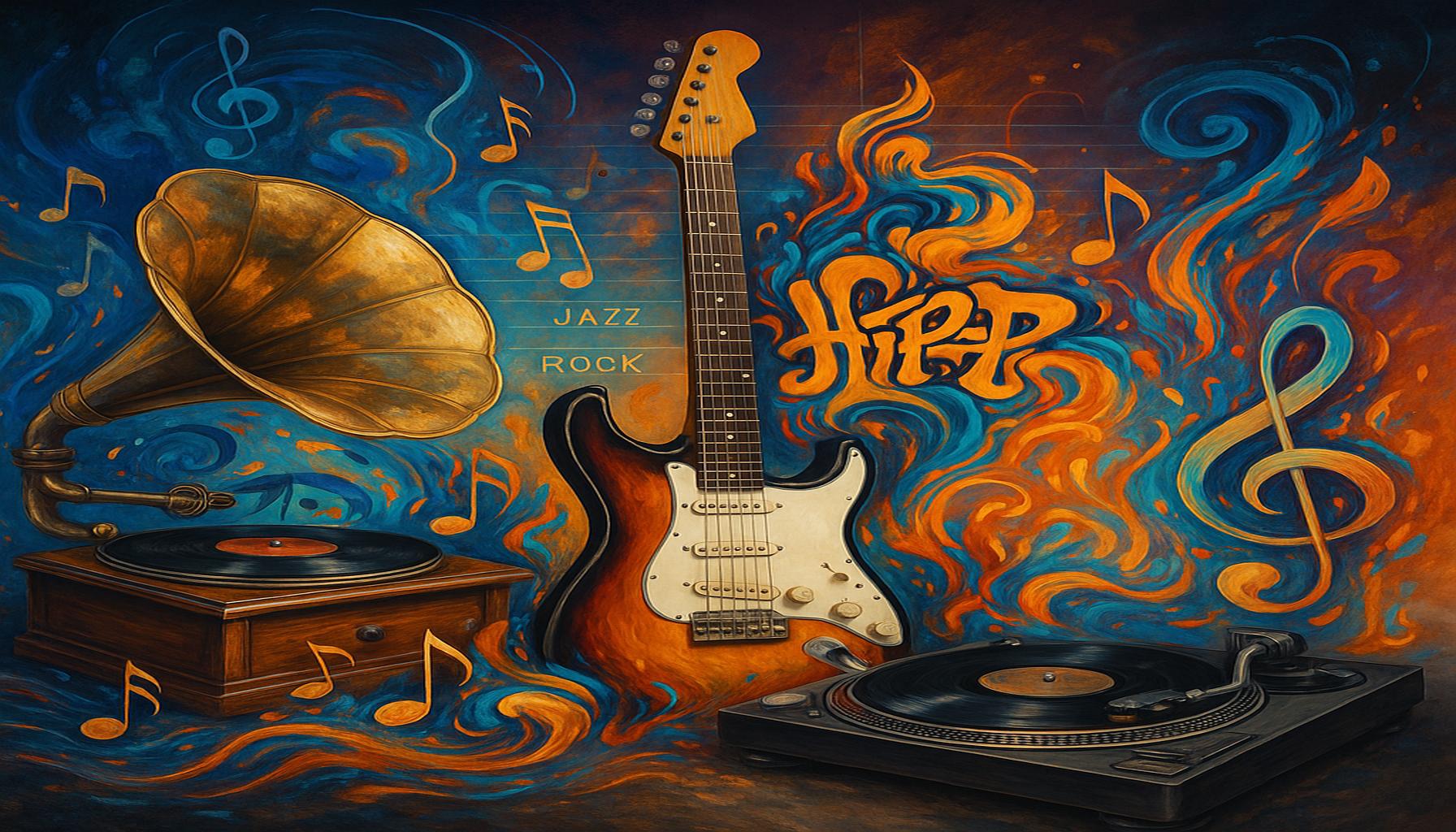
Jazz, emerging from African American communities in the early 20th century, revolutionized not just music but the very notion of collaboration in artistry. Its hallmark of improvisation empowers musicians to express themselves spontaneously, influencing diverse avenues of creativity beyond music. Contemporary artists in various fields, from visual arts to fashion, have noted jazz’s emphasis on innovation and flexibility—qualities that resonate in a fast-paced modern culture.
- Rock music, often synonymous with rebellion and unrest, has fueled movements for social change, particularly during the 1960s and 70s in the United States. Bands like The Beatles and The Rolling Stones used their platforms to challenge societal norms and inspire youth engagement in political movements.
- Hip-hop, a genre born from the streets, provides a powerful narrative device that highlights the struggles and triumphs of marginalized communities. Rappers like Kendrick Lamar and J. Cole utilize their music to foster discourse around pressing social issues such as race, systemic inequality, and personal identity, transforming personal anecdotes into collective social dialogues.
Understanding the evolution of these musical styles reveals the multi-faceted impact they have had on creativity across generations. Artists of today are not confined to one genre; rather, they draw from a rich tapestry of influences, weaving together old and new to create sounds that reflect contemporary realities. The ongoing interplay between past and present opens a vibrant space for creative inspiration, encouraging new interpretations that challenge listeners to experience music in innovative ways.
As we delve deeper into the intricate world of music, we uncover the storylines and historical contexts that shape our very listening experiences. The sounds of yesterday continue to resonate today, illustrating the power of music as a timeless vehicle for connection, expression, and artistic evolution.
DISCOVER MORE: Click here to dive deeper
Musical Styles as Catalysts for Creativity
Throughout history, music has not only served as a form of entertainment but has also acted as a powerful catalyst for creative expression across various disciplines. Each musical style, with its distinctive characteristics and cultural roots, offers unique avenues for inspiration. As we explore the evolution of musical styles, it is essential to understand how these diverse genres have shaped the creative landscapes in art, literature, and even technological innovation.
Blues, for instance, emerged in the late 19th century in the Deep South as a direct expression of African American struggle and resilience. This genre’s emotive storytelling and lyrical honesty profoundly influenced subsequent musical forms, including rock and roll and country music. Artists like B.B. King and Muddy Waters not only laid the foundations of the blues but also inspired countless musicians to harness their life experiences into art. The raw, heartfelt emotion of blues continues to resonate with songwriters, allowing them to draw upon their own narratives in crafting relatable and impactful music.
- Country music has similarly evolved, intertwining narratives of love, loss, and life in rural America. Originating from folk traditions, country music has embraced influences from blues, rock, and even pop to create a genre that speaks both to heritage and modern experiences. The storytelling aspect of country music has fueled creativity in literature and film, with epics like “A Star is Born” showcasing the emotional depth that can emerge from these musical tales.
- EDM (Electronic Dance Music), which surged in popularity in the 2010s, represents a fusion of technology and music that has transformed the landscape of how we create and experience sound. Festivals like Tomorrowland and Electric Daisy Carnival not only celebrate the music itself but also foster communities that inspire collaboration among artists, visual designers, and performers, blurring the lines between different creative mediums.
Another significant evolution in music is the rise of pop music, which dominates contemporary charts and social media platforms. Artists like Taylor Swift and Billie Eilish craft songs that often reflect generational issues and personal experiences, making their music an accessible source of inspiration for aspiring creators worldwide. The blend of catchy melodies and relatable lyrics enables a wide audience to find connection and motivation in their artistry, encouraging a new wave of singers and songwriters to explore their voices.
As we witness the continued evolution of genres such as reggae, R&B, and Latin music, each adds a distinct flavor to the artistic discourse. Reggae has spread messages of peace and social justice initiated by legends like Bob Marley, while Latin music has broken language barriers and brought global attention to diverse cultural beats and rhythms. Each genre not only enhances its own legacy but also contributes to the collective narrative of creativity and artistic expression.
In examining the multifaceted evolution of musical styles, it becomes evident that music serves as a vital conduit for creative inspiration. By drawing from the past while embracing innovation, contemporary artists are not only honoring their roots but also redefining what music can signify in a modern context, creating a continuum that fuels ongoing artistic exploration.
| Influential Styles | Creative Impact |
|---|---|
| Jazz | Fosters spontaneity and improvisation, influencing diverse artistic expressions. |
| Rock | Shapes rebellion and self-expression, inspiring generations of artists across various realms. |
| Classical | Encourages a deep connection to emotion and complex structures, impacting modern compositions. |
| Hip-Hop | Acts as a voice for social change, motivating lyrical storytelling and new forms of advocacy. |
As the musical landscape has undergone transformations, each style has left an indelible mark on creative processes. The evolution of these styles—ranging from the improvisational euphoria of Jazz to the storytelling prowess of Hip-Hop—illustrates a quest for artistic authenticity. Jazz encourages incredible freedom, allowing artists to explore their emotions and push creative boundaries. In contrast, Rock music’s raw energy and themes of rebellion have fostered new movements, driving youthful expression.Equally, Classical music, with its intricate compositions and emotional depth, serves as a foundation for innovative movements even in contemporary works. Meanwhile, Hip-Hop stands out as a cultural phenomenon that combines rhythm and powerful narratives, energizing social consciousness and artistic collaborations. Each style not only exemplifies a unique historical context but profoundly influences how artists today derive inspiration, shaping the vibrant tapestry of creativity across all artistic disciplines.
DISCOVER MORE: Click here to dive deeper
The Cross-Pollination of Genres and its Impact on Artistic Creation
As musical styles continue to evolve and intermingle, a fascinating trend emerges: the cross-pollination of genres. This phenomenon not only reflects the dynamic nature of music but also serves as a profound inspiration for artists across various fields. By merging diverse stylistic elements, musicians are able to create innovative sounds that defy traditional categorization and inspire a wave of creativity in other artistic sectors.
Hip-hop, which originated in the 1970s as a voice for marginalized communities, showcases this genre-blending effect beautifully. Today, artists like Kendrick Lamar and Cardi B seamlessly incorporate elements of jazz, funk, and even classical music into their tracks. For example, Lamar’s acclaimed album *To Pimp a Butterfly* features live instrumentation that pays homage to jazz legends while exploring complex themes of race and identity. This blending not only inspires other musicians to experiment with their sound but also influences writers, visual artists, and filmmakers looking to capture the multifaceted narratives present in hip-hop culture.
- Indie music further exemplifies the potential of genre fusion. Emerging in the late 20th century, indie rock artists draw inspiration from folk, punk, and electronic music. Bands like Vampire Weekend meld eclectic influences to create a distinct sound that resonates with listeners and fuels creative inspiration across visual arts and literature. The distinct aesthetic cultivated by indie musicians has led to powerful collaborations with graphic designers and visual storytellers, highlighting the interconnectivity of various creative disciplines.
- Additionally, musical theater has increasingly incorporated diverse musical styles, reflecting America’s rich tapestry of cultural influences. Productions like *Hamilton* revolutionized Broadway by blending hip-hop with traditional musical theater elements, prompting newfound interest and engagement from younger audiences. Such innovations demonstrate how blending genres can invigorate traditional art forms and inspire new creative expressions.
Moreover, the rise of digital platforms has allowed for unprecedented accessibility and collaboration among artists across the globe. With the democratization of music creation tools, musicians from various backgrounds can now converge, exchange ideas, and contribute to a shared creative landscape. This environment fosters a melting pot of sounds and styles, as evidenced by platforms like SoundCloud and Spotify. The collaborative nature of these platforms has resulted in genre-bending tracks with sounds that captivate a wide audience, further fueling the cycle of creative inspiration.
The role of social media cannot be overlooked in this context either. Artists utilizing platforms such as TikTok have not only gained visibility but are also able to share their works in innovative formats, often leading to viral trends that blend both music and visual art. This intersection of music and social media encourages creators to think outside conventional boundaries and tap into the collective spirit of their generation, inspiring a whole new wave of artistic exploration.
As we navigate this interconnected landscape of evolving musical styles, the implications of genre fusion extend beyond the world of music itself. Different cultural perspectives and narratives converge, yielding artistic inspiration that fosters collaboration and innovation across multiple platforms. Through this evolution, artists learn to harness the power of diverse influences, propelling them toward unexplored creative frontiers.
DISCOVER MORE: Click here to learn how folk music can enhance your creative journey
Conclusion: The Dynamic Cycle of Music and Artistic Realization
The evolution of musical styles and their role in creative inspiration illustrates the profound interconnectedness of artistic expression across various domains. As we’ve explored the phenomenon of genre fusion, it is clear that the melding of different musical elements not only reflects a changing cultural landscape but also fosters a fertile ground for innovation. The impact of cross-genre collaborations, such as those seen in hip-hop, indie music, and musical theater, underscores how artists draw upon a rich tapestry of influences to craft compelling narratives and engage diverse audiences.
Furthermore, the accessibility afforded by digital platforms and the rise of social media amplify these interactions, creating a vibrant ecosystem where sounds, styles, and ideas merge seamlessly. Artists are no longer confined to traditional genres; instead, they can traverse boundaries, communicate with a global audience, and inspire one another across various forms of expression. This ongoing dialogue not only enriches the music industry but also revitalizes the visual arts, literature, and performing arts, pushing creators to explore uncharted territories.
As we look to the future, it’s essential to acknowledge that the evolution of musical styles will continue to shape artistic narratives and cultural conversations. By embracing the diversity inherent in this dynamic process, artists and audiences alike can find inspiration in unexpected places, facilitating a continual cycle of creative exploration. The rich interplay of musical styles is not merely an evolution; it is a testament to the innate human desire to connect, collaborate, and create. Through our conscious engagement with these evolving sounds, we open pathways to richer cultural expressions and deeper artistic connections.