Technology and DIY: How Digital Tools Are Transforming Handmade Projects
Innovations in DIY Crafting
In an era where technology seamlessly intertwines with creativity, the world of DIY is experiencing a significant evolution. These advancements are fundamentally transforming how artisans and hobbyists engage with their handcrafted projects, unveiling a landscape filled with innovative possibilities.
Today, a wealth of information, tools, and resources is just a click away. What was once a domain accessible only to seasoned professionals is now open for anyone eager to explore their creative potential. For instance, consider the impact of:
- 3D Printing: This groundbreaking technology allows individuals to create intricate designs and prototypes using a variety of materials, from plastics to metals. From custom jewelry to tailored household items, 3D printing empowers users to manifest their unique visions rapidly.
- Design Software: Software like Adobe Illustrator and Canva have democratized graphic design. Their user-friendly interfaces enable users to customize templates for anything from greeting cards to business logos, ensuring that even novices can produce professional-looking results.
- Online Tutorials: Websites and platforms such as YouTube have revolutionized learning. With countless step-by-step guides available, individuals of all skill levels can find inspiration and instruction for almost any DIY project imaginable, from furniture building to knitting.
Moreover, these technologies are fostering vibrant communities. Social media platforms such as Instagram and Pinterest serve as showcases for enthusiasts to share their creations, exchange ideas, and inspire others to embark on their own DIY ventures. Hashtags like #CraftCommunity or #DIYProjects create connections among millions of users, enhancing the sense of belonging and collaboration in the crafting sphere.
Interestingly, traditional handicrafts are not being replaced by these innovations but rather enhanced through them. Consider the integration of digital tools in sewing; today, quilters use computerized sewing machines that enhance precision and even offer embroidery options not possible by hand. Similarly, in woodworking, smart devices can assist in precise measurements or guide users through complex cuts, effectively marrying age-old techniques with modern technology.
As we delve into the impact of these digital resources on handmade artistry, the future of crafting appears not only promising but also exhilarating. The advent of these technologies is paving the way for a revolution in the DIY landscape, encouraging creativity, collaboration, and endless experimentation. With each passing day, more tools emerge to inspire creators, and the possibilities for innovative projects become ever more expansive. This intersection of technology and DIY signifies a blossoming culture of creation that invites everyone to unleash their imagination and dive into the world of handmade artistry.
DIVE DEEPER: Click here to discover the evolution of musical styles
Empowering Creators with User-Friendly Digital Tools
The fusion of technology and DIY culture is not only about advanced machinery but equally about accessible tools that anyone can wield. As more individuals seek to embrace their creative instincts, user-friendly digital resources are playing a significant role in transforming DIY projects. From simple crafts to complex creations, these tools enhance not only the quality of work but also the overall experience involved in the crafting process.
One of the most significant advancements for DIY enthusiasts is mobile applications. With apps dedicated to an array of projects, from interior design brainstorming to recipe curatorship, users can find and organize inspiration conveniently on their smartphones. Platforms such as Houzz and Instructables not only provide tutorials and tips but also allow users to visualize their ideas, thus bridging the gap between conception and execution.
Moreover, the rise of mobile design applications is making it easier than ever for creators to visualize their concepts before bringing them to life. Applications like Procreate and Sketchbook empower users to draw, illustrate, and design with precision and ease. Whether it’s crafting a digital mock-up for a home decor update or sketching an original pattern for a handmade project, these tools significantly reduce the initial barriers of entry into crafting.
Additionally, the growing availability of augmented reality (AR) in DIY applications is transforming how we approach projects. For instance, IKEA’s Place app allows customers to visualize how various furniture pieces will look in their own homes before making a purchase. Fun and functional, these AR experiences not only save time but also minimize the risk of purchasing items that may not fit with an individual’s vision.
As DIY culture continues to integrate digital technology, learning from online tutorials has become a powerful catalyst for personal expression. A few notable platforms making waves in this area include:
- Skillshare: Offers an abundance of classes that cover diverse topics, enabling users to learn new skills and techniques from industry professionals.
- Craftsy: Focuses explicitly on craft and sewing, providing video tutorials and community discussions that help users through various crafting challenges.
- Pinterest: A goldmine of inspiration, users can curate boards filled with ideas and how-to guides for countless DIY projects, effortlessly tracking their favorite finds.
- YouTube: Home to an extensive variety of channels dedicated to crafts and DIY, offering dynamic video lectures that make learning more approachable and engaging.
The impact of these digital tools extends beyond just individual creators; they empower entire communities. With the ease of sharing and collaboration encouraged by social media platforms, creators are no longer isolated. They can now inspire and elevate one another through shared experiences and diverse perspectives. The collective knowledge and creativity fostered in online communities represent a collective evolution in the DIY culture, setting the stage for the exciting projects yet to come.
In the realm of DIY projects, technology has become a pivotal force, driving innovation and creativity. One of the most remarkable transformations is the rise of digital design software, which allows crafters to experiment with complex designs without the need for extensive traditional skills. Programs like Adobe Illustrator and SketchUp enable users to create detailed 3D models, making it easier to visualize and plan projects before physical execution. This not only saves time but also reduces material waste, an essential consideration for eco-conscious creators.
Another game-changer is the integration of online tutorial platforms. Websites like Pinterest and YouTube host a wealth of instructional content that caters to every skill level. Users can access step-by-step guides, which demystify advanced techniques and inspire new projects. This democratization of knowledge has led to a surge in DIY activities, fostering a vibrant community where ideas are shared and refined. The possibility of connecting with other crafters globally enhances creativity while providing support and motivation.
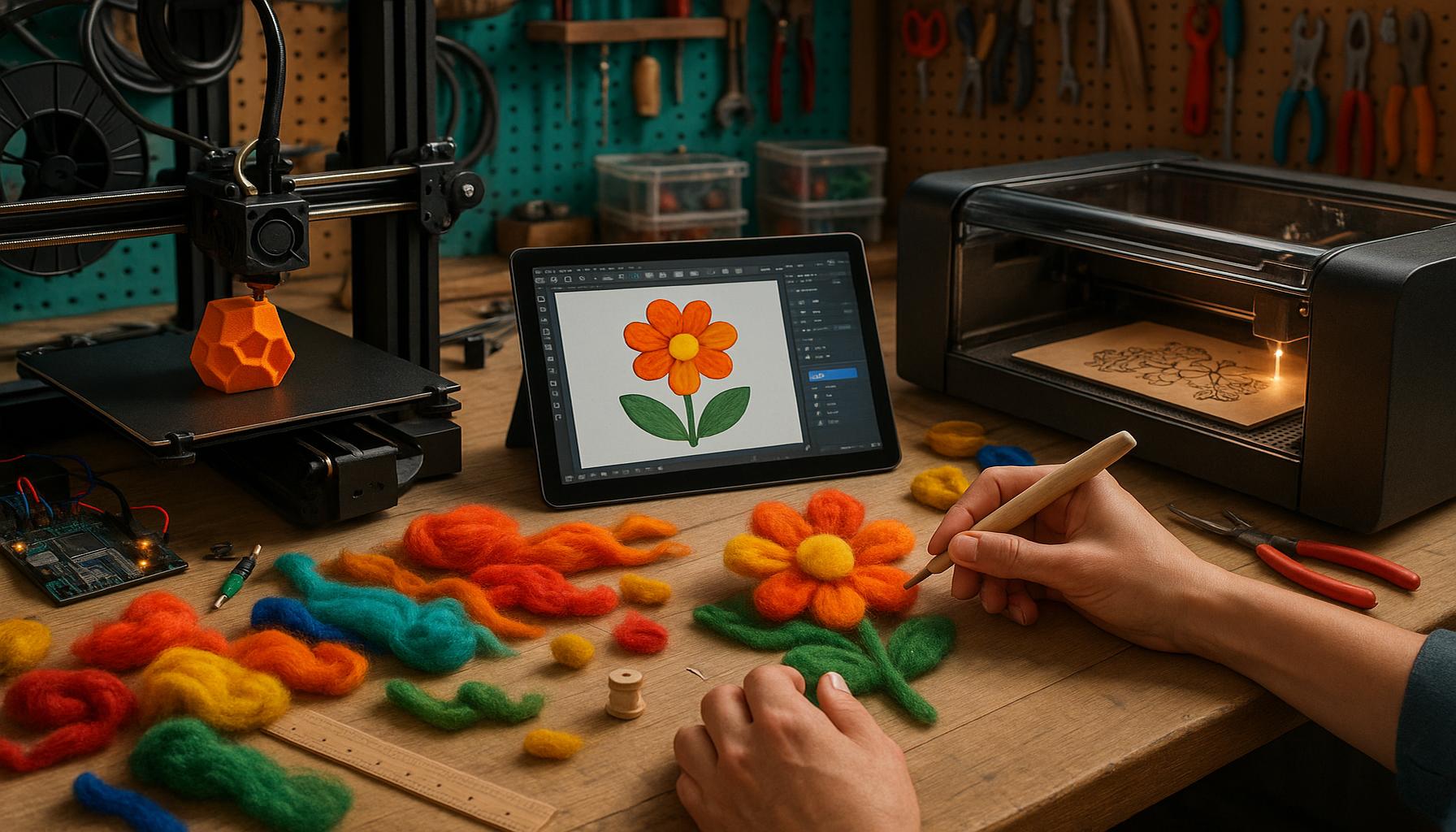
Moreover, the use of smart tools such as 3D printers, laser cutters, and CNC machines has revolutionized how handmade projects are approached. These advanced devices allow hobbyists and small business owners to create intricate designs that were once solely the domain of skilled artisans. The precision and efficiency offered by these technologies not only enhance the quality of the final product but also expedite the production process, making it possible to bring designs to life quickly.
This fusion of technology and DIY has led to the emergence of several new trends, including smart textiles and personalized design solutions. As digital tools continue to evolve, they will likely open up even more possibilities for creativity and innovation, making DIY projects more accessible than ever. Embracing technology isn’t just about following trends; it’s about harnessing powerful tools to unleash one’s creativity and redefine what is possible in the world of handmade crafts.
| Digital Tools | Impact on Handmade Projects |
|---|---|
| Digital Design Software | Enables detailed planning and visualization, reducing waste. |
| Online Tutorial Platforms | Democratizes craft knowledge and inspires new projects. |
| Smart Tools (e.g., 3D Printers) | Enhances quality and expedites production processes. |
DIVE DEEPER: Click here to discover more
Innovating Crafting with Advanced Technologies
As DIY culture evolves, it finds itself enriched by cutting-edge technologies that enhance traditional crafting techniques. Innovations such as 3D printing and laser cutting are not just for the professional maker; they are accessible to hobbyists and amateurs, revolutionizing the landscape of home projects. With the advent of low-cost consumer 3D printers like the Creality Ender 3, a broader audience can easily translate their digital designs into tangible products, leading to creative freedom that was previously out of reach.
3D printing enables makers to fabricate unique, customized objects—from intricate jewelry to one-of-a-kind home decor items—without needing extensive manufacturing knowledge. As resources like Tinkercad and Fusion 360 become ubiquitous, aspiring creators are empowered to design and modify objects digitally before printing them at home. This democratization of design ensures that anyone with an innovative spirit can manifest their ideas in real life.
Alongside 3D printing, laser cutting technology has also surged in popularity among DIY enthusiasts. These precision tools allow users to cut or engrave materials with intricate detail, transforming materials such as wood, acrylic, and fabric into custom artwork. Makers can utilize services like Glowforge or local makerspaces equipped with laser cutter technology to bring ambitious projects to life, further blurring the lines between traditional craftsmanship and contemporary fabrication techniques.
Moreover, the inclusion of smart technology in DIY solutions enhances craftsmanship in ways that were once unheard of. Take the example of smart sewing machines that seamlessly integrate with software designed to simplify the sewing process. Brands like Brother and Singer have introduced models that connect to mobile applications, enabling users to access a broader range of stitches and designs while providing step-by-step guidance. This represents a remarkable synergy between technology and fabric arts, fostering creativity in the realm of textiles.
As an extension of smart technology, the Internet of Things (IoT) has made its way into DIY home automation projects. Enthusiasts can now seamlessly integrate devices such as smart lights, thermostats, and security systems into their home environments through platforms like Arduino and Raspberry Pi. This turning point allows individuals to automate mundane tasks and create unique projects tailored specifically to their needs, transcending the conventional DIY definition.
The influence of technology does not stop at fabrication and automation. Artificial intelligence (AI) is beginning to play a role in DIY project planning and management. For instance, platforms leveraging AI can help users pinpoint materials, estimate costs, and even suggest optimal design techniques tailored to personal preferences and existing skill levels. This not only streamlines the project planning process but enhances the user’s confidence in executing their ideas efficiently.
In this era of technology-fueled creativity, DIY enthusiasts are now better equipped than ever to push boundaries, explore new avenues, and rediscover traditional crafts with a modern twist. With innovative tools rapidly emerging, the DIY landscape is on the brink of a revolution that will only expand in scope as technology continues to evolve.
DISCOVER MORE: Click here to learn how music can aid in self-discovery
Embracing the Future of DIY
The integration of technology into the realm of DIY is not merely an enhancement; it represents a fundamental shift in how we approach handmade projects. Tools such as 3D printing, laser cutting, and smart technology have opened up new dimensions of creativity and efficiency for home crafters. As more individuals embrace these digital innovations, the distinction between traditional artisans and modern makers continues to blur, creating a rich landscape of possibilities.
Furthermore, the democratization of design tools and the accessibility of platforms like Tinkercad and Arduino empower anyone with a vision to turn ideas into reality, regardless of technical knowledge. Individuals are no longer limited to pre-manufactured items; they can craft customized solutions and explore personal expressions through projects that resonate with their unique style and requirements.
As we look ahead, it’s clear that the DIY movement is on the verge of something remarkable. With each advancement in digital technology and the continuous growth of the maker community, the transformation of handmade projects will accelerate, providing new opportunities for learning, collaboration, and innovation. This convergence of technology and craftsmanship invites us to engage authentically with our creativity—bridging the gap between what we dream and what we can create.
In this exciting era, every enthusiast—whether a seasoned professional or a curious beginner—has the potential to rethink homemade projects. The only limit is our imagination, and with a wealth of resources at our fingertips, the future of DIY promises to inspire inventiveness and redefine the meaning of handmade.