

Understanding the Impact of Productivity Tools
In today’s fast-paced world, achieving a healthy work-life balance is more important than ever. The struggle to prioritize tasks while juggling professional responsibilities and personal commitments can leave many feeling overwhelmed. Fortunately, solutions abound in the form of productivity tools, designed to streamline tasks and enhance efficiency. As we delve into the intricacies of these tools, we uncover their potential to alleviate stress and foster a more balanced life.
Productivity tools have evolved significantly, presenting a diverse array of features tailored to the modern professional’s needs. For instance, task management systems, such as Trello and Asana, allow users to create detailed task lists, prioritize activities, and set deadlines. Users can visualize their daily, weekly, or even monthly goals, keeping procrastination at bay. This structured approach not only boosts productivity but also provides a sense of accomplishment as tasks are completed.
Another invaluable category of tools is time-tracking applications. Tools like Clockify and Toggl enable users to monitor how they spend their time throughout the day. By analyzing this data, individuals can identify time-wasting activities and make informed adjustments to their schedules. Imagine a busy professional realizing that meetings occupy over 30% of their workweek; this insight could lead to more effective calendar management and improved productivity.
In tandem with task management and time tracking, collaboration platforms such as Slack and Microsoft Teams have revolutionized workplace communication. These tools offer real-time messaging, file sharing, and project collaboration, breaking down barriers often associated with remote or hybrid working environments. The seamless sharing of ideas and feedback enhances teamwork, allowing groups to work more efficiently toward common goals.
By employing these innovative tools, individuals can gain clarity and insight into their workflows, facilitating smarter decision-making regarding task prioritization. Effective prioritization is not simply about completing tasks but involves focusing on what truly matters both at work and home. Consider the difference between responding to an email immediately versus scheduling time to tackle a crucial project—the latter fuels long-term success while maintaining balance in one’s life.
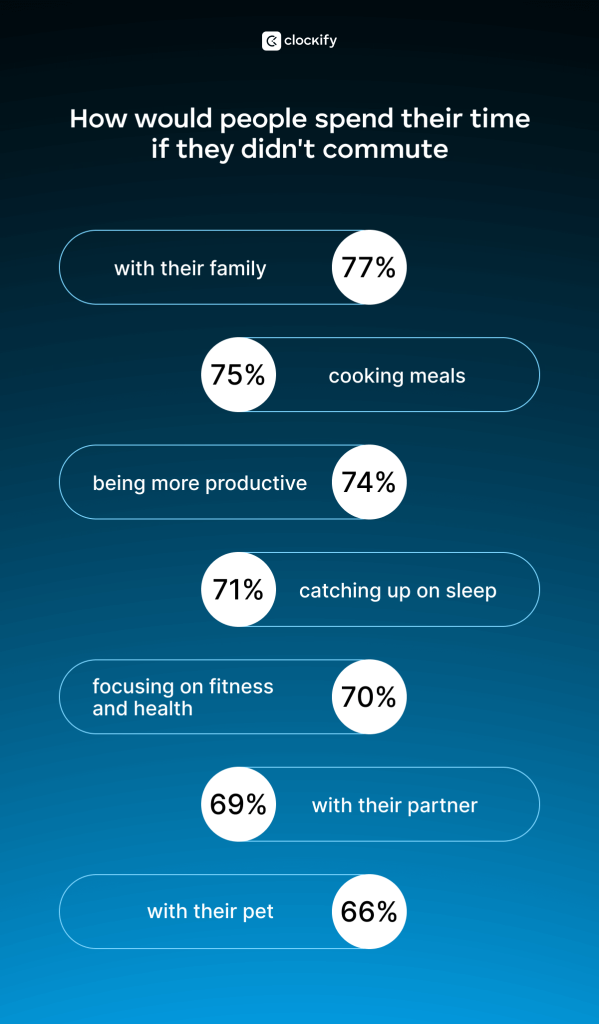
Research shows that utilizing the right productivity tools can lead to significant reductions in stress levels and improvements in overall well-being. A study by the American Psychological Association revealed that employees with effective productivity systems in place report lower stress levels and higher job satisfaction. As we explore the essential features and benefits of these tools, you’ll discover how they can be pivotal in achieving not just productivity, but a balanced lifestyle.
Unlocking your potential through productivity tools isn’t merely about efficiency; it’s about paving the way for a fulfilling life. Whether you are a busy parent, a dedicated professional, or a student balancing diverse commitments, the right tools can transform how you navigate your responsibilities. Get ready to dive into the world of efficient task prioritization and its profound implications for your work-life equilibrium.
DISCOVER MORE: Click here to enhance your productivity
Revolutionizing Task Management for Greater Balance
As more professionals grapple with an increasingly demanding work environment, the emergence of productivity tools has marked a significant shift in how we approach task management. These tools equip users with the ability to not only organize their workload but also to prioritize effectively, leading to enhanced work-life balance. By harnessing features such as drag-and-drop interfaces, customizable boards, and automated reminders, tools like Trello and Asana empower users to tailor their task management systems to align with their personal and professional goals.
The essence of effective prioritization comes down to understanding the urgency and importance of each task at hand. This is where productivity methodologies, such as the Eisenhower Matrix, can play a pivotal role. This framework categorizes tasks into four quadrants:
- Urgent and Important: Tasks that require immediate attention and have significant consequences.
- Important but Not Urgent: Tasks that contribute to long-term goals but do not require immediate action.
- Urgent but Not Important: Tasks that need to be addressed quickly but do not significantly impact overall results.
- Neither Urgent nor Important: Tasks that can be scheduled for later or even eliminated.
By using productivity tools that incorporate the Eisenhower Matrix, individuals can locate their focus amidst the myriad of daily responsibilities. The ability to categorize tasks effectively aligns with a core principle of work-life balance: prioritizing what truly matters. For example, a project manager could allocate their time toward strategic planning rather than getting bogged down in the minutiae of email correspondence. This strategic approach not only promotes productivity but also preserves mental well-being, as it reduces the cognitive load associated with multitasking.
Moreover, the advent of collaborative productivity tools has redefined how teams function in hybrid or remote environments. When every team member has access to the same visual timeline or project board, it fosters a sense of accountability and coordination. Platforms like Microsoft Teams or Slack enable seamless communication which, coupled with efficient task prioritization, can mitigate the stress associated with managing a team under tight deadlines.
As professionals explore these tools, it is crucial to identify which features resonate most with their workflow. Here are some key functionalities to consider:
- Customizable Task Lists: Adapt platforms to reflect personal workflow and preferences.
- Automated Reminders and Notifications: Prevent important deadlines from slipping through the cracks.
- Progress Tracking: Visual feedback on progress can motivate and minimize feelings of overwhelm.
Ultimately, productivity tools serve as a means to transform an overwhelming workload into an actionable and prioritized plan. By embedding productivity strategies within everyday routines, individuals can garner more clarity and focus, fueling their ambitions at work while preserving time and energy for personal fulfillment. In the next sections, we will explore specific tools and their unique offerings, equipping you with the insights necessary to harness productivity for an enriched life.
| Category | Key Features |
|---|---|
| Task Management Apps | Organize tasks, set deadlines, and track progress seamlessly. |
| Time-Tracking Tools | Monitor time spent on tasks, enhancing self-awareness and productivity. |
| Collaboration Platforms | Facilitate team communication and project management in real-time. |
| Focus Tools | Enhance concentration through time-blocking and distraction reduction strategies. |
| Goal Setting Applications | Aid in defining, tracking, and achieving both personal and professional objectives. |
Effective task prioritization is fundamental to maintaining a healthy work-life balance. Productivity tools empower individuals to manage their workload efficiently, thereby reducing stress and enhancing overall job satisfaction. For instance, task management apps allow users to categorize responsibilities based on urgency, which not only clarifies what needs to be done first but also helps in breaking larger projects into manageable steps. This method encourages users to maintain focus while ensuring progress.Furthermore, time-tracking tools enable professionals to gain insights into how their time is allocated across various tasks, highlighting areas for improvement. Equipped with this knowledge, individuals can make informed decisions on how to allocate their time more effectively, learning to distinguish between what’s important and what’s merely urgent. This leads to intentional prioritization of tasks, inspiring enhanced productivity and a reduced likelihood of burnout.Collaboration platforms also play a vital role in modern workplaces. They facilitate seamless communication among team members, ensuring that everyone is aligned on project goals without the inefficiencies of scattered communication channels. Such clarity not only fosters teamwork but also helps in delegating tasks based on individual strengths, thus promoting a more efficient work environment.In summary, the integration of productivity tools into daily routines can significantly improve task prioritization, ultimately enhancing both work efficiency and personal well-being.
DISCOVER MORE: Click here to learn how structured goal setting can enhance your performance
Integrating Productivity Tools for Streamlined Workflows
In today’s fast-paced professional landscape, the integration of productivity tools can be a game changer for maintaining a sustainable work-life balance. These tools not only help individuals prioritize tasks effectively but also facilitate a more efficient workflow. For example, tools like Notion and ClickUp provide users with customizable integration options that allow them to manage both personal and professional projects from a single interface. This centralization of tasks can significantly reduce time spent switching between different applications, thus fostering a more focused and less fragmented work environment.
Another layer of efficiency can be achieved through time-blocking techniques facilitated by productivity software. Applications like Todoist incorporate features that enable users to allocate specific blocks of time for completing prioritized tasks. According to a study by the American Psychological Association, having a structured schedule for tasks significantly reduces anxiety and allows for a deeper engagement with work. When professionals are able to see their days mapped out in chunks, they can allocate time for breaks and personal activities, promoting a healthier balance between work responsibilities and personal life.
Furthermore, the importance of data analytics within productivity tools cannot be overstated. Platforms such as Monday.com employ sophisticated analytics to help users evaluate how much time is spent on various tasks. This transparency allows professionals to identify areas where they might be overcommitting, ultimately enabling more informed planning and prioritization decisions. By recognizing patterns in their workload, users can adjust their efforts in a way that invites more leisure time and reduces the likelihood of burnout—a common pitfall in the modern workforce.
Moreover, some productivity tools integrate with calendars and scheduling apps, streamlining the entire process of managing personal and professional commitments. Google Calendar, for example, seamlessly syncs with other apps to provide a holistic view of one’s obligations and priorities. This interconnectivity allows individuals to quickly assess their day and make adjustments in real-time, thereby minimizing the potential for overload and ensuring that personal time is accounted for.
The realm of automation within these productivity tools also plays a substantial role in saving time. Zapier, for instance, provides a platform for automating repetitive tasks across various applications. Users can set up triggers to automatically send reminders, update status reports, or even generate summary emails based on set parameters. This enables individuals to focus their energy on more impactful endeavors while trivial tasks are managed in the background. By utilizing automation, one can efficiently prioritize the high-impact tasks that directly contribute to professional and personal goals, thus enhancing the overall quality of life.
Additionally, the social aspect of productivity tools can’t be overlooked. Many platforms offer collaborative functionalities, thus allowing teams to share tasks, updates, and deadlines in real-time. This not only fosters a sense of community but also encourages alignment among team members. When everyone is on the same page regarding priorities, the collective stress associated with miscommunication and delays can be significantly reduced. As a result, team members can better support each other in achieving both their professional aims and personal well-being.
To sum it up, effectively navigating the myriad of tasks in our workdays is crucial in today’s busy world. With the right productivity tools, individuals can streamline their workflows, utilize their time more efficiently, and ultimately create the necessary space for achieving a meaningful work-life balance. In the following sections, we will delve deeper into specific tools in the market that can further enhance productivity, providing practical options for improving task prioritization.
DISCOVER MORE: Click here for insights on enhancing your work-life balance
Conclusion: The Future of Work-Life Balance with Productivity Tools
As we navigate the complexities of modern work environments, the impact of productivity tools on enhancing work-life balance cannot be understated. These tools provide invaluable support in the prioritization and management of tasks, allowing individuals to differentiate between urgent responsibilities and personal well-being. With streamlined workflows, professionals can focus on what truly matters—both in their careers and personal lives.
The variety of features offered by different platforms, such as automation, analytics, and collaborative functionalities, showcase the adaptability of productivity tools to meet individual needs. By enabling smart time management practices and reducing the clutter associated with task overload, these tools contribute not just to enhanced productivity but also to the promotion of mental health and reduced burnout rates. Studies indicate that organizations leveraging such tools report higher employee satisfaction and morale, showcasing a beneficial loop between productivity and well-being.
To remain competitive and fulfilled in today’s workplace, investing in productivity tools is more than just a trend—it’s a necessity. By adopting these practices, individuals and teams can cultivate a culture of efficiency, creativity, and teamwork while ensuring that personal time is cherished and respected. For those looking to delve deeper, exploring specific productivity tools tailored to unique workflows can yield significant dividends in day-to-day operations and overall quality of life. As we move forward, embracing the right technology will undoubtedly pave the way toward a harmonious balance between work and home life.