Photography as a Form of Personal Art: Capturing Moments and Telling Stories Through Lenses
The Transformative Power of Photography
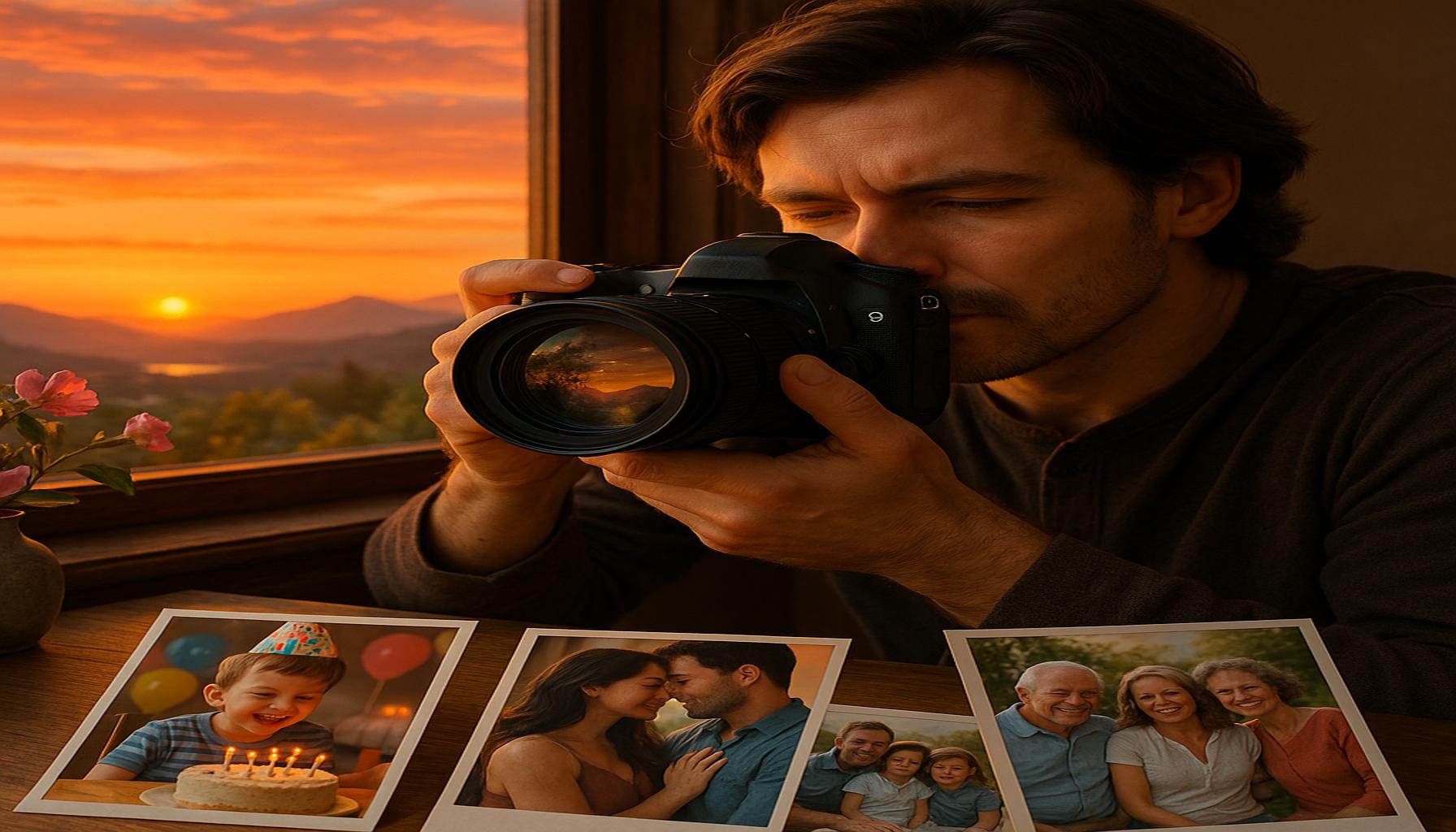
Every click of the camera immortalizes fleeting moments, translating them into powerful stories. Photography serves not only as a hobby but also as a personal expression of creativity for many individuals. This art form allows us to capture the world around us, conveying emotions, ideas, and narratives. From the vibrant streets of New York City to the serene landscapes of the Rocky Mountains, photographers across the United States have embraced this medium, sharing their unique perspectives and profound stories through their lenses.
Consider the following aspects of photography as a form of personal art:
- Emotional Expression: Photographers possess the unique ability to convey strong feelings through their images. Whether it’s the joy captured in a child’s laughter or the melancholy evoked by an empty street at dusk, each photograph can create immediate connections with viewers. For example, renowned photographers like Dorothea Lange, known for her poignant images during the Great Depression, deftly illustrated human hardship and resilience, inspiring empathy and awareness.
- Creative Freedom: The beauty of photography lies in the myriad of styles available to practitioners. From timeless portraits that reveal the soul of their subjects to breathtaking landscapes that showcase nature’s grandeur, the possibilities for personal interpretation are limitless. Additionally, genres like street photography challenge photographers to find art in everyday moments, often sparking dialogue about societal issues. Iconic street photographers such as Henri Cartier-Bresson have shown how spontaneous moments can capture the beat of urban life.
- Storytelling: Each photograph tells a unique story, encapsulating the essence of minutes that might otherwise go unnoticed. A simple image of a bustling farmers’ market or a quiet moment in a park can reflect broader themes such as community, culture, and change. Noteworthy photographers like Steve McCurry, famed for his Afghan Girl portrait, remind us that a single photograph can resonate globally, inspiring curiosity about diverse cultures and experiences.
With the increasing accessibility of smartphones and advanced DSLR cameras, photography has become a widely embraced form of creative expression, enabling individuals in the U.S. to explore their artistic inclinations without needing formal training. Photography workshops and online tutorials now provide invaluable resources for aspiring artists, allowing them to learn essential techniques and improve their skills from the comfort of their own homes.
In this vibrant landscape, photography has evolved from simple snapshots to a respected art form that showcases unseen beauty and profound meaning. As individuals pick up their cameras to document their lives, they not only capture images but also create legacies, inspiring others to witness the world through their eyes. So, how does one harness the power of the lens to reflect their voice? Join us as we delve deeper into this captivating form of self-expression that transcends mere image-making, inviting everyone to explore their creative potential and share their narratives with the world.
DISCOVER MORE: Click here to light up your creativity
Exploring the Emotional Depth of Photography
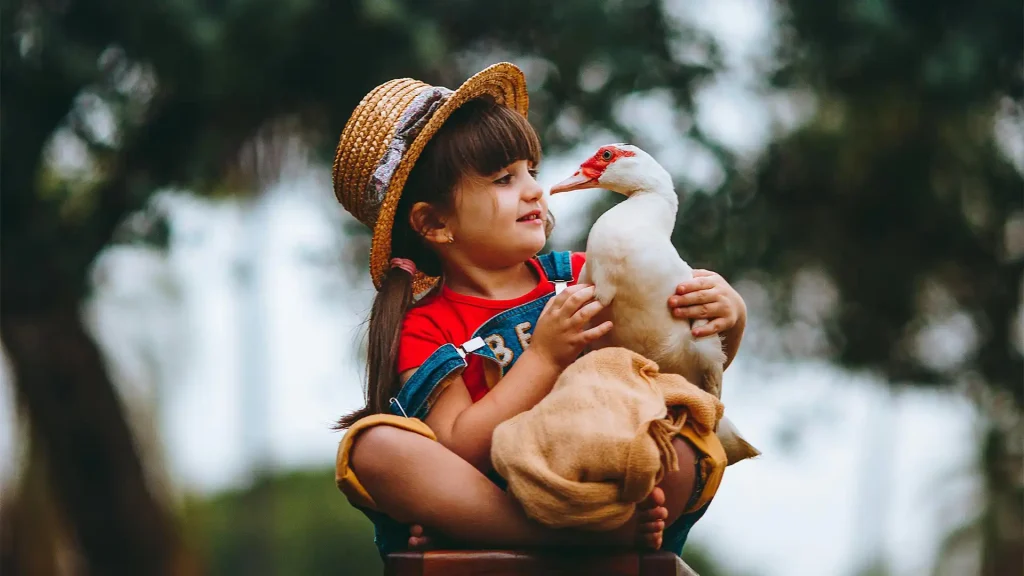
When we look through the viewfinder of a camera, we are not just focusing on a subject; we are engaging in a profound act of emotional expression. Photography offers a unique lens into the human experience, allowing us to convey emotions that resonate deeply with others. Each photograph serves as a visual diary, capturing feelings of joy, sorrow, nostalgia, and hope. This emotional connection can be especially powerful in moments that might otherwise slip by unnoticed.
Take, for instance, the work of photographers who specialize in capturing candid moments at family gatherings. A simple snapshot of a grandparent sharing a laugh with their grandchild conveys warmth and tenderness, immortalizing an emotional bond that defines family life. These artistic expressions remind us of the preciousness of time and the significance of our relationships. In this way, photography transcends mere documentation; it becomes a vehicle for storytelling that strikes at the heart of what it means to be human.
Another crucial aspect of photography is its creative freedom. Photographers can choose various techniques, styles, and themes to convey their visions. Whether leaning towards minimalist aesthetics or vibrant color palettes, each photographer’s choice reflects their unique personality and approach to art. As trends evolve, genres like macro photography and night photography gain traction, providing new platforms for creative exploration. Aspiring photographers in the United States are now discovering new tools, from the latest smartphone camera capabilities to sophisticated editing software, which democratize the art-form and empower individuals to unleash their creativity.
For many, photography is not just about the final image but also about the journey of capturing it. The process itself can be incredibly rewarding, fostering a sense of mindfulness as photographers immerse themselves in their surroundings to find the perfect shot. This mindful observation often leads to unexpected discoveries, transforming ordinary scenes into extraordinary works of art. Photographers like Ansel Adams, celebrated for his breathtaking landscapes, utilized the interplay of light and shadow, demonstrating how immersed observation can yield stunning results that highlight the beauty of nature.
- Engagement with the environment: Photographers often find themselves more connected to their surroundings, appreciating the subtle nuances of light, texture, and emotion that might otherwise go unnoticed.
- Personal growth: Photography encourages individuals to step out of their comfort zones, try new techniques, and embrace vulnerabilities as they pursue their artistic vision.
- Community connection: Participating in local photography clubs or social media groups allows photographers to share their work, gain feedback, and discover inspiration from fellow artists.
As we delve deeper into the interplay of photography and personal art, we discover how each image forms an integral part of the artist’s journey—telling stories, capturing experiences, and fostering connections. Engaging with this art form provides individuals not just a means of creative expression but also a platform to document life through their unique lenses. The upcoming sections will explore various styles and techniques further, illustrating how each contributes to the rich tapestry of stories that photography can unveil.
| Aspect | Details |
|---|---|
| Creative Expression | Photography allows individuals to express their unique personal vision, transforming ordinary moments into extraordinary visual narratives. |
| Storytelling | Each photograph can capture a story, evoking emotions and preserving memories, which can resonate with viewers on a deep emotional level. |
Photography is not merely about taking pictures; it’s an extensive exploration of life and its subtleties. By wielding a camera, artists seize fleeting instances that would otherwise fade into oblivion. The compelling nature of photography lies in its ability to tell stories, opening up dialogues between the artist and the observer. Through varied techniques, including framing, lighting, and composition, photographers can convey their personal interpretations of reality. Moreover, the advent of digital technology enables budding photographers to experiment freely, refine their skills, and develop a distinct style. From intimate portraits that encapsulate human emotion to sweeping landscapes that showcase the beauty of nature, the richness of the art form is palpable. Photography empowers individuals to not only document their lives but to influence others, sparking discussions about culture, identity, and momentous occasions. In a world where visuals reign supreme, photography stands as a powerful medium for self-expression, inviting viewers to align their interpretations with the creator’s intent. Each image is a window into diverse experiences, encouraging an understanding of various perspectives through the lens. Whether you are capturing moments for personal reflection or sharing your journey with the world, photography remains an invaluable tool for connecting humanity through shared experiences.
DISCOVER MORE: Click here to learn about the impact of music festivals
Photography Techniques That Enhance Storytelling
As we dive deeper into the realm of photography as a form of personal art, it is essential to explore various techniques that photographers utilize to enhance both storytelling and emotional impact. In the hands of a skilled artist, every choice—composition, lighting, and perspective—plays a pivotal role in shaping the narrative conveyed through an image. Understanding these techniques can empower photographers to elevate their craft and connect with their audiences more profoundly.
Composition is one of the foundational elements that create visual interest and guide the viewer’s eye. Techniques such as the rule of thirds—where the frame is divided into equal segments—help frame subjects in a way that feels balanced and aesthetically pleasing. This method invites viewers to explore the photograph rather than simply glance at it. For instance, a serene landscape captured with this technique can evoke feelings of tranquility, allowing onlookers to mentally step into the scene. Similarly, leading lines can draw attention to a focal subject and lead the viewer’s gaze across the image, telling a story through the path within the frame.
Another important factor to consider is lighting. The time of day significantly impacts the mood of a photograph. The much-coveted golden hour—just after sunrise and before sunset—offers a soft, warm light that enhances colors and adds depth. Photographers like Hannah Arendt have harnessed this magic hour to capture intimate portraits, imbuing their subjects with a sense of warmth and approachability that makes stories more relatable. Understanding how to manipulate natural and artificial light can transform everyday scenes into enchanting narratives, making the audience feel as though they are a part of the moment.
Exploring Different Genres of Photography
Each genre of photography offers a unique avenue for storytelling. Documentary photography, for instance, focuses on actual events and issues, allowing the photographer to capture life’s raw and unfiltered moments. Consider renowned documentary photographers such as Dorothea Lange, whose images from the Great Depression told harrowing stories of resilience and survival. Each photograph acts as a time capsule, preserving the struggles and triumphs of individuals, while sparking conversations around social issues that remain relevant today.
Street photography offers another exciting lens through which to tell stories. By focusing on candid moments in public spaces, photographers showcase the everyday lives of strangers, often revealing unexpected connections and emotions. For example, the work of Vivian Maier showcases spontaneous moments that breathe life into urban environments, allowing viewers to reflect on the diversity of human existence. The unpredictability of street photography enriches the narrative aspect, as each capture is a fleeting glimpse into someone else’s world.
The Role of Technology in Modern Photography
In addition to traditional techniques, advancements in photography technology have vastly expanded creative possibilities. The rise of mobile photography enables anyone with a smartphone to explore their artistic vision, boasting powerful cameras that rival dedicated equipment. This technological democratization means that a new generation of photographers can access tools to express themselves, regardless of their background or budget.
Furthermore, post-processing software allows photographers to manipulate their images, enhancing colors or adjusting compositions to convey their intended narratives better. Programs like Adobe Lightroom and Photoshop have become indispensable for modern photographers, enabling them to enhance their storytelling capabilities with each edit. Whether brightening a dreary landscape or adding a dreamy haze to a portrait, digital manipulation touches upon the photographer’s unique perspective and artistry.
- Mixed media: Integrating photography with other art forms, such as painting or collage, creates multidimensional storytelling that captivates audiences.
- Interactive photography: In a digital age, photographers can create immersive experiences through platforms that allow viewers to engage with the stories behind the images.
- Sustainability themes: As environmental concerns rise, many photographers are focusing on nature and conservation, using their art to advocate for change.
As we examine these diverse techniques and genres, it becomes evident that photography is much more than merely pressing a shutter. Instead, it serves as a multifaceted medium through which personal expression evolves into universal narratives, each image unfurling layers of meaning and emotion for viewers to explore. In the following sections, we will delve into the ethical dimensions of photography and how these considerations shape the relationship between artist and subject.
DIVE DEEPER: Click here to uncover the evolution of musical styles
Conclusion: The Enduring Power of Photography in Personal Expression
Photography is undeniably more than a mere hobby; it serves as a profound form of personal art that captures fleeting moments and tells intricate stories through lenses. As we’ve explored, techniques such as composition, lighting, and various genres of photography significantly enhance the storytelling aspect, turning a single image into a rich tapestry of human experience. Each photograph becomes a vessel of emotion, inviting viewers to engage with the narrative behind the frame, whether it be a candid moment on the street or a poignant documentary shot.
The rapid advancement of technology has also democratized photography, allowing a broader spectrum of voices to articulate their perspectives. With smartphones as powerful tools for creative expression, anyone can engage in this art form, challenging traditional boundaries and redefining what it means to be a photographer. This accessibility not only fosters individual creativity but also cultivates a vibrant community of artists who share diverse stories that resonate at local and global levels.
Ultimately, photography bridges the personal and universal, capturing the essence of humanity’s shared experiences. For both the photographer and the viewer, it presents a unique opportunity to reflect on life’s moments—be they joyous, tragic, or thought-provoking. As we continue to explore and evolve in our photographic journeys, the potential for storytelling through the lens remains limitless. Encouraging continual engagement, exploration, and creativity, photography will undoubtedly flourish as a vital medium for personal expression and connection in our visually driven world.