Minimalist Interior Design Create Functional Spaces with Less
Discovering Minimalism in Interior Design
The essence of minimalism transcends mere aesthetic; it embodies a lifestyle focused on simplicity and functionality. In a world saturated with clutter and distractions, minimalist interior design offers a refreshing remedy, promoting clean lines and open spaces that foster tranquility. By adhering to the principles of less is more, individuals can create environments that not only look good but also enhance their everyday lives.
Minimalism encourages a thoughtful approach to personal organization, where each piece serves a purpose and contributes to a greater sense of harmony. Here are some key aspects of minimalist design:
- Functionality: Every item should have a clear and practical function.
- Quality over quantity: Choose fewer, high-quality pieces that make a statement.
- Neutral color palettes: Emphasizing light and airy colors can create a serene atmosphere.
- Open spaces: Maintaining clear pathways enhances both movement and flow.
As we delve deeper into the world of minimalist interiors, get ready to explore the Top 5 tips for creating functional spaces with less. Whether you’re looking to renovate a single room or overhaul your entire home, these insights will help you embrace minimalism in a meaningful way.
Top 5 Minimalist Interior Design Tips: Creating Functional Spaces with Less
In an era where the complexity of modern life can often become overwhelming, the shift towards Minimalist Interior Design offers a refreshing alternative. At its core, minimalism is about reducing excess to enhance both functionality and aesthetics. This design philosophy not only transforms physical spaces but also simplifies mental landscapes, fostering environments that promote peace and clarity. If you are ready to embrace a minimalist lifestyle, these top five tips will guide you in crafting a space that is both practical and enchanting.
5. Color Palette: Choose Subtle and Harmonious Shades
The foundation of any minimalist space must begin with its color palette. Straying from loud, dominating hues, this design philosophy emphasizes soft, understated tones that calm the senses and promote serenity. Neutrals such as whites, grays, beiges, and pastels are the cornerstone of minimalist interiors, subtly interweaving through various elements to create a unified atmosphere.
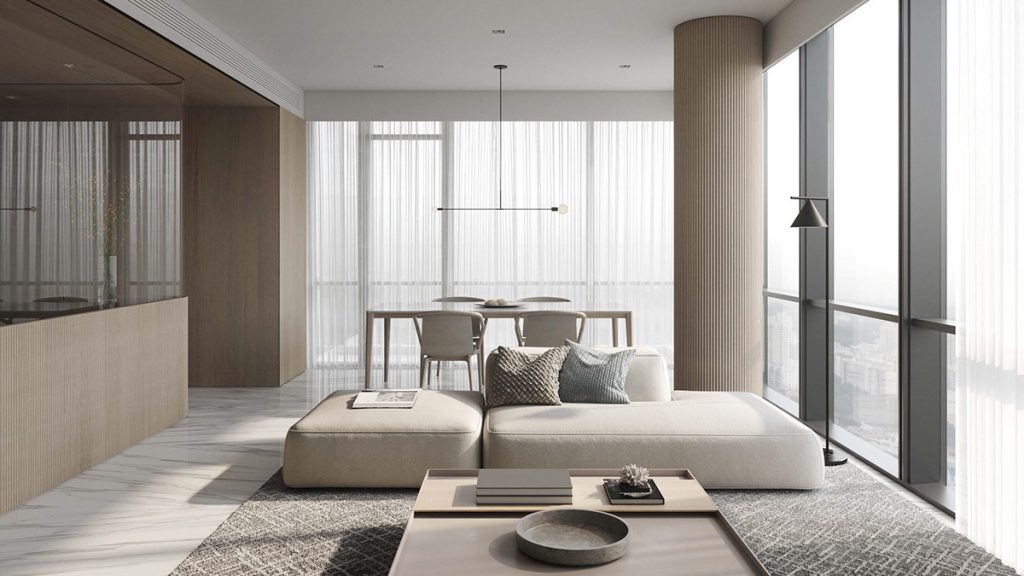
When choosing your palette, consider:
- Monochromatic Schemes: Stick to one primary color, leveraging different shades to add depth and interest. This typifies the minimalist approach by using variation within simplicity.
- Natural Materials: Earthy tones that echo the natural world, such as muted greens or gentle browns, contribute to a soothing indoor environment.
- Accent Pieces: Introduce bold hues sparingly to inject some vibrancy through cushions or artwork, allowing these pops of color to shine against a neutral backdrop.
This thoughtful use of color reduces visual noise, a critical tenet of minimalism which, in turn, amplifies mental clarity.
4. Functional Furniture: Invest in Multi-Purpose Pieces
Furniture in a minimalist setup sways from superfluity, focusing instead on purposefulness and versatility. With homes becoming increasingly compact, the demand for furniture that caters to multiple needs has amplified. A key minimalist principle is to select furniture that enhances space utilization without compromising on comfort or style.
Consider these examples of multi-purpose furnishings:
- Ottomans: Beyond serving as comfortable seating, they can function as storage solutions and occasional tables, enabling you to maximize small spaces effectively.
- Foldable Desks: Ideal for home office areas that require flexibility, these can be neatly folded away when not in use, serving both functionality and aesthetic appeal.
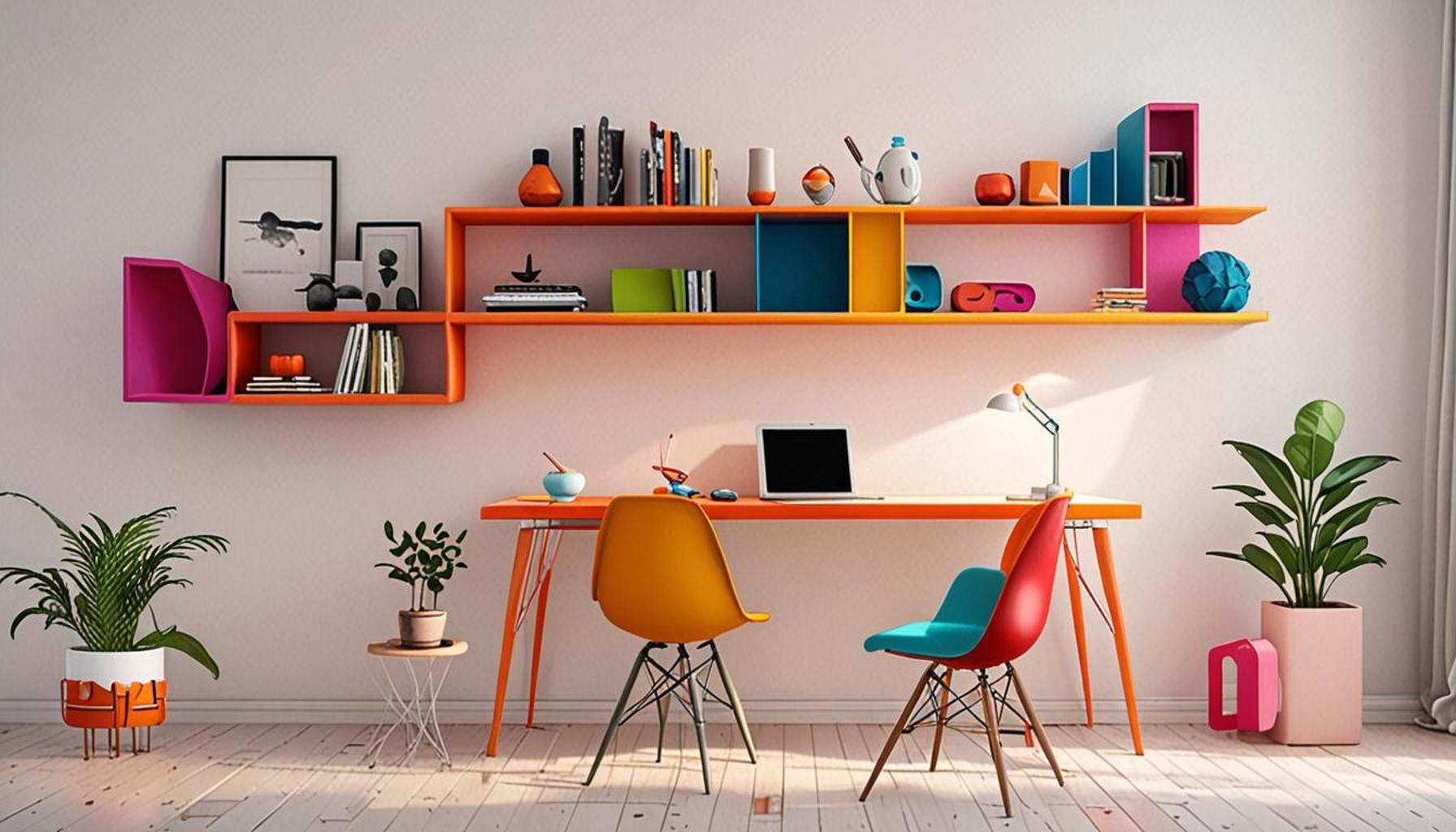
- Wall Units: These units serve as elegant storage or display solutions without occupying precious floor space, inherently supporting the minimalist aim of functional implementation.
By selecting furniture that celebrates form and function, you embody the minimalist mantra of ‘less is more,’ resulting in a home that’s both stylish and practical.
3. Declutter: Embrace the ‘Less Is More’ Philosophy
Decluttering is perhaps the most transformative step in minimalist design, acting as a conduit to free the mind from the burdens of excess. This process, while often challenging, is essential to creating spaces that breathe and allow us to explore life uncluttered by unnecessary belongings.
Minimize with these strategies:
- Make a List: Begin by listing items essential to daily use versus those kept out of sentimentality, ensuring every item retained serves a purpose.
- Use Bins: Designate bins for donating, recycling, or disposal to sift through belongings efficiently, clearing your space for what truly matters.
- Time Yourself: By setting time limits on decluttering sessions, the task remains focused and less daunting, making it part of a manageable routine.
By creating a decluttered environment, you lay the groundwork for both physical and mental liberation, key elements of a minimalist lifestyle.
2. Lighting: Natural Over Artificial
Lighting’s influence in minimalist spaces cannot be overstated. Natural light is a hallmark of this design ethos as it fosters a connection to the outdoors and engenders a sense of openness and harmony. Harness sunlight to its fullest by utilizing large windows, implementing sheer curtains, and strategically placing mirrors to amplify light’s reach.
In instances where artificial lighting is inevitable, align your choices with minimalist principles:
- Simple Fixtures: Opt for designs that emphasize clean lines and functionality rather than ornate detailing that could overpower the room’s simplicity.
- Layered Lighting: Balance is key; use ambient, task, and accent illumination to create a layered effect that complements your space.
- Floor Lamps: Select slim and understated designs that add a touch of elegance without detracting from the minimalist aesthetic.
Effective lighting elevates a minimalist environment, highlighting its simplicity and ensuring the space remains inviting and refreshing.
1. Open Space: Focus on Flow and Layout
One of the underlying principles of minimalist interior design is spatial awareness and the flow of movement within a room. Prioritizing open spaces enhances accessibility and cultivates a sensation of freedom, allowing inhabitants to feel at ease in their surroundings.
Focus on the following aspects to achieve a flowing layout:
- Purpose-Driven Placement: Arrange furniture in a manner that encourages seamless movement and practical use, devoid of obstacles and unnecessary fixtures.
- Visual Harmony: Maintain balance within the layout by placing statement pieces thoughtfully, avoiding overcrowding which can counteract minimalism’s essence.
- Negative Space: Embrace empty spaces as they emphasize simplicity and offer a respite from clutter, leading the eye and mind to rest peacefully.
Achieving a layout that prioritizes open spaces not only highlights the minimalist quest for functionality but also enriches the lives of those inhabiting the space, providing a tranquil refuge from the chaos of modern life.
By incorporating these five foundational tips into your design strategy, the journey towards creating a minimalist space that merges form, function, and tranquility becomes a rewarding endeavor, bringing about both aesthetic and mental rejuvenation.
| Category | Description |
|---|---|
| Space Optimization | Minimalist design focuses on using every inch wisely, ensuring that even the smallest room can feel spacious and functional. |
| Aesthetic Appeal | The use of clean lines and simple shapes in minimalist themes offers a timeless elegance that appeals to many modern homeowners. |
| Sustainability | With a focus on fewer items, minimalist design promotes eco-friendly living by reducing consumption and waste. |
| Emotional Clarity | Minimalist environments can foster a sense of peace and clarity, allowing for mental relaxation by reducing visual clutter. |
In a world characterized by constant stimulation and information overload, the adoption of a minimalist interior design approach provides a refreshing alternative. The philosophy of using less to achieve more should be at the forefront of any thoughtful home design. As we delve deeper into the aspects of minimalist design, consider how these categories influence both the functionality and aesthetic of living spaces.Let’s first take a closer look at **Space Optimization**. In minimalist design, every piece of furniture and decor has its purpose. This intentionality maximizes the functionality of the space while minimizing visual clutter, fostering an inviting and breathable atmosphere. For instance, a cleverly designed multifunctional sofa or a coffee table with built-in storage can significantly elevate the utility of a room.When discussing **Aesthetic Appeal**, it’s important to note that simplicity in design encourages a visual calm that resonates with many individuals. Colors are often kept neutral, and decoration is sparse, which allows natural light to play a fundamental role in highlighting architectural features. This creates an ambiance that evokes a modern, chic flair, making spaces feel both contemporary and inviting.Additionally, **Sustainability** is an increasingly relevant theme in today’s ecological discourse. Minimalist design often advocates for quality over quantity, encouraging homeowners to invest in fewer, high-quality pieces that are long-lasting, thus reducing waste. By deliberately choosing durable materials and timeless designs, people can contribute to a more sustainable lifestyle while enjoying their homes.Lastly, the influence of minimalist design on **Emotional Clarity** cannot be overstated. A space designed with minimalism in mind provides an atmosphere that promotes peace. By reducing visual distractions, homeowners often find that their mental space is liberated, enabling more focus and tranquility. Whether it’s through the inclusion of a quiet reading nook or an airy bedroom, the impact of minimalist aesthetics can be profound.These elements come together to create environments that are not just functional but are reflections of modern values and lifestyles. Embracing minimalism in interior design encourages a mindful approach to our living spaces, driving us to appreciate what we truly need and value.
Frequently Asked Questions about Minimalist Interior Design
What is minimalist interior design?
Minimalist interior design is a style that emphasizes simplicity, functionality, and the notion of “less is more.” It focuses on creating spaces that are clean and uncluttered, using a minimal number of elements to achieve maximum effect. The design often features a neutral color palette, sleek furnishings, and a focus on essential and purposeful decor without excessive ornamentation.
How can I make a small room look larger with minimalist design?
Incorporating minimalist design into a small room can dramatically enhance the perception of space. Start by utilizing a light color scheme for walls and furnishings to reflect light and create an airy atmosphere. Avoid clutter by selecting multi-functional furniture that maximizes storage, and strategically place mirrors to give the illusion of a larger area. Opt for furniture with legs to expose floor space and make the room appear more open.
What are the key elements to focus on when adopting a minimalist design?
The cornerstone of minimalist design lies in its simplicity and functionality. Key elements include a restrained color palette, often using whites, grays, or earth tones to maintain a tranquil environment. Choose furniture with clean lines and prioritize quality over quantity. Proper lighting is essential; consider both natural light and thoughtfully placed artificial lights to enhance the space. Finally, focus on decluttering and keeping surfaces as free from unnecessary items as possible.
Can minimalism incorporate texture and patterns?
Yes, minimalism can incorporate texture and patterns, but they should be used sparingly and deliberately. Introducing different textures, such as wood, stone, or fabric, adds depth and interest to a space without compromising its simplicity. Patterns, when used, should be subtle and understated to complement rather than overwhelm the minimalist aesthetic. The key is balance; ensure any added textures or patterns align with the room’s overall theme and color scheme.
How can I personalize a minimalist space without overfilling it?
Personalizing a minimalist space involves carefully selecting items that reflect your personality and preferences while maintaining the overall design ethos. Invest in artwork or statement pieces that resonate with you without overpowering the room. Incorporate elements like plants, which add life and color, or display a few cherished personal items strategically. The goal is to infuse the space with individuality while preserving its essential minimalist character.
Conclusion
In the exploration of Minimalist Interior Design, the emphasis is on creating functional environments with fewer elements, presenting both an aesthetic and a lifestyle choice. This approach resonates with those who seek simplicity and clarity in their surroundings, offering a way to streamline not only spaces but also mental landscapes. By integrating functional designs that prioritize essentialism, individuals can reduce clutter, which often leads to improved focus and serenity.
The strategic use of limited color palettes, multifunctional furniture, and open spaces are integral components of this design philosophy. These elements work in harmony to ensure that each space serves its intended purpose efficiently. It’s not just about the removal of unnecessary items but about the careful selection and placement of those that remain. The balance achieved through minimalist design can lead to enhanced well-being, as it often encourages more mindful living and organization.
Minimalism and personal organization are tightly intertwined. As explored, minimalism demands a shift in thinking—a move away from material accumulation towards valuing quality over quantity. This lifestyle choice can lead to a more organized home where every item has a purpose and a place, thus contributing to a more tranquil environment.
Ultimately, embracing a minimalist approach requires introspection and commitment but can yield significant benefits in functional design and personal peace. The journey towards minimalism invites individuals to discover new depths of creativity and joy in simplicity, urging them to constantly reevaluate their needs versus wants. As we strive to create more meaningful spaces, minimalist design stands as a beacon for sustainable and fulfilling living.