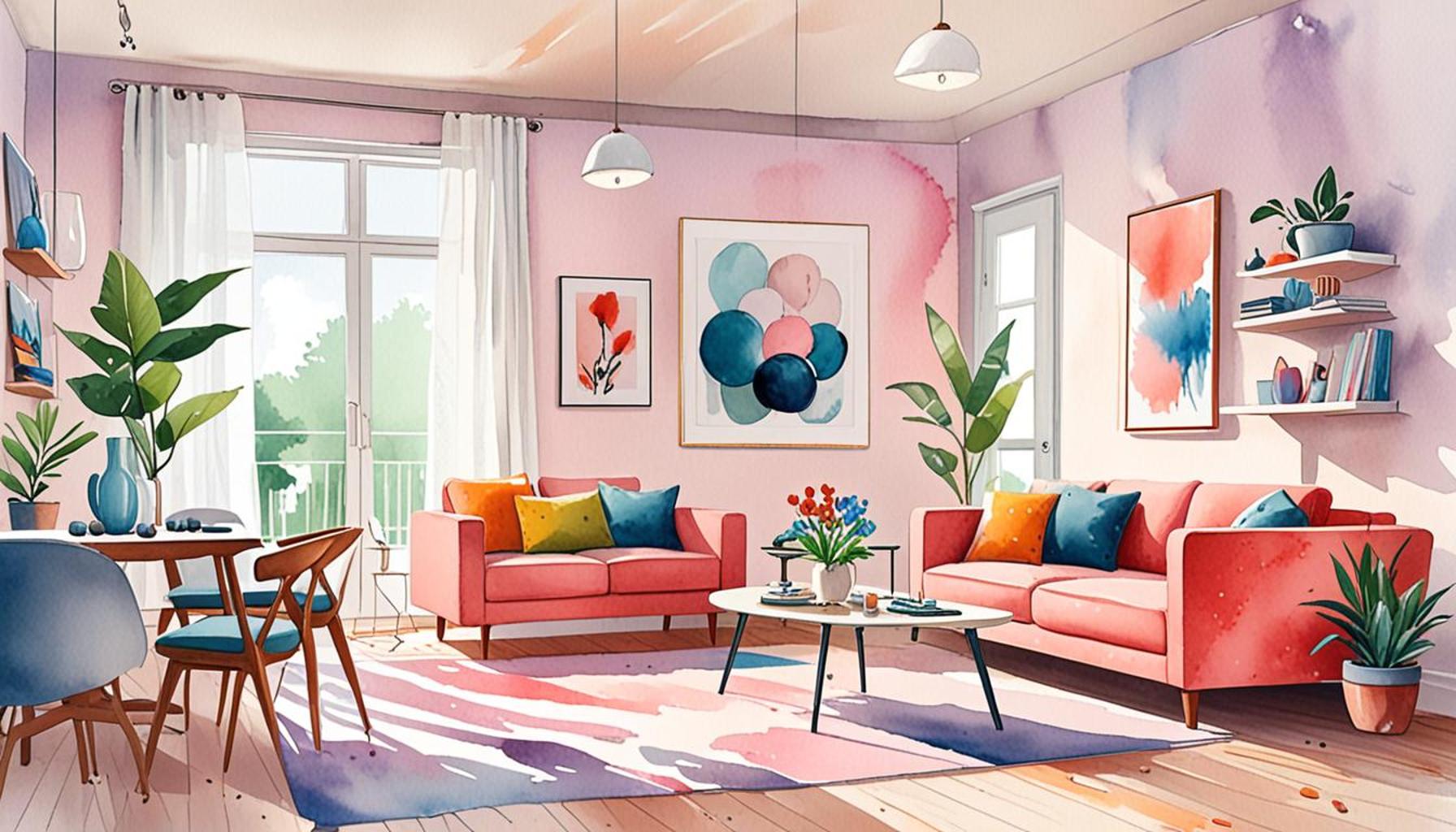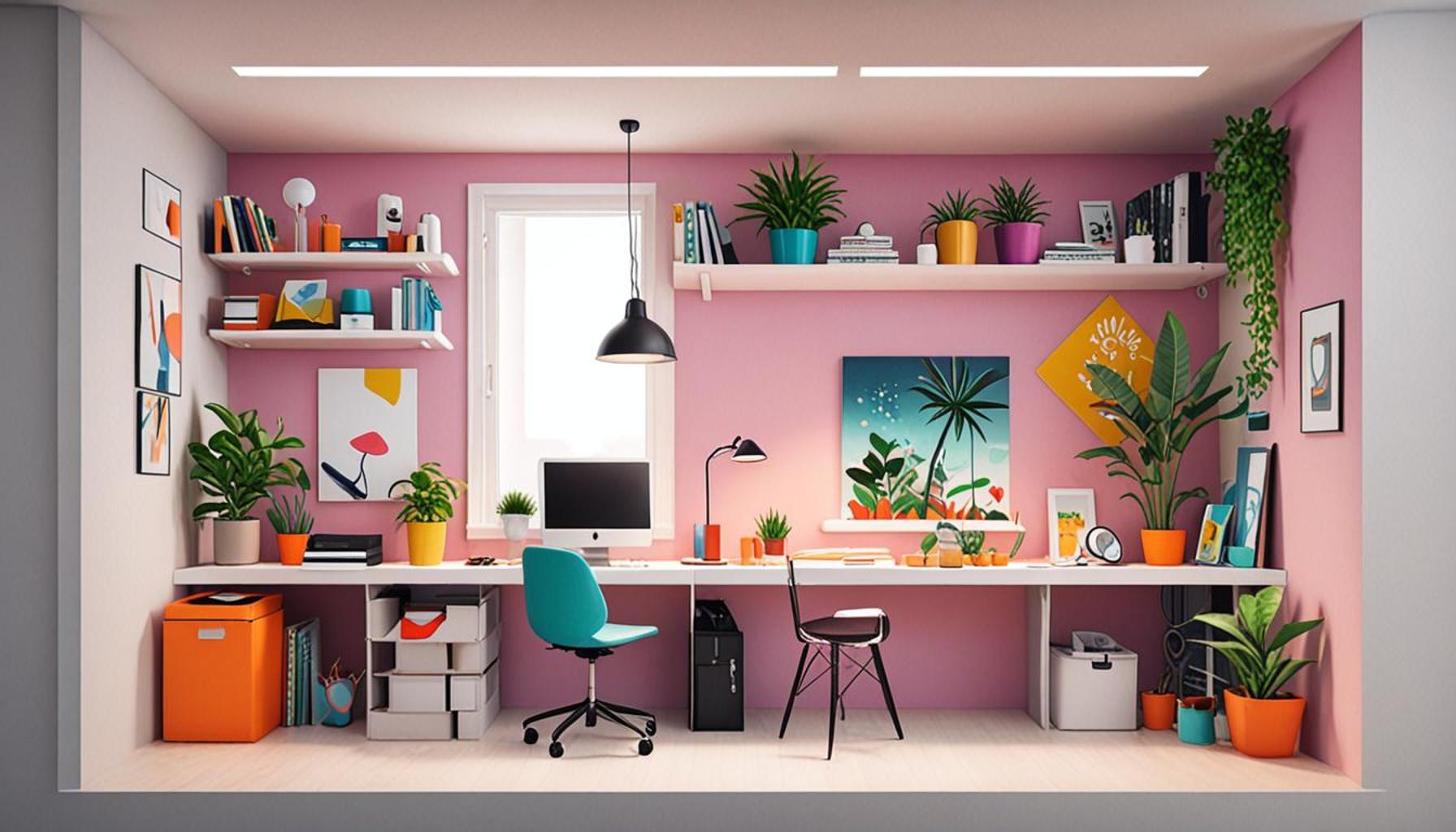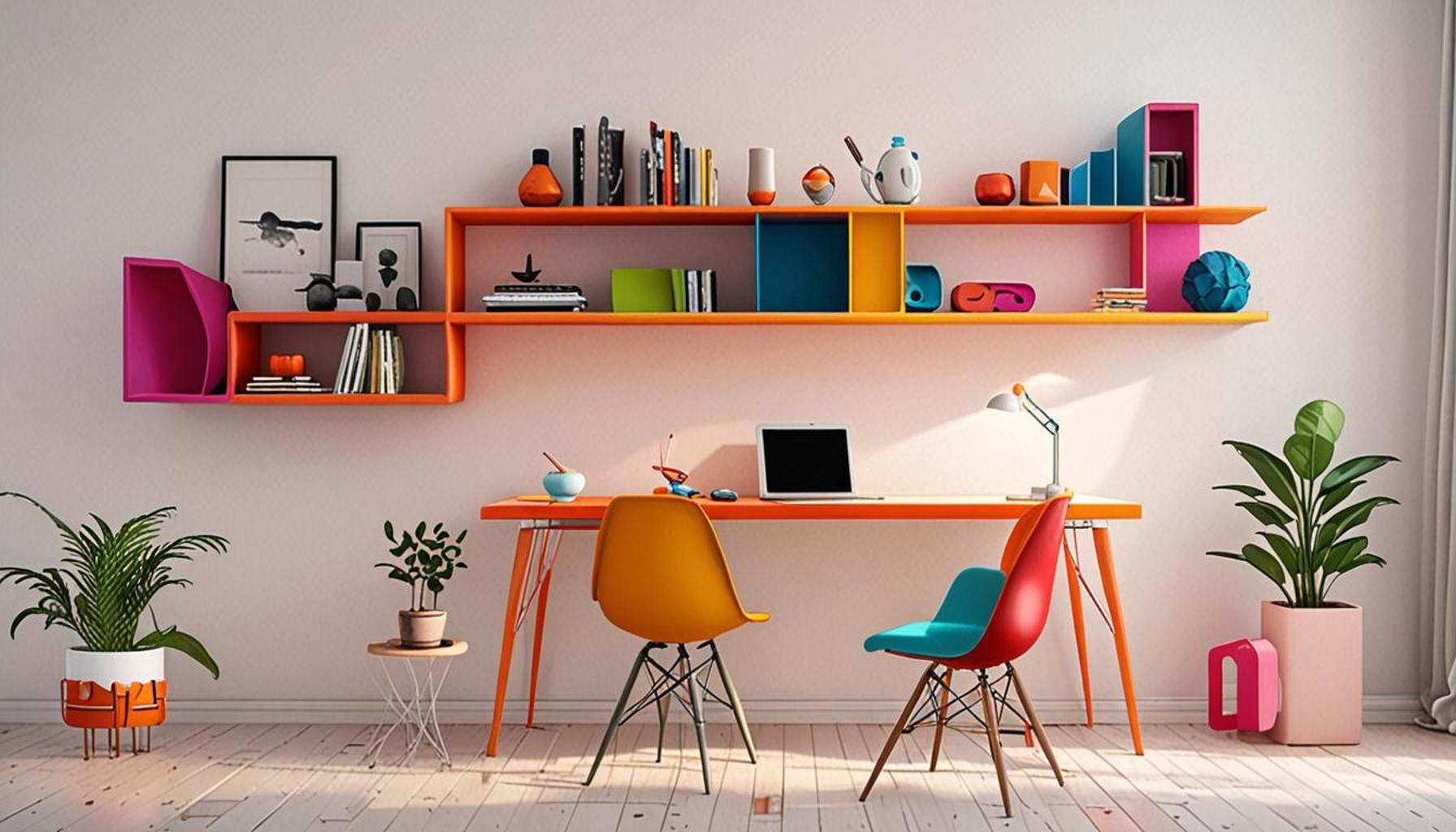
Maximizing Space Minimalist Storage Solutions for Small Rooms
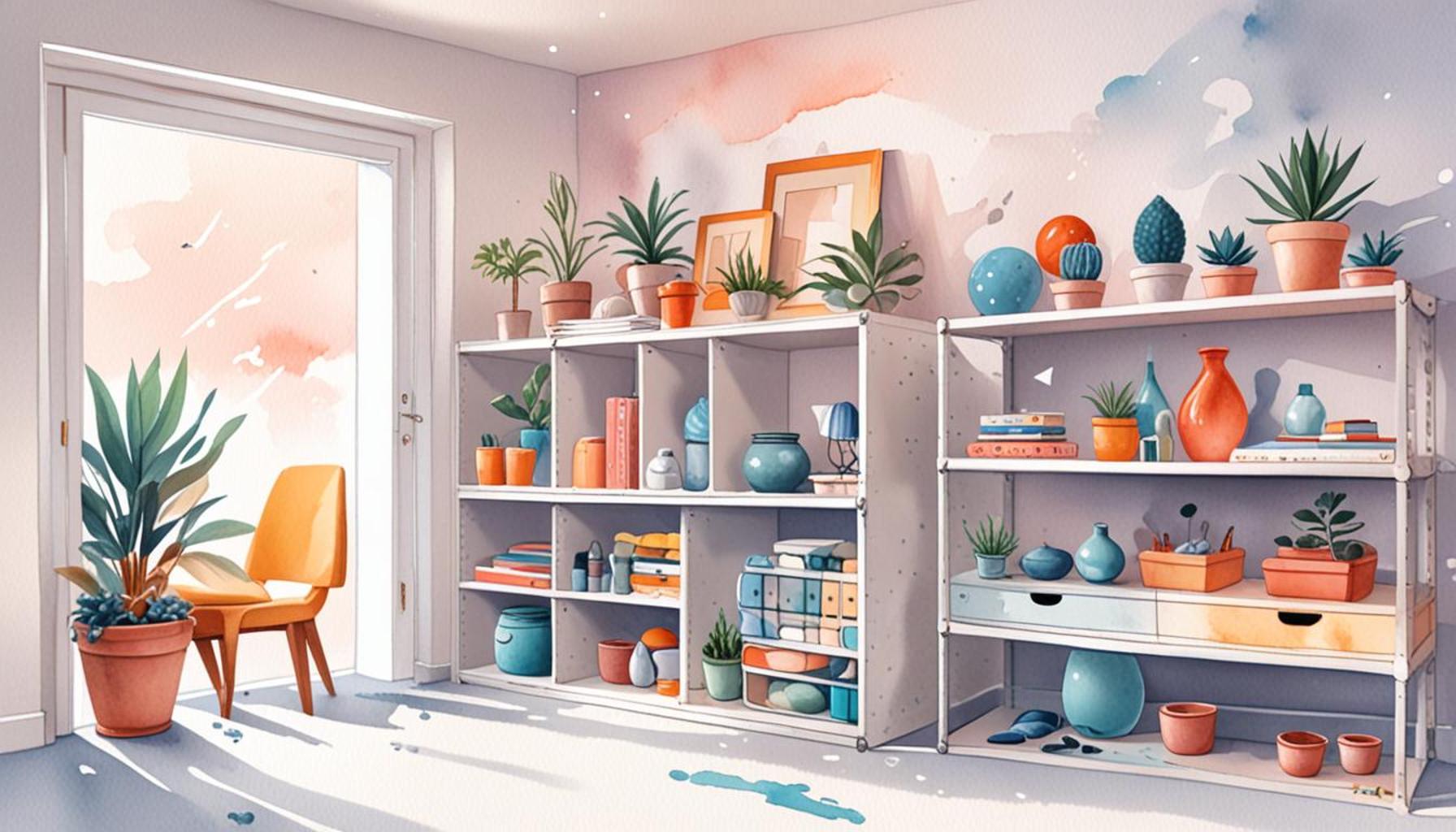
In today’s fast-paced world, where urban living often means constrained spaces, the appeal of minimalism has never been more relevant. As individuals strive to simplify their lives and focus on what truly matters, efficient organization becomes essential. Embracing a minimalist approach not only enhances spatial aesthetics but also promotes mental clarity.
Small environments present unique challenges, yet they also offer opportunities for creativity in organization. The right storage strategies can transform cramped quarters into functional havens, enhancing both comfort and efficiency. With that in mind, let’s explore some innovative solutions that demonstrate how to make the most of limited space.
- Vertical Storage: Utilize walls to free up floor space.
- Multi-Functional Furniture: Invest in pieces that serve multiple purposes.
- Decluttering Techniques: Adopt methods to minimize possessions and maximize space.
- Custom Storage Solutions: Consider tailored options that fit your specific needs.
- Creative Organizers: Use innovative tools to maintain order and accessibility.
This article will rank the Top 5 minimalist storage strategies specifically designed for small rooms, allowing you to transform your living space into a well-organized sanctuary. Join us as we delve into these practical and inspiring approaches to personal organization.
Maximizing Space: Minimalist Storage Strategies for Small Environments
As urban living spaces continually shrink, and the concept of minimalism gains traction, effective storage solutions are more critical than ever. Whether you live in a city apartment or a small studio, maximizing every square inch can transform your home from cluttered to chic. This article delves into top minimalist strategies, inviting readers to explore innovative ways to enhance function and aesthetics in cramped quarters. With a penchant for clean lines and simplicity, these tips can turn your living space into a model of efficiency and style.
5. Utilize Vertical Space
In small environments, the often-overlooked vertical dimension can be a game-changer. Imagine your walls not just as barriers but as vast potential storage landscapes. By installing shelves high up, you can create a library out of your book collection or display art that doubles as décor. Vertical solutions, such as wall-mounted racks and pegboards, add functionality without sacrificing floor space.
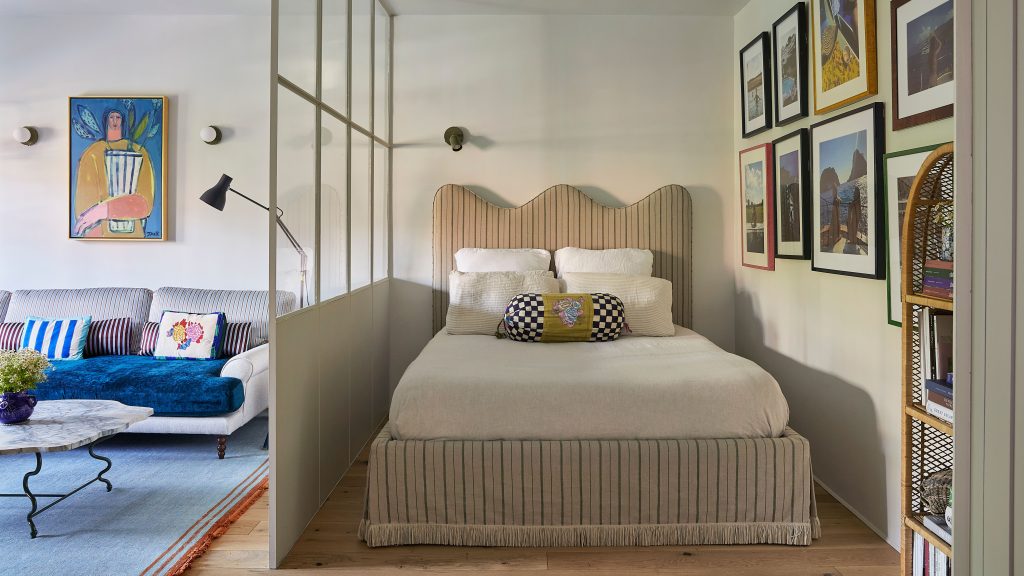
To effectively use vertical spaces:
- Floating shelves offer a streamlined look and easy access to stored items.
- High cabinets and tall bookcases draw the eye upward, creating an illusion of space.
- Hoist bikes or outdoor gear on vertical panels; this both clears floors and turns equipment into décor.
Not only does harnessing vertical space free up vital floor area, but it also contributes to an overall sense of openness, making even the most compact home feel spacious.
4. Multi-Functional Furniture
When living in a limited footprint, each piece of furniture must earn its keep. Multi-functional furniture is not just practical; it exemplifies smart living. A sofa bed, for instance, shifts a room’s purpose from lounge to guest accommodation seamlessly, while a storage-oriented coffee table tidily conceals living room clutter doors the same.
Consider investing in the following multi-purpose pieces:
- Storage ottomans that open up and hide away a myriad of items.
- Expandable dining tables that morph to meet dining guest numbers.
- Beds featuring drawers underneath, or lofted beds capitalizing on under-space for storage.
These double-duty pieces not only keep environments organized but also maintain a welcoming, uncluttered aesthetic, testament to a considered minimalist lifestyle.
3. Smart Organization Systems
Organizational systems delineate the boundary between chaos and tranquility. Implementing clear bins, drawer dividers, and labeled containers instills orderliness, making every item readily accessible. This painstaking organization applies universally, from closets to common spaces, rendering them easier to manage.
Steps to optimize organization:
- Group similar articles, such as office supplies or kitchen utensils, emphasizing cohesiveness.
- Adopt a “one in, one out” policy, ensuring the introduction of a new item results in the removal of an older one.
- Conduct regular inventories to judge relevance, donating or discarding unused items timely.
A robust organizational framework supports the minimalist goal of harmony, ensuring that spaces remain orderly and intentional.
2. Creative Nooks and Hidden Spaces
Your home harbors a wealth of unexploited spaces that, with a little ingenuity, can dramatically expand storage. Look around—are the undersides of staircases or gaps above cabinets yearning for utility? Addressing these spaces not only increases storage capacity but also uniquely augments character and charm.
Ideas to consider:
- Introduce drawers or shelves beneath staircases for a concealed storage solution.
- Create intimate reading nooks with built-in benches, stashing blankets or books beneath seating.
- Utilize the upper reaches above doors, ideal for decorative shelving or functional extra storage space.
By weaving creativity with practicality, every neglected niche becomes a potential asset, reshaping the possibilities of your living space.
1. Declutter and Reduce
The bedrock of minimalism is undoubtedly decluttering. It’s about crafting a space that serves purpose and elicits joy, steering clear from superfluous accumulation. Downsizing puts you at the helm—making thoughtful selections that complement your minimalist ethos.
Incorporate the following into your decluttering process:
- Regularly review possessions every three to six months, honing in on necessity versus sentiment.
- Invoke the Marie Kondo method, retaining only items that genuinely spark joy.
- Host decluttering parties, engaging social support to motivate the process.
Decluttering lifts the weight of excess from your life, crafting a streamlined, serene atmosphere that encourages you to embrace your minimalist haven fully.
By incorporating these insightful strategies, you can meaningfully transform even the smallest spaces into both organized and aesthetically pleasing environments. These smart solutions inspire greater freedom and creativity, proving that maximizing space is not just attainable but an enriching journey in itself.
| Category | Details |
|---|---|
| Vertical Storage Solutions | Utilizing walls for shelving and hooks allows for greater organization without taking up floor space. |
| Multi-functional Furniture | Items like a sofa bed or ottomans with storage can provide both comfort and utility, maximizing the use of limited spaces. |
| Minimalistic Design | Emphasizing fewer items with clean lines creates an illusion of more space and reduces clutter in compact areas. |
| Hidden Storage | Innovative solutions, such as built-in drawers or hidden compartments, can keep belongings out of sight, promoting a tidy environment. |
In a world where real estate is increasingly scarce, the need for innovative storage solutions is more pertinent than ever. Vertical storage solutions represent a powerful strategy for maximizing space in small environments. By transforming bare walls into functional areas with shelves, hooks, and cabinets, one can create an organized and efficient living space. This approach not only helps in decluttering but also makes the space visually appealing.Another game-changer for small areas is the use of multi-functional furniture. Pieces such as a convertible sofa or a coffee table with storage can effectively perform multiple roles. This flexibility allows residents to adapt their living space to various needs—whether it’s hosting guests or utilizing space for work or leisure. The concept encourages creativity and resourcefulness in interior design, enabling individuals to enjoy comfort without sacrificing style.Further augmenting minimalism, the principle of minimalistic design stresses the importance of simplicity. A design approach focused on fewer yet impactful elements creates an airy ambiance, making even the smallest rooms feel spacious. By selecting furniture and decor with clean lines and functional attributes, homeowners can cultivate an environment that exudes both tranquility and efficiency.Lastly, the integration of hidden storage solutions into the architecture of small apartments or homes can discreetly cater to storage needs. From beds with drawers underneath to built-in cabinets that blend seamlessly into walls, these solutions promote an uncluttered atmosphere. By keeping belongings out of sight, residents can maintain a sense of peace and order, essential for navigating the challenges of compact living.With these strategies, individuals in smaller living spaces can find new ways to interact with their environment, making the most out of every square inch.
Frequently Asked Questions: Maximizing Space with Minimalist Storage Solutions
What are some effective minimalist storage solutions for small spaces?
Minimalist storage solutions aim to create a sense of order and openness, even in limited areas. Consider using multi-functional furniture such as ottomans with hidden storage, beds with built-in drawers, and wall-mounted desks to free up floor space. Vertical storage is key; use shelves and hooks to utilize wall space efficiently. Additionally, prioritize items that are both decorative and functional to avoid clutter and maintain a minimalist aesthetic.
How can I decide what to keep and what to discard in a small living space?
Begin by evaluating the practicality and frequency of use of each item. The KonMari Method, which involves keeping only items that “spark joy,” can be an effective way to make decisions. Group belongings by categories rather than locations to streamline the decluttering process. Donate or recycle items that are no longer needed, keeping only those that have a clear purpose or value. This method can help create a more organized and spacious environment.
Are there specific colors or design strategies that can make small spaces feel larger?
Yes, certain color schemes and design elements can greatly influence the perception of space. Light colors, such as whites and pastels, reflect light and can make a room feel larger and more open. Incorporating mirrors can also amplify light and create the illusion of depth. Additionally, maintaining a consistent color palette and avoiding overly complex patterns help in creating a cohesive and spacious feel.
What role do storage organizers play in a minimalist strategy?
Storage organizers are crucial in maintaining a minimalist approach as they help maximize utility while keeping clutter at bay. Consider using clear containers to easily identify contents and avoid “out of sight, out of mind” scenarios. Drawer dividers and baskets can also keep items tidy and easily accessible, ensuring that every piece has its designated place without disrupting the overall minimalist aesthetic.
How can I incorporate technology into my minimalist storage strategy?
Technology offers innovative solutions for minimalist storage by providing alternatives that reduce physical clutter. Opt for digital storage by converting paper documents into electronic files and using cloud services. Smart home devices can be used to consolidate various functions, such as lighting and temperature control, minimizing the need for multiple remotes or control panels. Embracing technology not only optimizes space but also keeps your living area neat and organized.
Conclusion
In a world increasingly characterized by limited space and growing consumerism, adopting a minimalist approach can offer significant benefits. This article on “Maximizando o Espaço: Estratégias de Armazenamento Minimalistas para Ambientes Pequenos” explores the essential strategies that help in creating functional and aesthetically pleasing small living spaces. Embracing minimalism not only benefits spatial management but also contributes to personal organization and mental well-being.
The key takeaways emphasize the importance of decluttering and prioritizing essential items to reduce chaos in our lives. Implementing multi-functional furniture, using vertical spaces, and clever compact storage solutions can significantly transform limited environments. Reevaluating our relationship with possessions and opting for quality over quantity allows for a more profound appreciation of the space we inhabit.
Moreover, integrating strategic design elements like mirrored surfaces and ambient lighting enhances the perception of space, making small areas feel more expansive and welcoming. This approach not only reflects a commitment to maximizing space but also demonstrates the profound impact minimalism can have on personal organization.
The importance of these strategies extends beyond mere aesthetics; they foster a more efficient and satisfying living experience. As more individuals recognize the value of living sustainably and intentionally, exploring these minimalist storage techniques becomes crucial. The transformative power of a well-organized, minimalist living space serves as a testament to the saying “less is more,” encouraging readers to delve deeper into the philosophy of minimalism and personal organization.
In conclusion, by adopting these minimalist storage strategies, individuals can truly maximize their living spaces while enjoying the tranquility and balance that come from living with less. It invites one to continuously explore innovative solutions tailored to their unique environments, ensuring a harmonious and functional lifestyle.