How to Use Gardening Tools Safely: Tips for Beginners
Understanding the Importance of Gardening Tool Safety
Gardening is not just about digging in the dirt and planting seeds; it is a multifaceted hobby that allows individuals to connect with nature, relieve stress, and inject personal creativity into their surroundings. However, for beginners, the thrill of starting a garden can be overshadowed by the risks that accompany the use of various gardening tools. As you dive into this fulfilling activity, grasping the fundamental principles of safety with gardening equipment is paramount. This knowledge not only protects you from injuries but also enhances your overall gardening experience.
Choose the Right Tools
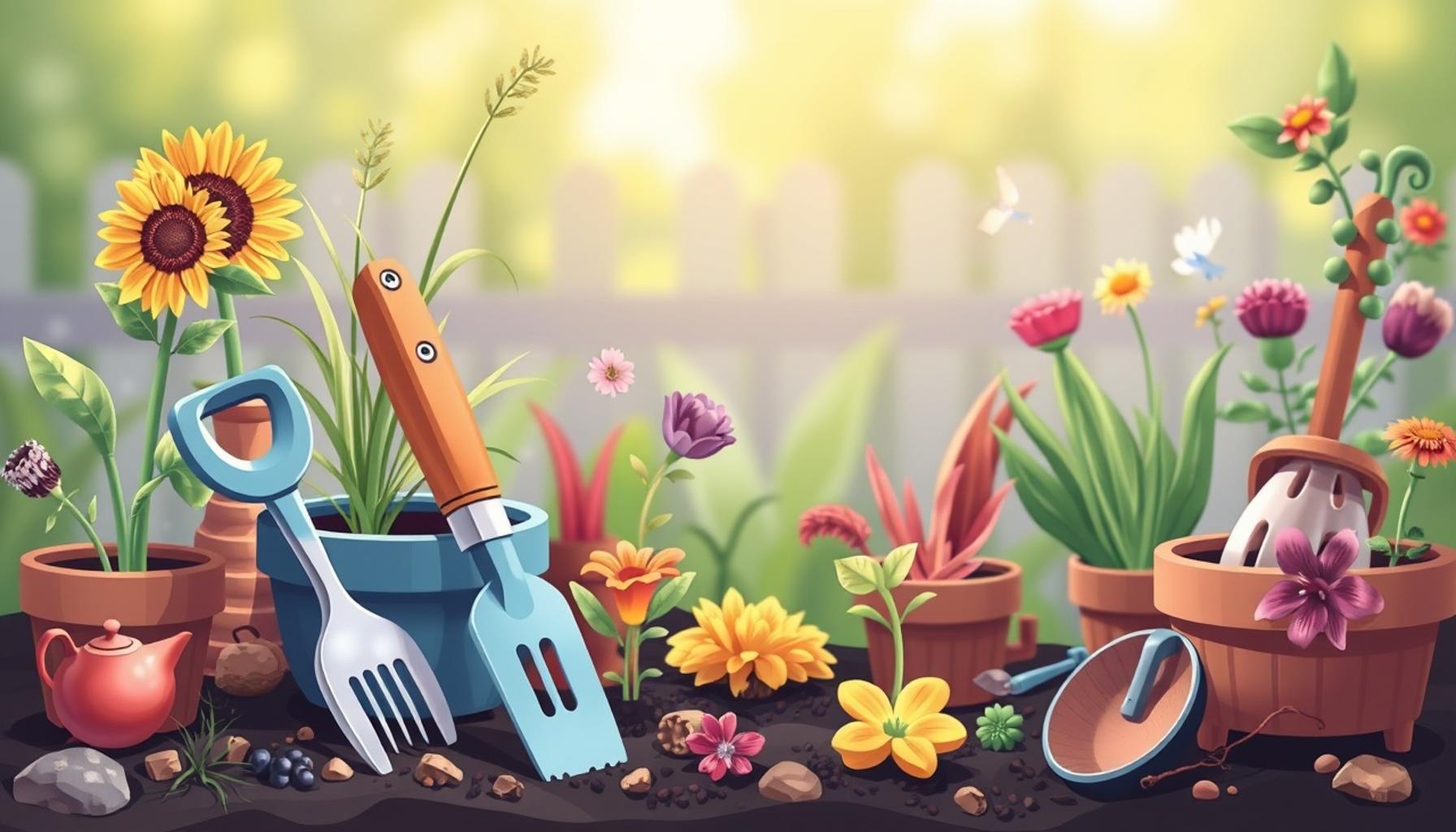
Selecting the appropriate gardening tools for specific tasks is crucial. Start with the basics, such as hand trowels, pruning shears, and garden forks. Each tool serves a distinct purpose; for example, hand trowels are great for digging small holes or transplanting seedlings, while pruning shears are essential for trimming and shaping plants. Remember to consider the size and weight of the tools; lightweight options can reduce strain during prolonged use. A well-designed ergonomic tool can make gardening much easier and safer, particularly for those who may have physical limitations.
Wear Protective Gear
Your safety should always be a priority while gardening. Wearing protective gear such as gloves is vital for preventing cuts and blisters that can arise from handling rough tools and thorny plants. Sturdy footwear that covers the entire foot is advisable, as it can shield against accidental falls or injuries from falling tools. Additionally, consider using safety goggles to protect your eyes from debris when mowing or using power tools. These simple precautions can make a significant difference in preventing minor accidents from becoming serious injuries.
Keep Tools in Good Condition
Maintaining your gardening tools is another fundamental aspect of ensuring safety. Sharp tools, while effective, can become dangerous if they are not properly cared for. Regularly sharpen blades and inspect tools for any defects, such as rust or splintered handles. Implement a routine cleaning process after use to rid tools of dirt and moisture, preventing deterioration. Tools in good working condition not only reduce the risk of accidents but also enhance your efficacy as a gardener.
Practicing caution with gardening tools is more than a preventive measure; it enables you to become a more skilled and efficient gardener. Each time you handle your tools with care, you are investing in your growth—both literally and figuratively—as you cultivate a garden that thrives under your attention. As you familiarize yourself with these safety tips, consider how they can seamlessly integrate into your gardening practices to achieve not only a safe environment but also a flourishing garden brimming with life and color.
As you embark on or continue this gardening journey, take time to deepen your understanding of each tool, its specific use, and the safety protocols associated with it. The endeavor is not merely about watching things grow; it’s about building a joyful experience that resonates with the essence of nature right at your fingertips.
DISCOVER MORE: Click here for the ultimate guide
Getting Acquainted with Gardening Tools and Their Safe Usage
The journey into gardening often starts with an assortment of tools that can seem overwhelming at first. Understanding how to use these gardening tools safely is fundamental to cultivating not only your garden but also a secure and enjoyable gardening experience. Familiarizing yourself with the tools at your disposal enhances not only safety but also efficiency, giving you the confidence to transform your outdoor space.
Essential Gardening Tools for Beginners
Before you begin your gardening adventure, it is essential to have the right toolkit. Here is a list of essential gardening tools that every beginner should consider:
- Hand Trowel: This small tool is perfect for digging, planting, and transferring soil.
- Pruning Shears: Ideal for trimming live plants, these scissors can help maintain plant health and appearance.
- Garden Fork: Useful for turning and aerating soil, a garden fork is crucial for preparing garden beds.
- Gloves: Protect your hands from cuts, punctures, and blisters while providing grip on your tools.
- Watering Can or Hose: Essential for keeping your plants hydrated, ensuring proper growth throughout the seasons.
Selecting tools that suit your height and strength can contribute to a more comfortable experience. For instance, if you are shorter in stature, opt for shorter handled tools to avoid unnecessary strain on your back and arms. Additionally, consider the ergonomics of each tool; some manufacturers design gardening tools with special grips to minimize hand fatigue.
Learning Proper Techniques
Using gardening tools without proper techniques can lead to accidents or injuries. Here are some important tips to ensure you maneuver your tools effectively:
- Keep Your Tools Sharp: Dull blades can cause more harm than good, leading to slips and potential injuries. Regularly sharpen your tools to ensure they cut cleanly.
- Utilize Proper Body Mechanics: When bending or reaching, maintain a stable base by placing your feet shoulder-width apart and keeping your back straight. Bend at your knees rather than your waist to lift heavy objects.
- Use Tools as Intended: Each tool is designed for specific tasks. Using a pruner to cut thick branches, for instance, can lead to tool damage and personal injury. Familiarize yourself with each tool’s instructional manual to understand its purpose and limitations.
As you start to explore the world of gardening, integrate the best practices regarding tool safety into your routine. By selecting the right tools and learning to use them correctly, you set the groundwork for a rewarding gardening experience. Remember, cultivating a beautiful garden is not just about the plants; it’s also about tending to your well-being as you nurture your green space.
| Safety Precautions | Key Guidelines |
|---|---|
| Proper Tool Handling | Always use tools for their intended purpose to avoid accidents. |
| Protective Gear | Wearing gloves, goggles, and sturdy footwear minimizes injury risk. |
| Tool Maintenance | Regularly check tools for damage, ensuring they function properly for safety. |
| Pacing Yourself | Take breaks to prevent fatigue, which can lead to mishaps. |
When using gardening tools, adhering to essential safety precautions can significantly enhance your gardening experience. Begin by ensuring proper tool handling; utilize each instrument specifically for its designed task. For instance, never use a shovel as a lever, as this could not only damage the tool but also lead to potential injuries.Incorporating appropriate protective gear is crucial. Equip yourself with gloves to shield your hands from sharp edges and thorns, goggles to protect your eyes from debris, and sturdy footwear for foot safety. Additionally, the vigilance in tool maintenance cannot be overstated. A quick inspection before gardening can prevent unforeseen accidents caused by malfunctioning equipment.Finally, learn to pace yourself; excessive fatigue can compromise your focus, increasing the likelihood of accidents. Whether it’s a small planting task or a day-long project, taking breaks will allow you to maintain your concentration and enjoy the gardening journey safely. Adopting these practical measures cultivates not just a beautiful garden but also a safer gardening experience.
DISCOVER MORE: Click here to learn about effective lighting techniques
Storing and Maintaining Your Gardening Tools
In addition to learning how to use gardening tools safely, the importance of proper tool maintenance and storage cannot be overlooked. Taking care of your tools not only extends their lifespan but also safeguards your health and ensures safety during gardening sessions. A well-organized workspace fosters a more productive gardening experience. Here are some practical tips for maintaining and storing your essential gardening tools:
Regular Cleaning
After each use, take a moment to clean your tools. Dirt and debris can lead to rust and corrosion if left unattended. Wipe down metal surfaces with a damp cloth to remove any soil, sap, or rust. For stubborn stains, you might need a wire brush or a putty knife to scrape away hard residue. Ensure that wooden handles are also wiped clean and dried properly; damp wood can deteriorate over time.
Sharpening and Oiling
Regularly sharpen tools like pruners, shears, and hoes to keep them working effectively. A sharp blade reduces the effort needed for cuts, decreases the chance of injury due to slips, and makes gardening more enjoyable. Here are two essential tasks to incorporate into your maintenance routine:
- Sharpening: Use a sharpening stone to hone the edges of your blades. Aim for a 20-degree angle while sharpening to maintain the right blade profile.
- Oiling: After cleaning and sharpening, coat metal parts lightly with vegetable oil or a similar lubricant to prevent rust. This practice is especially important in humid climates, where moisture can accelerate corrosion.
Safe Storage Practices
How you store your tools plays a significant role in preventing accidents and injuries. A cluttered area can lead to falls or accidents caused by tools being misplaced. Here are some storage tips to keep in mind:
- Use a Designated Space: Create a designated area for your gardening tools, such as a shed or garage. Consider using pegboards, shelves, or tool racks to make your tools easily accessible while keeping them organized.
- Hang Long-handled Tools: For tools with long handles, consider hanging them vertically. This not only saves space but also keeps them out of the way and reduces tripping hazards.
Wear Protective Gear
While having the right tools is fundamental, it’s equally crucial to wear protective gear when gardening. Investing in a good pair of gardening gloves is an essential step in safeguarding your hands against cuts, blisters, and even harmful chemicals from pesticides or fertilizers. Additionally, wearing sturdy footwear can prevent slips and provide foot protection from sharp objects, including discarded small tools and debris. Consider using protective eyewear when pruning or working with power tools, as debris can become airborne and create hazards.
As you embark on your gardening journey, implementing safety measures while using gardening tools will not only enhance your gardening efficiency but also ensure a safer experience. Understanding proper maintenance and storage, coupled with the correct handling techniques, can lead to improved productivity and a more enjoyable relationship with your blossoming garden.
DISCOVER MORE: Click here to enhance your plant lighting techniques
Conclusion
In summary, mastering the art of gardening is not solely about the knowledge of plants or techniques; it fundamentally hinges on using gardening tools safely. As a beginner, equipping yourself with the right practices can make an enormous difference in your gardening experience. From properly maintaining and organizing your tools to implementing safety measures, each step contributes to a more efficient and hazard-free environment.
Taking the time to clean, sharpen, and store tools properly not only enhances their performance but also significantly reduces the risk of accidents. Remember, investing in protective gear – such as gloves and sturdy footwear – is just as crucial as having the right tools in hand. These protective measures can shield you from potential injuries, allowing you to focus on what truly matters: cultivating your own little slice of paradise.
As you cultivate your garden and nurture your skills, remain vigilant and proactive about safety. Continually educating yourself about the safe use of gardening tools will deepen your appreciation for this fulfilling hobby, fostering resilience in the face of challenges. With these insights, embrace your gardening journey confidently, knowing that safety is a cornerstone to a thriving garden. Explore further knowledge on tool types, innovative gardening techniques, and expert tips to continue elevating your gardening experience.

Linda Carter
Linda Carter is a writer specializing in gardening and growing at home for beginners. With extensive experience helping readers confidently care for plants, Linda shares practical guidance on preparing soil, choosing suitable plants, watering, planting, and maintaining home gardens. Her goal is to provide clear tips and accessible strategies that help beginners grow healthy plants and enjoy gardening in any space.