Group Crafting: How to Organize Creative Workshops and Strengthen the Community
Welcome to the World of Group Crafting
In today’s fast-paced society, community engagement is more important than ever. One of the most fulfilling ways to connect with others is through group crafting. This creative outlet not only enhances artistic skills but also fosters strong connections within communities. As we navigate through our busy lives, taking time for collective creativity can serve as a respite, allowing individuals to unwind and share their passions.
So, why should you consider organizing your own creative workshops? Here are some compelling reasons:
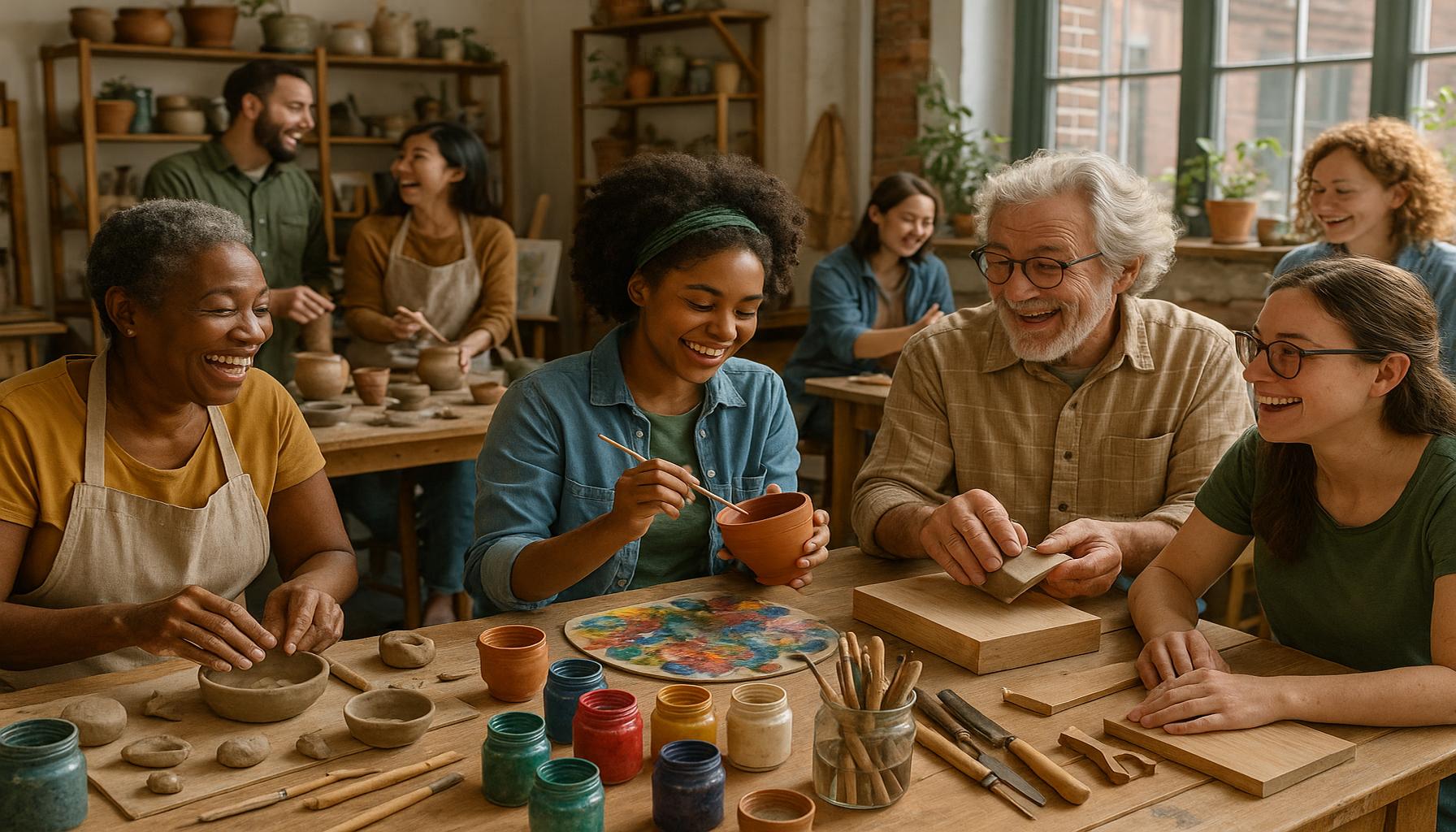
- Build connections: Group crafting offers the unique opportunity to meet like-minded individuals who share a passion for creativity. Whether through painting sessions in a local park or pottery evenings at a community center, participants can bond over shared experiences, turning strangers into friends.
- Enhance skills: In a group setting, individuals can learn new techniques from peers and experts alike. For instance, a novice painter might pick up valuable tips from a seasoned artist, while the latter might discover fresh perspectives on color mixing or brush techniques through the questions of inquisitive beginners.
- Support local artists: Organizing workshops enables the showcasing and promotion of local talent through collaborative projects. By inviting local artisans to lead sessions, you not only provide them with exposure but also enrich the community’s cultural fabric.
Engaging in group crafting activities can lead to meaningful interactions and lasting friendships. Consider the example of a community quilt project, where each participant contributes a square reflecting their personal story. This project not only results in a stunning piece of art but also weaves together the narratives of diverse individuals, fostering understanding and solidarity among participants.
Moreover, crafting together nurtures an environment of collaboration. In a world that often emphasizes competition, crafting encourages cooperation. Group crafting can revitalize community spirit, inspiring residents to come together and create something beautiful, reinforcing their collective identity.
In this article, we will delve into the essential elements of organizing effective workshops, tips on fostering community spirit, and how such events can enrich lives. From the logistics of gathering supplies to the nuances of engaging participants, there is much to explore. Are you ready to unleash your inner craftsperson and dive into the realms of creativity that await?

DISCOVER MORE: Click here to enhance your composition skills
Getting Started with Group Crafting Workshops
When embarking on the journey of organizing a group crafting workshop, the first step is to identify your community’s interests and needs. A successful workshop begins with understanding what types of crafting activities will engage participants. This involves conducting informal surveys or holding community meetings to tap into the creative energies of your neighborhood. Engaging with local artists, educators, and community leaders can also provide insights into what workshops might resonate best with your audience.
After gathering feedback, it’s essential to outline the logistics of the workshop. Consider the following crucial elements:
- Venue: Choose a location that is accessible and comfortable for everyone, whether it’s a community center, a local park, or even a large backyard. Ensure there is ample space for participants to work and socialize.
- Supplies: Compile a list of materials and tools necessary for the chosen craft. Depending on the activity, this might include paints, canvases, yarn, or recycled materials. Aim to keep costs low by sourcing supplies from local businesses or encouraging participants to bring their own items.
- Scheduling: Set a date and time that works best for your target audience. Consider weekends or weekday evenings when people are more likely to be available. Be sure to provide enough notice so individuals can plan to attend.
- Facilitators: Whether you’re leading the workshop yourself or inviting guest instructors, ensuring that there is a knowledgeable person guiding the Session is crucial. Facilitators can provide valuable insights, foster collaboration, and encourage creativity.
Another key aspect of organizing creative workshops is developing a welcoming atmosphere. From the moment participants arrive, they should feel a sense of belonging and openness. Create name tags or place cards to help newcomers connect with one another. Set up shared snack tables or refreshments to create a non-threatening environment where conversations can flow freely. These small details can break the ice and promote community bonding.
Don’t forget to incorporate icebreaker activities to get participants warmed up creatively. Simple exercises, such as a ‘show and tell’ of participants’ previous projects or sharing their favorite crafting memories, can spark discussions and build camaraderie from the outset.
As your workshop progresses, celebrate creativity by showcasing the works in progress or finished pieces. Consider a mini-exhibition at the end of the session, where participants can display their creations and share the story behind their work. This recognition not only boosts confidence but also nurtures a sense of pride within the community.
In summary, organizing a group crafting workshop involves careful planning, understanding community dynamics, and creating an inviting environment. By focusing on these elements, you can curate an engaging experience that strengthens relationships and fosters a deeper appreciation for the arts within your community.
Engaging the Community Through Creative Workshops
Organizing creative workshops is not just about gathering people with shared interests; it’s a vital way to strengthen community bonds and foster a sense of belonging. Whether it’s knitting classes, pottery sessions, or painting nights, the impact on participants extends beyond the activities themselves. Engaging in group crafting allows individuals to connect on a deeper level, share ideas, and support each other through the creative process.Creating a comfortable and inviting atmosphere is crucial. Ensure that your workshop space is accessible and welcoming to everyone, including individuals from varying skill levels and backgrounds. Establishing a theme or project that encourages participation and collaboration can lead to a more enriching experience. Importantly, consider incorporating local art supply stores as partners, providing resources and promoting local businesses, which reinforces community ties even further.Additionally, use social media platforms to promote these workshops. Share behind-the-scenes content, participant testimonials, and finished projects to generate interest and attract new participants. This online interaction not only increases visibility but also encourages participants to share their crafting experiences, creating an organic promotional network for future workshops.Furthermore, offering a mixture of free and paid workshops can help cater to different interests and demographics. Free workshops tend to encourage higher participation rates and create an opportunity for people to try something new without a commitment. Once they engage and see the value in community crafting, converting interested attendees into paying participants becomes easier.By organizing regular crafting events, communities can build sustainable relationships that nurture creativity and collaboration. This approach not only develops individual skills but also fosters a strong support network where everyone can thrive together. Crafting is not merely about the end product; it’s about the connections and friendships formed along the way, showcasing the true essence of community strengthening through shared creative experiences.
| Category | Key Features |
|---|---|
| Community Engagement | Brings people together, encourages support, fosters friendships. |
| Skill Development | Participants learn new techniques, enhance creativity, and gain confidence. |
Continually adapting your workshops based on feedback and community interest will ensure your offerings remain relevant and exciting. By doing this, you not only create a sustainable crafting environment but also enable a thriving, interconnected community eager to share their creative journeys.
DIVE DEEPER: Click here to discover how technology is transforming music
Enhancing the Workshop Experience: From Planning to Execution
Once the groundwork for your group crafting workshop has been laid, the next step is to focus on enhancing the participant experience throughout the event. Engaging activities not only foster creativity but also build a sense of community and connection among attendees. To achieve this, exploring diverse crafting styles and incorporating community input can greatly enhance the workshop.
Variety of Crafting Activities: Incorporate a mix of crafting techniques to accommodate various skill levels and interests. Consider offering multiple stations featuring different styles, such as pottery, painting, knitting, or even upcycling recycled materials. This approach allows participants to experiment with new crafts while learning from one another. Additionally, encouraging collaboration through group projects can foster teamwork and build strong local relationships.
Utilizing Technology: In today’s digital age, technology can play a pivotal role in creating an inclusive environment. Consider incorporating virtual elements for those unable to attend in person. Online streaming of the workshop or creating a dedicated social media group for sharing progress and insights can expand the reach of your initiative. Platforms like Zoom can facilitate remote participation, allowing individuals who live far from your community to join in on the fun.
Collaboration with Local Artists: Collaborating with local artists or craft experts not only brings valuable knowledge but also enhances the authenticity of the workshop. Artists can share techniques and personal stories, inspiring participants to dig deeper into their creative expression. Additionally, leveraging local talent can encourage a supportive network where participants build connections with their artistic mentors.
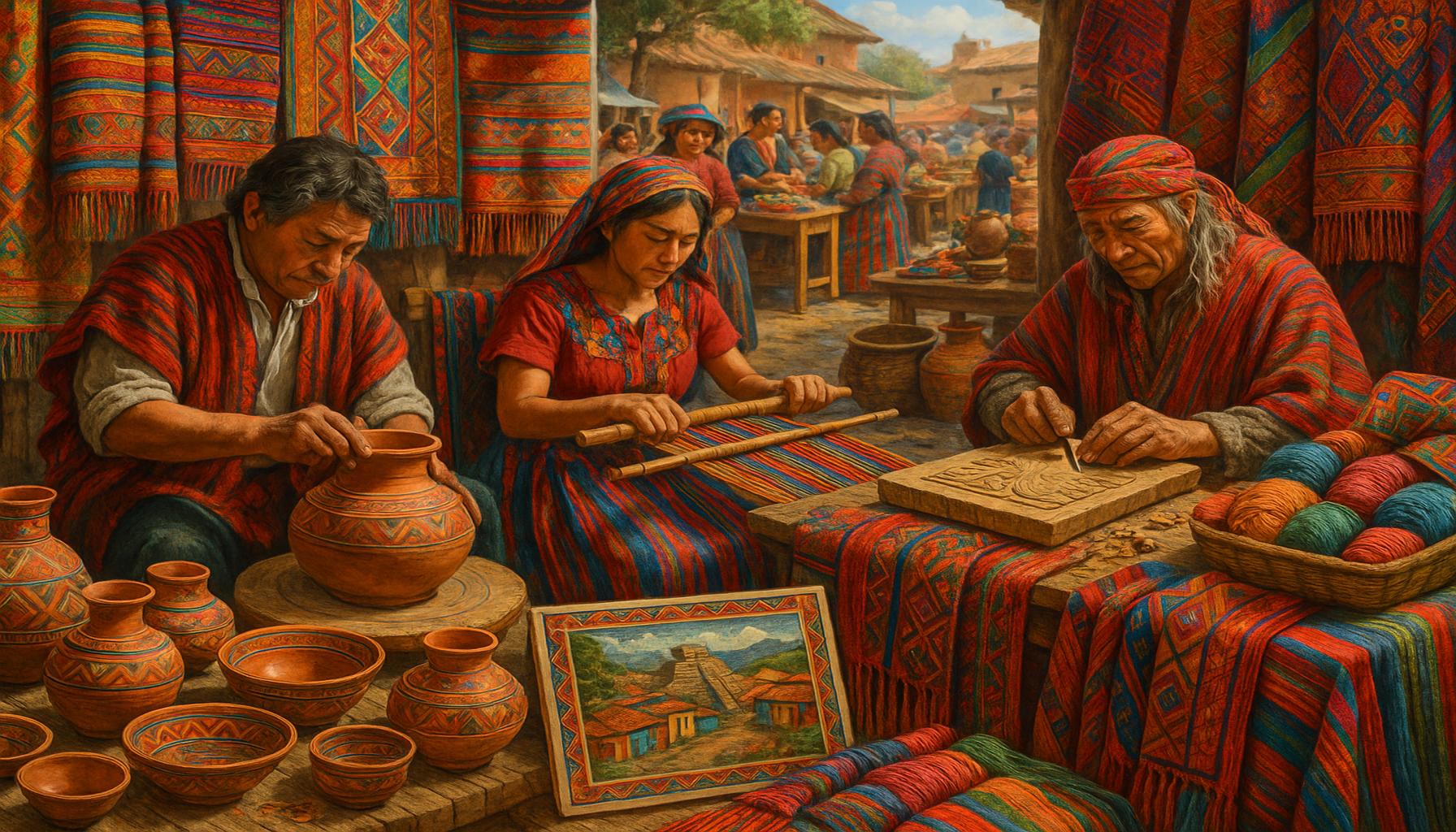
Workshop Themes and Education: Themed workshops can enhance the learning experience by tying crafting activities to cultural or historical context. For instance, exploring Native American beadwork or African textile arts can enrich participants’ understanding of different cultures. Workshops can also promote environmental awareness by showcasing sustainable crafting techniques or highlighting local materials. This not only nurtures creativity but also fosters social responsibility within the community.
Feedback and Growth: After the workshop concludes, gathering participant feedback is essential for refining future workshops. Utilize simple surveys or informal discussions to gain insights on what worked, what didn’t, and what participants would like to see in the future. This ongoing dialogue demonstrates a commitment to community engagement and paves the way for continuous improvement.
Lastly, developing a post-workshop follow-up is critical for maintaining momentum within the community. Consider organizing monthly meetups or challenge groups where participants can share their ongoing projects. Establishing a crafting circle can provide a regular space for creativity, learning, and relationship building.
In the realm of community crafting workshops, the focus should not solely be on project completion but on nurturing connections, promoting personal growth, and fostering collaboration. Each workshop offers an opportunity for participants to express their individuality while collectively building a vibrant creative community. These shared experiences can break down barriers and create a strong network of support, encouraging participants to explore their artistic potential further.
DISCOVER MORE: Click here to dive deeper
Conclusion: Crafting Connections that Last
In summary, organizing group crafting workshops offers a multifaceted approach to fostering creativity while simultaneously building a tight-knit community. By integrating a variety of activities that cater to different skill sets and interests, participants can engage with one another in meaningful ways, forging connections that extend beyond the crafting table.
The inclusion of technology allows for inclusivity and expands access, enabling voices from diverse backgrounds to join in the creative dialogue. Collaborating with local artists enriches the experience, providing participants a glimpse into the artistic process and further intertwining personal stories with the act of creation. Furthermore, aligning workshops with educational themes not only enhances participant understanding but also encourages a broader dialogue about culture and sustainability within the community.
Most importantly, the feedback loop and ongoing engagement after the workshop closes are crucial for fostering a continual sense of belonging and enthusiasm among attendees. Craft circles, seasonal challenges, and open forums for project sharing can maintain the momentum gained during workshops, transforming a one-time event into a flourishing community of creators.
As aspiring facilitators set out to host their own crafting events, they should keep in mind that the ultimate goal transcends the final product. It is about the shared experiences, the collaborative spirit, and the supportive networks that emerge through artistic expression. By focusing on these elements, anyone can help reshape their community into a hub of creativity and collaboration, ultimately enriching the lives of participants and the neighborhoods they inhabit.