DIY Smart Furniture: Transforming Old Furniture into Functional Solutions
The Rise of Multifunctional Living Spaces
In today’s fast-paced world, the need for multifunctional living spaces is greater than ever. Many of us find ourselves navigating limited areas, especially in urban environments where square footage can be a premium. This reality has prompted a surge in popularity for DIY smart furniture, where creativity meets practicality. Transforming old furniture into functional solutions not only enhances the aesthetics of the home but also maximizes space utilization and versatility.
Imagine the potential of repurposing unused items that once cluttered your home. For instance, an old dresser can be reimagined as a sleek, modern desk, seamlessly integrating into a home office or study area. Similarly, a classic trunk may evolve into an eye-catching coffee table, offering not just a surface for drinks and books but also ample storage for blankets and games. Such transformations require minimal resources but yield significant benefits, both in functionality and style.
Inspiring Ideas for DIY Projects
Here are some innovative examples of DIY furniture transformations that highlight how easily you can adapt everyday items to meet your needs:
- Convertible Sofas: Old couches can become sleeper sofas with simple modifications, ideal for accommodating guests in a compact living space. Adding a fold-out mechanism or incorporating a hidden mattress can provide both comfort and space-saving benefits.
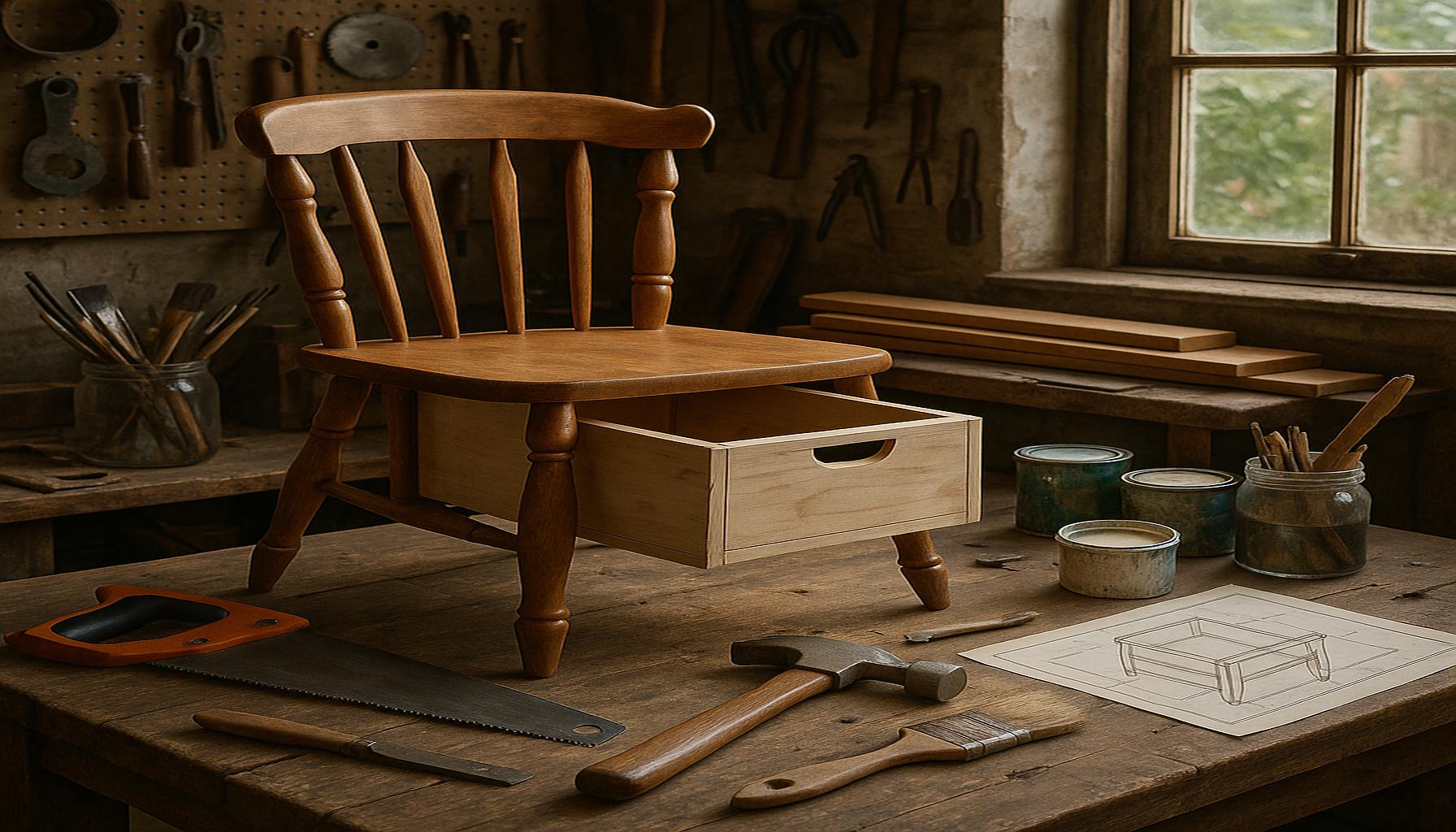
- Hidden Storage: Under-bed frames can be transformed to include drawers specifically designed for extra storage. This clever use of space ensures that seasonal clothing or extra linens remain out of sight yet easily accessible.
- Adjustable Tables: Dining tables can be upgraded with extendable features to cater to both dining and work needs. This flexibility allows for social gatherings as well as functionality for homework or remote work.
Materials and Techniques That Inspire
As we explore various DIY projects, it’s essential to consider the materials and techniques that will breathe new life into your furniture. Opting for sustainable materials like reclaimed wood or eco-friendly paints not only supports environmental consciousness but also adds character and uniqueness to your pieces. Techniques such as upcycling, refinishing, and reupholstering can dramatically alter the appearance of furniture, making it tailored to your personal style.
By harnessing creativity and a bit of elbow grease, you can create pieces that are not only sustainable but also remarkably unique and tailored to your lifestyle. Beyond just aesthetics, these projects cultivate a sense of accomplishment and can often serve as a focal point for conversations in your space.
This article is designed to guide you through the world of DIY smart furniture, offering practical tips and techniques to transform your old, unused pieces into innovative solutions for modern living. Engage your imagination and get ready to discover how functional and stylish your home can become!
DISCOVER MORE: Click here to dive deeper into the world of folk music
Inspiring Ideas for DIY Projects
As we dive deeper into the realm of DIY smart furniture, it’s important to explore inspiring ideas that showcase the limitless potential of transforming old furniture into functional masterpieces. With a little creativity and ingenuity, everyday pieces can take on new roles that cater to our evolving needs in home design. Here are some innovative examples of DIY furniture transformations that highlight how readily you can adapt your items to create meaningful solutions:
- Convertible Sofas: An old couch doesn’t have to be relegated to the corner of a room gathering dust. With some strategic modifications, it can be transformed into a sleeper sofa, making it the perfect solution for accommodating guests without sacrificing space. Incorporating a fold-out mechanism or integrating a hidden mattress allows for both comfort and functionality, giving visitors a cozy place to rest.
- Hidden Storage Solutions: Maximizing storage is a common challenge in smaller living spaces. Reimagining under-bed frames with custom drawers can significantly increase your storage capabilities, ensuring that seasonal clothing or extra linens are neatly tucked away yet accessible. These clever designs cleverly conceal clutter while maintaining a tidy aesthetic.
- Adjustable Tables: Dining tables are essential pieces, but they can also serve multiple purposes. Upgrading an existing table with extendable features can seamlessly transition it from a cozy dining area for two to a spacious one for family gatherings. Such flexibility makes it a great option for a multipurpose area, whether it’s for family dinners or virtual meetings.
In addition to these examples, the beauty of DIY smart furniture lies in personalization. Every project allows for customization based on your specific needs and preferences, thereby transforming a mere functional object into a work of art that reflects your unique style. This kind of handmade charm brings warmth and character to your home, making it more than just a place to live.
Materials and Techniques That Inspire
When embarking on your DIY journey, the choice of materials and techniques can significantly influence the outcome of your projects. Opting for sustainable materials like reclaimed wood or eco-friendly paints not only promotes environmental responsibility but also introduces distinctive textures and colors to your furnishings. For example, a distressed finish on recycled wood can evoke a rustic charm that fits seamlessly into any modern decor.
Techniques such as upcycling, refinishing, and reupholstering allow you to breath new life into worn-out pieces. Applying a coat of paint or changing the fabric can dramatically alter the appearance and style of an item, making it tailored to your personal taste. These approaches not only transform furniture but also empower you with a sense of accomplishment and connection to your space.
As we continue our exploration in the world of DIY smart furniture, you’ll find that simple changes can lead to extraordinary results. Embracing these projects enables you to curate a home that balances functionality with creativity, reflecting your lifestyle while ensuring maximum space efficiency.
| Advantages | Key Features |
|---|---|
| Cost-Effective Solutions | Transforming old furniture saves money compared to purchasing new items. |
| Eco-Friendly | Repurposing materials reduces waste and has a positive environmental impact. |
Venturing into the realm of DIY smart furniture not only enhances your living space but also contributes significantly to sustainability. By breathing new life into discarded furniture, you embrace a cost-effective approach that defies the conventional market dynamics. This practice allows you to channel creativity while cleverly sidestepping hefty furniture bills.Furthermore, such projects often foster a sense of accomplishment as you don’t just build functional pieces but also narrate a story of transformation through your unique flair. Eco-conscious individuals will find profound benefits in this pursuit, as every reimagined piece helps divert waste from landfills. Discovering how to combine function with style can be both rewarding and fascinating.For individuals looking to embark on this creative journey, various DIY techniques and tutorials are available online, providing inspiration and guidance. Experimenting with different tools and materials can lead to unexpected yet delightful results, fueling further interest in the DIY community. Explore these transformative solutions today!
DISCOVER MORE: Click here to learn about the power of improvisation
Functional Innovations to Explore
As we further explore the concept of DIY smart furniture, it’s compelling to consider functional innovations that not only enhance the utility of old furniture but also contribute to a more organized and enjoyable living environment. By tapping into a few design strategies, you can craft solutions that seamlessly integrate into your home while offering enhanced functionality. Here are some more inspiring ideas to experiment with:
- Multi-Functional Bookshelves: A bookshelf doesn’t have to serve a single purpose. By incorporating a fold-out desk or seating area into the design, you can create a productive workspace. For instance, a floating shelf with a hinged tabletop can provide an instant home office setup in a small apartment, allowing for a designated work area without taking up valuable square footage.
- Ottoman Storage Solutions: Transforming an ordinary ottoman into a stylish storage unit is a great way to declutter your living space. By adding a lift-top mechanism, you can create easy access to blankets, games, or other items that often create mess. Upholstering it in vibrant fabrics can add a splash of color while ensuring it remains a functional part of your decor.
- Modular Furniture: Modular furniture is highly adaptable and perfect for evolving living spaces. By redesigning individual sections of a traditional couch to create movable sections, you can easily rearrange your seating to cater to hosting needs. This setup not only allows for flexibility in arrangement but also fosters an environment conducive to social interaction.
Notably, the beauty of DIY smart furniture lies in its ability to be tailored to modern lifestyles. With the rise of remote work and the need for versatile living spaces, furniture that can adapt to various uses is increasingly important. For example, the integration of charging ports into side tables or desks can ensure that your devices remain powered while providing an elegant space for your daily activities. Creating small cubbies or shelves for power strips can keep cables organized and out of sight, enhancing the aesthetic appeal of your furniture.
Investing Time in Creativity and Learning
More than just a practical endeavor, DIY smart furniture projects provide an enriching opportunity to learn valuable skills. From basic woodworking to textiles, these projects can offer hands-on experience in various crafting techniques. Numerous online resources, such as YouTube tutorials and DIY blogs, have emerged to guide enthusiasts through the process. Platforms like Pinterest can also serve as a wellspring of ideas, showcasing projects from fellow DIYers that inspire and provoke creative thinking.
Moreover, community workshops specializing in woodworking and upholstery are excellent places to explore your creativity. Many local organizations offer classes that not only teach the skills needed for furniture transformation but also foster a sense of community and collective learning. This approach enhances the overall DIY experience, allowing you to exchange ideas and collaborate with others who share a passion for innovative home solutions.
In summary, embarking on DIY projects for smart furniture means diving into a world of creativity and functionality, pushing the boundaries of conventional furniture design. With each project, you gain the ability to design your living space according to your needs, ensuring it remains as dynamic as your lifestyle. The ability to transform your old furniture into something new stands as a testament to ingenuity and resourcefulness, in a world increasingly focused on sustainability and personalized living.
DISCOVER MORE: Click here to delve deeper
Rethinking the Potential of Furniture
In conclusion, the journey into DIY smart furniture represents not just a trend, but a profound shift in how we perceive and utilize our living spaces. By transforming old furniture into functional solutions, we embrace sustainability and innovation while creating a home that truly reflects our lifestyle and needs. The possibilities are limited only by our imagination and willingness to experiment.
Each project serves as an opportunity to revitalize not only furniture but also our living environments, offering practical enhancements that align with contemporary demands. Integrating features like hidden storage, adaptable designs, and smart technology into our furnishings elevates our living spaces into multifunctional hubs that promote comfort and efficiency. Moreover, these transformations foster a sense of accomplishment, as each piece becomes a unique expression of personal style and creativity.
As we continue to navigate a world increasingly focused on sustainability, engaging with DIY smart furniture projects can also contribute to reducing our environmental footprint. By repurposing old pieces, we decrease the demand for new materials, making a positive impact on our planet. The knowledge gained through such projects builds valuable skills while nurturing a deeper appreciation for craftsmanship.
As you embark on this creative journey, consider exploring local resources, community workshops, and online platforms that inspire and guide you. Embracing the challenge of transforming your furniture not only enhances functionality but also opens doors to new experiences, ultimately redefining what it means to create a home tailored to your specific needs.